
01
Vacuum Ribbon Mixers
Controlled Convective Mixing Under Reduced Pressure
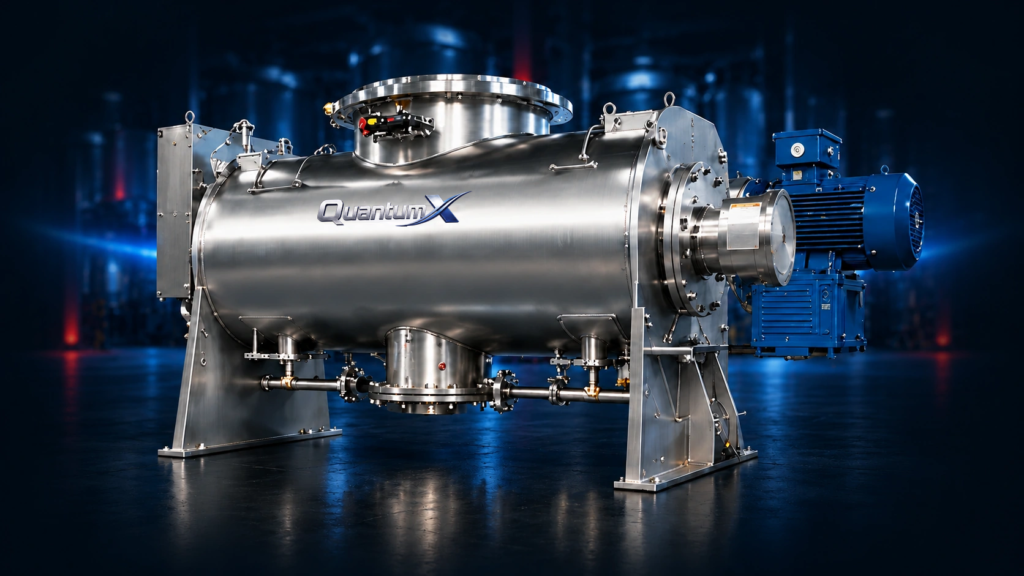
CLOSED PROCESSING DEAERATION OXYGEN CONTROL VACUUM-ASSISTED MIXING
Mix Under Vacuum When Air, Oxygen or Open Exposure Changes the Product
QuantumX vacuum mixers are engineered for processes in which atmospheric mixing is no longer sufficient.
The vessel, agitator, shaft seals, access closures, vent filtration, vacuum package, controls and downstream connections are designed as one closed processing system.
Overview
A vacuum mixer is an agitated vessel designed to operate at a defined pressure below atmospheric pressure.
The system normally includes:
Depending on the application, it may also include:
The agitator continually renews the product surface exposed to the reduced-pressure vessel environment.
That surface renewal is often what separates effective vacuum mixing from simply connecting a pump to a sealed tank.
Key capabilities
PerMix currently positions QuantumX vacuum mixers specifically for deaeration, oxygen-sensitive processing, closed charging and controlled low-pressure operation. Standard PerMix mixers remain atmospheric systems; vacuum duties move into the QuantumX engineering platform.
QuantumX platforms
01
Controlled Convective Mixing Under Reduced Pressure
02
Gentle Product Movement and Vacuum Conditioning
03
Intensive Mixing for Cohesive Powders Under Vacuum
04
Gentle Vertical Circulation with a Broad Working Range
05
Low-Shear Tumble Mixing in a Closed Vessel
06
Rapid Particle Exchange and Closed Deaeration
07
08
Deaeration of Highly Viscous and Non-Flowing Products
09
Bulk Circulation, High Shear and Vacuum in One Vessel
10
Heavy-Duty Kneading with Closed Deaeration
Vacuum mixing vs. vacuum drying
A vacuum mixer and a vacuum mixer-dryer may use similar vessels, seals and vacuum equipment, but their principal process objectives are different.
The primary objective is generally to:
The amount of moisture or solvent evaporated may be small or incidental.
The primary objective is to:
The system is therefore engineered around a complete material and energy balance.
| Process Question | Vacuum Mixer | Vacuum Mixer-Dryer |
|---|---|---|
| Is deaeration the principal objective? | Yes | May be included |
| Is oxygen control the principal objective? | Often | Often included |
| Is significant evaporation required? | Limited or incidental | Yes |
| Is a drying mass balance required? | Usually not | Yes |
| Is major thermal input required? | Not necessarily | Yes |
| Is a condenser required? | Only when vapor load justifies it | Normally part of the system |
| Is a solvent receiver required? | Application-dependent | Common for solvent recovery |
| Is final moisture an acceptance criterion? | Not usually | Yes |
| Is the product dried through a sticky phase? | Not the principal duty | Major equipment-selection factor |
| Is vacuum used mainly to remove air? | Often | Secondary to drying |
Choose a QuantumX vacuum mixer when air, oxygen, foam, atmosphere or closed processing is the principal problem.
Choose a QuantumX vacuum mixer-dryer when significant moisture or solvent must be evaporated and recovered.
Benefits of vacuum processing
Air can enter a formulation during:
Entrained air may create:
Lowering the pressure above a product allows entrained gas bubbles to expand. Agitation then helps expose interior material and move gas toward the product surface, where it can leave the vessel. The effectiveness depends on viscosity, yield stress, product temperature, pressure, residence time and surface renewal.
Oxygen can affect:
Vacuum can reduce the amount of air present in the vessel and product, but it does not automatically create an oxygen-free process.
A controlled oxygen-reduction strategy may require:
QuantumX vacuum systems can combine evacuation, inert-gas backfill and oxygen monitoring when the process requires controlled oxygen exposure.
Foam can reduce usable vessel capacity and interfere with:
Vacuum may reduce entrained or trapped air, but it can initially cause an aerated or volatile product to expand.
The vacuum profile must therefore be controlled around:
Air incorporated into a product can change its apparent density.
This may affect:
Vacuum deaeration can support more repeatable density when air content is a major source of batch variation.
The achievable result depends on material rheology and the complete mixing and deaeration sequence.
Products that react with atmospheric oxygen or moisture may benefit from a closed vacuum and inert-gas process.
Potential applications include:
The required oxygen and moisture targets must be supplied by the process owner.
A vacuum-rated mixer can reduce the need to open the vessel between process stages.
A single system may perform:
This can reduce:
Deaeration
These terms are related but should not be used as though they guarantee the same result.
Usually refers to removal of entrained or mechanically incorporated air.
Examples include:
Can include removal of entrained gas, reaction gas, volatile gas or other gaseous components.
Gas dissolved at the molecular level may require:
A batch vacuum mixer can remove some dissolved gas, but the result depends strongly on:
Do not promise complete dissolved-gas removal without application testing.
Platform selection
| Material or Process | Strongest Preliminary QuantumX Pathway |
|---|---|
| General powder blending under vacuum | Ribbon mixer |
| Fragile granules or coated particles | Paddle or double cone |
| Cohesive powder requiring stronger movement | Plough mixer |
| Gentle high-value powder with broad batch range | Conical screw mixer |
| Free-flowing powder requiring minimal internals | Double cone mixer |
| Rapid powder blending and coating | Fluidized-zone mixer |
| Wet granulation under closed atmosphere | High-speed granulator |
| Highly viscous paste or putty | Double planetary mixer |
| Viscous liquid requiring dispersion or emulsification | Multi-shaft mixer |
| Dense dough-like or non-flowing mass | Sigma mixer |
| Continuous liquid deaeration | EmulXion continuous deaerator |
| Liquid emulsification under vacuum | EmulXion vacuum emulsifying system |
| Significant moisture or solvent removal | QuantumX vacuum mixer-dryer |
Choose a QuantumX vacuum mixer when:
Consider a standard PerMix mixer when:
Consider a QuantumX vacuum mixer-dryer when:
Consider an EmulXion continuous deaerator when:
Consider an EmulXion vacuum emulsifying system when:
How vacuum mixing works
01Step
The material can be introduced through:
Manual bag chargingDrum chargingIBC chargingBulk-bag unloadingVacuum conveyingPneumatic conveyingScrew feedingPumped liquid transferSplit-butterfly valveGlovebox or isolator connectionClosed liquid line
The charging method should account for:
DustOxygen exposureMoisture exposureSolvent vaporBatch accuracyContainmentStaticOperator handling
02Step
Before vacuum is applied, the system can verify:
Access closureProduct inlet closureDischarge closureSample valve closureVent-path statusVacuum filter installationCondenser readiness where applicableAgitator statusNitrogen-system statusDownstream isolation
03Step
A premixing stage can:
Homogenize ingredientsWet powdersEqualize temperatureBreak soft agglomeratesDistribute liquidsCreate consistent initial conditionsReduce localized air pockets
The correct agitator and speed depend on the material.
04Step
Vacuum is reduced according to a controlled ramp.
A controlled pull-down can help prevent:
FoamingProduct expansionBumpingSolvent flashingDust carryoverFilter blockageProduct coolingLoss of volatile ingredients
05Step
The agitator continually exposes new material to the reduced-pressure environment.
The system can monitor:
Absolute pressureProduct temperatureMotor currentTorqueVacuum-pump loadFilter differential pressureOxygenFoam levelBatch time
06Step
Closed dosing can introduce:
OilBinderSolventFlavorCatalystReactantWaterPlasticizerCoating solutionNitrogen or another process gas
The system should control the pressure differential so that material is not drawn into the vessel uncontrollably.
07Step
The hold period allows:
Entrained gas to expand and escapeProduct to circulateOxygen to decreaseLiquid to distributePores to evacuateDensity to stabilizeReaction gas to leave the batch
08Step
Contained sampling can be used to evaluate:
UniformityDensityAir contentOxygenMoistureViscosityCoatingReaction endpoint
09Step
The system may return to atmospheric pressure using:
Filtered airNitrogenArgonAnother approved process gas
The selected backfill gas depends on product sensitivity and downstream requirements.
10Step
Potential methods include:
Gravity dischargeFlush-bottom valveFull-length doorsScrew dischargeVacuum transferPressure-assisted transferPump transferSplit-butterfly valveContained IBC dockingDirect packaging connection
Technical details
| Standard PerMix Mixer | QuantumX Vacuum Mixer |
|---|---|
| Atmospheric service | Defined vacuum service |
| Standard atmospheric vessel | Vessel engineered for external pressure |
| Standard cover or access door | Vacuum-rated closure |
| Standard dust seals | Vacuum-capable shaft seals |
| Atmospheric vent | Engineered filtration and vacuum path |
| Open or vented liquid addition | Closed, controlled liquid addition |
| Basic pressure indication | Absolute-pressure monitoring and control |
| Standard discharge | Vacuum-compatible or contained discharge |
| Optional low-pressure, non-ASME jacket | Application-specific thermal and code-rated systems |
| General controls | Vacuum sequencing, alarms and interlocks |
| Non-hazardous environment | ATEX, inerting and containment options |
| General powder blending | Deaeration, oxygen control and closed processing |
Standard PerMix models should not be represented as suitable for vacuum unless they have been specifically re-engineered under QuantumX.
| Requirement | QuantumX Batch Vacuum Mixer | EmulXion Continuous Deaerator |
|---|---|---|
| Process mode | Batch | Continuous |
| Product type | Powders, pastes, slurries and liquids | Pumpable liquids |
| Mixing included | Yes | Usually receives premixed product |
| Powder incorporation | Available | Not the primary duty |
| High viscosity | Strong with appropriate geometry | Limited by pumpability and design |
| Batch recipe control | Strong | Continuous line control |
| Vacuum exposure | Through vessel agitation | Through continuous thin-film or application-specific exposure |
| Ideal use | Mix and deaerate in one vessel | Deaerate a flowing liquid stream |
| Containment | Broad QuantumX options | Application-specific EmulXion configuration |
| Drying | Not primary | Not primary |
Technical details
01Process
Vacuum is particularly valuable when a formulation traps air because of:
High viscosityYield stressPowder additionSurfactantsHigh-speed dispersionPlanetary mixingKneadingRecirculation
Potential benefits can include:
Reduced visible bubblesReduced foamMore consistent densityImproved fillingImproved appearanceReduced voidsImproved mechanical propertiesImproved electrical or thermal performance
The most suitable geometry may be:
Multi-shaft mixerDouble planetary mixerSigma mixerVacuum emulsifying systemConical systemApplication-specific reactor
A continuous EmulXion deaerator may be more appropriate where a pumpable liquid must be deaerated continuously after mixing rather than processed in a batch vessel.
02Process
Vacuum can support powder-processing objectives such as:
Removal of interstitial airReduced dust during selected downstream handlingReduced oxygen exposureClosed liquid additionVacuum impregnationControlled-atmosphere mixingRemoval of reaction gasClosed product transferReduced moisture pickup
The result depends on:
Particle sizePorosityBulk densityPowder permeabilityCohesionFlowabilityWorking fillMixer geometryVacuum levelAgitationGas pathFilter design
A powder bed can restrict gas flow if it becomes compacted or poorly permeable.
The agitator must maintain the required product movement without forcing excessive product into the filter.
03Process
A pressure differential can help move a liquid from a closed supply vessel or line into the mixer.
Potential benefits include:
Closed dosingReduced operator exposureReduced atmospheric contaminationControlled addition to oxygen-sensitive productsReduced leakageIntegration with nitrogen processing
Potential risks include:
Uncontrolled liquid accelerationFlashing of volatile liquidFoamingExcessive spray velocityLocalized wettingBackflowLine blockageIncorrect batch quantity
The liquid-addition system should include appropriate:
Metering pump or controlled differential pressureFlow meterLoad-cell measurementControl valveIsolation valveCheck valveSpray nozzlePressure monitoringRecipe interlockLine-clearing procedure
04Process
Vacuum impregnation can be evaluated for porous particles, granules or structured materials.
A typical sequence may include:
Potential applications include:
Catalyst carriersPorous granulesFunctional particlesMineralsAdvanced materialsSpecialty food ingredientsCoated powders
Performance depends on:
Pore structureParticle strengthLiquid viscositySurface tensionVacuum levelHold timeBackfill pressureProduct temperatureMixing action
Testing is recommended where penetration depth or liquid uptake is a critical specification.
05Process
Vacuum Alone Does Not Define the Oxygen Level
The actual oxygen concentration depends on:
Initial air contentVessel free volumeProduct porosityNumber of evacuation cyclesFinal vacuumNitrogen purityLeakageShaft-seal performanceCharging methodSampling methodDischarge methodConnected equipment
Potential controls include:
Vacuum evacuationNitrogen purgeEvacuation-and-backfill cyclesContinuous low-rate nitrogen sweepOxygen analyzerHigh-oxygen alarmProcess interlocksClosed dischargeData logging
The oxygen measurement point should be selected carefully.
A headspace oxygen measurement may not fully represent gas trapped inside a porous or viscous product.
Technical details
“80% Vacuum” or “25 Inches of Vacuum” Is Not a Complete Process Specification
Vacuum should preferably be specified using absolute pressure, such as:
The project design basis should identify:
Why Absolute Pressure Matters
Gauge-based descriptions can create ambiguity because atmospheric pressure varies with:
Absolute pressure directly defines the pressure environment experienced by the product.
A system may achieve a deep vacuum when it is:
The achievable pressure may be substantially different when the actual product is:
A useful vacuum specification should therefore define the requirement:
Vacuum Creates an External-Pressure Load
When pressure inside the vessel is lower than atmospheric pressure, the vessel shell and heads are loaded from the outside.
This creates a buckling condition that differs from positive internal pressure.
A vessel that withstands internal pressure is not automatically suitable for full vacuum.
The design may need to consider:
ASME pressure-vessel rules address both internal- and external-pressure conditions. Vacuum service therefore requires specific external-pressure evaluation rather than assuming that an atmospheric mixer can safely be sealed and connected to a pump. ASME
The vacuum pump should be selected around the process gas and vapor load—not simply vessel volume.
Potential vacuum technologies include:
Potential advantages:
Important considerations:
Potential advantages:
Important considerations:
Potential advantages:
Important considerations:
Can be used with a backing pump where:
The booster must be selected with the backing pump and process vapor conditions.
Can be considered where:
Important considerations include:
Provide:
Keep Product in the Mixer and Gas in the Vacuum System
Fine particles may leave the vessel with the gas stream during:
Product carryover can cause:
Potential filter systems include:
Filter Design Variables
A Condenser Is Not Required for Every Vacuum Mixer—but Vapor Must Be Managed
Where the process releases primarily air or noncondensable gas, the system may require only:
Where the process releases meaningful quantities of:
the system may require:
If significant vapor removal is the principal process objective, the project should be evaluated as a vacuum mixer-dryer rather than a simple vacuum mixer.
A QuantumX vacuum mixer can include thermal surfaces to:
Potential systems include:
If evaporation becomes a significant part of the process, the system should be evaluated as a vacuum mixer-dryer.
Every rotating shaft is a potential vacuum-leak path.
Seal selection depends on:
Potential seal systems include:
Seal Monitoring Can Include
Vacuum-rated access openings must account for:
Potential closure systems include:
A cover that seals under atmospheric dust service is not automatically suitable for full vacuum.
Before opening a QuantumX vacuum mixer, the control system may require confirmation that:
Opening should not depend solely on one pressure gauge.
Some vacuum-mixing processes also require:
Positive pressure and vacuum are separate mechanical design conditions.
A vessel designed for vacuum is not automatically suitable for positive internal pressure.
A vessel designed for positive pressure is not automatically suitable for full vacuum.
When both are required, the complete cycle must be included in the design basis.
Application-specific QuantumX systems can be engineered for:
The required code, division, stamp, registration and destination must be identified before engineering begins.
ASME construction addresses applicable pressure-vessel requirements. It does not automatically establish mixing performance, ATEX suitability, sanitary design or containment.
Vacuum Does Not Automatically Eliminate Explosion Risk
Potential hazards may remain because of:
An ATEX vacuum mixer may require:
Vacuum, ATEX and pressure-vessel requirements must be treated as separate but integrated design bases.
A high-containment vacuum mixer can integrate:
Potential applications include:
The required containment target must be defined before equipment design.
Potential sanitary features include:
Sanitary design and vacuum-vessel design are separate requirements.
Both must be identified in the project design basis.
Potential QuantumX vacuum-mixer materials include:
Selection should account for:
Potential internal protection can include:
The design must account for:
A liner added after the mixer geometry has been established can create unacceptable clearances or reduce process performance.
Potential QuantumX controls include:
QuantumX vacuum mixers can integrate with:
The complete process should be reviewed for:
Vacuum Mixing Scale-Up Is Not Based on Vessel Volume Alone
Scale-up should consider:
A laboratory mixer may reach vacuum quickly because its free volume is small.
A production system may require a much larger gas-handling system even when the target pressure is unchanged.
The production machine must reproduce the required mixing and surface exposure—not merely the vacuum gauge reading.
Testing can evaluate:
A useful test protocol should define:
Potential FAT activities include:
An empty-vessel vacuum test demonstrates mechanical integrity and leakage performance under the agreed test conditions.
It does not by itself prove product deaeration performance.
Technical details
01Platform
Controlled Convective Mixing Under Reduced Pressure
Vacuum ribbon mixers use inner and outer ribbons to create axial and radial circulation inside a sealed vessel.
Potential applications include:
Powder blendingMinor-ingredient distributionClosed liquid additionOxygen-sensitive powder processingDeaerationVacuum impregnationChemical conditioningBattery-material processingFood ingredientsNutraceuticals
Engineering Considerations
Ribbon width and pitchActive surface areaWorking fillShaft torqueShaft sealsAccess closureVacuum filter locationProduct carryoverLiquid-addition systemDischarge arrangement
02Platform
Gentle Product Movement and Vacuum Conditioning
Vacuum paddle mixers use discrete paddles to lift and fold powders, granules and selected damp products.
Potential applications include:
Fragile particlesGranulesCoated particlesCatalyst carriersPharmaceutical granulesVacuum impregnationClosed coatingOxygen-sensitive materialsControlled deaeration
Engineering Considerations
Paddle widthPaddle angleProduct fragilityWorking fillShaft sealsVacuum expansionLiquid distributionRapid dischargeCleaning access
03Platform
Intensive Mixing for Cohesive Powders Under Vacuum
Vacuum plough mixers use profiled tools to create mechanically active product movement.
Potential applications include:
Cohesive powdersClosed liquid additionDeagglomerationReactive coatingSurface treatmentSolvent-wet powdersChemical conditioningBattery and advanced materialsControlled-atmosphere granulation
Engineering Considerations
Plough profileProduct accelerationChopper sealsHeat generationProduct carryoverShaft sealsATEXWearPeak torqueFilter loading
04Platform
Gentle Vertical Circulation with a Broad Working Range
Vacuum conical screw mixers use an orbiting screw inside a conical vessel.
Potential advantages include:
Gentle circulationLow mechanical heatBroad batch rangeTop-mounted driveGravity-assisted dischargeHigh-purity processingVacuum impregnationOxygen-sensitive processingHigh-containment capability
05Platform
Low-Shear Tumble Mixing in a Closed Vessel
Vacuum double cone mixers rotate the complete vessel and batch.
They can be evaluated for:
Free-flowing powdersFragile granulesCrystalsHigh-purity materialsPharmaceutical powdersCatalyst carriersOxygen-sensitive productsGentle vacuum conditioning
Engineering Considerations
Vessel rotationDynamic balanceTrunnion sealingRotary vacuum connectionsWorking fillProduct flowabilityContained loadingDischarge positionGuarding
06Platform
Rapid Particle Exchange and Closed Deaeration
Twin-shaft vacuum fluidized-zone mixers can combine:
Rapid blendingLow-percentage ingredient distributionLiquid additionCoatingVacuum deaerationControlled atmosphereRapid discharge
The system requires careful review of:
Twin shaft sealsProduct carryoverFilter areaFluidization headspaceDust generationVacuum expansionShaft synchronization
07Platform
Vacuum high-speed granulator systems can support:
Closed dry premixingControlled binder additionReduced oxygen exposureVacuum deaerationSolvent managementSelected one-pot processingHigh containment
The process must account for:
FoamingFine-powder carryoverChopper sealsBinder flashingVessel external-pressure designWet mass behaviorContained wet milling
08Platform
Deaeration of Highly Viscous and Non-Flowing Products
Double planetary mixers use tools that rotate and orbit through the vessel.
Potential applications include:
AdhesivesSealantsBattery pastesThermal-interface materialsPotting compoundsGelsOintmentsHighly filled formulations
The planetary tools repeatedly expose trapped interior material to the vacuum environment.
09Platform
Bulk Circulation, High Shear and Vacuum in One Vessel
A vacuum multi-shaft system can combine:
Anchor or sweepHigh-speed disperserRotor-stator homogenizerWall scrapersBottom-entry mixerRecirculating high-shear loop
Potential applications include:
CoatingsCosmeticsAdhesivesSlurriesEmulsionsResinsBattery materialsChemical formulations
10Platform
Heavy-Duty Kneading with Closed Deaeration
Vacuum sigma mixers process dense, dough-like and non-flowing masses.
Potential applications include:
Rubber compoundsAdhesivesGum baseCarbon pastesCeramic compoundsBattery pastesPharmaceutical massesFilled polymers
The blades compress, fold and expose the material while the vacuum system removes trapped gas.
Industries and applications
Protein powders · Beverage systems · Dairy formulations · Sauces · Dressings · Flavor systems · Sensitive oils · Natural ingredients · Foam-sensitive products · Controlled-atmosphere ingredients
Explore industry
APIs · Pharmaceutical intermediates · Excipients · Vitamins · Botanical products · Ointments · Gels · Wet granulations · Oxygen-sensitive actives · High-containment formulations
Explore industry
Adhesives · Sealants · Resins · Catalysts · Coatings · Pigments · Reactive intermediates · Solvent-containing products · Oxygen-sensitive chemicals
Explore industry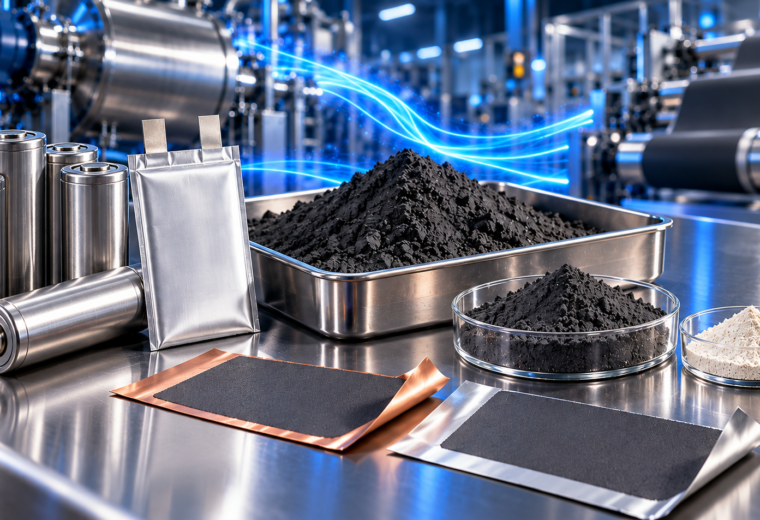
Cathode materials · Anode materials · Conductive additives · Graphite · Carbon materials · Electrode slurries · Ceramic materials · Nanomaterials · Moisture-sensitive powders
Explore industry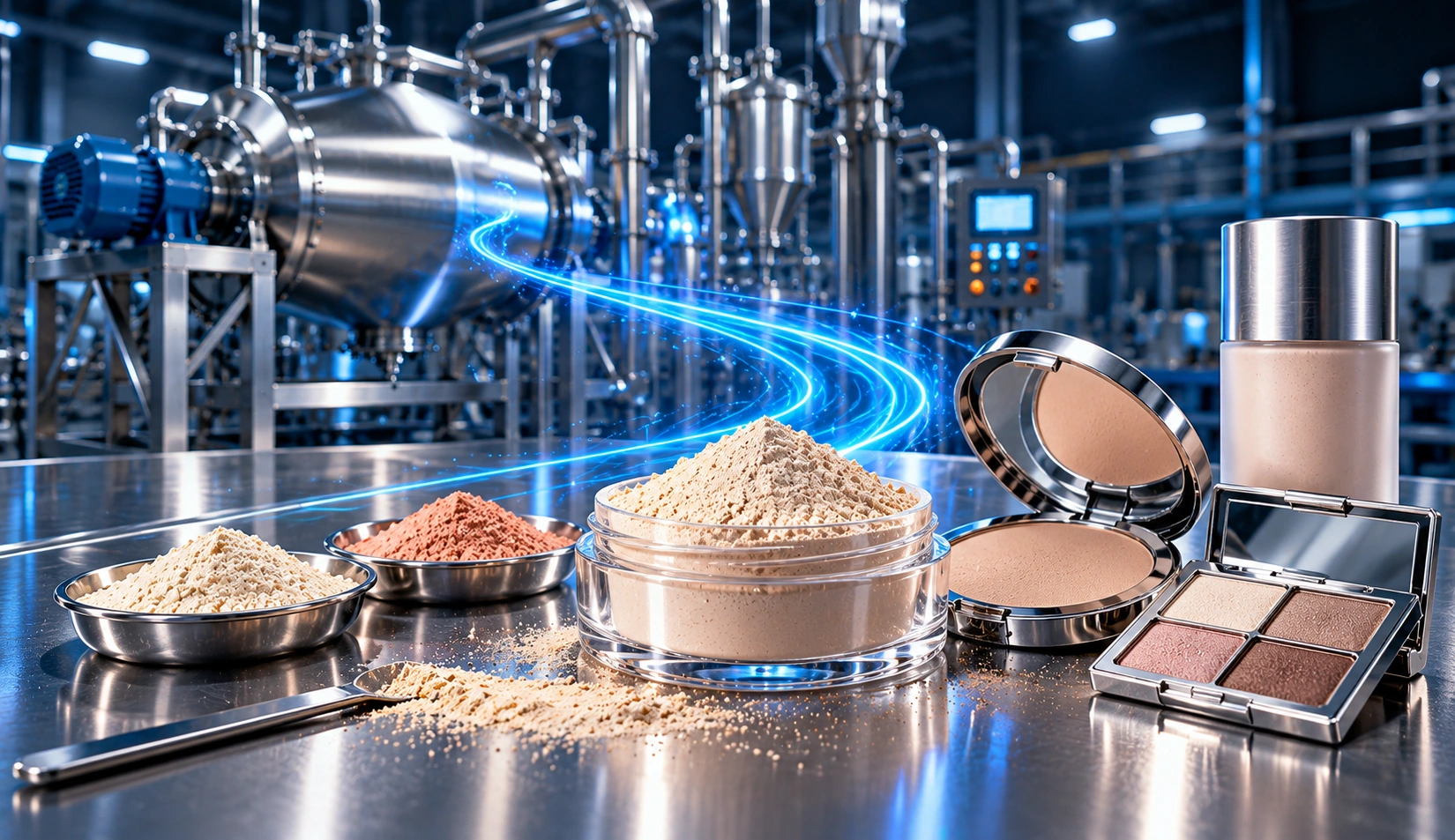
Creams · Gels · Lotions · Color dispersions · Sunscreen formulations · Serums · High-viscosity products · Foam-sensitive formulations
Explore industry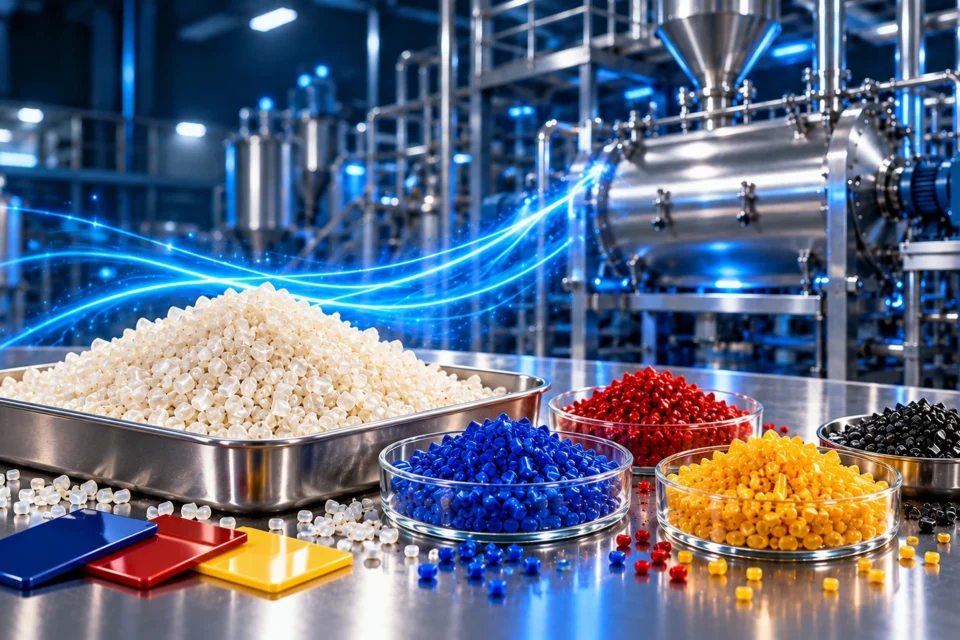
Resin systems · Polymer solutions · Filled compounds · Masterbatch ingredients · Solvent-containing products · Reactive polymers · High-viscosity formulations
Explore industry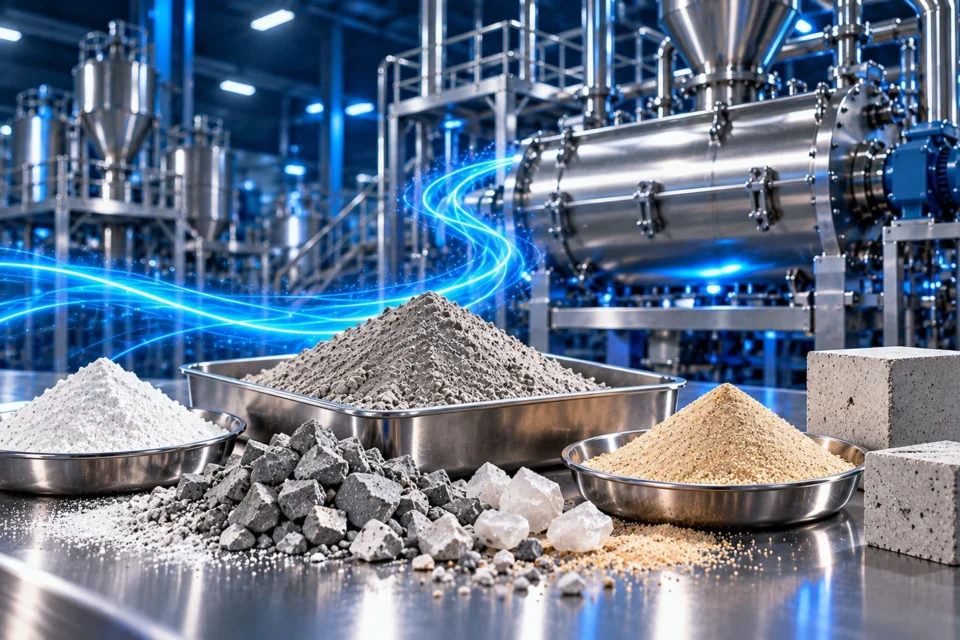
Ceramic powders · Catalyst carriers · Porous granules · High-purity minerals · Vacuum impregnation · Metal-sensitive products
Explore industry
Liquid supplements · Palatants · Nutrient concentrates · Biological products · Sensitive additives · Closed coating systems
Explore industryWhy QuantumX
QuantumX selects the agitation system around the material rather than forcing every product into one vacuum vessel.
Charging, mixing, liquid addition, sampling, atmosphere control and discharge can be integrated into one system.
Agitation continually renews the product surface and supports release of entrained gas.
Vacuum, inert-gas backfill and oxygen monitoring can be combined where required.
The vessel, seals, filters, piping and vacuum pump are selected around the actual gas and vapor load.
Selected systems can be designed for full vacuum, positive pressure and defined operating cycles.
ASME, PED, ATEX, high containment and sanitary requirements can be integrated when specified.
Potential construction includes stainless steel, Hastelloy, titanium, ceramic lining, glass lining and wear-resistant systems.
QuantumX can coordinate feeding, dosing, vacuum, thermal control, filtration, inerting, contained discharge and automation.
Application testing, FAT, controls documentation and project-specific qualification support can be included.
VACUUM MIXING APPLICATION REVIEW
Provide:
Upload material and safety data sheets, batch requirements, viscosity or rheology data, air-content information, oxygen targets, vacuum requirements, solvent data, hazardous-area information, containment requirements, P&IDs or facility drawings. Confirm an approved confidential communication channel before submitting proprietary formulations.
Frequently asked questions
An industrial vacuum mixer is an agitated process vessel designed to mix material at a controlled pressure below atmospheric pressure.
Common reasons include removing entrained air, reducing foam, lowering oxygen exposure, supporting closed processing and improving product density or filling consistency.
No. A vacuum mixer primarily uses reduced pressure for deaeration, oxygen control or closed processing. A vacuum mixer-dryer is engineered to remove a significant mass of moisture or solvent.
Limited incidental evaporation may occur. When drying or solvent removal is a principal objective, the project should be engineered as a vacuum mixer-dryer.
No. Standard PerMix mixers are atmospheric systems. Vacuum applications require a QuantumX vessel, seals, closures, filtration, controls and vacuum package designed for the duty.
Reduced pressure allows gas bubbles to expand. Agitation exposes interior material and helps move the gas toward the product surface, where it can leave the vessel.
Potentially, but the result depends on gas solubility, pressure, temperature, product composition, viscosity, surface area and residence time.
No. The achievable result depends on the product, process, analytical method, vacuum level, mixing geometry and cycle time.
Yes, in suitable formulations. However, the product may initially expand or foam during vacuum pull-down, so the pressure ramp and headspace must be engineered carefully.
Vacuum can reduce air and oxygen exposure. More demanding oxygen-control processes may require evacuation, inert-gas backfill and oxygen monitoring.
No. Leakage, trapped gas, charging and backfill conditions must be considered. An oxygen target should be measured rather than assumed.
Yes. QuantumX systems can include evacuation, nitrogen backfill, oxygen monitoring, purge sequencing and process interlocks.
The achievable operating pressure depends on vessel design, seals, product behavior, gas and vapor load, filtration, piping, condenser and vacuum-pump selection. It must be defined in absolute pressure units and under process conditions.
Absolute pressure directly defines the environment experienced by the product and avoids ambiguity caused by altitude and local atmospheric conditions.
No. Product gas release, evaporation, foaming, leakage and filter loading can change the operating pressure substantially.
Yes, when the vessel, agitator, seals and vacuum system are engineered for simultaneous operation.
Yes. The liquid should be metered and controlled to prevent flashing, uncontrolled flow, local wetting and backflow.
Yes, selected materials can be vacuum impregnated by evacuating trapped gas, adding liquid and then returning to atmospheric or controlled positive pressure.
Yes. Ribbon, paddle, plough, conical screw, double cone, fluidized-zone and other powder mixer geometries can be engineered for vacuum.
Yes. Double planetary, multi-shaft and sigma mixers can combine high-viscosity processing with vacuum deaeration.
The correct geometry depends on product form, viscosity, cohesion, fragility, batch size, required shear, liquid addition, vacuum objective, cleaning and discharge.
Yes. Thermal jackets, heated agitators, cooling systems and temperature controls can be integrated.
No. A condenser may not be necessary when the gas load is primarily noncondensable air and vapor release is minimal. It is commonly required when meaningful moisture, solvent or volatile material is released.
Selection depends on the required absolute pressure, evacuation time, gas and vapor load, leakage, solvent compatibility, filter pressure drop, condenser arrangement and utility availability.
Yes, for suitable applications. Seal-liquid compatibility, ultimate pressure, utility use and waste handling must be reviewed.
Yes. Dry-screw pumps can be appropriate where oil-free operation or solvent handling is important, subject to vapor, product and temperature review.
The filter helps prevent powder or droplets from leaving the vessel and reaching the condenser or vacuum pump.
Selected systems can use backpulse, gas purge, washing or another application-specific cleaning method.
Selected QuantumX systems can be designed for both conditions when positive pressure and vacuum cycles are included in the mechanical design basis.
No. Positive internal pressure and external pressure under vacuum are separate load cases.
Application-specific QuantumX systems can be engineered for ASME Section VIII and U-stamped construction when required.
Project-specific PED conformity can be evaluated for applicable European installations.
Yes. QuantumX can integrate vacuum construction with defined ATEX zones, material data, inerting and ignition-risk controls.
No. Air ingress, static, hot surfaces, mechanical friction, combustible dust and flammable vapor must still be evaluated.
Yes. Closed charging, high-integrity seals, safe-change filtration, contained sampling and contained discharge can be integrated.
Yes. Options can include 316L stainless steel, defined finishes, polished welds, sanitary seals, CIP, WIP and qualification-support documentation.
Yes, for suitable applications. Liner thickness, vacuum loading, static behavior, heat transfer and agitator clearances must be included in the original design.
Selected Hastelloy, nickel-alloy and titanium constructions can be evaluated based on corrosion, temperature, vacuum, pressure and fabrication requirements.
Application testing can be evaluated when material quantity, hazards, confidentiality, test procedure and acceptance criteria are agreed.
Provide the product, batch size, material properties, principal vacuum objective, required absolute pressure, air or oxygen target, temperature, gas or vapor load, vacuum or pressure cycles, construction, cleaning, containment and hazardous-area requirements.
QuantumX vacuum mixers
Request engineering support
Share your material and batch requirements. A PerMix engineer will review the application and recommend a mixer.