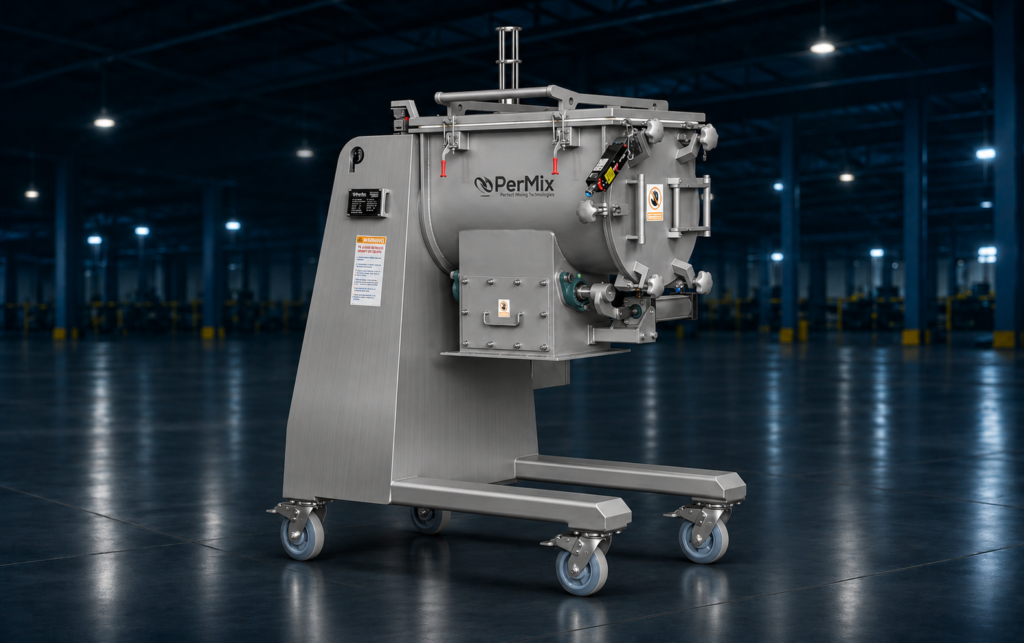
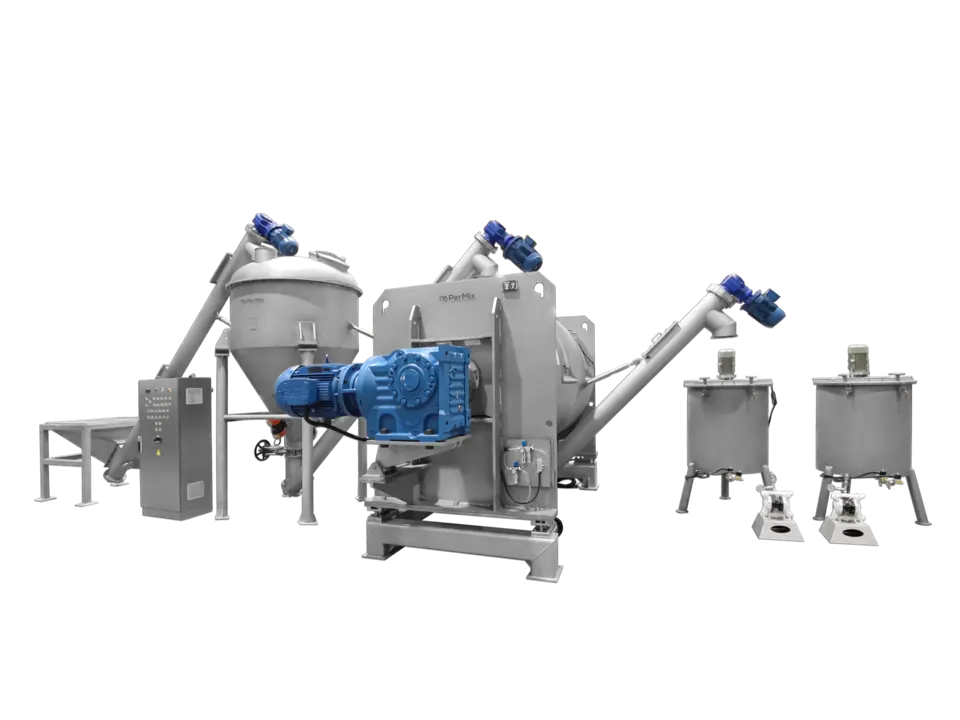
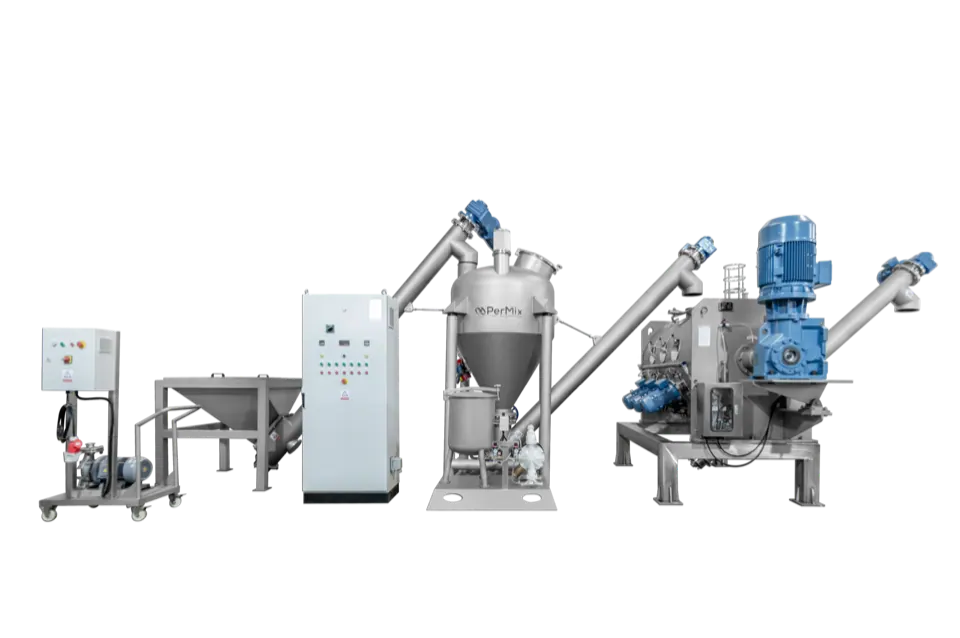
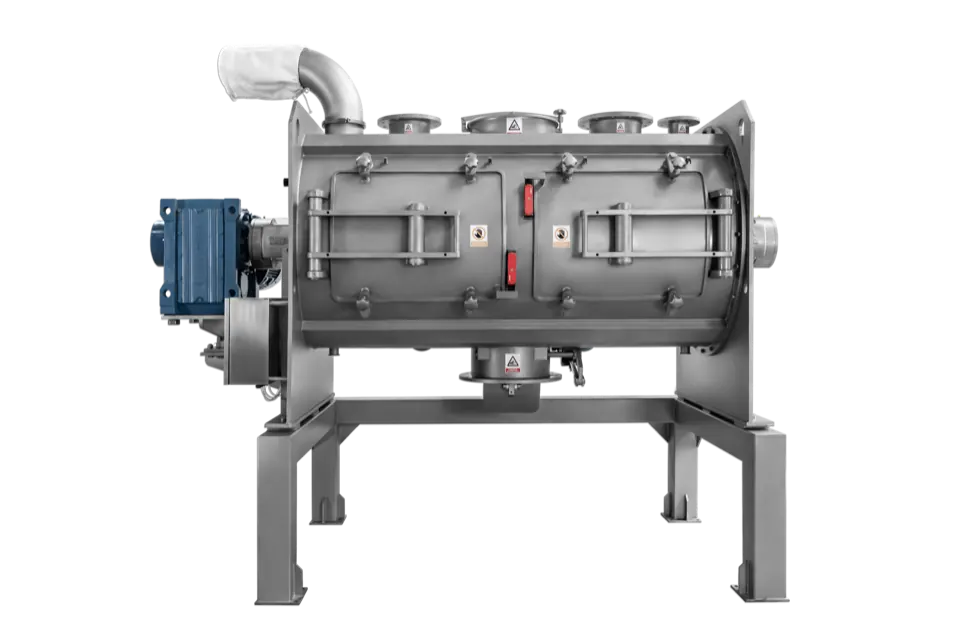
Stainless steel pharmaceutical processing vessels with white powder in a clean production room

Pharmaceutical & Nutraceutical Mixing Systems

Mixing Systems Engineered for Uniformity, Cleanability and Documented Control

Pharmaceutical and nutraceutical manufacturing requires more than placing ingredients into a vessel and selecting a mixing time.

The equipment must support repeatable processing, product-contact compatibility, cleaning, traceability, controlled material handling and the manufacturer’s documented quality system.

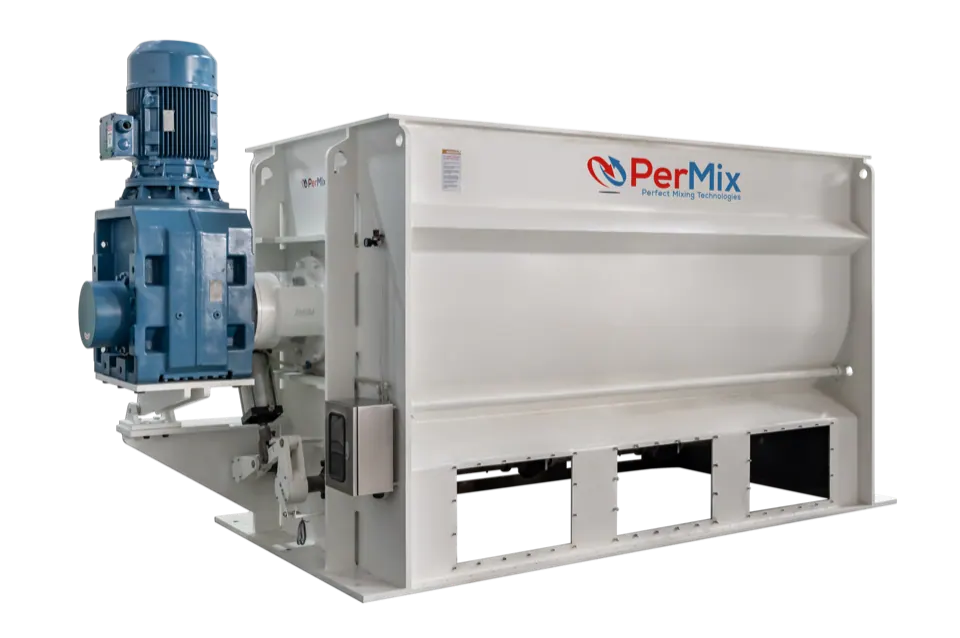
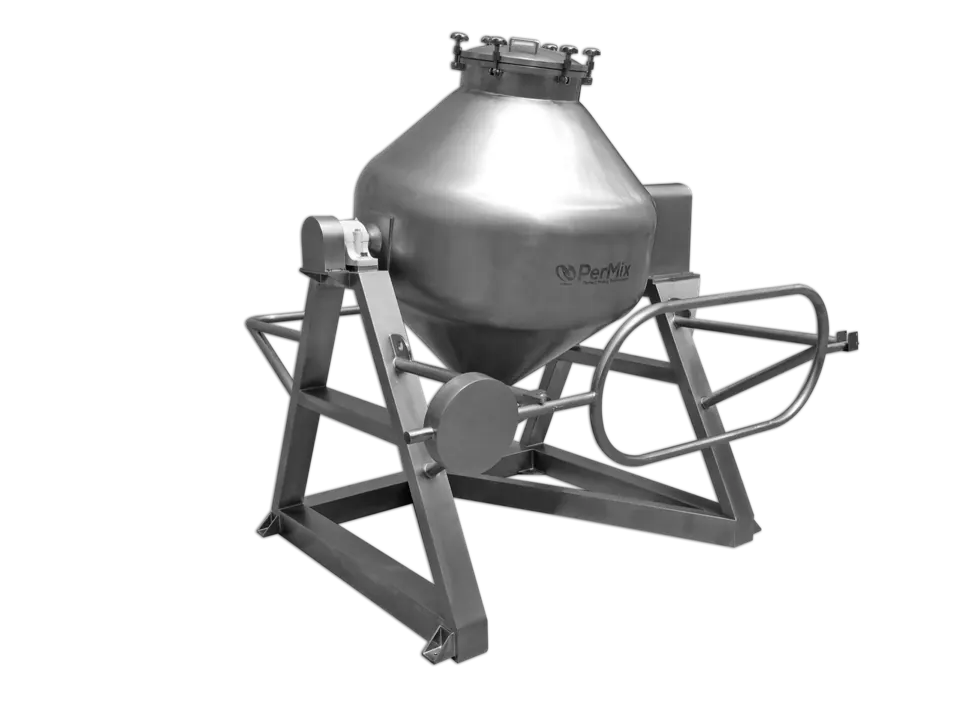
PerMix engineers standard ribbon, paddle, ploughshare and double cone mixers for atmospheric blending of pharmaceutical and nutraceutical powders, granules and selected damp products.

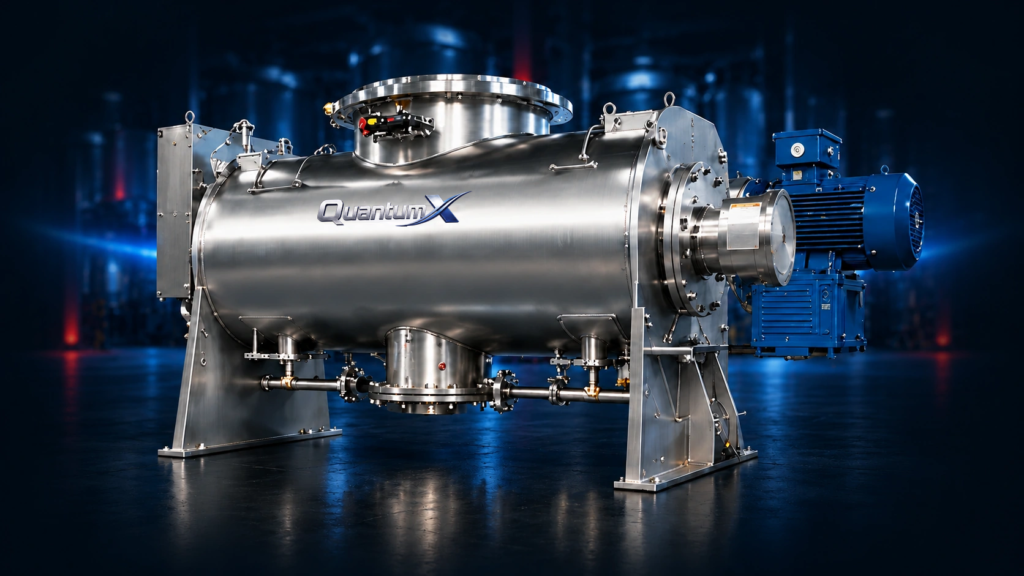
When the process requires vacuum, pressure, ASME, PED, ATEX, advanced thermal processing, solvent recovery, high containment or controlled atmosphere, the application moves into QuantumX.

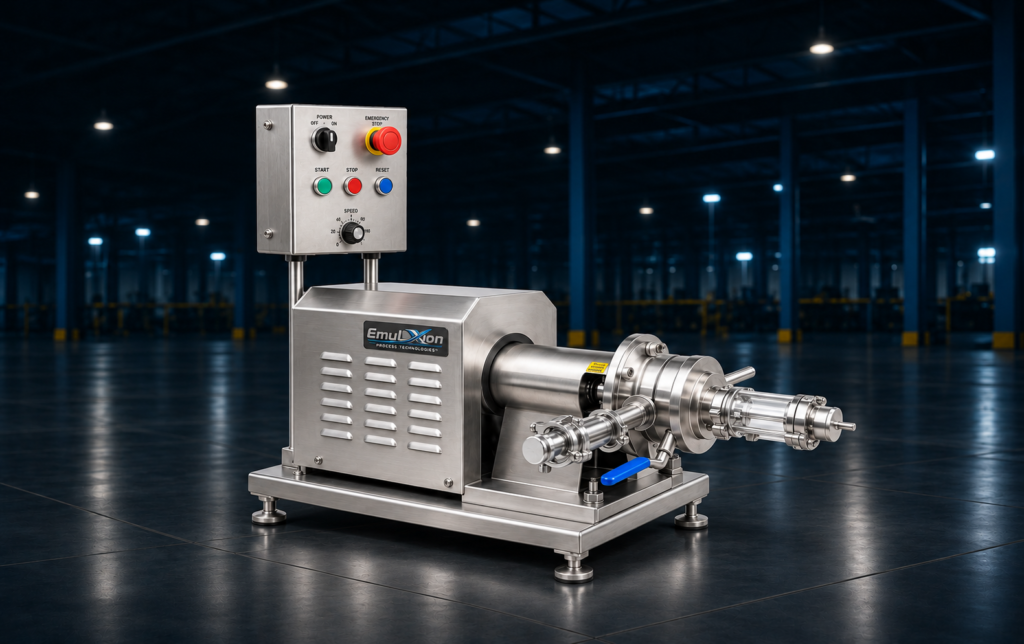
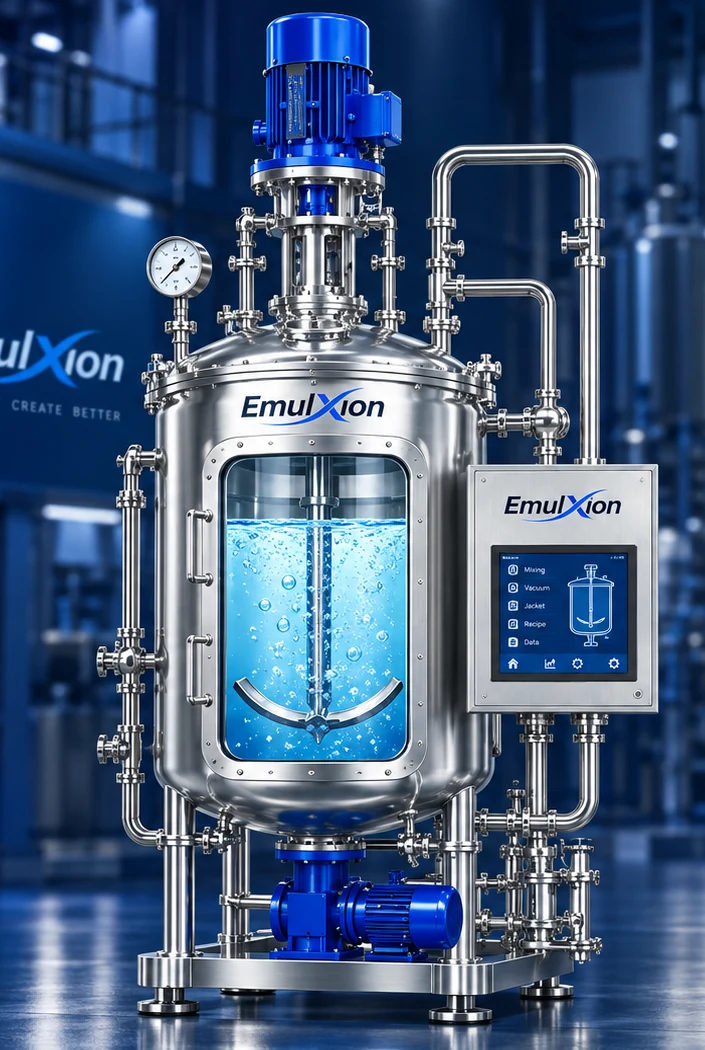
When the process has a liquid continuous phase and requires powder induction, dispersion, homogenization, emulsification or deaeration, it moves into EmulXion.

Submit Your Product and Batch Information

  • 01Cleanable pharmaceutical and nutraceutical mixer designs
  • 02Four standard powder-mixer families
  • 03High-containment and vacuum systems through QuantumX
  • 04Liquid processing through EmulXion
  • 05Project-specific documentation and FAT
  • 06North American application engineering

Pharmaceutical and Nutraceutical Processing Are Related—but Not Identical

The Product Category Changes the Regulatory and Documentation Basis

  1. 01Drug products

    Drug-product manufacturers operating in the United States may be subject to FDA current good manufacturing practice requirements in 21 CFR Parts 210 and 211. FDA describes these regulations as minimum requirements for the methods, facilities and controls used in manufacturing, processing and packing drug products.

  2. 02Dietary supplements

    Dietary-supplement manufacturers are governed by a separate cGMP framework under 21 CFR Part 111. That regulation includes requirements for equipment and utensils, automated systems, master manufacturing records, batch production records and quality-control operations.

PerMix does not apply the terms “GMP,” “validated” or “Part 11 compliant” as generic labels.

Instead, we define the equipment features, documentation and controls required to support the customer’s approved manufacturing and validation strategy.

The equipment pathway must therefore reflect:

  1. Product classification
  2. Intended use
  3. Manufacturing stage
  4. Facility quality system
  5. Required documentation
  6. Validation strategy
  7. Cleaning procedure
  8. Electronic-record scope
  9. Containment target
  10. Applicable regional regulations

Regulatory Readiness Is a System—not a Sticker

Equipment Can Support Compliance. It Does Not Create Compliance by Itself.

For finished pharmaceuticals, 21 CFR Part 211 requires equipment to be appropriately designed, adequately sized and suitably located for its intended use, cleaning and maintenance. Product-contact surfaces must not be reactive, additive or absorptive in a way that adversely affects the product, and equipment must be cleaned and maintained according to established procedures.

For dietary supplements, 21 CFR Part 111 requires equipment and utensils to be suitable for their intended use, adequately cleanable, properly maintained, corrosion-resistant where they contact product, made from nontoxic materials and able to withstand the process and cleaning environment. Automated or electronic equipment must be selected and operated so specifications are consistently met within required process limits.

These requirements influence decisions about:

  • Mixer geometry
  • Product-contact materials
  • Surface finish
  • Weld treatment
  • Access
  • Seals
  • Discharge
  • Cleaning
  • Calibration
  • Instrumentation
  • Documentation
  • Equipment identification
  • Controls
  • Maintenance procedures

The manufacturer remains responsible for its complete quality system, process validation, cleaning validation, procedures, training, data governance and batch release.

Three Processing Platforms

One Engineering Group. Three Defined Technology Pathways.

Dry blending

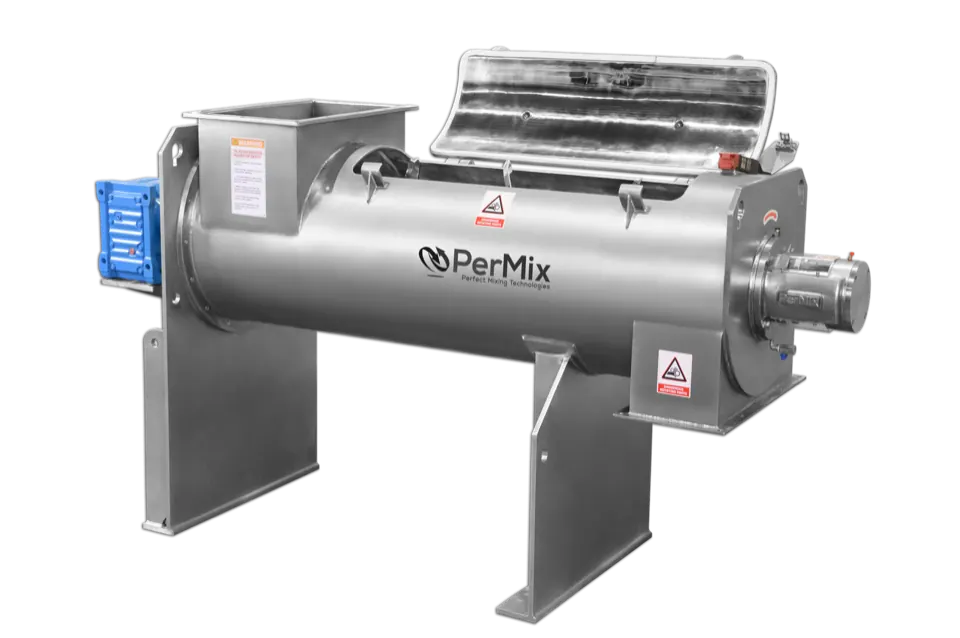
PerMix Ribbon Mixer

PerMix Standard Mixers

Atmospheric Mixing for Pharmaceutical and Nutraceutical Powders

The standard PerMix product range includes four principal mixer families:

Ribbon MixersPaddle MixersPloughshare MixersDouble Cone Mixers

Standard systems may include:
  • 304, 316 or 316L stainless-steel construction
  • Pharmaceutical-oriented sanitary fabrication
  • Defined product-contact surface finish
  • Ground and polished welds
  • Large access doors
  • Sanitary charging and discharge connections
  • Air- or gas-purged seals
  • Controlled liquid addition
  • Choppers or intensifiers where appropriate
  • Load-cell weighing
  • PLC/HMI controls
  • Recipe management
  • Ingredient-verification interfaces
  • Low-pressure, non-ASME heating and cooling jackets

Specialty

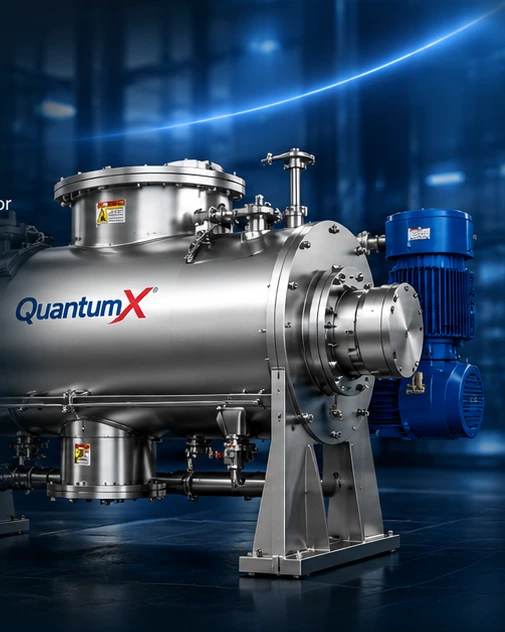
QuantumX stainless steel industrial mixer with blue drive motor

QuantumX Specialty Systems

When Atmospheric Blending Is Not Enough

Applications move into QuantumX when they require:

Vacuum mixingVacuum dryingPositive internal pressureASME constructionPED complianceATEX or hazardous-area executionNitrogen inertingOxygen monitoringSolvent handlingCondensation and recoveryHigh containmentClosed charging and dischargeAdvanced thermal processingReactive processingSpecialty metallurgyValidated automation supportIntegrated process skids

QuantumX pharmaceutical and nutraceutical systems can include:
  • Vacuum ribbon mixer-dryers
  • Vacuum paddle mixer-dryers
  • Vacuum plough mixer-dryers
  • Double cone vacuum dryers
  • Conical screw mixer-dryers
  • High-containment mixers
  • Pressure-rated mixers and reactors
  • Double planetary mixers
  • Multi-shaft systems
  • Sigma mixers and mixtruders
  • Integrated condensers, receivers and vacuum systems

Liquids

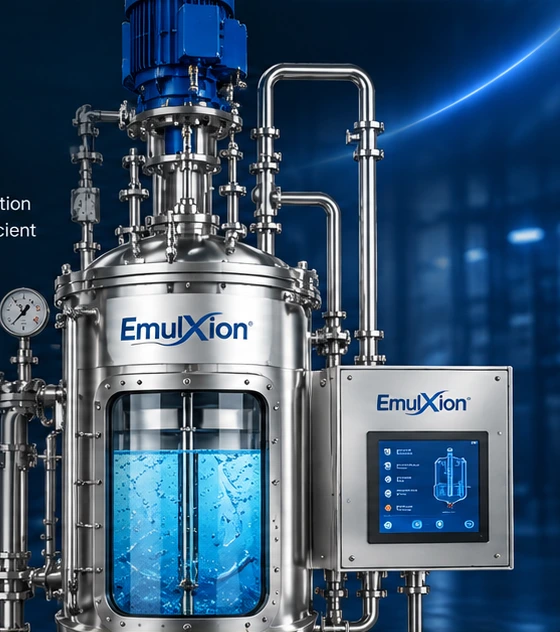
EmulXion stainless steel inline high shear mixer with control panel in an industrial plant

EmulXion Liquid Processing

Dedicated Engineering for Pharmaceutical and Nutraceutical Liquids

EmulXion serves applications such as:

Oral suspensionsSyrupsLiquid supplementsVitamin suspensionsBotanical extractsEmulsionsCreamsGelsTopical formulationsNutritional liquidsPowder wet-outHigh-shear dispersionHomogenizationVacuum deaeration

EmulXion equipment pathways include:
  • Batch agitators
  • Inline high-shear mixers
  • Powder-induction systems
  • Emulsifiers
  • Shear pumps
  • Homogenizers
  • High-pressure homogenizers
  • Vacuum emulsifying systems
  • Inline deaerators
  • Tanks, kettles and process vessels
  • Complete recirculating systems

Mixer Selection

Selecting the Right Pharmaceutical or Nutraceutical Mixer

PlatformMixing characterStrongest applicationsPrimary engineering questions
Ribbon Mixer Controlled axial and radial circulationExcipients, vitamin premixes, mineral blends, proteins, general supplement powders and larger production batchesRibbon width, pitch, active surface area, low-dose distribution, fill level and discharge
Paddle Mixer Gentle lifting and foldingFragile granules, agglomerated powders, coated particles, tablet granules and variable-density ingredientsPaddle width, angle, spacing, particle integrity and complete discharge
Ploughshare Mixer Mechanical fluidization and intensive dispersionCohesive powders, wetting, granulation, deagglomeration, coating and intensive liquid additionPlough profile, tip speed, choppers, heat generation, liquid addition and granule control
Double Cone Mixer Gentle tumble blendingFree-flowing APIs, excipients, crystals, fragile granules and small high-value batchesFlowability, fill level, rotational speed, density differences, sampling and segregation
QuantumX Application-specificVacuum drying, high containment, solvent removal, inerting, pressure and advanced thermal processingContainment target, vacuum, vapor load, thermal duty, pressure, code and controls
EmulXion Agitation, high shear, dispersion and homogenizationSuspensions, syrups, emulsions, topical products and liquid supplementsViscosity, powder wet-out, particle size, droplet size, temperature and deaeration

Not sure which row fits? Tell us the material, the batch and what the current process must improve — we will narrow it down.

Use the Mixer Selection Engine

01Uniformity

Blend Uniformity at Low Inclusion Rates

Pharmaceutical and nutraceutical formulas may contain active or functional ingredients at very low inclusion levels.

Examples can include:

APIsVitaminsMineralsFlavorsColorsSweetenersFlow aidsLubricantsEnzymesProbioticsBotanical activesTrace functional ingredients

Uniformity depends on more than batch time.

The engineering review must consider:

Ingredient concentrationParticle sizeParticle-size distributionDensity differencesParticle shapeElectrostatic behaviorAgglomerationLoading sequencePreblending strategyMixer fillAgitator geometrySampling methodDischargeDownstream transfer

A mixer can create visible movement while failing to distribute a low-dose component uniformly.

PerMix evaluates the circulation pattern and ingredient-addition strategy as one system.

02Segregation

Segregation After the Mixer Stops

A blend may meet uniformity requirements inside the mixer and then separate during:

DischargeFree fallPneumatic conveyingScrew conveyingIntermediate storageTablet-press feedingCapsule-filler feedingVibrationPackagingTransportation

Segregation risk increases when ingredients differ substantially in:

Particle sizeDensityShapeSurface textureFlowability

PerMix therefore evaluates:

Mixer dischargeValve sizeEmptying rateHopper geometryConveying methodDrop heightSurge storageDownstream feeding

Blend uniformity must survive the complete process—not only the mixing cycle.

03Changeover

Cross-Contamination and Product Changeover

Shared pharmaceutical and supplement equipment may process:

Multiple activesMultiple strengthsAllergensBotanicalsFlavorsColorsHigh-potency materialsSensitizing materialsProducts with different cleaning limits

Equipment features that can support changeover include:

Smooth internal geometryDefined product-contact finishGround and polished weldsReduced product trapsFlush discharge valvesLarge access doorsAccessible shaft sealsRemovable spray devicesDrainable arrangementsWash-in-place provisionsClean-in-place conceptsDocumented inspection points

The correct design depends on the customer’s cleaning procedure, analytical method and acceptance criteria.

04Containment

Operator Exposure and Containment

Pharmaceutical and nutraceutical materials may require control of:

Dust during chargingShaft-seal leakageSampling exposureFilter maintenanceProduct dischargeCleaning exposureResidual materialWaste handling

The engineering basis should define:

Material hazardCustomer OEL or exposure limitCustomer OEB or containment bandBatch massDustinessCharging methodSampling methodCleaning methodDischarge methodMaintenance strategy

Containment options can include:

Closed chargingVacuum conveyingContained bag dumpingGlovebox interfacesSplit-butterfly valvesHigh-integrity shaft sealsGas-purged sealsClosed samplingFiltered ventingContained dischargeWash-in-placeClean-in-place

High-containment applications move into QuantumX.

QuantumX

05Hold-up

Product Loss and Residual Hold-Up

High-value pharmaceutical and nutraceutical ingredients make residual product especially important.

Hold-up can affect:

YieldBatch reconciliationPotencyCleaning limitsCross-contaminationWasteoperator exposurebatch records

Residual material may remain around:

Shaft supportsagitator clearancesvalve transitionsaccess doorsspray nozzlessealsvessel cornersdownstream connections

PerMix evaluates vessel geometry, agitator clearances, surface finish, discharge design and operating sequence to reduce avoidable hold-up.

06Integrity

Fragile Granules, Agglomerates and Coated Particles

Many pharmaceutical and supplement products must retain:

Granule structureCoating integrityParticle sizeDissolution characteristicsflow behaviorcompressibilityappearance

Potentially sensitive products include:

Wet- or dry-granulated materialsSpray-dried powdersAgglomerated proteinsCoated mineralsControlled-release granulesEncapsulated ingredientsFreeze-dried materialsProbiotic carriers

The engineering review considers:

Agitator typetip speedparticle impactbatch timeloading methoddischarge methoddrop heightchopper use

Paddle or double cone mixing may provide a stronger pathway than intensive plough mixing when particle integrity is critical.

Paddle MixerDouble Cone Mixer

07Botanicals

Cohesive Botanicals and Fine Nutraceutical Powders

Botanical and nutritional materials may be:

Fibrouselectrostatichygroscopiclow densityoilycohesivevariable from lot to lot

These characteristics can lead to:

Bridgingpoor circulationclumpingwall buildupinaccurate feedingdifficult dischargelong cleaning cycles

Mixer selection may depend on:

Whether the material can circulate through a ribbonWhether paddle lifting is more effectiveWhether plough fluidization is requiredWhether a chopper is neededWhether vacuum drying or conditioning is required

Testing may be appropriate where raw-material variability is significant.

08Moisture

Moisture, Solvents and Thermal Sensitivity

Pharmaceutical and nutraceutical materials may contain or retain:

WaterEthanolIsopropanolProcess solventsBound moistureResidual wash liquid

The process may require:

Controlled dryingLow product temperatureOxygen reductionSolvent recoveryCondensationMoisture endpoint controlClosed discharge

Applications requiring vacuum drying move into QuantumX.

The system must be engineered around:

Initial moisture or solventFinal endpointBatch massproduct thermal propertiesboiling behaviorvacuum leveljacket temperaturecondenser dutyreceiver capacityvapor filtrationinertinghazardous-area requirements

A vacuum dryer must be designed from a mass and energy balance—not simply from vessel volume.

QuantumX

09Safety

Dust and Explosion Risk

OSHA identifies pharmaceuticals among the materials that can become explosible when present as sufficiently fine combustible dust under suitable conditions. The facility must evaluate the actual material, particle size, concentration, ignition sensitivity and process environment rather than assuming that a pharmaceutical or supplement powder is nonhazardous.

Depending on the project basis, the equipment review may include:

Dust-tight constructionGrounding and bondingClassified electrical equipmentExplosion protectionIsolationInertingNitrogen purgeOxygen monitoringDust collection interfacesATEX executionFacility-specific NFPA requirements

Hazardous-area applications move into QuantumX.

QuantumX

Hygienic and Pharmaceutical-Oriented Equipment Design

Cleanability Begins with Geometry

A polished surface cannot compensate for an inaccessible crevice, trapped product or poorly designed seal.

The sanitary design review should include:

  • Vessel geometry
  • Agitator geometry
  • Shaft supports
  • Seal location
  • access doors
  • inlet and outlet connections
  • spray devices
  • internal ledges
  • weld transitions
  • drainability
  • removable components
  • inspection access

211111

For finished pharmaceuticals, 21 CFR Part 211 requires equipment to be appropriately designed and located to facilitate its intended use, cleaning and maintenance; it also requires written cleaning and maintenance procedures.

For dietary supplements, 21 CFR Part 111 requires equipment to be suitable for intended use, adequately cleanable and properly maintained, with appropriate product-contact materials.

Product-Contact Materials and Surface Finishes

01General

304

304 Stainless Steel

May be suitable for selected general nutraceutical or pharmaceutical-support applications where product chemistry and cleaning methods permit.

02Pharma

316/316L

316 and 316L Stainless Steel

Frequently evaluated for pharmaceutical, nutraceutical and high-purity product-contact construction because of its corrosion resistance and broad fabrication familiarity.

Options can include:

  • Defined internal surface finish
  • Ground and polished welds
  • Electropolishing
  • Passivation
  • Sanitary fittings
  • Documented product-contact materials

03Specialty

Duplex

Duplex and Specialty Stainless Steels

May be considered where standard stainless grades do not provide the required corrosion resistance, strength or thermal performance.

04Alloys

Ni

Hastelloy and Nickel Alloys

Can be evaluated for corrosive products, solvents, intermediates or cleaning environments.

05Purity

Ti

Titanium

May be considered for selected chloride-sensitive, high-purity or corrosion-intensive applications.

06Abrasion

Ceramic

Ceramic-Lined Construction

Can support selected abrasive or metallic-contamination-sensitive materials, including:

  • Mineral supplements
  • Ceramic excipients
  • High-purity powders
  • Specialty actives

Liner thickness, attachment method, clearances, impact and thermal conditions must be incorporated into the original design.

07Corrosion

Glass

Glass-Lined Systems

May be appropriate for selected corrosive, high-purity or solvent-processing applications under QuantumX.

Surface Finish Should Be Specified—not Implied

The term “sanitary finish” is not sufficiently precise by itself.

The project should define:

  1. Product-contact surface requirement
  2. Measurement basis
  3. Weld finish
  4. Electropolishing requirement
  5. Passivation requirement
  6. Exterior finish
  7. Documentation
  8. Inspection method
  9. Acceptance criteria

The required finish should reflect:

  • Product adhesion
  • Cleaning method
  • contamination risk
  • customer standards
  • validation strategy

A finer finish is not automatically better for every product. The correct finish must balance cleanability, fabrication, inspection and process performance.

Seals and Product-Contact Boundaries

Shaft sealing may become one of the most important parts of the mixer.

Bearings should remain outside the product zone wherever practical.

Seal selection should consider:

  • Product fineness
  • Dustiness
  • Toxicity
  • Potency
  • Vacuum
  • Internal pressure
  • Solvent exposure
  • Cleaning method
  • Temperature
  • Containment target

Potential seal systems can include:

  • Packing glands
  • Lip seals
  • Labyrinth seals
  • Air-purged seals
  • Nitrogen-purged seals
  • Mechanical seals
  • Double mechanical seals
  • Barrier-fluid systems
  • Vacuum-rated seals
  • High-containment seal arrangements

Cleaning Strategy

Define How the Mixer Will Be Cleaned Before Finalizing the Design

AMethodsThe equipment configuration depends on whether the plant uses:

  1. Dry manual cleaning
  2. Vacuum cleaning
  3. Wipe-down cleaning
  4. Manual wet washing
  5. Wash-in-place
  6. Clean-in-place
  7. Automated spray cleaning
  8. Validated campaign cleaning
  9. Dedicated-product operation

BQuestionsQuestions to resolve include:

  1. What residues remain after discharge?
  2. Is water permitted?
  3. Which cleaning agents are used?
  4. Must the equipment drain completely?
  5. Which components require removal?
  6. How will seals be cleaned?
  7. How will effectiveness be measured?
  8. Are swab or rinse samples required?
  9. What are the residue limits?
  10. What is the required changeover time?

CDesignThese answers influence:

  • Access-door size
  • Removable components
  • spray-device location
  • seal arrangement
  • drain points
  • surface finish
  • valve design
  • controls
  • documentation

Standard PerMix Pharmaceutical and Nutraceutical Mixers

01

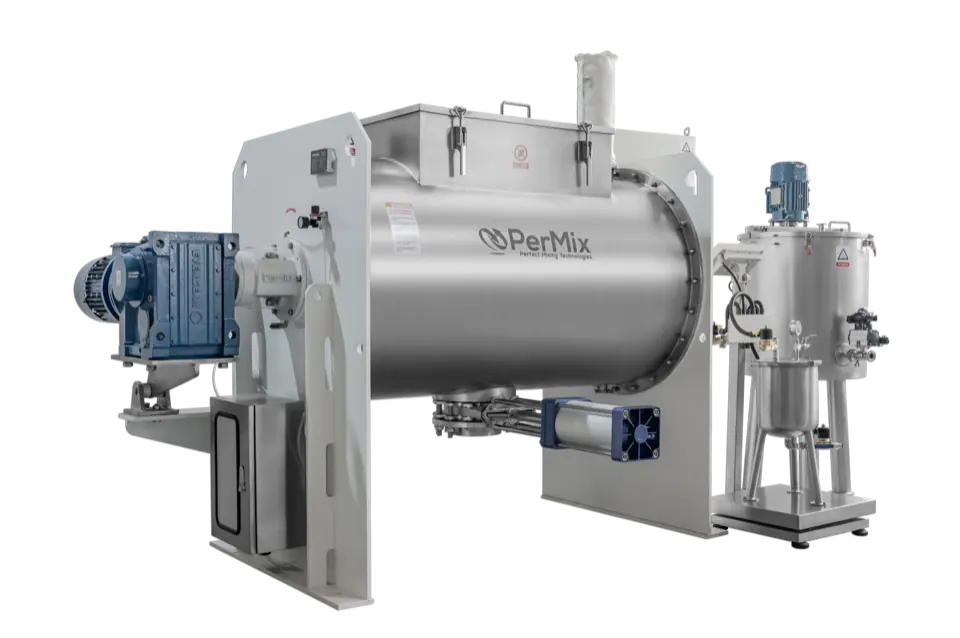
PerMix polished stainless steel ribbon mixer

Ribbon Mixers

Controlled Convective Blending for Powders and Premixes

Ribbon mixers can be strong candidates for:

Excipientsvitamin premixesmineral blendsprotein powdersgeneral supplement blendstablet and capsule premixeslow-percentage ingredient distributionlarger production batches

Engineering priorities include:

Ribbon widthribbon pitchinner-to-outer flow balanceactive surface areafill levellow-dose distributioncomplete dischargeshaft sealscleaning access

02

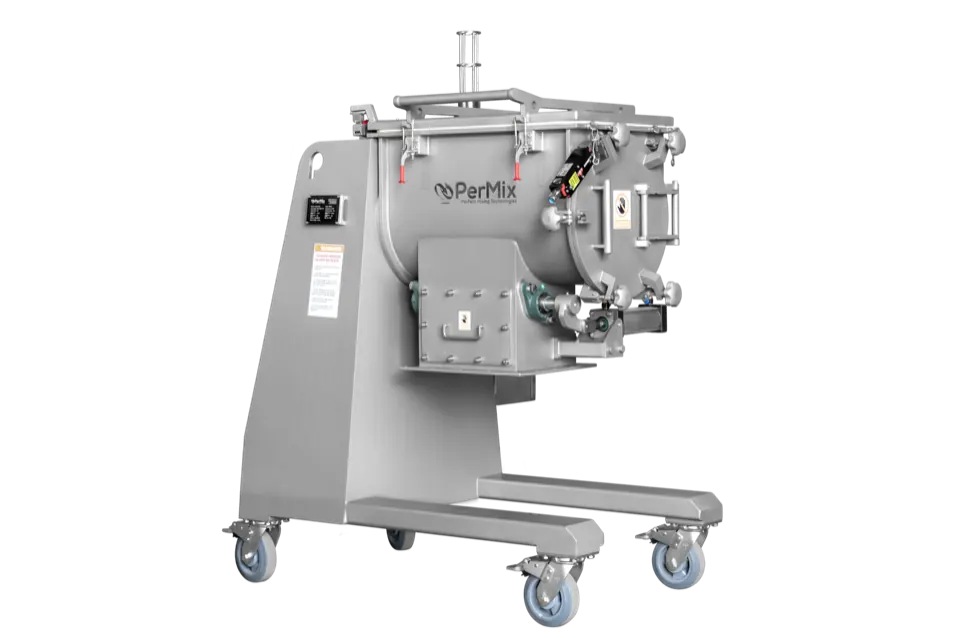
PerMix stainless steel paddle mixer

Paddle Mixers

Gentle Blending for Fragile and Variable-Density Materials

Paddle mixers can be strong candidates for:

Fragile granulesagglomerated powderscoated particlesprobioticsbotanical blendstablet granulesvariable-density ingredientsproducts requiring open agitator geometry

Engineering priorities include:

Paddle widthpaddle anglespacingsweepparticle integritylow-dose distributiondischargecleanability

03

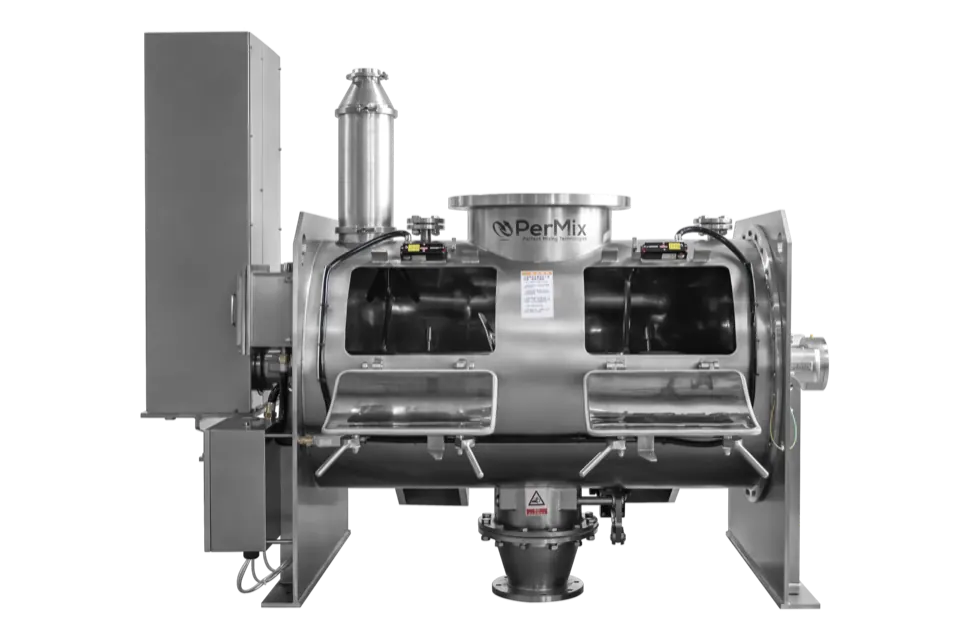
PerMix stainless steel ploughshare mixer with open access doors

Ploughshare Mixers

Intensive Mixing, Wetting and Deagglomeration

Ploughshare mixers can be strong candidates for:

Cohesive powderswettingcoatingagglomerationgranulationdeagglomerationdifficult botanical powdersintensive liquid addition

Engineering priorities include:

Plough profileattack angletip speedzone overlapchopper placementheat generationgranule controlcleaning

04

PerMix stainless steel double cone mixer

Double Cone Mixers

Gentle Tumble Blending with Simple Product-Contact Geometry

Double cone mixers can be strong candidates for:

Free-flowing APIsexcipientscrystalsfragile granuleshigh-value small batcheslow-shear blendsproducts requiring minimal internal tooling

Engineering priorities include:

Cone anglefill levelrotational speeddensity differencessegregation riskdischargedynamic balanceloading and containment

QuantumX Pharmaceutical and Nutraceutical Systems

Vacuum Mixer-Dryers

QuantumX vacuum mixer-dryers can combine:

Mixingheatingcoolingvacuumvapor removalcondensationinertingclosed discharge

Available mixer-dryer pathways can include:

  • Ribbon mixer-dryers
  • paddle mixer-dryers
  • plough mixer-dryers
  • double cone vacuum dryers
  • conical screw mixer-dryers

Potential applications include:

Pharmaceutical intermediatesAPIssolvent-wet powdersbotanical extractshigh-value nutraceutical ingredientsmoisture-sensitive materialsoxygen-sensitive productsheat-sensitive products

High-Containment Mixers

QuantumX containment concepts can include:

  • Closed product charging
  • Vacuum transfer
  • Glovebox interfaces
  • Split-butterfly valves
  • High-integrity shaft seals
  • Contained sampling
  • Filtered venting
  • Contained discharge
  • Wash-in-place
  • Clean-in-place
  • Integrated isolation

The project must define the required containment or exposure target before final design.

Pressure-Rated and Code-Rated Systems

Applications requiring internal pressure, ASME, PED or combined vacuum-and-pressure cycles move into QuantumX.

The design review may include:

  1. Operating pressure
  2. design pressure
  3. operating temperature
  4. design temperature
  5. pressure cycles
  6. vacuum cycles
  7. vessel code
  8. relief interfaces
  9. shaft seals
  10. access doors
  11. jacket interaction
  12. process instrumentation

ATEX and Hazardous-Area Systems

QuantumX systems can be engineered around a defined hazardous-area basis.

Required project information can include:

  1. Zone or division
  2. gas or dust hazard
  3. gas or dust group
  4. temperature class
  5. ignition data
  6. Kst and Pmax
  7. minimum ignition energy
  8. limiting oxygen concentration
  9. inerting requirement
  10. facility protection strategy

EmulXion Pharmaceutical and Nutraceutical Processing

Liquid Products Require a Dedicated Process Pathway

EmulXion vacuum liquid processing system

EmulXion serves applications such as:

Oral suspensionsliquid supplementsvitamin suspensionsbotanical extractssyrupsemulsionscreamsgelstopical productsnutritional beveragespowder-to-liquid incorporation

Potential equipment includes:

  • Sanitary batch agitators
  • inline high-shear mixers
  • powder-induction systems
  • vacuum emulsifying systems
  • homogenizers
  • high-pressure homogenizers
  • inline deaerators
  • process vessels
  • complete recirculation systems

Engineering considerations include:

Viscosityshear sensitivitysolids loadingpowder wet-outparticle-size targetdroplet-size targettemperaturevacuumdeaerationcleaningbatch or continuous operation

Pharmaceutical and Nutraceutical Application Segments

Segment 01 / 06PerMix stainless steel double cone mixer

Oral Solid-Dose Blends

Applications can include:

Tablet blendscapsule-fill blendsdirect-compression blendsgranulated productslubricated blendslow-dose active blends

Engineering priorities can include:

Blend uniformitylow-dose distributiongranule protectionlubricant overmixing riskdischarge segregationcomplete batch reconciliationdownstream press or capsule-filler feeding

Likely pathways:

  1. 01Ribbon MixerPerMix
  2. 02Paddle MixerPerMix
  3. 03Double Cone MixerPerMix
  4. 04Ploughshare Mixer for selected granulation or intensive processingPerMix

Controls, Batch Records and Electronic Data

Controls Should Reflect the Customer’s Approved Quality System

For drug products, 21 CFR Part 211 requires master production and control records and batch production records containing complete manufacturing and control information. Dietary-supplement cGMP similarly requires a master manufacturing record for each formulation and batch size, plus a batch production record for every manufactured batch.

Where electronic records or electronic signatures are used within the scope of FDA record requirements, 21 CFR Part 11 establishes controls concerning authenticity, integrity, access, audit trails, record retention and electronic signatures. The customer must define the intended use and validate the complete system within its regulated environment.

Systems can be configured with:

  • PLC and HMI
  • Siemens or Allen-Bradley controls
  • Recipe management
  • Ingredient verification
  • Barcode scanning
  • Load-cell weighing
  • Automatic ingredient sequencing
  • Mixing-time control
  • Speed profiles
  • Temperature control
  • Vacuum control
  • Pressure monitoring
  • Nitrogen inerting
  • Oxygen monitoring
  • Alarm history
  • Batch reporting
  • User access levels
  • Audit-trail capability
  • Data export
  • Remote support

Part 11

Part 11-compatible control features are available where required. Final Part 11 applicability, validation and procedural compliance remain the responsibility of the regulated manufacturer.

Documentation and Validation Support

Define the Documentation Package Before the Order

Depending on project scope, PerMix and QuantumX documentation can include:

  1. User requirements review
  2. Design qualification support
  3. General arrangement drawings
  4. P&IDs
  5. Electrical drawings
  6. Instrument lists
  7. Control narrative
  8. Functional specification
  9. Material certificates
  10. Surface-finish documentation
  11. Weld documentation
  12. Passivation records
  13. Electropolishing records
  14. Seal and elastomer documentation
  15. Motor and gearbox data
  16. Calibration certificates
  17. Pressure-test records
  18. Vacuum-test records
  19. FAT protocol
  20. FAT report
  21. Operating manual
  22. Maintenance manual
  23. Spare-parts list
  24. Recommended calibration schedule
  25. IQ protocol
  26. OQ protocol
  27. Traceability matrix
  28. Software documentation
  29. Backup and restore instructions

The precise deliverable package must be defined contractually.

Factory Acceptance Testing

Verify Agreed Functions Before Shipment

01Scope

FAT scope can include:

  1. Mechanical inspection
  2. Agitator or vessel rotation
  3. Speed range
  4. Noise and vibration
  5. Controls
  6. Interlocks
  7. Emergency stops
  8. Load-cell verification
  9. Recipe operation
  10. User-access levels
  11. Alarm functions
  12. Ingredient sequencing
  13. Liquid addition
  14. Temperature control
  15. Vacuum performance
  16. Pressure testing where applicable
  17. Nitrogen-purge sequence
  18. Oxygen monitoring
  19. Discharge operation
  20. Guarding
  21. Cleaning access
  22. Documentation review

02Protocol

When product testing is included, the protocol should define:

  1. Material quantity
  2. Loading sequence
  3. Mixing speed
  4. Mixing time
  5. Sampling plan
  6. Analytical method
  7. Acceptance criteria
  8. Discharge method
  9. Residual hold-up assessment
  10. Cleaning procedure

Complete Process Integration

PerMix, QuantumX and EmulXion systems can integrate with:

  1. Contained bag-dump stations
  2. Glovebox loading
  3. Drum tipping
  4. IBC charging
  5. Split-butterfly valves
  6. Vacuum conveying
  7. Pneumatic conveying
  8. Loss-in-weight feeders
  9. Minor-ingredient dispensing
  10. Milling
  11. Delumping
  12. Screening
  13. Sifting
  14. Metal detection
  15. Intermediate bulk containers
  16. Tablet-press feeding
  17. Capsule-filler feeding
  18. Filling
  19. Packaging
  20. Checkweighing
  21. Serialization interfaces

The engineering review should account for how transfer and storage influence:

Segregationcontaminationexposureyieldbatch identitycleaningcycle time

Why Pharmaceutical and Nutraceutical Manufacturers Choose PerMix

  • 01

    Process-First Selection

    We evaluate the formulation and manufacturing objective before selecting the mixer family.

  • 02

    Four Defined Standard Technologies

    Ribbon, paddle, ploughshare and double cone mixers provide distinct material-movement pathways.

  • 03

    Clear QuantumX Transition

    Vacuum, pressure, ASME, PED, ATEX, high containment and advanced thermal duties move into a dedicated specialty platform.

  • 04

    Dedicated Liquid-Processing Platform

    Liquid suspensions, emulsions, homogenization and powder induction move into EmulXion.

  • 05

    Agitator Engineering

    Ribbon geometry, paddle arrangement, plough profile and tumble conditions are selected around the product.

  • 06

    Cleanability by Design

    Access, welds, seals, discharge and surface finish are reviewed together.

  • 07

    Specialty Materials

    Options can include 316L stainless steel, Hastelloy, titanium, ceramic liners, glass lining and application-specific construction.

  • 08

    Documentation Defined by Scope

    FAT, material traceability, calibration and validation-support documents can be specified before order placement.

  • 09

    Process Integration

    Mixers can be connected to contained loading, conveying, screening, milling and downstream filling.

  • 10

    Lifecycle Support

    Spare parts, service, troubleshooting, upgrades and preventive-maintenance support remain available after delivery.

Pharmaceutical & Nutraceutical Application Review

Tell Us About the Formulation, Risk and Validation Basis

To recommend a system, our engineers review:

  1. Drug, supplement or intermediate classification
  2. Product or formulation
  3. Batch mass
  4. Loose and packed bulk density
  5. Minimum and maximum batch size
  6. Particle size and shape
  7. Flowability
  8. Cohesiveness
  9. Fragility
  10. Abrasion
  11. Active or functional ingredient percentage
  12. Required blend uniformity
  13. Containment or exposure target
  14. Liquid-addition percentage
  15. Initial moisture or solvent
  16. Final moisture or solvent target
  17. Heating or cooling
  18. Vacuum requirement
  19. Operating and design pressure
  20. Inerting requirement
  21. Hazardous-area classification
  22. Product-contact material
  23. Surface-finish requirement
  24. Cleaning method
  25. Validation requirements
  26. Electronic-record requirements
  27. Loading method
  28. Sampling method
  29. Discharge method
  30. Downstream process
  31. Desired cycle time
  32. Available utilities and footprint

Upload approved material data, safety data sheets, batch requirements, containment information, cleaning requirements, URS extracts or facility drawings. Confirm an approved confidential communication channel before submitting proprietary formulas, active concentrations or trade-secret process information.

Request a Pharma Mixer Recommendation

FAQ

Frequently Asked Questions

Got more questions?Ask an engineer

What mixer is best for pharmaceutical powders?

The correct mixer depends on flowability, active concentration, particle size, density variation, fragility, cleaning, containment and downstream handling. Ribbon, paddle, ploughshare and double cone mixers produce different material movement.

What is the difference between pharmaceutical and nutraceutical mixer requirements?

Both may require controlled blending and cleanability, but the applicable regulatory, documentation, validation and quality-system requirements can differ. U.S. finished pharmaceuticals generally fall under Parts 210 and 211, while dietary supplements are subject to Part 111.

Can PerMix supply cGMP-oriented equipment?

PerMix can engineer equipment features and documentation to support a customer’s cGMP manufacturing strategy. Compliance belongs to the customer’s complete facility, procedures, quality system and validated process.

Is PerMix equipment “GMP certified”?

GMP is not a universal equipment certification. The machine can be designed using project-specific hygienic, material, documentation and control requirements intended to support the customer’s regulated process.

Can PerMix provide 316L stainless-steel construction?

Yes. 316 and 316L stainless steel can be specified for appropriate pharmaceutical and nutraceutical product-contact applications.

Are electropolishing and passivation available?

Yes, where specified. The required finish, treatment, inspection method and documentation should be defined before final design.

Can the mixer support low-dose active distribution?

Yes, depending on the product and required uniformity. Particle size, density, preblending, loading sequence, fill level, agitator geometry and sampling method must be evaluated together.

Can PerMix supply high-containment mixers?

Yes. QuantumX systems can include closed charging, contained sampling, high-integrity seals, filtered venting and contained discharge according to the customer’s containment basis.

Can the equipment be cleaned in place?

CIP or wash-in-place concepts can be engineered where appropriate. Spray coverage, drainage, soil type, cleaning chemistry and validation requirements must be defined.

Can the mixer support cleaning validation?

Equipment can be designed with access, cleanability and documentation to support a cleaning-validation program. The regulated manufacturer remains responsible for the validation protocol, analytical method and acceptance criteria.

Does PerMix offer vacuum pharmaceutical dryers?

Yes. QuantumX can provide vacuum ribbon, paddle, plough, double cone and conical mixer-dryer configurations.

Can QuantumX systems remove solvents?

Suitable QuantumX systems can include vacuum, heating, condensers and receivers for application-specific solvent removal and recovery.

Are ASME and PED systems available?

Yes, where required and technically appropriate. Final design pressure, temperature, code scope and documentation must be identified during engineering.

Are ATEX systems available?

Yes. QuantumX systems can be engineered around a defined ATEX or hazardous-area basis supplied by the customer.

Can PerMix provide Part 11 functionality?

Control systems can include features such as user access, recipe management, audit trails and electronic batch data. Final Part 11 applicability and validation remain the customer’s responsibility.

Can PerMix provide IQ and OQ documents?

IQ/OQ support documents can be included when defined in the project scope.

Can the system handle fragile granules?

Yes. Paddle and double cone mixers are often considered for fragile materials, while speed, loading and discharge must also be controlled.

Can the mixer integrate with tablet presses or capsule fillers?

Yes. The system can interface with intermediate containers, vacuum transfer, contained discharge and downstream feeding equipment.

Can PerMix conduct product trials?

Trials can be included when test material, quantity, sampling method, analytical method and acceptance criteria are agreed.

What information is required for a quotation?

Provide the product, batch mass, bulk density, active concentration, material behavior, cleaning, containment, thermal duty, vacuum or pressure, controls, documentation and facility requirements.


Engineered for the product. Documented for the process.

Your Mixer Must Support More Than Blend Uniformity

The correct pharmaceutical or nutraceutical system must also support:

Product puritycleanabilitycontainmentbatch reconciliationprocess repeatabilitytraceabilitydocumentationdownstream transfervalidationlifecycle reliability

Whether the application requires a standard PerMix powder mixer, a QuantumX vacuum or high-containment system, or an EmulXion liquid-processing line, the engineering begins with the formulation, process risk and quality-system requirements.

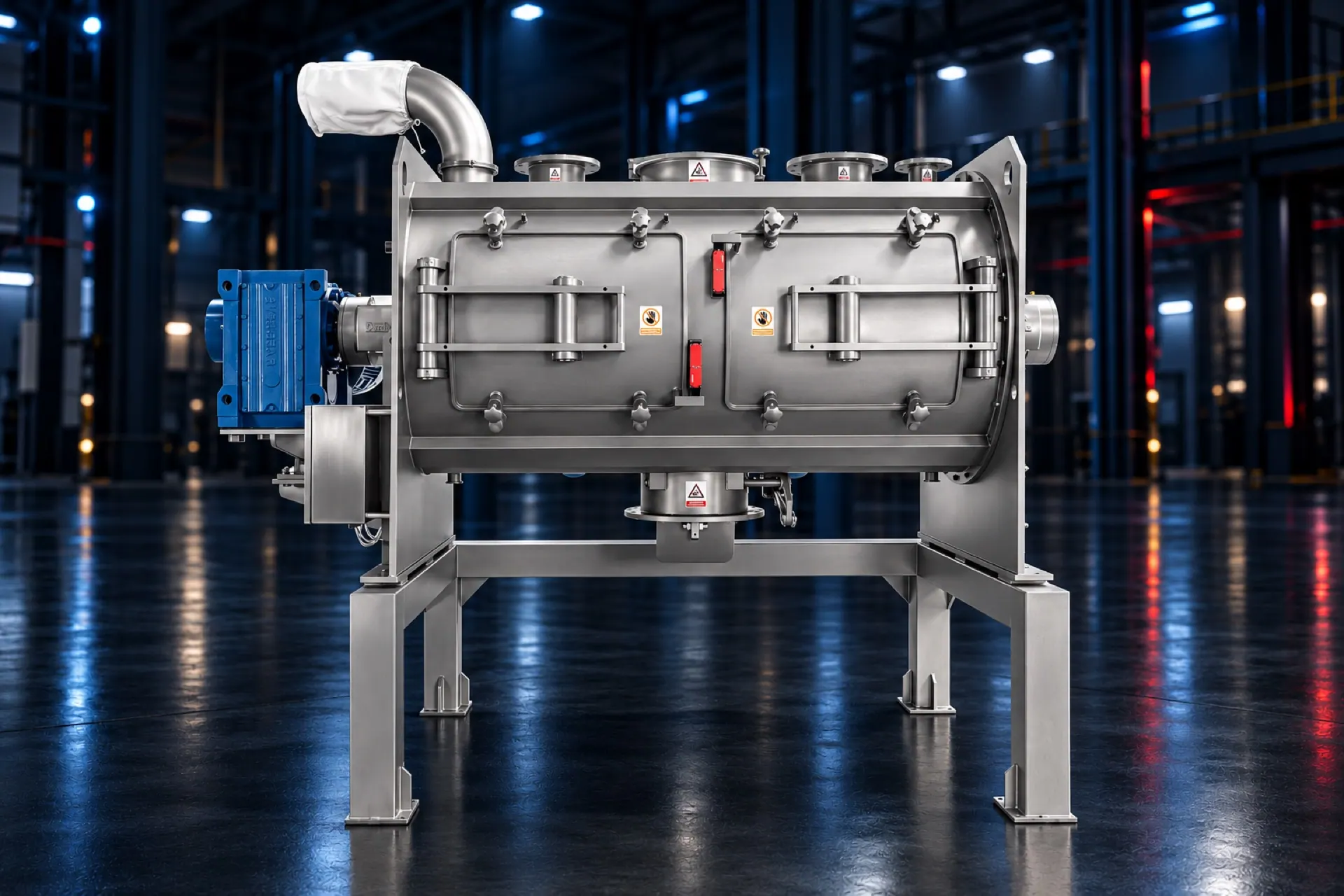
PerMix stainless steel paddle mixer in an industrial facility