
Low-Speed Tool
Provides:
- Bulk circulation
- Wall-to-center movement
- Top-to-bottom turnover
- Product delivery to high-speed devices
- Wall scraping
- Heat-transfer surface renewal
- Cooling and heating support
- Low-shear finishing
- Vacuum deaeration support
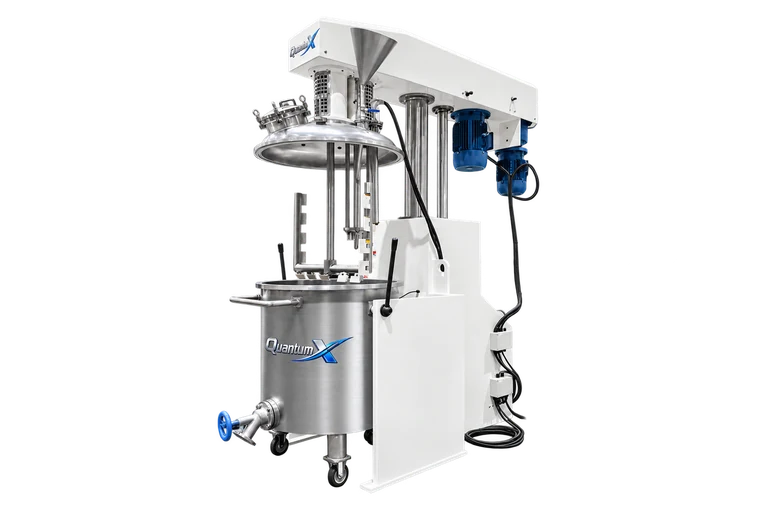
MULTIPLE MIXING ACTIONS ONE ENGINEERED PROCESS VESSEL
Multi-Shaft Mixers Engineered for Complex Formulations and Changing Rheology
QuantumX multi-shaft mixers combine two or more independently driven agitators inside one process vessel.
Each agitator performs a different function.
Overview
A multi-shaft mixer is a batch-processing system containing two or more agitators that operate independently or in a coordinated sequence.
Unlike a conventional single-shaft mixer, one tool is not expected to perform every mixing function.
Instead, each agitator is selected for a defined process task.
A common dual-shaft configuration combines:
A common triple-shaft configuration combines:
Other configurations may combine:
The ability to control each agitator independently allows the process to change as the batch changes.
The system can begin with low-viscosity circulation, progress through powder incorporation and high-shear dispersion, and finish with slow-speed turnover, cooling and vacuum deaeration.
Key capabilities
A low-speed anchor or sweep moves the complete batch, removes material from the vessel wall and continually feeds product toward the high-energy mixing tools.
A high-speed disperser rapidly wets powders and creates intensive particle interaction.
A rotor-stator mixer applies localized high shear for dispersion, dissolution, emulsification and droplet- or particle-size reduction.
Axial-flow impellers, helical agitators, wall scrapers and other application-specific tools can be added when the formulation requires greater top-to-bottom turnover, thermal-wall renewal or product control.
The result is a flexible processing platform capable of managing formulations whose viscosity, flow behavior and mixing requirements change during the batch.
Multi-agitator systems are commonly built around independently driven tools working in tandem—for example, a slow anchor for bulk circulation paired with a saw-tooth disperser or rotor-stator device for localized high shear.
Why more than one agitator
One Mixing Tool Rarely Performs Every Process Function Equally Well
A high-speed disperser can generate strong localized shear but may lose effective bulk circulation as viscosity rises.
A rotor-stator mixer can create intense local dispersion and emulsification, but it must receive a continuous supply of product from the surrounding batch.
A low-speed anchor can move a viscous mass and improve heat transfer, but it does not normally create the particle- or droplet-size reduction produced by a high-speed tool.
A multi-shaft system assigns each function to the tool best suited to perform it.
Provides:
Provides:
Provides:
The low-speed agitator continually supplies viscous product to the high-shear tools and removes material from the vessel wall, extending the useful process range beyond what a high-speed tool could accomplish by itself.
Changing rheology
The Formulation at the Beginning of the Batch May Not Resemble the Finished Product
Many multi-shaft applications begin as a low-viscosity liquid and become progressively more viscous as powders dissolve, polymers hydrate, fillers are incorporated, temperature changes or a reaction proceeds.
The process may move through several stages:
A single impeller selected for the starting viscosity may become ineffective later in the cycle.
A tool selected only for the final viscosity may not wet powders or create the required early-stage shear.
QuantumX multi-shaft systems are engineered around the complete batch profile.
Configurations
01Configuration
Low-Speed Bulk Movement Plus High-Speed Dispersion
A dual-shaft mixer commonly combines:
Anchor or sweep agitatorHigh-speed saw-tooth disperser
The anchor keeps the complete batch moving while the disperser creates intensive local shear.
This configuration can be effective for:
CoatingsInksPigment dispersionsAdhesivesSealantsResinsPolymer solutionsHigh-solids suspensionsCosmetic productsChemical formulationsBattery slurriesFilled liquids
Potential Advantages
Simpler than a triple-shaft systemIndependent control of bulk flow and high shearStrong powder wet-outImproved heat transferVacuum capabilityBroad process flexibilityReduced batch timeLower investment than more complex configurationsSuitable for many medium- to high-viscosity products
Select Dual Shaft When
A disperser provides sufficient high-shear capabilityFine emulsification is not the primary requirementThe product remains sufficiently mobile for anchor circulationPowder wet-out and bulk turnover are the principal dutiesProcess complexity does not justify a third tool
02Configuration
Bulk Circulation, Dispersion and Homogenization in One Vessel
A triple-shaft mixer commonly combines:
Low-speed anchor or sweepHigh-speed disperserRotor-stator homogenizer
This configuration can perform several mixing functions without transferring the batch between machines.
Potential duties include:
Powder incorporationPigment dispersionPolymer dissolutionEmulsificationDroplet-size reductionSuspensionVacuum deaerationHeating and coolingReactionFinal low-speed blending
Triple-shaft designs are commonly used when a slow anchor must maintain vessel-wide turnover while a disperser and rotor-stator perform separate high-shear duties.
Select Triple Shaft When
Both dispersion and emulsification are requiredPowders must be wetted rapidlyThe formulation changes significantly during the cycleHigh local shear and strong bulk circulation are both necessaryThe batch must remain in one closed vesselVacuum deaeration is requiredHeating and cooling are criticalMultiple process steps should be consolidated
03Configuration
QuantumX can evaluate configurations beyond the standard dual- and triple-shaft arrangements.
Potential combinations can include:
Anchor plus disperserAnchor plus rotor-statorAnchor plus disperser plus rotor-statorAnchor plus axial-flow turbineAnchor plus helical agitatorSweep plus dual dispersersSweep plus bottom-entry homogenizerSweep plus inline recirculating homogenizerAnchor plus propellerAnchor plus augerDual counter-rotating agitatorsMultiple independently controlled high-speed tools
Coaxial and multi-drive systems can combine blending, suspension, dissolution and heat transfer within one vessel, with independently controlled agitators selected for the process. SPX Flow
The number of shafts should not be increased merely to make the machine appear more capable.
Each tool should have a defined process function.
Core Agitator Functions
Move the Complete Batch
The anchor or sweep agitator normally operates at low speed near the vessel wall.
Its functions can include:
Engineering Variables
An anchor that is too small may allow the outer product region to stagnate.
An oversized anchor may create unnecessary torque without improving circulation.
Scrapers can continually remove viscous material from heat-transfer surfaces.
Potential benefits include:
Scrapers must be evaluated carefully when the formulation contains abrasive solids.
Abrasive particles can become trapped between the scraper and vessel wall, increasing friction, scratching the product-contact surface or accelerating wear.
Low-speed scrapers are widely used in multi-agitator systems to improve jacket heat transfer, subject to product and wear considerations.
Scraper Variables
Create Intensive Particle Interaction and Powder Wet-Out
A high-speed disperser normally uses a saw-tooth or application-specific blade operating at high tip speed.
It can:
Disperser Variables
The disperser must be adequately submerged before operating at high speed.
Insufficient submergence can create:
Apply Localized High Shear
A rotor-stator mixer draws product into a narrow processing gap where rapid acceleration and repeated mechanical interaction can produce:
Rotor-Stator Variables
A rotor-stator provides powerful localized processing.
The anchor or sweep must deliver product to it continuously as viscosity increases.
These tools may be considered when the formulation requires:
Axial-flow devices are generally more effective in mobile liquids than in highly viscous, yield-stress materials.
They may supplement an anchor or replace a disperser when bulk flow is more important than high local shear.
Helical flights or auger-style tools can improve vertical movement in viscous products.
Potential functions include:
Helical elements are established additions to anchor-style tools where stronger axial flow is needed.
Geometry
| Engineering Variable | What It Influences | Why It Matters |
|---|---|---|
| Anchor diameter | Wall sweep and bulk turnover | Too small leaves stagnant outer regions; too large creates excessive torque. |
| Anchor wing count | Frequency of wall passage and bulk circulation | More wings can improve turnover but increase drag and mechanical load. |
| Anchor clearance | Wall renewal and scraper action | Clearance affects heat transfer, residual product and mechanical safety. |
| Disperser diameter | Tip speed, vortex strength and solids wet-out | Blade diameter must match vessel geometry and process scale. |
| Disperser elevation | Powder drawdown and circulation | Incorrect elevation can cause splashing, air entrainment or poor wet-out. |
| Rotor-stator location | Product exposure to high shear | The tool must receive continuous flow from the bulk agitator. |
| Shaft spacing | Interaction between agitators | Poor placement can create interference or isolated process zones. |
| Independent speed range | Process flexibility | Each shaft must operate at the speed required for its function. |
| Vessel proportions | Bulk flow and high-shear-tool performance | Vessel diameter, height and bottom profile affect turnover and submergence. |
| Bottom geometry | Drainage, circulation and residual hold-up | Flat, dished, toriconical and conical bottoms produce different flow patterns. |
| Working fill | Agitator submergence and batch turnover | Underfilling can expose high-speed tools; overfilling can suppress circulation. |
| Headspace | Powder charging, vacuum expansion and foaming | Adequate headspace helps prevent product carryover and cover contamination. |
| Drive torque | Ability to process maximum batch resistance | Drives must handle startup, solids addition, cooling and final viscosity. |
| Power distribution | Energy available for each process duty | Anchor, disperser and rotor-stator horsepower should be selected independently. |
| Shaft stiffness | Tool alignment and mechanical reliability | Long shafts and high loads can cause deflection and clearance changes. |
| Seal arrangement | Vacuum, pressure and containment integrity | Each shaft penetration must be engineered for its speed and duty. |
| Scraper design | Thermal-wall renewal | Scrapers improve wall contact but can create wear with abrasive products. |
| Discharge geometry | Batch recovery and transfer | Highly viscous product may require pressure-assisted or mechanical discharge. |
Process engineering
01Topic
Viscosity must be considered with the complete rheology.
Important properties can include:
Apparent viscosityViscosity versus shear rateYield stressThixotropyShear thinningShear thickeningViscoelasticityTackSolids loadingParticle sizeParticle shapeDensityWall adhesionTemperature dependenceReaction progressionTime-dependent structure
A formulation reported as 100,000 cP at one temperature and test method may behave very differently under process shear.
Some materials become easier to circulate under shear.
Others increase in resistance.
Some begin as low-viscosity liquids and develop a strong yield stress during powder incorporation.
Multi-shaft systems can process a broad viscosity range because the low-speed tool maintains bulk turnover while the high-speed tools perform local processing. The actual upper limit depends on the formulation’s shear response, torque, solids loading, vessel geometry and discharge requirement—not on a universal catalog number.
02Topic
The vessel requires enough initial liquid to submerge the selected high-speed tool before it operates at process speed.
It also requires enough headspace for:
Powder chargingVortex developmentVacuum expansionFoamingReaction gasLiquid additionThermal expansionProduct riseFilter protection
Underfilling Can Cause
High-speed tool exposureAir entrainmentProduct splashingInadequate anchor engagementPoor heat transferUnstable dispersionSeal contaminationCover buildup
Overfilling Can Cause
Reduced turnoverInadequate headspaceCover foulingVacuum carryoverFoaming into filtersIncreased torquePoor powder wet-outProduct loss
The correct minimum and maximum working volumes depend on:
Agitator geometryTool elevationVessel dimensionsStarting viscosityFinal viscosityFoam potentialVacuumPowder additionReaction behavior
03Topic
Wet Powders Before They Form Persistent Agglomerates
Powders introduced into liquids may:
FloatDustRaft on the surfaceForm fish-eyesForm dry internal coresAdhere to the vessel wallBlock transfer linesIncrease torque rapidlyTrap air
Potential powder-addition methods include:
Manual surface chargingBag-dump hopperScrew feedingLoss-in-weight feedingVacuum transferSub-surface inductionRotor-stator powder inductionExternal inline inductionContained transferSplit-butterfly valveGlovebox charging
Sub-surface induction can reduce dust, floating powders and agglomerate formation by introducing solids directly into a high-shear liquid zone.
Powder-Addition Variables
Powder bulk densityParticle sizeWettabilityHydrophobicityAddition rateStarting liquid volumeStarting viscosityProduct temperatureAnchor speedDisperser speedRotor-stator operationDust controlVacuumFinal solids loading
04Topic
Multi-shaft mixers can process formulations containing:
PigmentsMineral fillersSilicaCarbon blackConductive carbonCeramic powdersCalcium carbonateTalcClaysTitanium dioxideZinc oxideGraphitePolymer powdersPharmaceutical solidsFood gumsHydrocolloids
Successful dispersion depends on:
Initial agglomerate sizeParticle hardnessSurface chemistryRequired final sizeWettingDisperser tip speedRotor-stator selectionProcess timeTemperatureSolids loadingViscosityRecirculation
A mixer is not always a substitute for a mill.
Hard particle-size reduction may require:
Bead millMedia millColloid millThree-roll millHigh-pressure homogenizerOther dedicated size-reduction equipment
The multi-shaft system can prepare and feed the downstream mill while maintaining batch uniformity.
05Topic
A rotor-stator tool can create and refine emulsions by applying intense localized shear to immiscible liquid phases.
Potential applications include:
Oil-in-water emulsionsWater-in-oil emulsionsCreamsLotionsSaucesCoatingsPolymer emulsionsPharmaceutical liquidsCosmetic productsChemical formulations
Droplet-size development depends on:
Rotor speedStator geometryEnergy inputPhase ratioInterfacial tensionEmulsifier chemistryAddition sequenceViscosityTemperatureProcessing timeRecirculation
When the process is primarily a lower-viscosity liquid emulsification or homogenization duty, an EmulXion batch or inline high-shear system may provide the more economical pathway.
A QuantumX multi-shaft system becomes the stronger choice when emulsification must be combined with:
High viscosityStrong wall scrapingPowder incorporationHigh solidsVacuumComplex thermal dutyReactionPressureATEXHigh containment
06Topic
The most powerful disperser or rotor-stator cannot process material that never reaches it.
As viscosity rises, high-speed tools may create a small local circulation zone while the outer batch becomes stagnant.
The low-speed anchor or sweep must:
Remove product from the wallMove material across the vessel bottomFeed the high-speed toolReplace processed material with unprocessed materialPrevent thermal wall layersMaintain complete-batch turnover
The design should be evaluated for the final viscosity and worst process stage—not only the low-viscosity starting phase.
Thermal and vacuum
Scraped Wall Renewal Can Determine the Real Thermal Performance
A jacket transfers heat through the vessel wall.
If a thick, insulating product layer remains on that wall, the thermal medium may continue flowing while the batch heats or cools very slowly.
A low-speed anchor with sidewall and bottom scrapers can continually remove the insulating layer and replace it with product from the vessel interior.
This can support:
Multi-shaft systems are widely used to combine high-shear processing with anchor-assisted heat transfer at elevated viscosities.
Thermal-System Options
The thermal duty must be calculated from:
Remove Entrained Air While the Agitators Continuously Renew the Product Surface
Air may enter the product during:
Entrained air can affect:
Under vacuum, the anchor, disperser and rotor-stator can continually expose new material to reduced pressure.
Vacuum processing in multi-shaft systems is commonly used to improve dispersion and produce void-reduced finished products without a separate downstream deaeration operation.
Vacuum should be applied according to a controlled sequence.
Some formulations expand significantly because of:
The engineering review should address:
Maximum vacuum should not automatically be applied at the beginning of the process.
Pressure, hazardous-area and containment duty
01Duty
QuantumX multi-shaft systems can be engineered for:
Atmospheric processingFull vacuumNitrogen blanketingControlled positive pressureVacuum-and-pressure cyclesGas additionReactive processingSolvent serviceCondensation and recovery
A pressure-rated multi-shaft vessel must account for:
Vessel shell and headsMultiple shaft penetrationsMultiple shaft sealsHigh-speed dynamic loadsAnchor torqueAgitator nozzle reinforcementJacket pressureAccess closuresVacuum external pressureThermal cyclesPressure cyclesRelief interfacesSupport loads
02Duty
Application-specific systems can be evaluated for:
ASME Section VIIIU-stamped constructionPED conformityCode-rated jacketNational Board registrationOther jurisdictional requirements
ASME, PED, sanitary, ATEX and mixing-performance requirements are separate design bases.
03Duty
Multi-shaft mixer-reactors can integrate:
BlendingPowder wet-outDissolutionDispersionEmulsificationHeatingCoolingVacuumGas additionReactionDeaerationFiltrationClosed discharge
Potential applications include:
PolymerizationResin productionNeutralizationCatalyst additionPigment treatmentChemical functionalizationAdhesive reactionCoating productionConductive formulationsSpecialty chemical synthesis
Multi-agitator reactors can consolidate bulk circulation, dispersion, homogenization, heat transfer and deaeration within one vessel when a conventional single-impeller reactor cannot maintain turnover as viscosity rises.
The customer must provide:
Reaction chemistryFeed sequenceHeat of reactionGas generationVapor generationCooling-failure caseReaction endpointPressure basisRelief basisMaterial compatibilityProcess-hazard analysis
04Duty
QuantumX can engineer multi-shaft systems around defined:
Gas zonesDust zonesClass and division requirementsEquipment categoriesGas or dust groupsTemperature classesMaximum surface temperaturesMechanical ignition risksStatic-control requirementsNitrogen inertingOxygen monitoringExplosion-protection interfaces
Multi-shaft systems require careful assessment because they can contain:
Multiple motorsMultiple bearingsMultiple shaft sealsHigh-speed devicesHigh tip speedsScraper contactAbrasive solidsSolvent vaporDustThermal surfacesVacuum equipmentPumps and recirculation loops
Potential Safeguards
Classified motors and instrumentsGrounding and bondingConductive connectionsBearing-temperature monitoringSeal monitoringSpeed monitoringTorque monitoringMotor-current monitoringProduct-temperature monitoringJacket-temperature monitoringNitrogen purgeOxygen monitoringSafe-opening interlocksVacuum and pressure interlocksExplosion-protection interfaces
05Duty
Containment may be required when processing:
Potent pharmaceuticalsSensitizersToxic chemicalsNanomaterialsCarbon materialsBattery materialsHigh-value activesDusty powdersVolatile compounds
Potential containment features include:
Closed liquid chargingClosed powder inductionGlovebox interfaceSplit-butterfly valveVacuum transferHigh-integrity shaft sealsFiltered ventingClosed samplingContained dischargeWash-in-placeClean-in-placeNitrogen inertingOxygen monitoringDisposable transfer interfaces
The containment target and test method must be defined before equipment design.
Sanitary design and vessels
QuantumX sanitary multi-shaft systems can include:
Top-entering agitators, gas-purged or double mechanical seals and strategically positioned CIP spray nozzles are established sanitary design pathways for multi-agitator systems.
Define the cleaning method before finalizing the mechanical configuration.
Potential strategies include:
Cleaning design should include:
CIP spray coverage must reach behind and around every product-contact component.
A fixed-vessel system may be preferred when:
Fixed-vessel systems can integrate:
A change-can system uses a lift mechanism to raise the agitators and cover clear of a removable mix vessel.
Potential benefits include:
Engineering Considerations
Change-can systems are widely used for viscous production where one vessel can be discharged or cleaned while another is positioned beneath the mixer.
Discharge
A Finished High-Viscosity Product May Not Flow Through a Standard Valve
Potential discharge systems include:
A follower plate or platen can force non-flowing product from a removable vessel.
Potential benefits include:
Platen-style discharge systems are established options for sticky, non-flowing multi-shaft and planetary formulations.
Materials of Construction
01Material
Can be evaluated for appropriate:
Industrial adhesivesNon-corrosive coatingsGeneral chemical formulationsConstruction products
02Material
Can be evaluated for:
Food productsGeneral cosmeticsIndustrial coatingsAdhesivesCleanable chemical duty
03Material
Can be evaluated for:
PharmaceuticalsNutraceuticalsHigh-purity cosmeticsBattery slurriesCorrosive chemicalsAggressive cleaningSpecialty foods
04Material
Can be considered where conventional stainless grades do not provide the required corrosion resistance or strength.
05Material
Can be evaluated for:
Corrosive chemical processingSolvent serviceReactive formulationsAggressive cleaningHigh-purity intermediates
The vessel, agitators, scrapers, rotor-stator, fasteners, valves and shaft seals must be reviewed together.
06Material
Can be evaluated for selected:
Chloride-sensitive formulationsCorrosive intermediatesHigh-purity processesMetal-sensitive materials
Engineering must address:
GradeWeldingShaft stiffnessGallingDissimilar-metal isolationThermal expansionFatigueRepair strategy
07Material
High-solids formulations may contain abrasive:
SilicaAluminaCeramic powdersCarbonMetal powdersMineral fillersGlassPigmentsCatalysts
Potential wear protection can include:
Hardened disperser bladesTungsten-carbide coatingsCeramic coatingsReplaceable wear partsProtected rotor-stator componentsHardened scrapersReplaceable bottom insertsWear-resistant discharge valves
The wear system must be compatible with:
Product purityClearancesScraper contactStatic-control requirementsVacuumTemperatureCleaningRepairability
Mixer selection
| Requirement | Multi-Shaft Mixer | Double Planetary Mixer | Sigma Mixer | EmulXion High-Shear System |
|---|---|---|---|---|
| Primary movement | Complementary fixed-axis agitators | Orbiting planetary tools | Heavy kneading in horizontal trough | Rotor-stator or inline high shear |
| Strongest fit | Viscous liquids, dispersions, emulsions and slurries | Thick pastes, putties and highly filled compounds | Extremely heavy dough-like masses | Mobile liquids and emulsions |
| Bulk circulation | Anchor, sweep or axial impeller | Planetary vessel coverage | Sigma blade kneading | Depends on vessel or recirculation |
| High shear | Disperser and/or rotor-stator | Limited unless added | Limited | Core function |
| Powder incorporation | Strong | Strong | Strong | Strong in mobile liquids |
| Vacuum deaeration | Excellent | Excellent | Available | Available |
| Heat transfer | Strong with scrapers | Strong with scrapers | Trough-based | Strong in suitable vessels |
| Change-can option | Available | Common | Less common | Available on selected systems |
| Very high viscosity | Strong, formulation-dependent | Strong | Strongest for heavy doughs | Limited by circulation |
| Emulsification | Strong with rotor-stator | Limited | Limited | Strong |
| Reaction capability | Strong | Application-dependent | Application-dependent | Strong for mobile liquids |
| Selection driver | Multiple functions in one vessel | Non-flowing paste turnover | Maximum kneading | Efficient liquid high shear |
Choose a single-shaft disperser when:
Choose a multi-shaft system when:
Choose double planetary when:
Choose multi-shaft when:
Choose sigma when:
Choose multi-shaft when:
The PerMix architecture routes standard liquid mixing and homogenization toward EmulXion while reserving QuantumX for complex, high-viscosity, vacuum, pressure, containment and custom-integrated duties.
Scale-up and testing
01Topic
Multi-Shaft Scale-Up Must Preserve Each Agitator’s Function
Scale-up should consider:
Vessel diameterVessel depthWorking volumeAnchor diameterAnchor clearanceScraper contactDisperser diameterDisperser tip speedRotor-stator geometryRotor tip speedFlow through the high-shear zoneBulk turnover timePowder-addition rateSolids loadingTorquePower per unit volumeHeat generationJacket areaVacuum behaviorFoamingDischarge method
A laboratory mixer with a small anchor and disperser does not scale by multiplying vessel volume alone.
Pilot testing should document:
Shaft speedsTorquePowerTemperaturePowder-addition timeWet-outParticle or droplet sizeVacuumBatch timeProduct uniformityFinal rheologyDischargeCleaning
02Topic
Potential FAT and application-testing activities include:
Mechanical inspectionAnchor rotationDisperser rotationRotor-stator operationIndependent speed rangesVessel lift or positioningVessel clampingSafety interlocksVacuum testPressure test where applicableJacket testScraper operationTemperature-control functionPowder-induction operationLiquid-dosing operationTorque monitoringMotor-current monitoringBearing-temperature monitoringNitrogen purgeOxygen monitoringDischarge-system operationPump or press-out testingCIP functionProduct trial when agreedDocumentation review
03Topic
The protocol should define:
Batch quantityStarting liquidIngredient sequencePowder-addition rateAgitator speeds by phaseTemperatureVacuumProcess timeSampling planAnalytical methodParticle- or droplet-size targetViscosity methodDensityAir-content targetUniformity criteriaDischarge methodCleaning procedure
Industries and applications
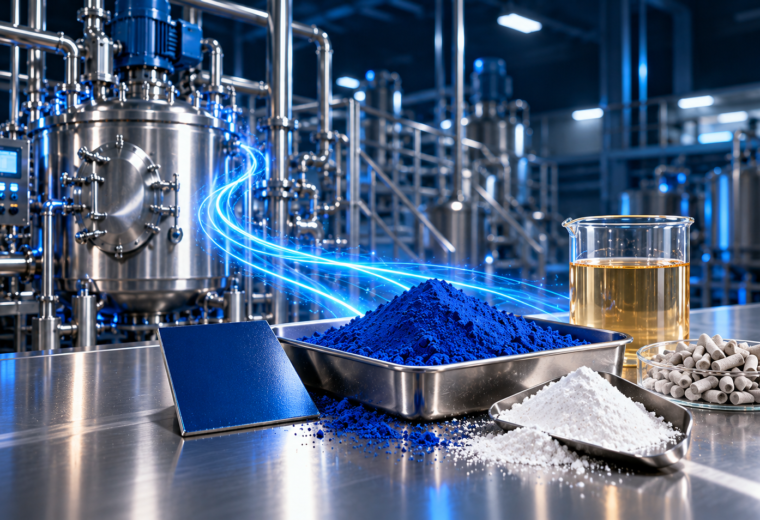
Construction adhesives · Pressure-sensitive adhesives · Reactive adhesives · Acrylic systems · Epoxy formulations · Sealants · Caulks · Mastics · Silicone products
Explore industryPigment dispersions · High-solids coatings · Inks · Primers · Protective coatings · Architectural coatings · Electronic inks · Conductive coatings
Explore industry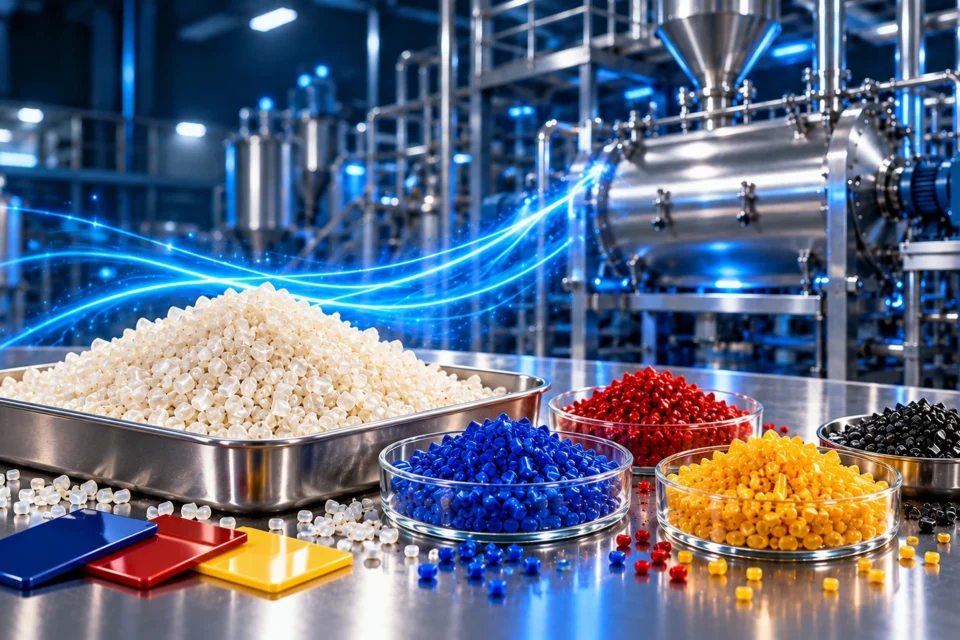
Resin solutions · Polymer dispersions · Catalysts · Additive systems · Reactive formulations · Specialty chemicals · Filled liquids · Composite precursors
Explore industry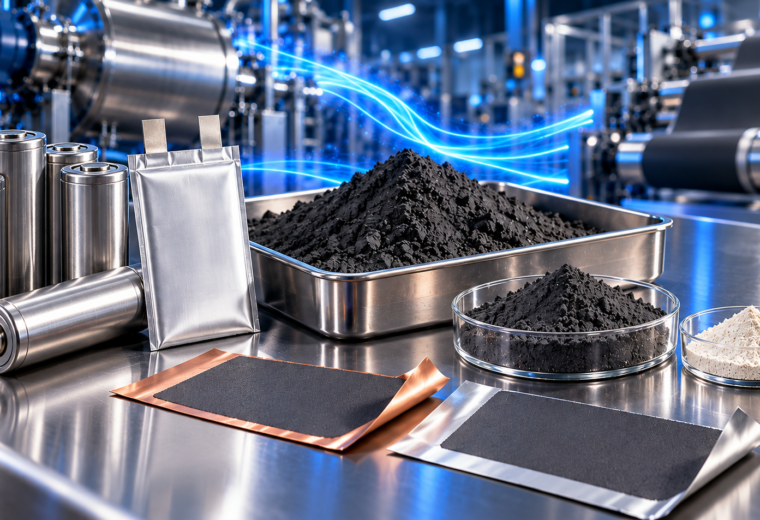
Electrode slurries · Conductive dispersions · Ceramic slurries · Thermal-interface materials · Potting compounds · Electronic pastes · Encapsulation materials
Explore industry
Creams · Lotions · Gels · Serums · Sunscreens · Color dispersions · High-viscosity personal-care products
Explore industry
Suspensions · Gels · Ointments · Medical adhesives · Topical formulations · Diagnostic products · Controlled-release systems
Explore industry
Sauces · Dressings · Gums · Syrups · Confectionery systems · Nutritional products · Viscous fillings · High-solids food products
Explore industry
Ceramic slurries · Mineral suspensions · Abrasive dispersions · High-purity materials · Nanomaterial formulations · Metal-filled compounds
Explore industryWhy QuantumX
Each agitator is selected for a defined process function rather than requiring one tool to do everything.
Anchor, disperser, rotor-stator and other tools can operate at independent speeds and in controlled sequences.
The same vessel can combine blending, dispersion, emulsification, reaction, heating, cooling and deaeration.
The low-speed agitator continues to move the complete batch as viscosity increases.
Wall and bottom scrapers renew contact with the thermal surface.
Closed vacuum operation can support deaeration, oxidation control, solvent handling and product-quality improvement.
Systems can be selected around pressure, production flexibility, discharge and cleaning requirements.
Pump transfer, bottom valves, press-out systems and direct filling can be integrated.
ASME, PED, ATEX, inerting, containment and specialty materials can be incorporated where required.
QuantumX can coordinate powder feeding, liquid dosing, vacuum, condensation, thermal control, inerting, recirculation, inline processing, discharge, packaging, controls and documentation.
APPLICATION ENGINEERING BEFORE AGITATOR SELECTION
Provide:
Upload rheology curves, viscosity data, formulation ranges, material data sheets, safety data sheets, solids-loading information, particle- or droplet-size targets, thermal requirements, hazardous-area information, P&IDs or facility drawings. Confirm an approved confidential communication channel before submitting proprietary formulas.
Frequently asked questions
A multi-shaft mixer contains two or more independently driven agitators working together inside one process vessel.
Different agitators perform different duties. A slow anchor moves the complete batch, while a high-speed disperser or rotor-stator creates localized shear.
A dual-shaft mixer commonly combines an anchor and disperser. A triple-shaft mixer commonly adds a rotor-stator homogenizer as the third independently driven tool.
Yes, when the process requires it. They can also operate in separate stages using independent speeds and recipe sequences.
The anchor moves viscous product through the vessel, feeds high-speed tools, renews the vessel wall and improves heat transfer.
The disperser wets powders, reduces soft agglomerates and creates strong particle interaction through a high-speed blade.
The rotor-stator applies localized high shear for emulsification, fine dispersion, dissolution and droplet- or particle-size reduction.
Yes, but a simpler EmulXion agitator or high-shear system may be more economical when the formulation remains low in viscosity.
Yes, subject to rheology, solids loading, torque, vessel geometry and agitator selection. No universal maximum viscosity should be assumed.
No. Yield stress, shear response, thixotropy, solids loading, temperature, tack and discharge behavior must also be evaluated.
Yes. Surface charging, controlled feeding, sub-surface induction and rotor-stator powder-induction systems can be evaluated.
Appropriate powder induction, high shear, loading sequence and bulk circulation can greatly reduce fish-eye formation. Final performance depends on the material and process.
Yes. Disperser and rotor-stator configurations can process pigments, fillers, carbon, minerals and other solids, subject to abrasion and particle-size requirements.
Not always. Hard particle-size reduction or very fine grinding may still require a dedicated mill.
Yes. Rotor-stator and disperser tools can be configured for emulsification, subject to formulation chemistry and target droplet size.
Yes. Vacuum-capable QuantumX multi-shaft mixers can support deaeration, oxidation control, vapor management and closed processing.
Vacuum combined with continuous product turnover can support deaeration. The result depends on viscosity, foam, headspace, vacuum level and processing time.
Yes. Jacketed vessels, wall scrapers and thermal-control systems can be engineered for heating and cooling.
Scrapers remove viscous material from the vessel wall, improve heat transfer and reduce localized buildup.
Yes. Abrasive particles can become trapped between the scraper and wall. Scraper material and wear strategy must be selected accordingly.
Selected fixed-vessel systems can be engineered for positive pressure. Multiple shafts and seals must be evaluated as part of the pressure boundary.
Application-specific ASME construction can be evaluated for suitable fixed-vessel QuantumX systems.
Project-specific PED conformity can be evaluated where applicable.
QuantumX can engineer systems around defined ATEX or hazardous-area requirements supplied by the customer.
Yes. Nitrogen purge, vacuum evacuation, oxygen monitoring and process interlocks can be incorporated.
Closed charging, contained powder induction, high-integrity seals, filtered venting, closed sampling and contained discharge can be integrated.
Yes. Options can include 316L stainless steel, polished welds, sanitary seals, CIP spray devices, drainable geometry and validation-support documentation.
Yes. Change-can designs can be evaluated for production flexibility, remote discharge and dedicated product vessels.
A fixed vessel is often preferred for pressure-rated construction, permanent utilities, large scale, CIP, high containment and integrated process lines.
Options can include pump transfer, large bottom valves, press-out systems, follower plates, vacuum-assisted transfer or direct filling.
A multi-shaft mixer uses fixed-axis complementary agitators. A double planetary mixer uses tools that rotate and orbit through the vessel and is often better for non-flowing pastes.
A sigma mixer uses heavy kneading blades in a horizontal trough and is often selected for extremely dense, dough-like masses.
EmulXion high-shear mixers focus on liquid processing, powder induction and homogenization. QuantumX multi-shaft systems add high-viscosity bulk flow, vacuum, pressure, reaction, containment and more extensive custom integration.
Yes. Fixed-vessel QuantumX multi-shaft systems can integrate reaction, heating, cooling, vacuum, gas addition and process controls.
Application testing can be evaluated when material quantity, hazards, confidentiality, analytical methods and acceptance criteria are agreed.
Provide the formulation, batch size, rheology, solids loading, powder-addition sequence, dispersion or emulsification target, thermal duty, vacuum or pressure, materials, cleaning, discharge and compliance requirements.
QuantumX multi-shaft mixers
Request engineering support
Share your material and batch requirements. A PerMix engineer will review the application and recommend a mixer.