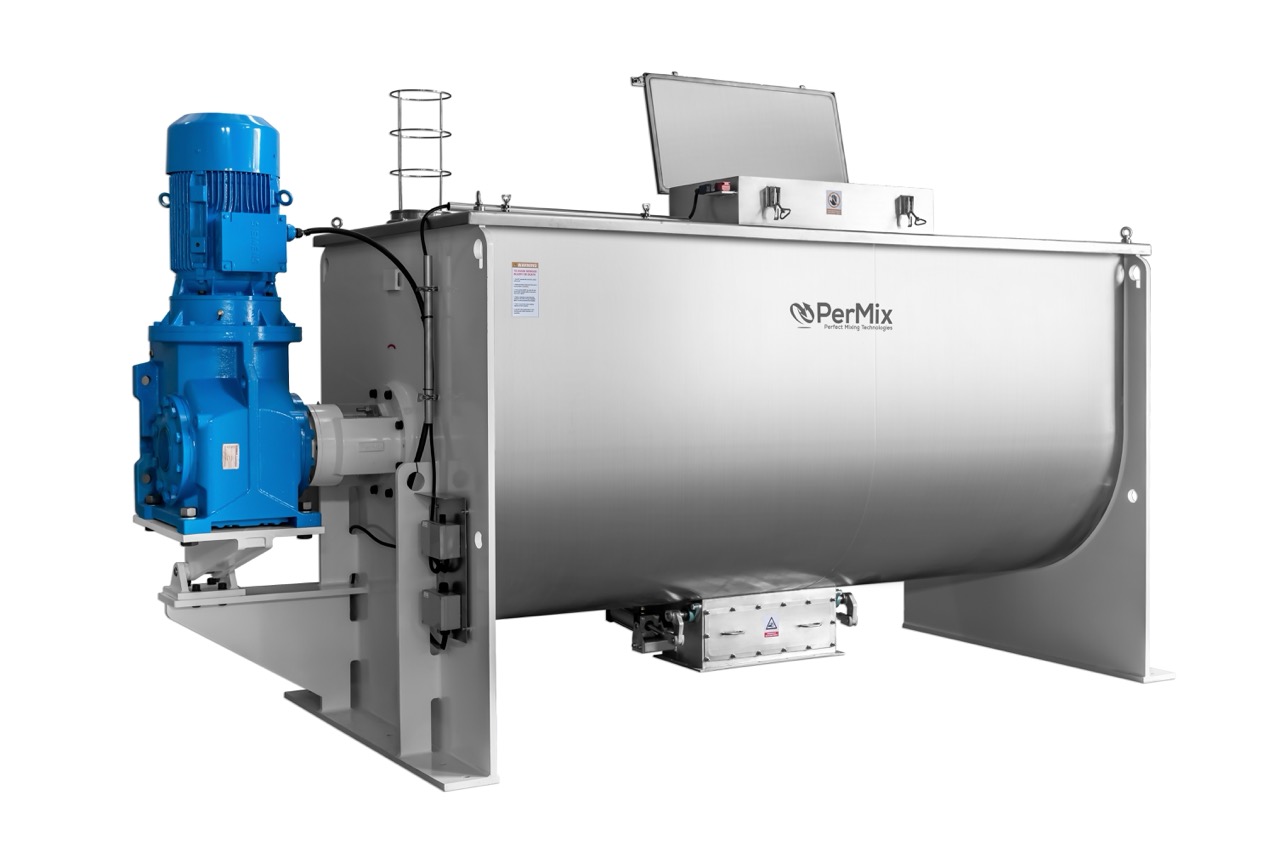
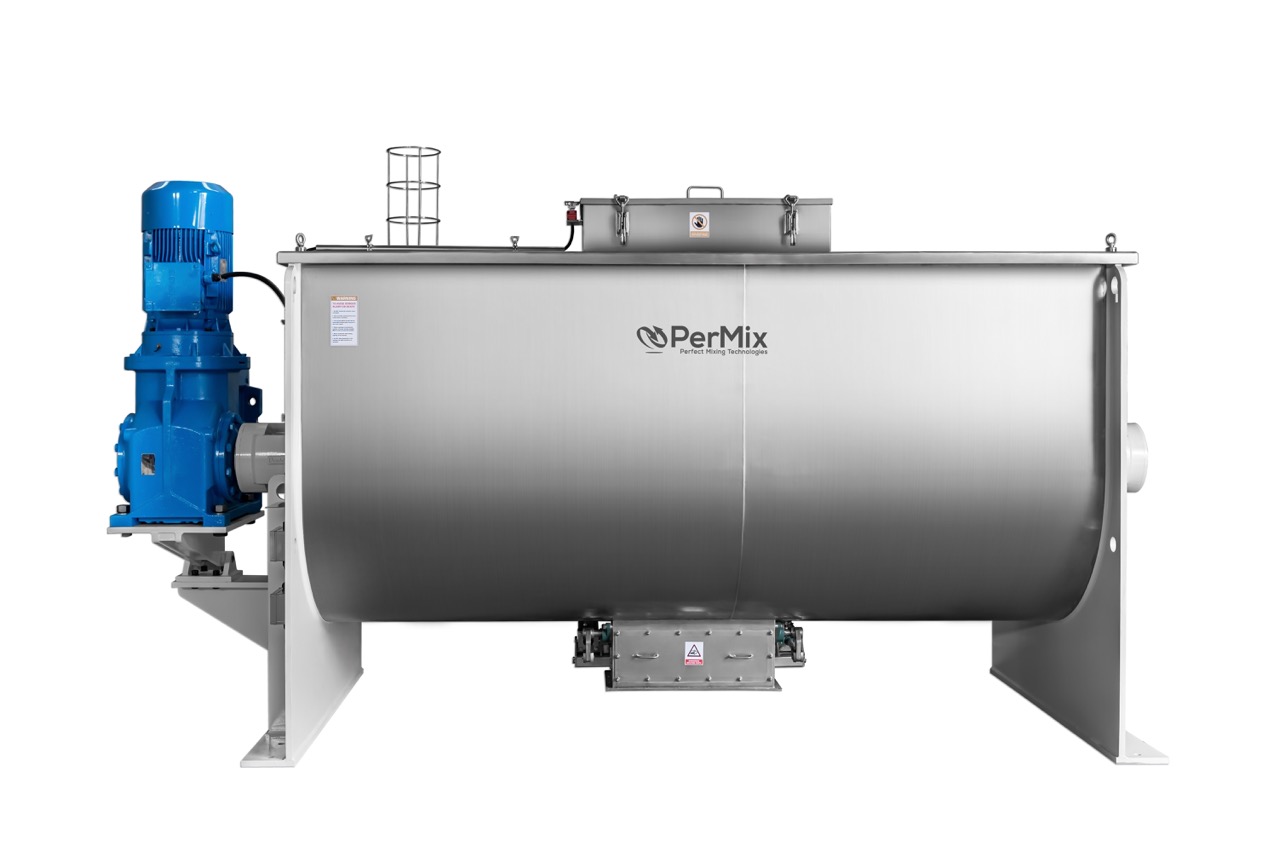
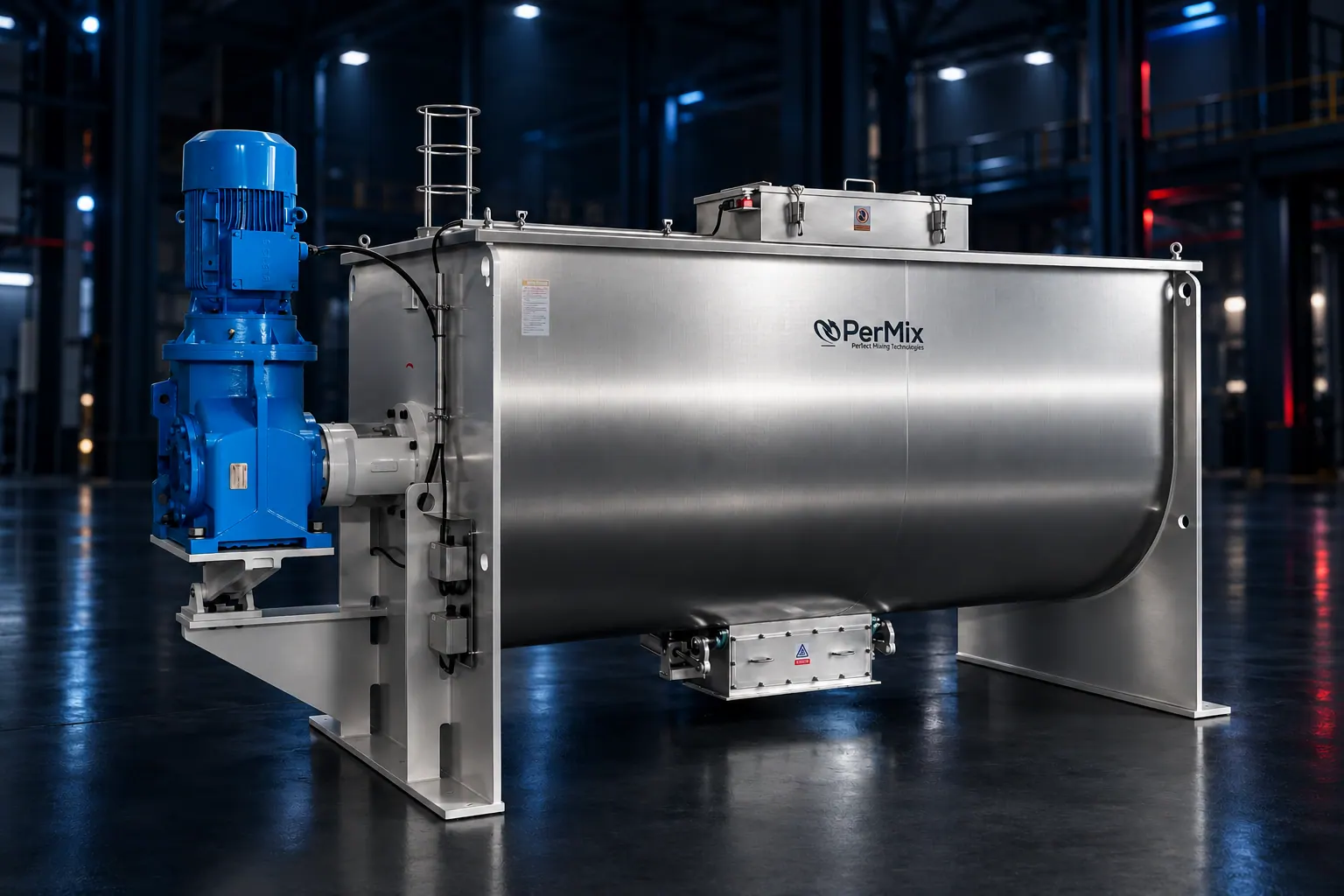
01What is the difference between a ribbon mixer and a ribbon blender?
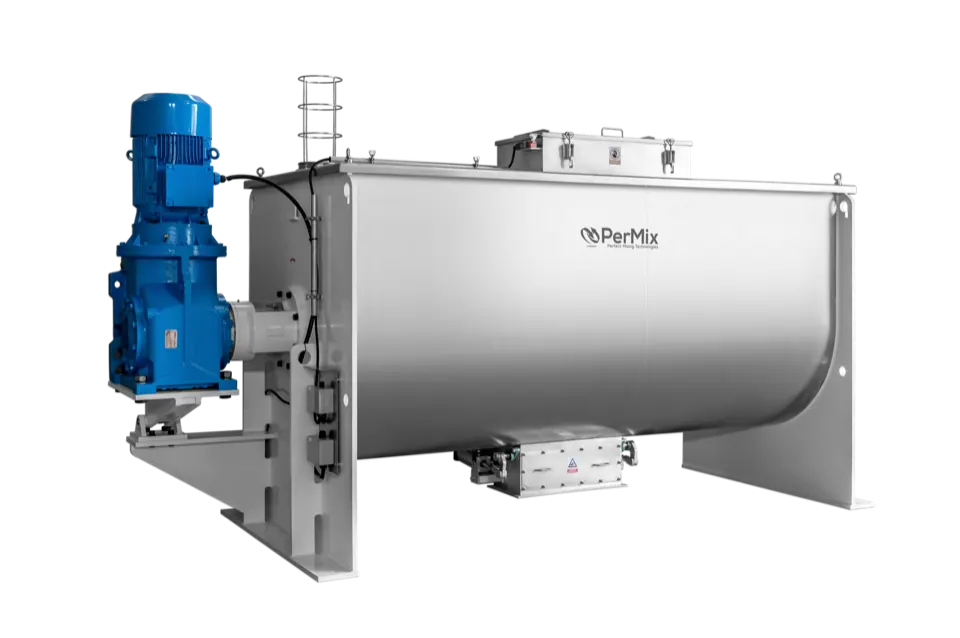
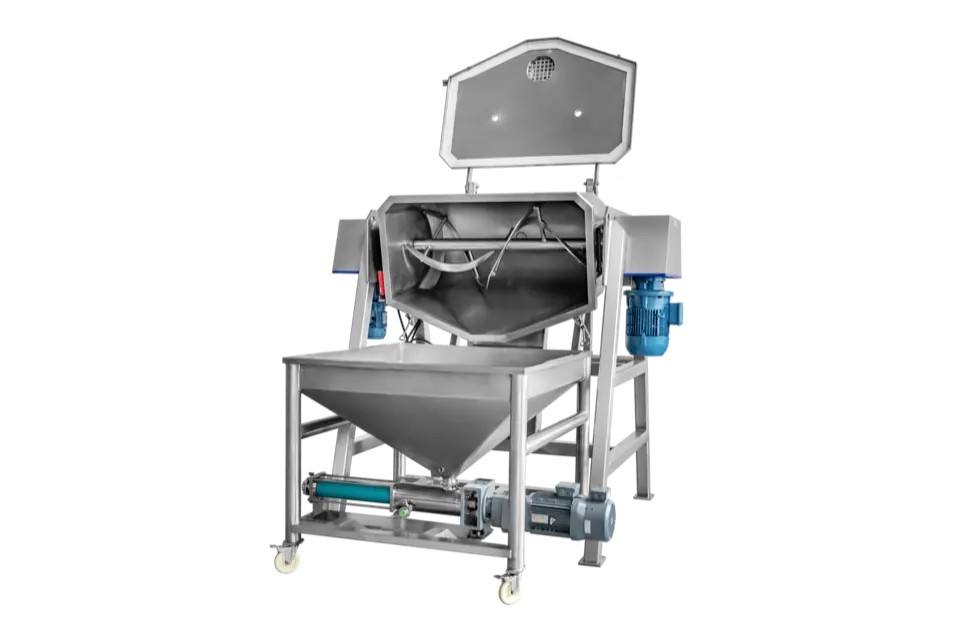
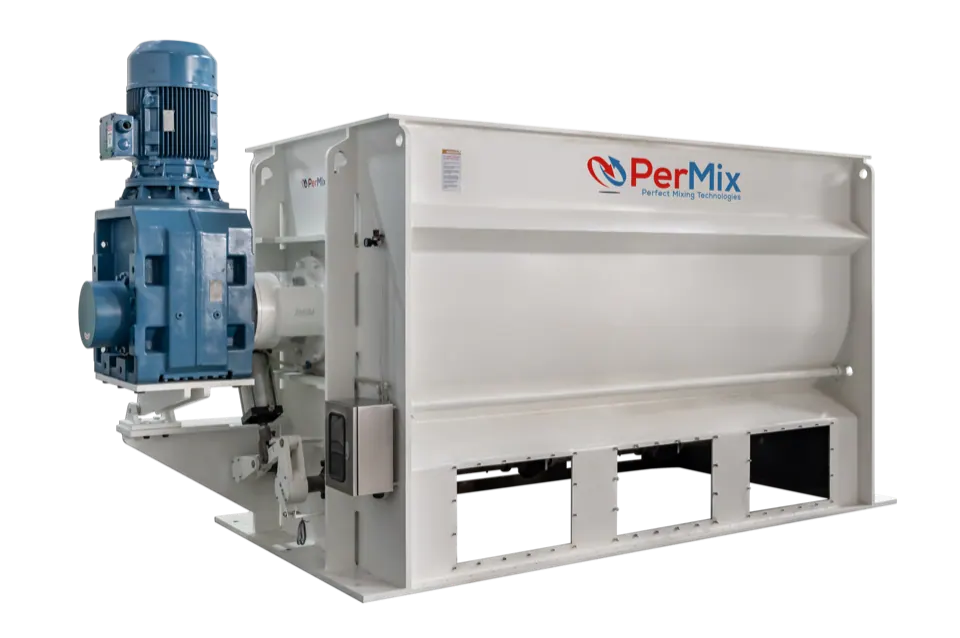
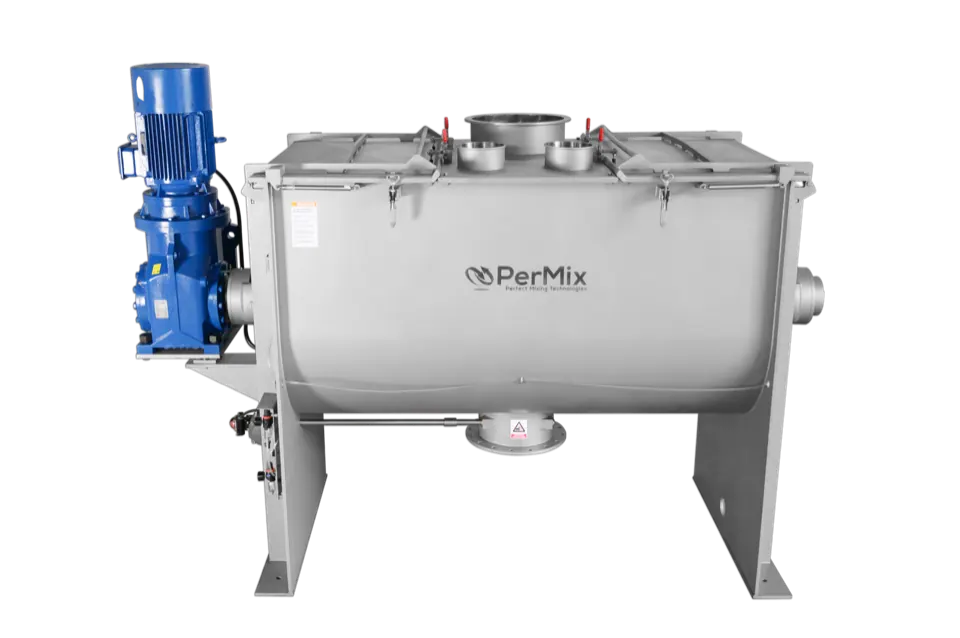
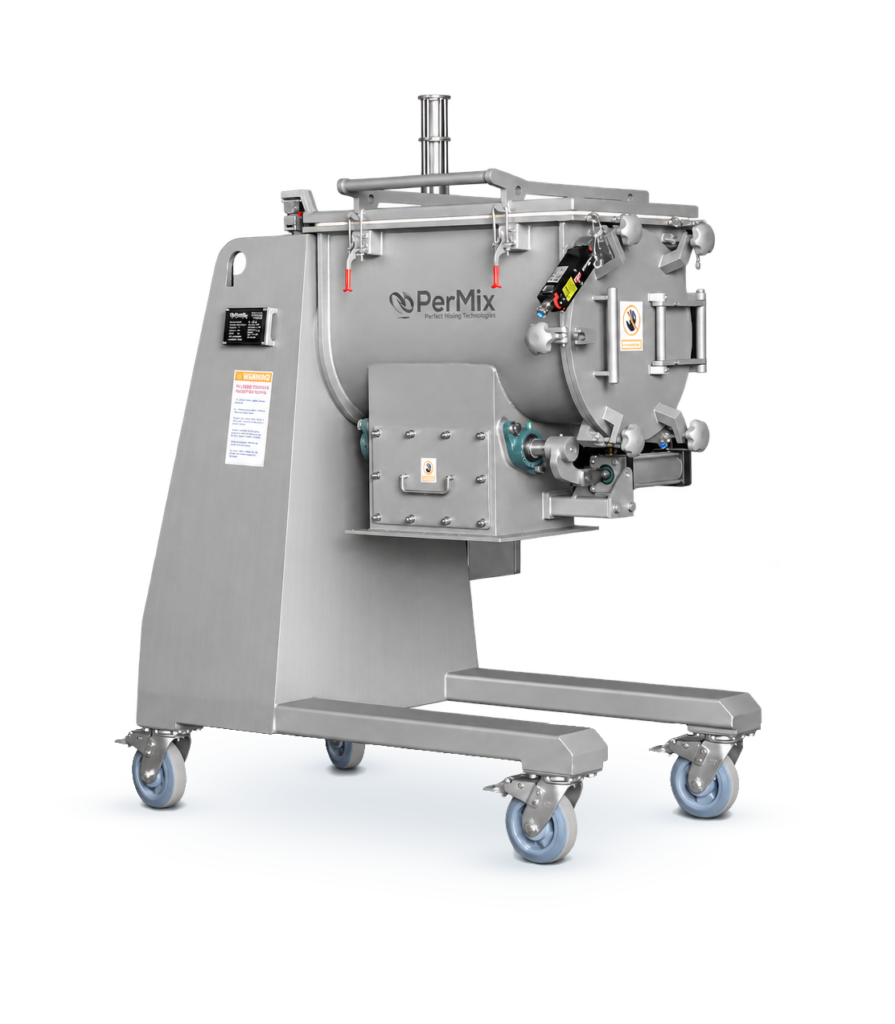
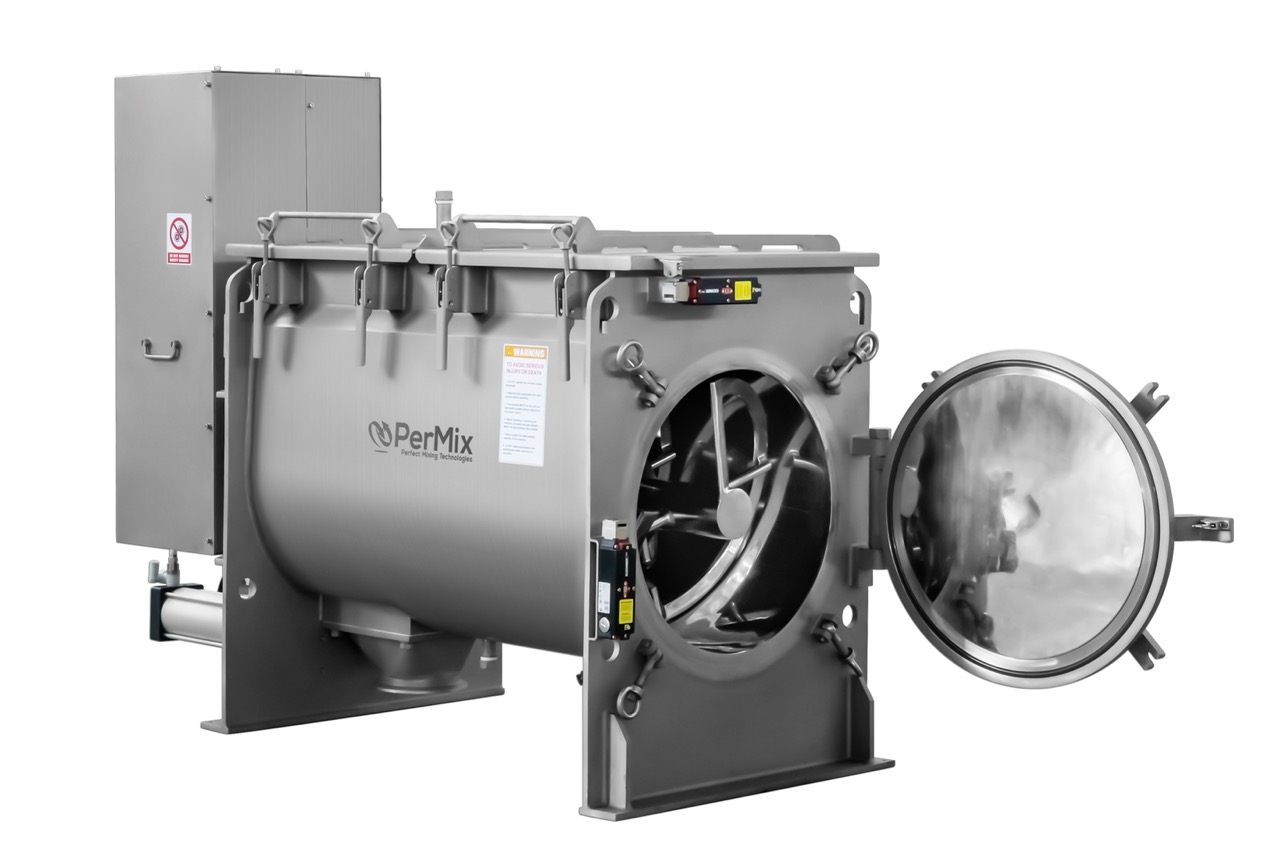
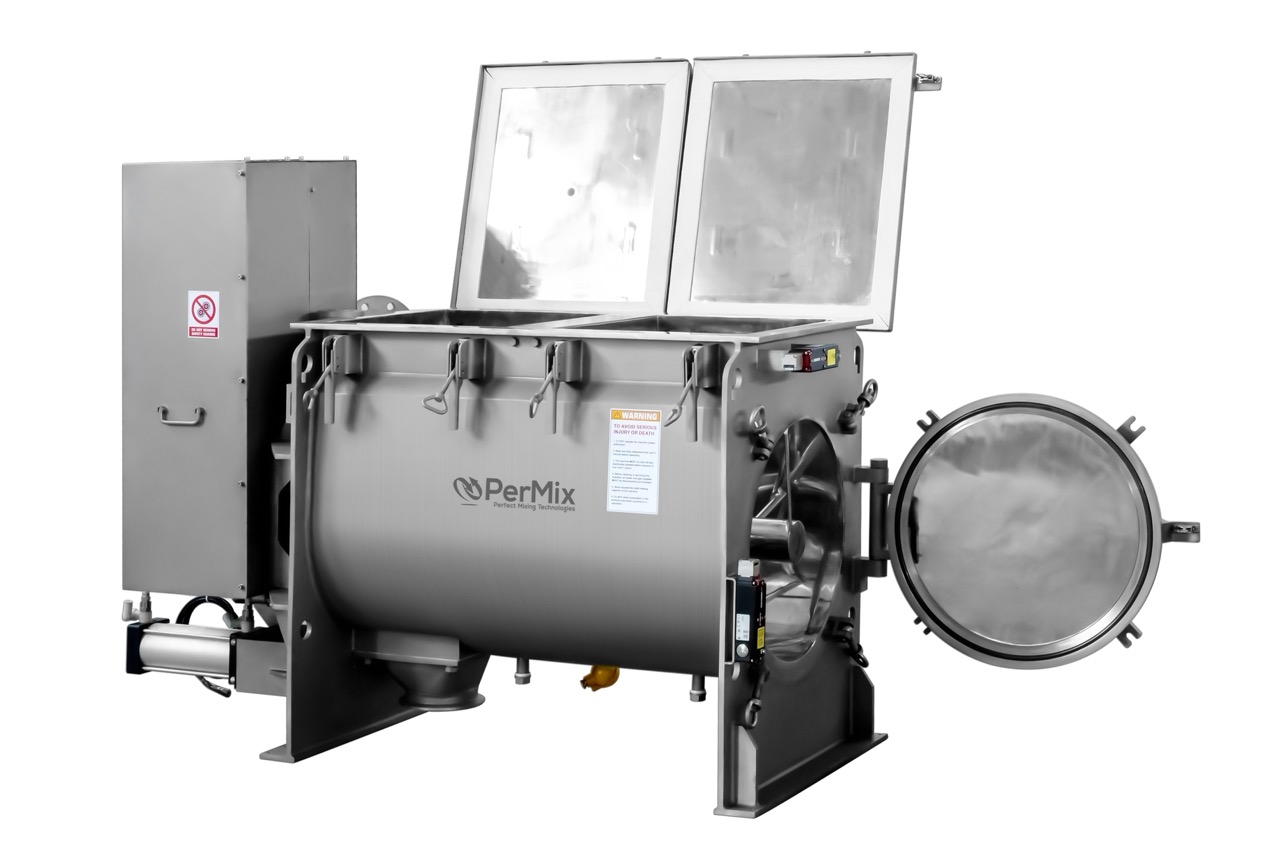
The terms are generally interchangeable. Both refer to a mixer using helical ribbon elements to create axial and radial movement through a batch of powders, granules or selected light pastes.
02Why do ribbon width and pitch matter?
Ribbon width affects how much material is engaged and transported during each revolution. Pitch affects how far and how rapidly material moves axially through the vessel. Both must be balanced with diameter, speed, bulk density, fill level and product behavior.
03Is more ribbon surface area always better?
No. Insufficient surface area can produce weak circulation, but excessive area can increase drag, torque, power consumption, shear and product heating. The correct amount depends on the application.
04Can PerMix engineer both horizontal and vertical ribbon mixers?
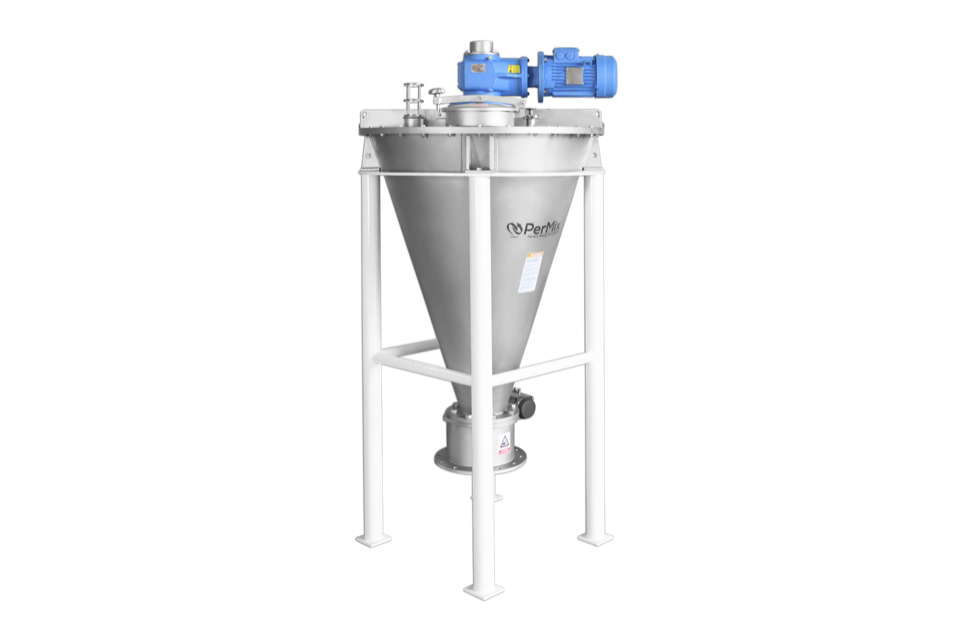
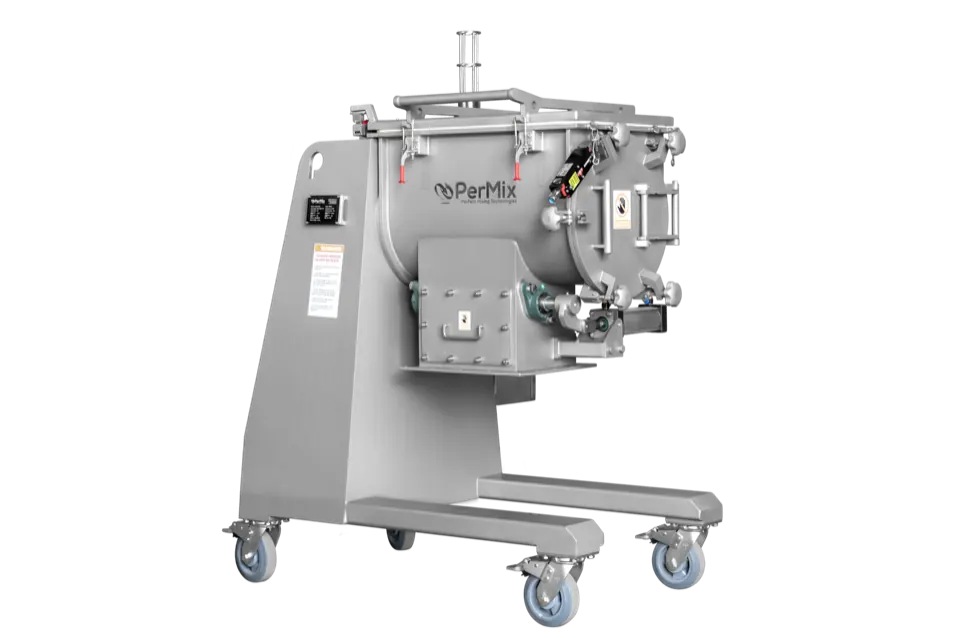
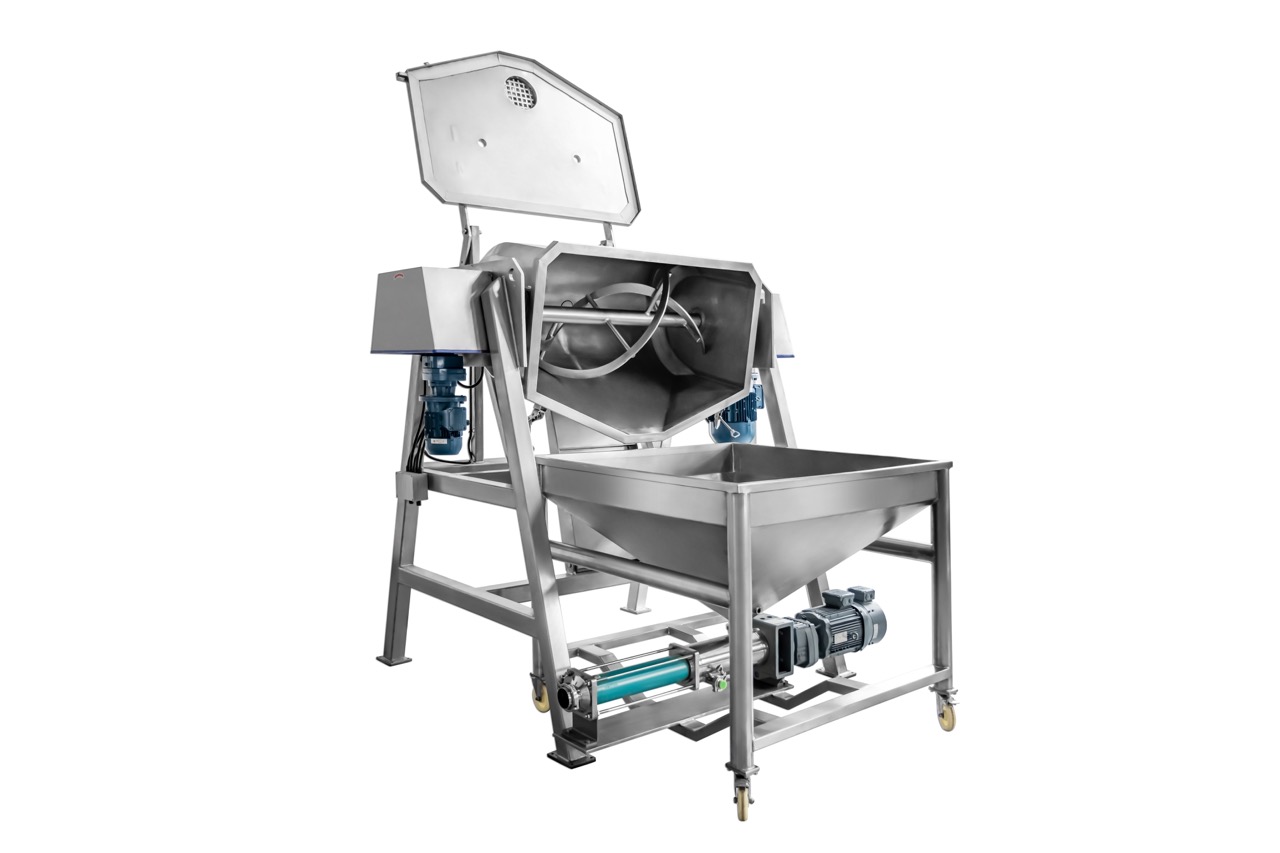
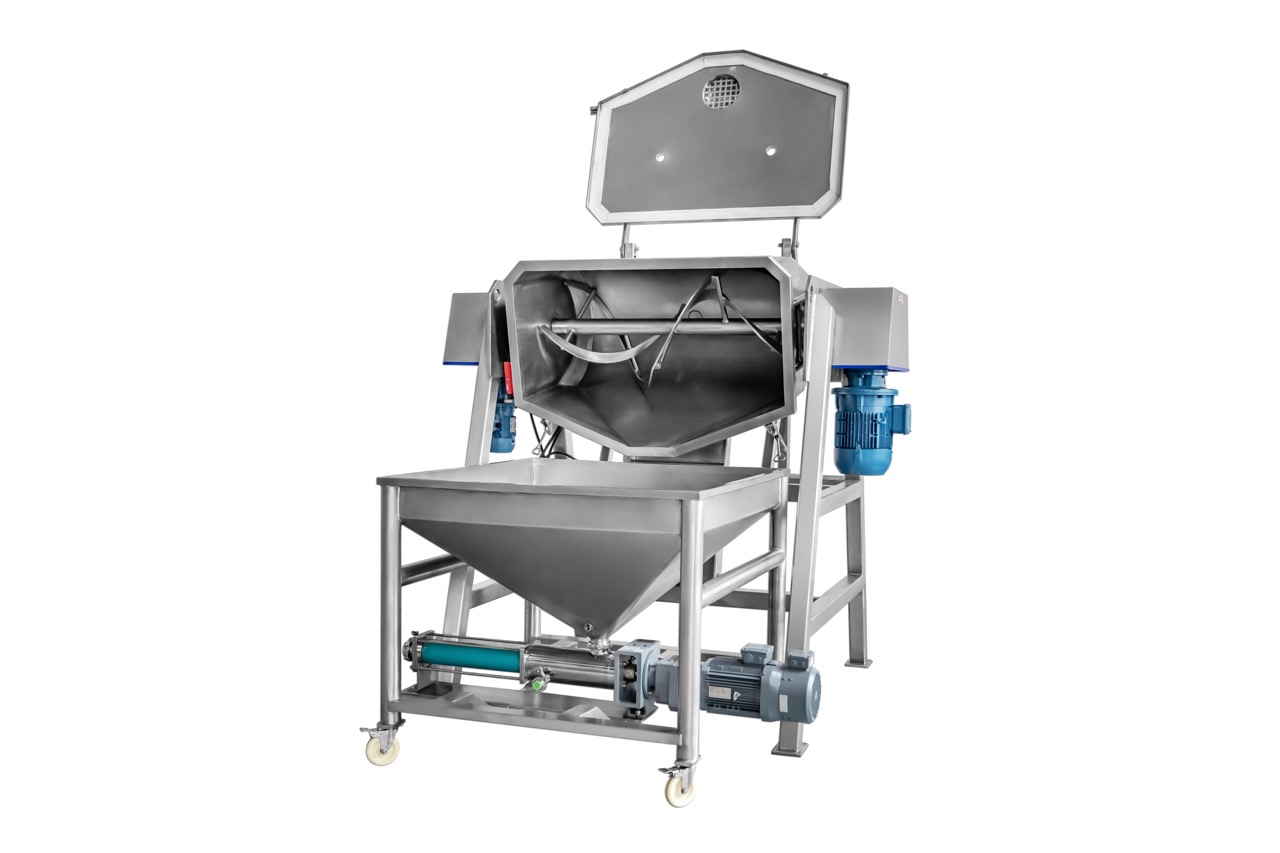
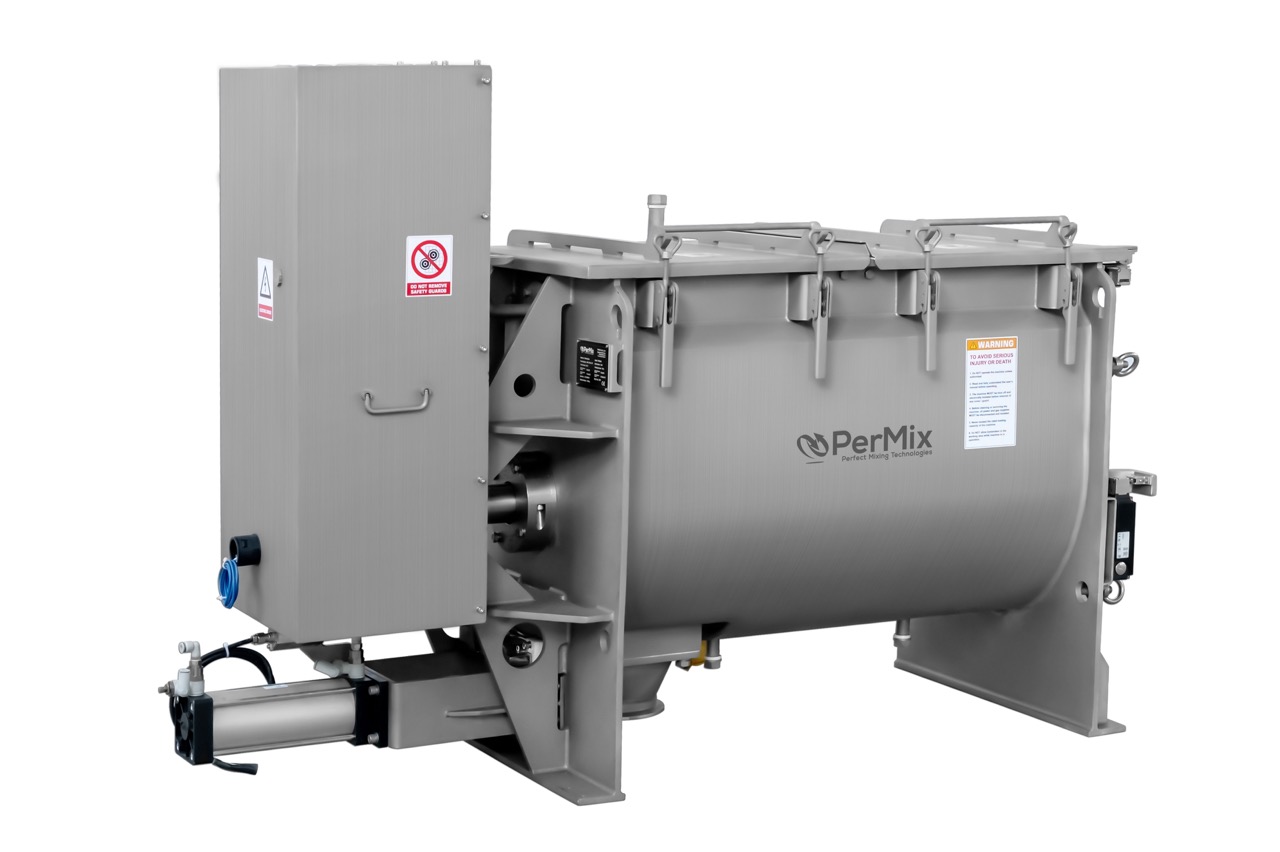
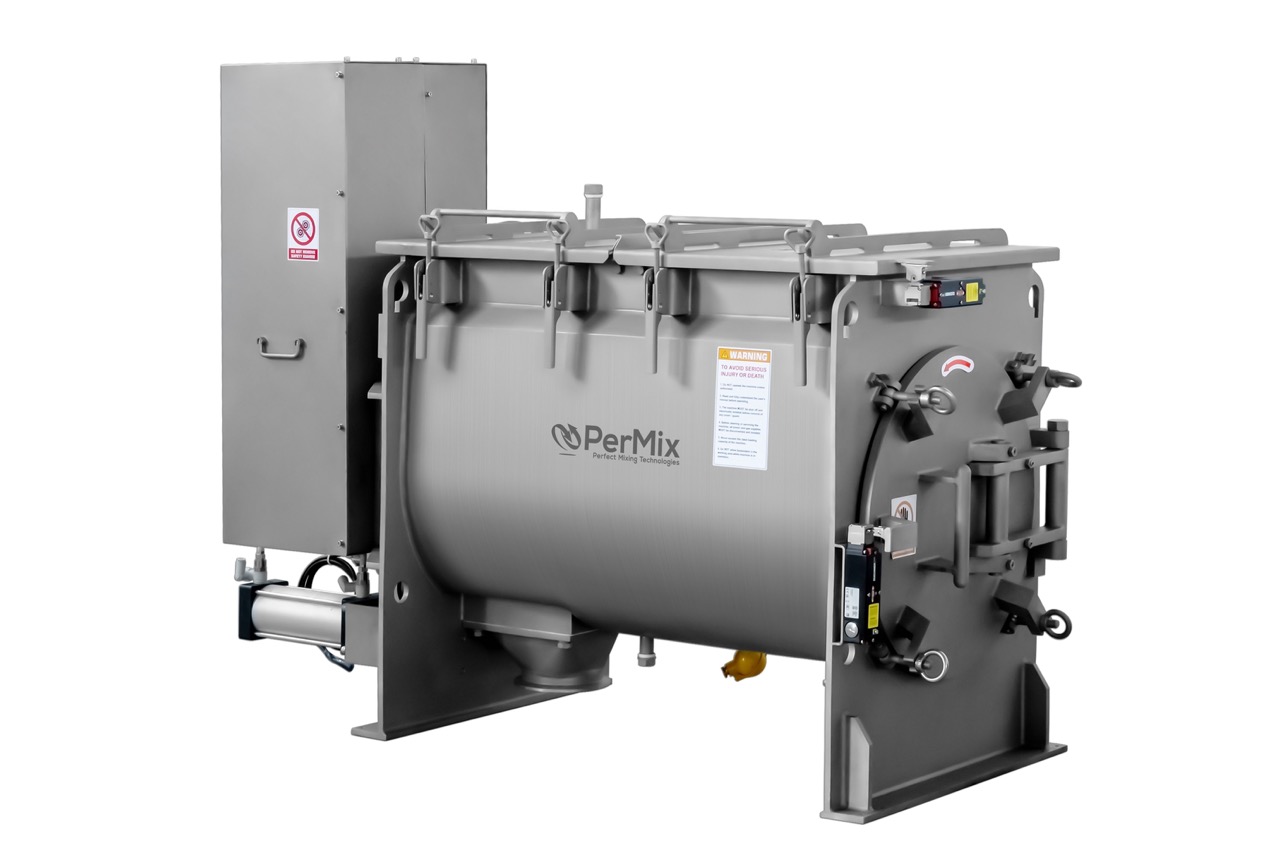
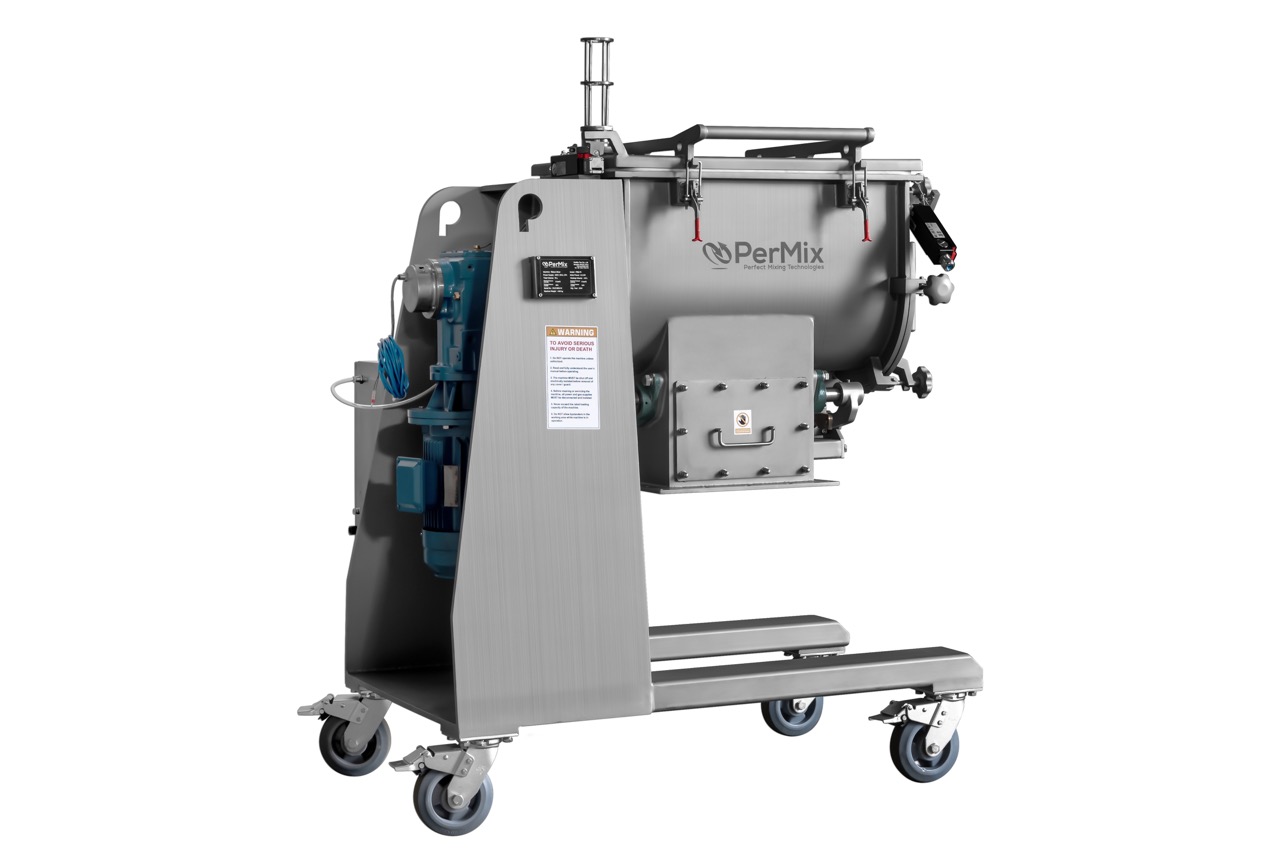
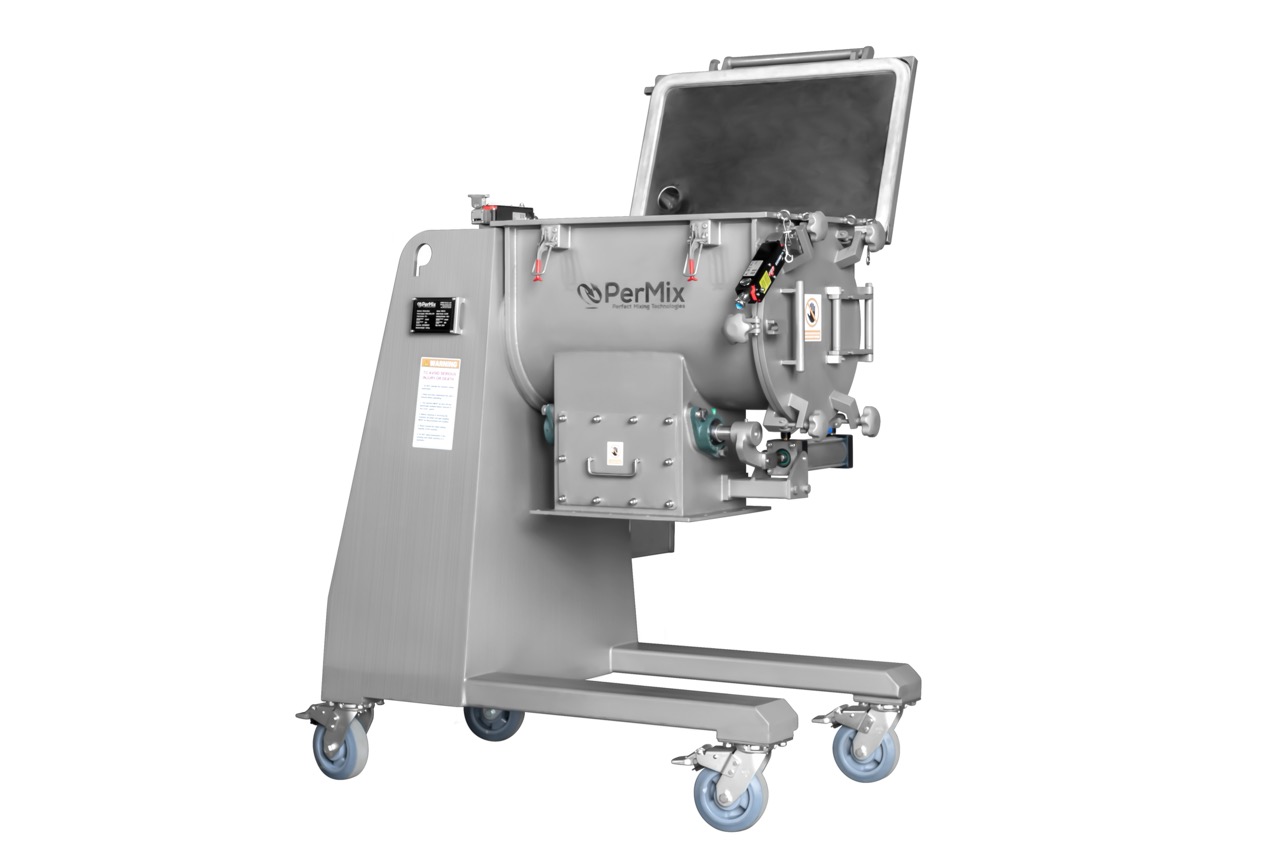
Yes. Horizontal mixers provide flexible batch blending and integration, while vertical models can reduce floor-space requirements and support gravity-assisted discharge.
05Can a PerMix ribbon mixer be heated or cooled?
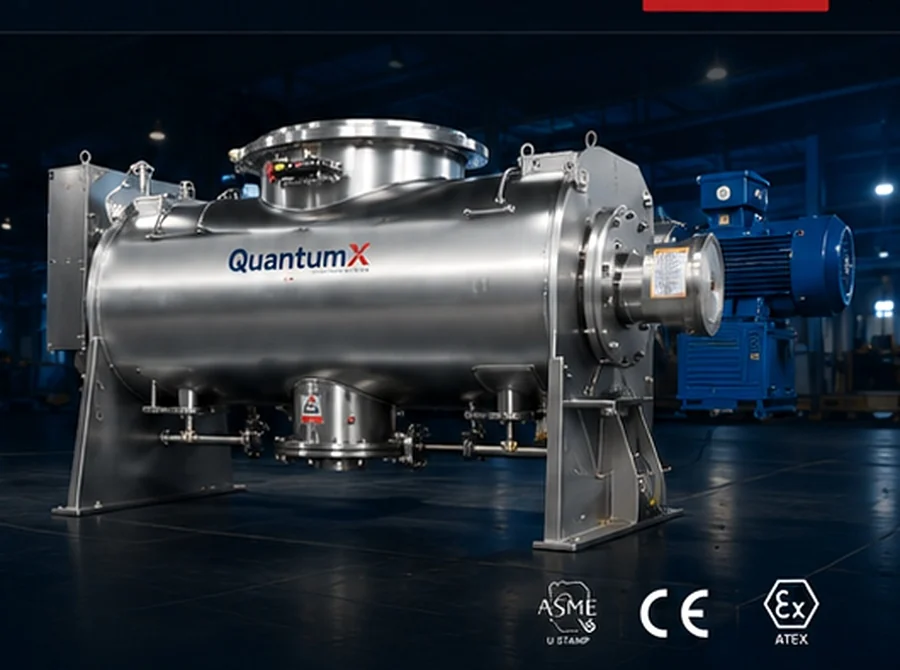
Yes. Standard models can include low-pressure, non-ASME heating or cooling jackets. More demanding thermal, vacuum, pressure, ASME or solvent-service applications are engineered under QuantumX.
06Does PerMix offer vacuum ribbon mixers and dryers?
Yes. QuantumX vacuum ribbon mixers and mixer-dryers can combine agitation, heating, vacuum and vapor handling for controlled drying, conditioning and atmosphere-sensitive processing.
07Can a ribbon mixer operate under pressure?
Pressure-rated ribbon systems can be engineered under QuantumX. Vessel rating, code requirements, seals, agitation, nozzles and safety systems are evaluated for the defined operating and design conditions.
08What materials of construction are available?
Options can include carbon steel, 304 stainless steel, 316/316L stainless steel, duplex grades, abrasion-resistant steel, selected Hastelloy and nickel alloys, titanium, ceramic liners and other application-specific materials.
09Can PerMix build ceramic-lined ribbon mixers?
Yes, for appropriate applications. The liner thickness, attachment method, impact exposure, thermal conditions and operating clearances must be incorporated into the original mechanical design.
10Can liquids be added to a ribbon mixer?
Yes, within process-specific limits. Spray nozzles, addition rate, viscosity, droplet size and batch circulation must be evaluated to avoid localized wetting or uncontrolled agglomeration.
11Can choppers be added?
Yes. Choppers or intensifiers can support deagglomeration, liquid distribution and coating when the process requires localized higher shear.
12How is the correct mixer size determined?
The mixer should be sized using batch mass, bulk density, required fill range and process behavior—not vessel volume alone.
13Can the mixer be integrated with weighing and packaging?
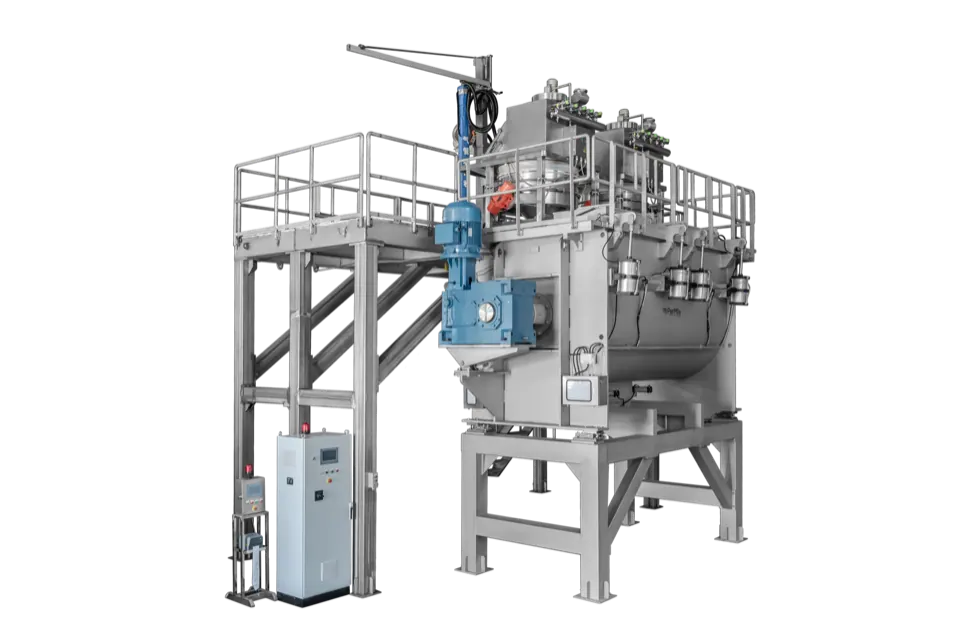
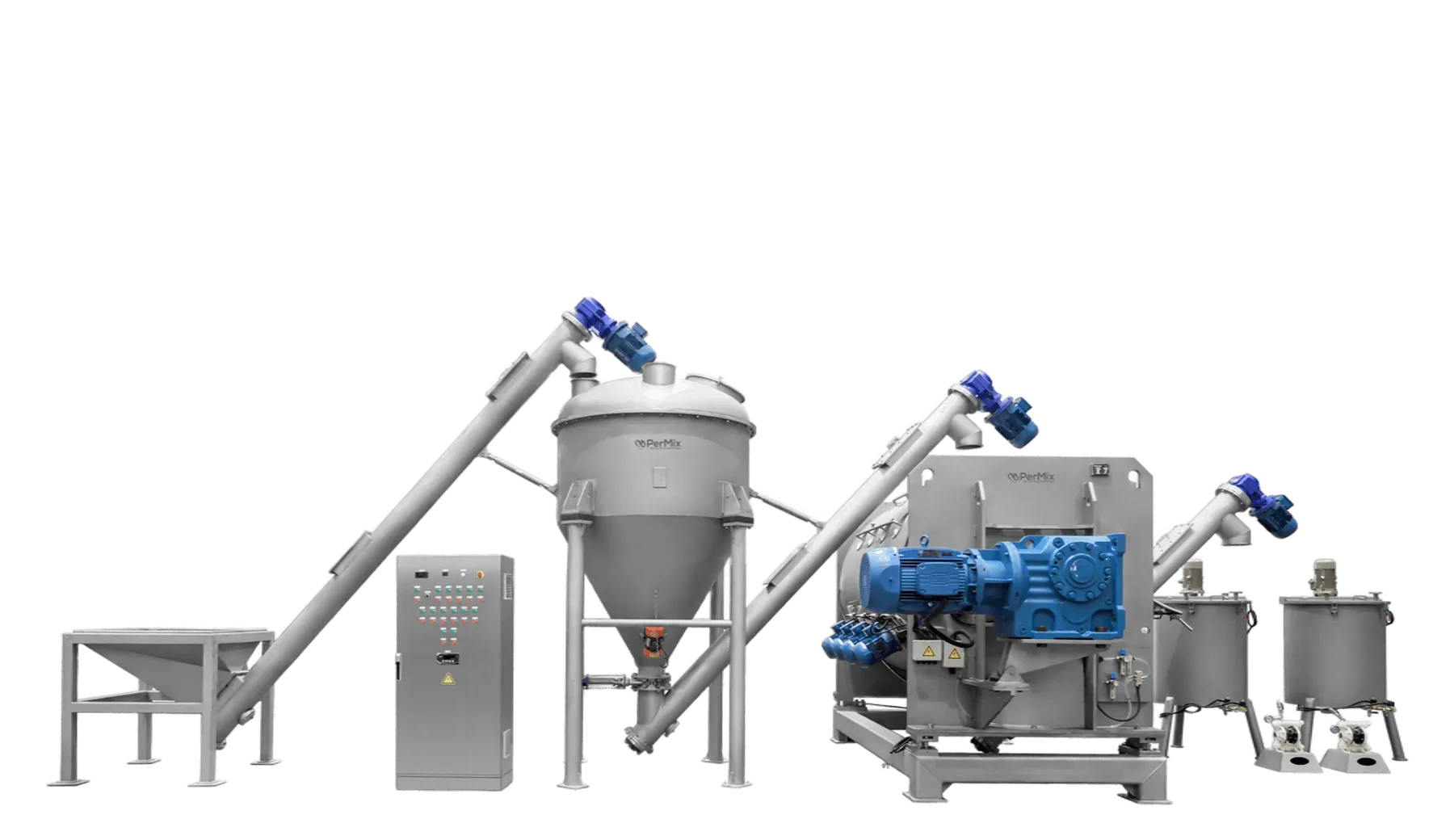
Yes. Systems can include load cells, ingredient feeders, conveying, screening, metal detection, filling, packaging and automated controls.
14When should I move from standard PerMix to QuantumX?
Use QuantumX when the process requires vacuum, positive pressure, ASME construction, ATEX, inerting, solvent handling, advanced drying, high containment or other specialty engineering.