
Blog
 Uncategorized
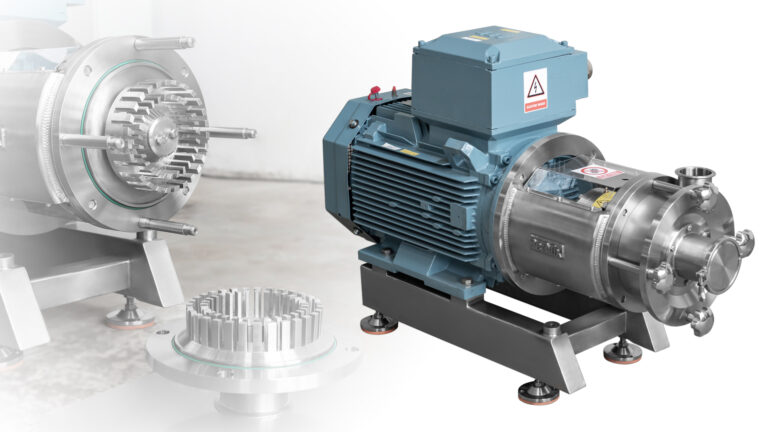
Inline Homogenizers And Achieving Single Pass Shearing Or The Need To Recirculate
Inline Homogenizers And Achieving Single Pass Shearing Or The Need To Recirculate Inline homogenizers are devices used in various industries, such as food and…
 Plow Mixers
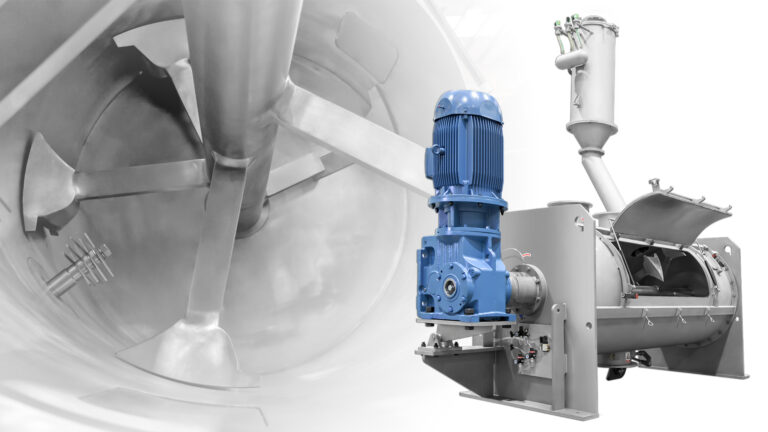
Mixing Carbon Black Using Plow Mixers & The Advantages
Carbon black is a fine powder produced by the incomplete combustion of heavy petroleum products. It is widely used as a reinforcing filler in…
 Uncategorized
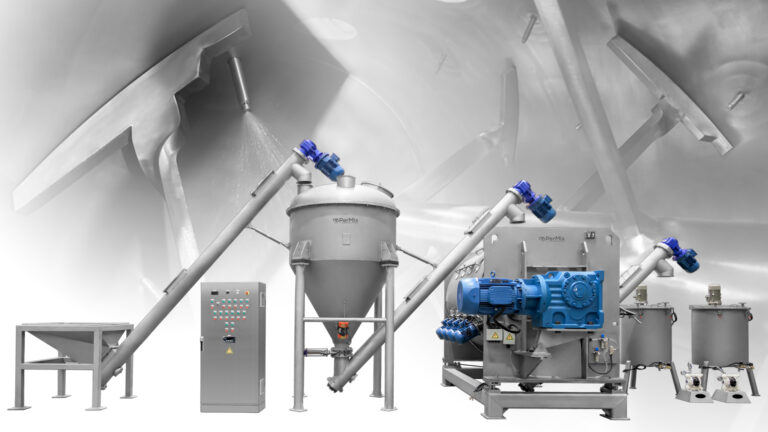
The Importance Of Atomizing Liquids When Adding Them To Powders During Mixing
Atomizing liquids during the process of adding them to powders is a critical step in various industries, especially in fields like pharmaceuticals, food processing,…
 Uncategorized
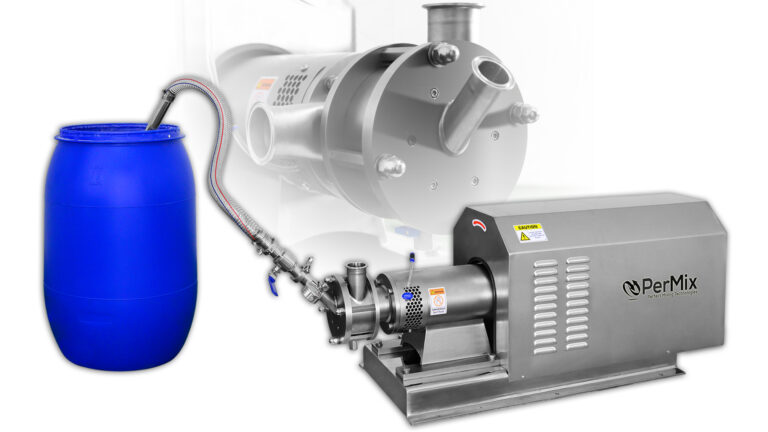
Powder Induction Mixers & How They Work
Powder induction mixers are equipment used in various industries, including food processing, pharmaceuticals, chemicals, and cosmetics, to efficiently mix and disperse dry powders into…
- Uncategorized
Shear Pumps: The Myths About Head Pressure & When To Use A Two Pump System
The Myths About Shear Pumps, Head Pressure, & When To Use A Two Pump System Shear pumps, head pressure, and pump systems are concepts…
 Uncategorized
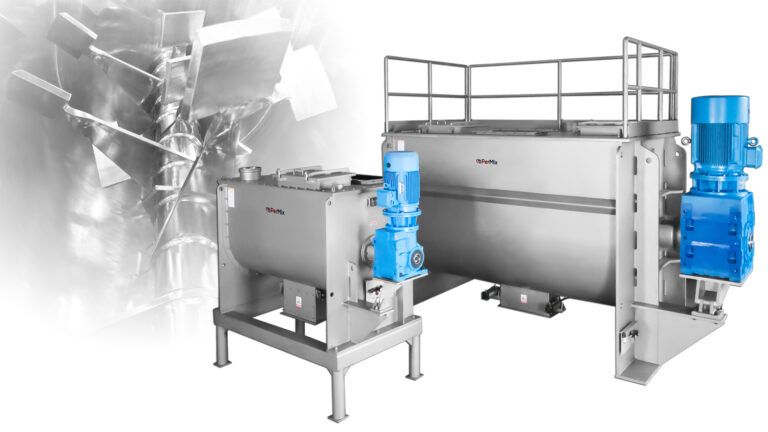
How Replacing A Ribbon Mixer With A Single Shaft Fluidized Zone Mixer Will Increase Efficiencies
Replacing a ribbon mixer with a single-shaft fluidized zone mixer can lead to several potential efficiency improvements in certain applications. Here are some reasons…
 Uncategorized
A Quick and Accurate Mixing
Powder mixing is a critical process in many industries, including food production, pharmaceuticals, and cosmetics. It involves combining different powdered ingredients to create a…
 Uncategorized
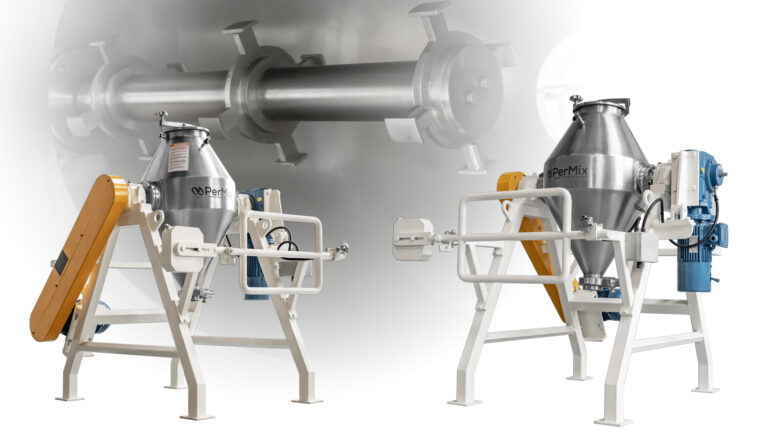
The Purpose Of An Intensifier Bar In A Vacuum Double Cone Mixer & Dryer
In a vacuum double cone mixer dryer, an intensifier bar serves a crucial role in enhancing the mixing and drying processes. This type of…
 Uncategorized
Why Cook & Chill Has Failed In The Past & What Makes It Successful Now
“Cook and Chill” is a foodservice system that involves preparing and cooking food in advance, rapidly chilling it, and then storing it until it…
 Uncategorized
The Difference In Loss-In-Weight Feeders And Gain-In-Weight Feeders And Which One Is Right For Your Mixing Application
Loss-in-weight feeders and gain-in-weight feeders are both types of gravimetric feeders used in industrial processes, particularly in applications where precise control over material flow…
 Uncategorized
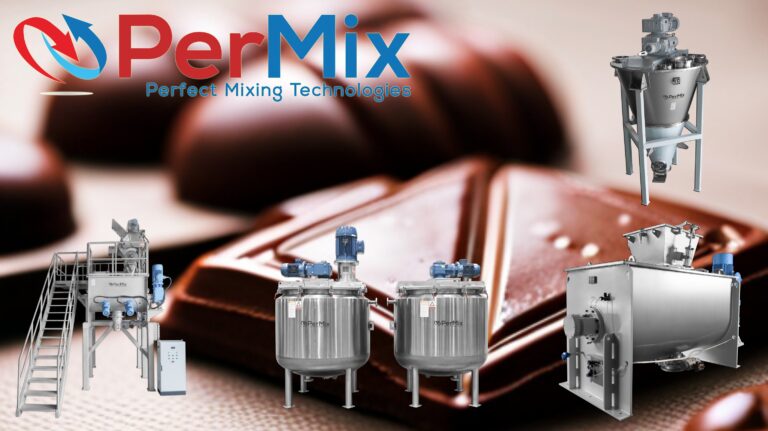
What Enriched Chocolate Is And The Mixers Used In Adding In The Ingredients
Chocolate is primarily made from cocoa beans, sugar, and fat. The process involves harvesting and fermenting cocoa beans, roasting them, and then grinding them…
 Uncategorized
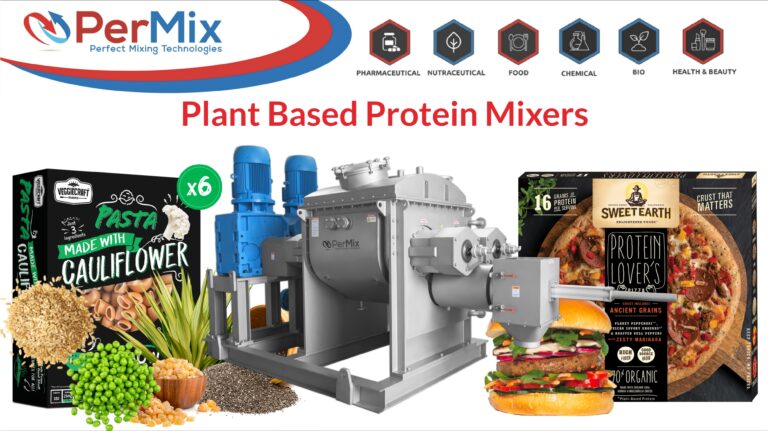
The Truth About Plant Based Proteins, The Amount Of Energy It Takes To Process Them, And The Issues With Lean Manufacturing Them
The truth about plant-based proteins involves various aspects, including their nutritional content, energy requirements for processing, and potential issues with lean manufacturing. Let’s break…
 Uncategorized
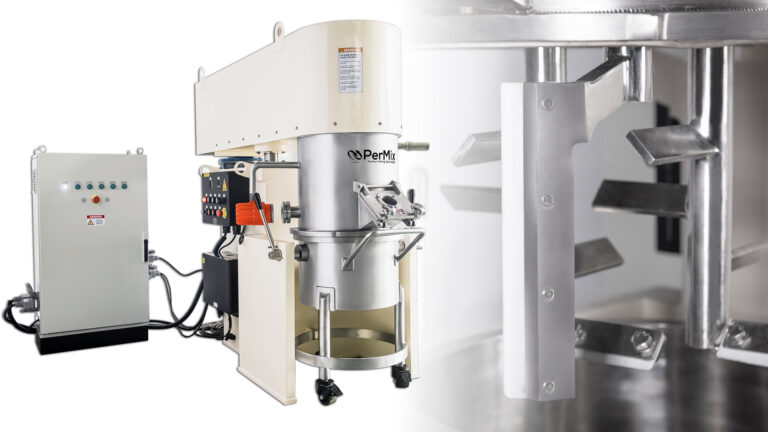
The Versatility Of Double Planetary Mixers, From Food to Pharmaceuticals, Chemicals to Cosmetics
Double planetary mixers are versatile and efficient mixing devices that find application across various industries, including food, pharmaceuticals, chemicals, and cosmetics. The design of…
 Uncategorized
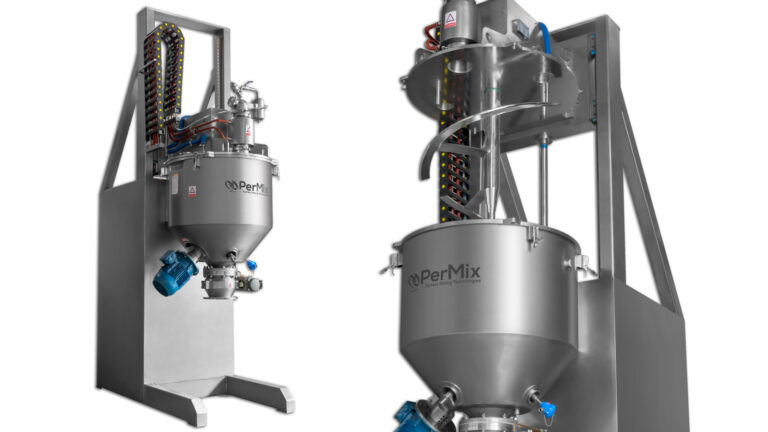
The Use Of Nitrogen Purging In Vacuum Mixers
Nitrogen purging is a process commonly used in various industries, including the manufacturing and processing of materials, pharmaceuticals, chemicals, and food. While vacuum mixers…
 Uncategorized
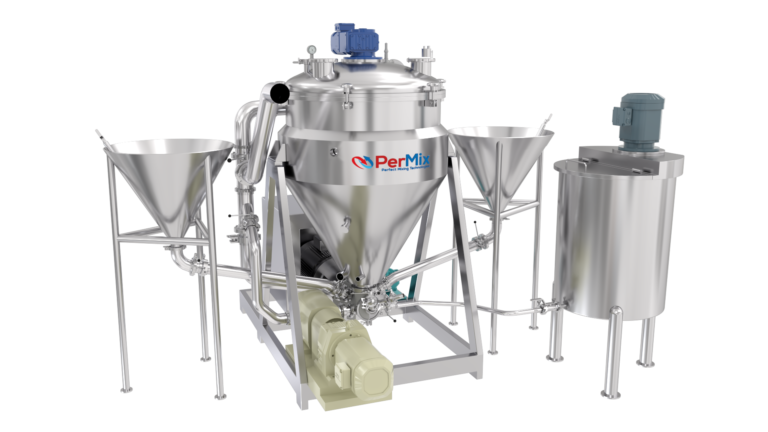
How To Produce Ketchup In An All-in-One PerMix Vacuum Emulsifier
Producing 200 liters of ketchup in PerMix’s all-in-one vacuum emulsifier is a large-scale operation, and you’ll need our industrial-grade equipment. Here’s a general guide…
 Uncategorized
How Plant Based Milks Are Produced & The Various Types
Plant-based milks are non-dairy alternatives to traditional animal milk, and they are made from various plant sources. The production process for plant-based milks can…
Request engineering support
Let’s talk about your process.
Share your material and batch requirements. A PerMix engineer will review the application and recommend a mixer.