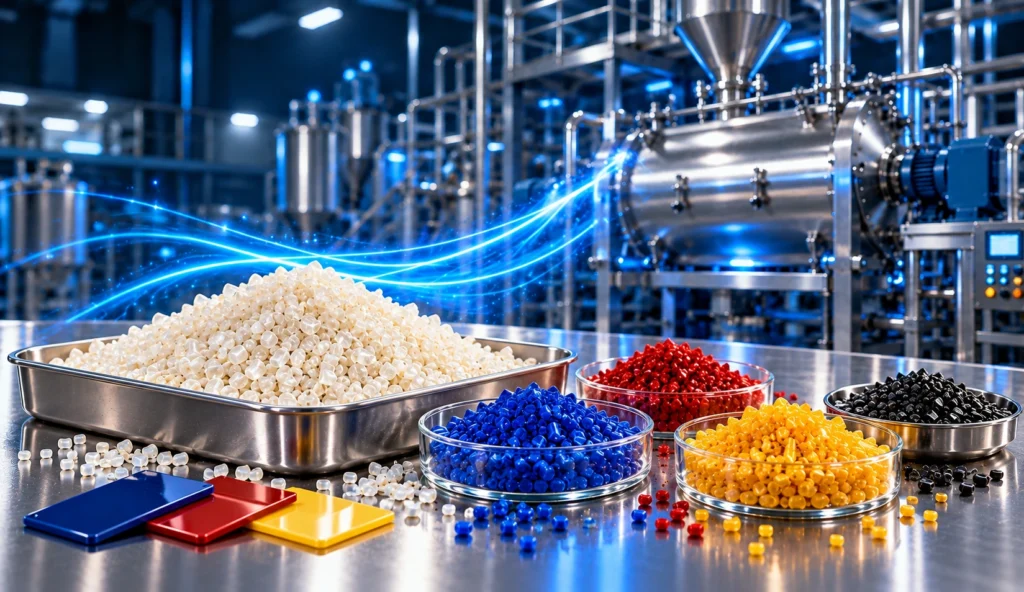
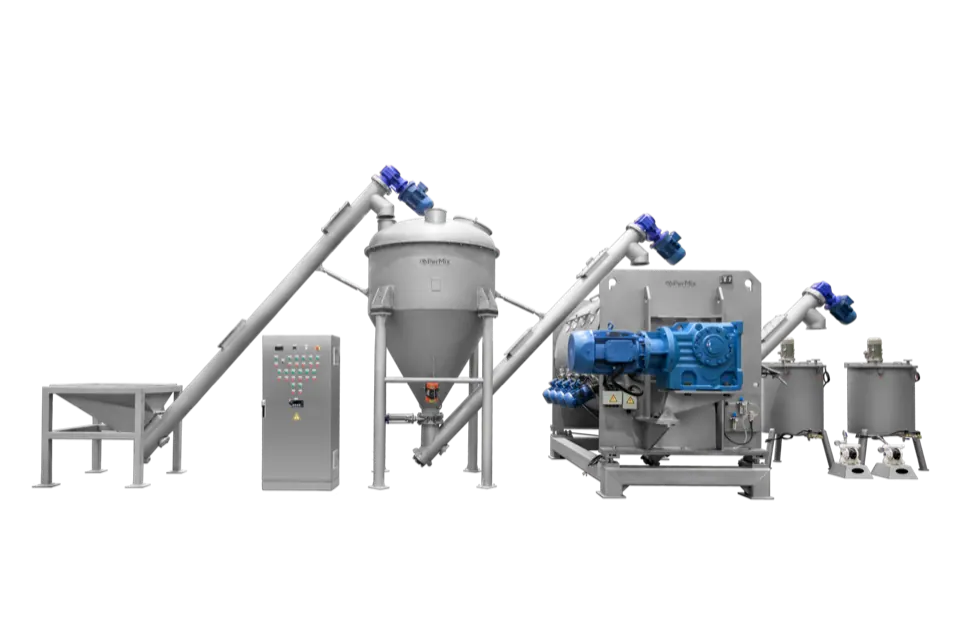
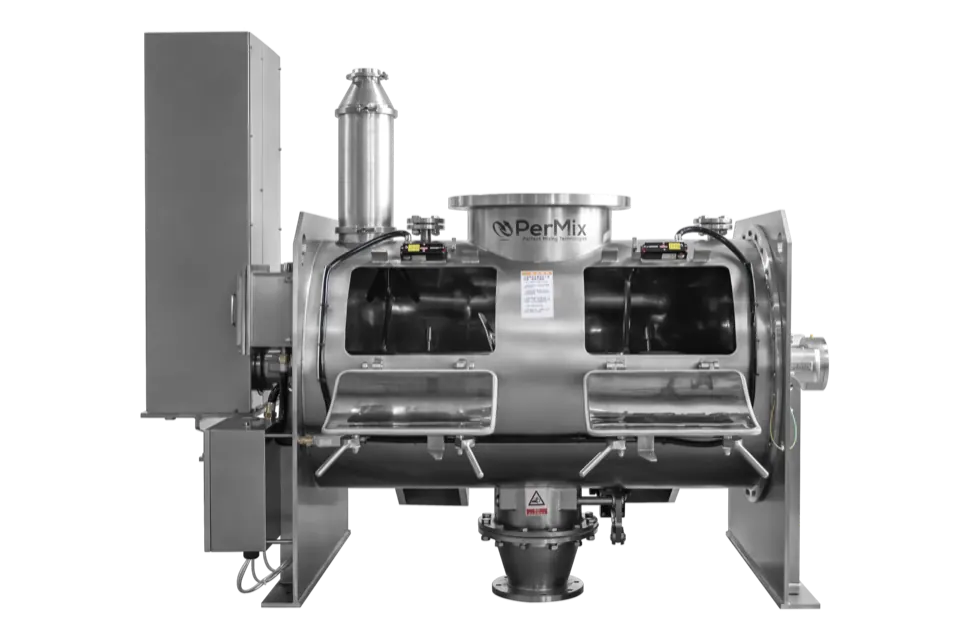
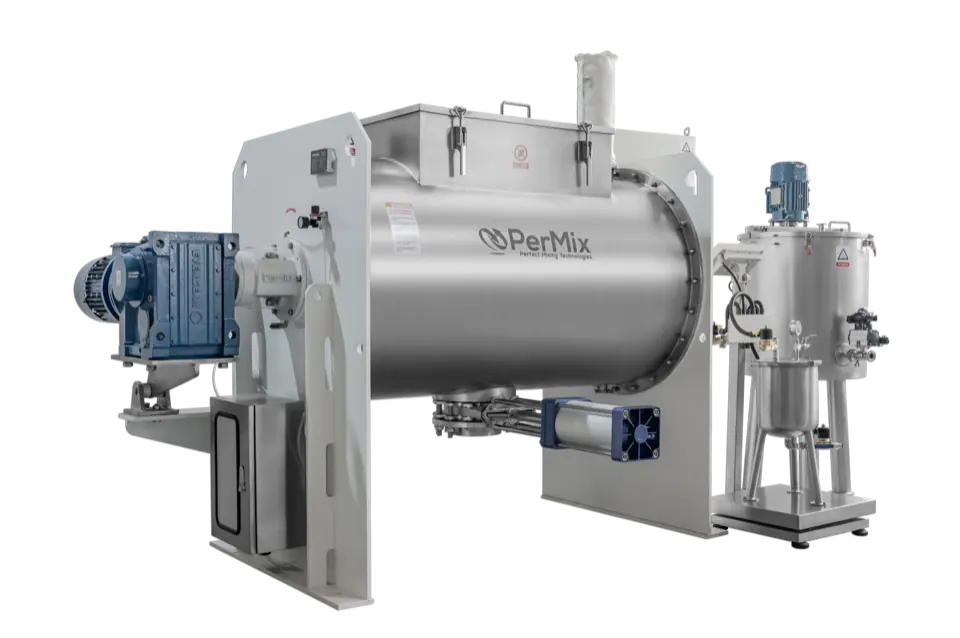
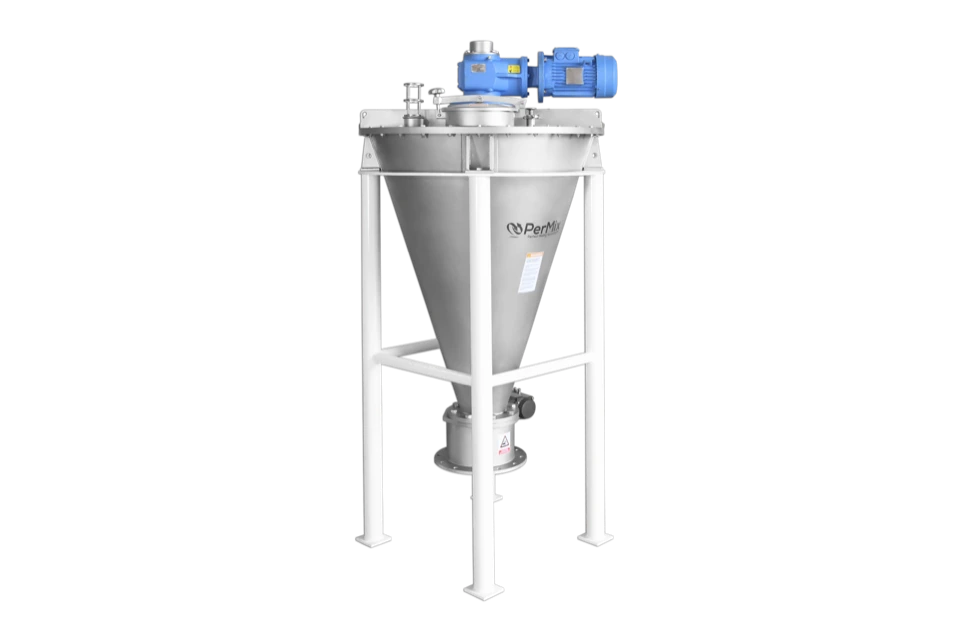
White polymer resin and colored masterbatch pellets displayed in front of stainless steel industrial mixing equipment.

Plastics, Polymers & Masterbatch Mixing Systems

Mixing Equipment Engineered for Resins, Pellets, Powders and Additive Packages

Plastic and polymer processing depends on the uniform distribution of pigments, stabilizers, fillers, flame retardants, processing aids and other functional ingredients.

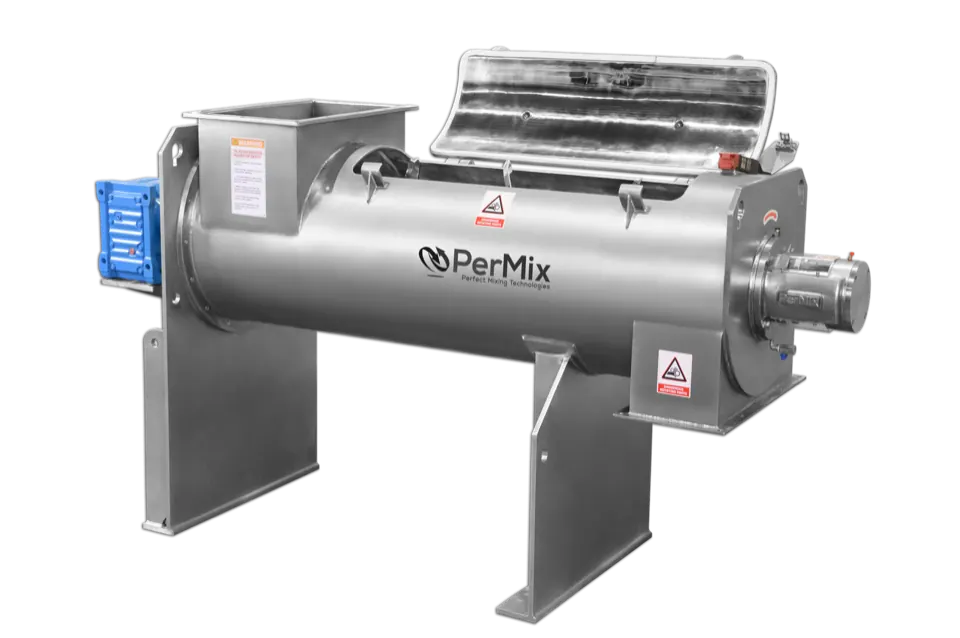
PerMix engineers dry mixing systems for resin powders, pellets, regrind, masterbatch, recycled polymers and additive packages.

When the process requires vacuum, pressure, inerting, hazardous-area execution, advanced thermal control or specialty containment, the application moves into QuantumX. When the process has a liquid continuous phase — such as a polymer solution, resin, coating or additive dispersion — it moves into EmulXion.

Submit Your Product and Batch Information
  • 01Mixer selection based on resin and additive behavior
  • 02Gentle pellet handling or intensive powder dispersion
  • 03Wear-resistant construction
  • 04Static and dust-control options
  • 05Controlled liquid addition
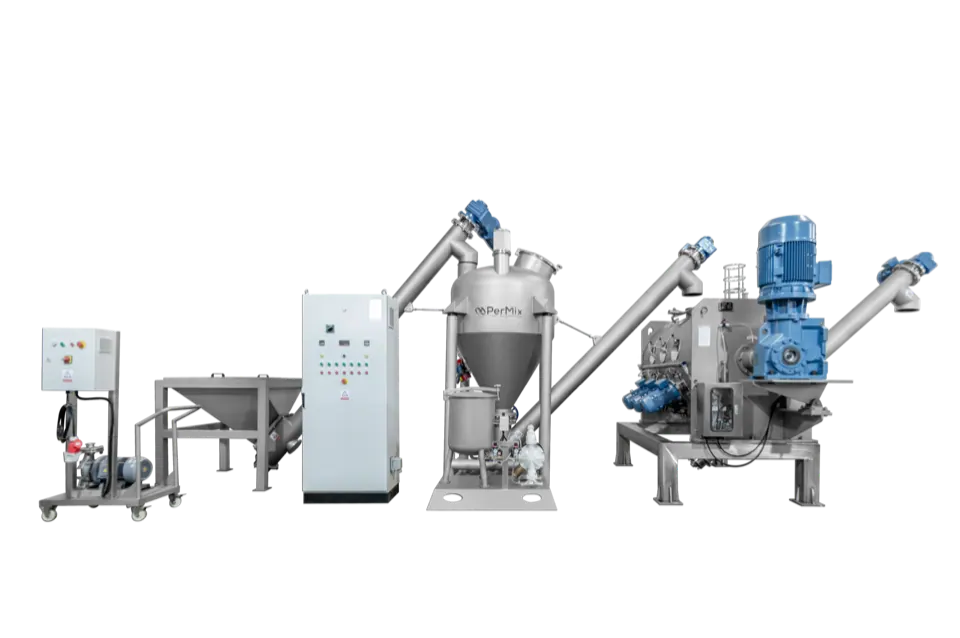
  • 06Integration with extrusion and compounding

The complete compounding basis

Polymer Mixing Is More Than Combining Pellets and Pigments

PerMix evaluates the complete material and compounding basis before selecting the mixer.

  1. 01Density

    A light pigment may need to be distributed through dense polymer pellets.

  2. 02Abrasion

    A mineral filler may abrade conventional surfaces.

  3. 03Variability

    A recycled polymer stream may vary from lot to lot.

  4. 04Heat

    A heat-sensitive resin may soften or smear if the mixer transfers too much mechanical energy.

Plastic formulations may contain ingredients with extreme differences in:

  1. Bulk density
  2. Particle size
  3. Shape
  4. Electrostatic behavior
  5. Surface chemistry
  6. Abrasion
  7. Thermal sensitivity
  8. Liquid content
  9. Inclusion percentage

Three processing platforms

The Correct Brand Depends on the Process Duty

Atmospheric dry mixing, specialty vacuum and thermal duty, and liquid processing each have a dedicated platform.

Dry mixing

PerMix Industrial Mixer

PerMix Standard Mixers

Atmospheric Dry Mixing of Resins, Pellets and Additives

For atmospheric dry mixing of resin powders, pellets, regrind, masterbatch and additive packages.

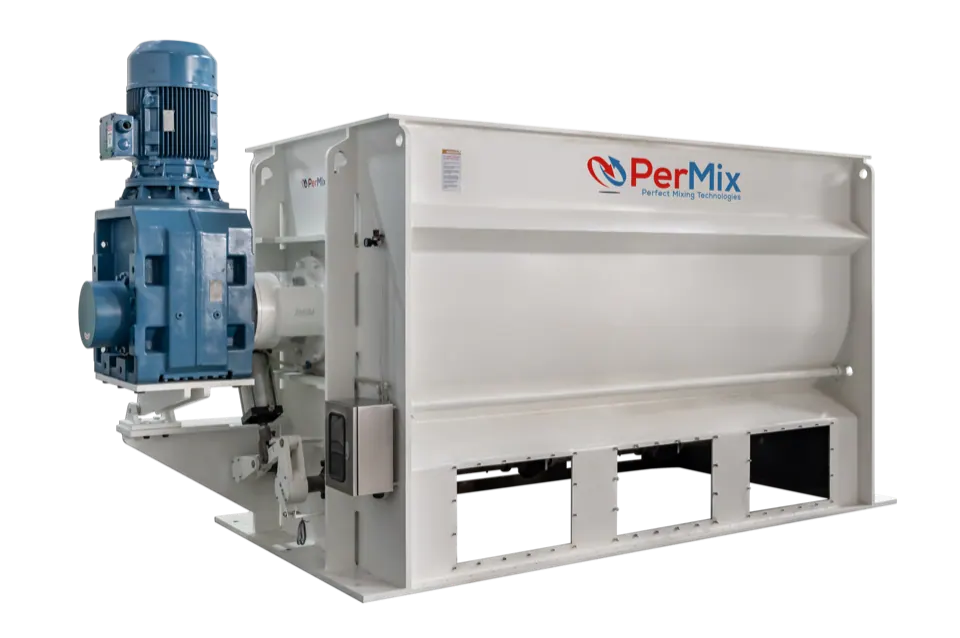
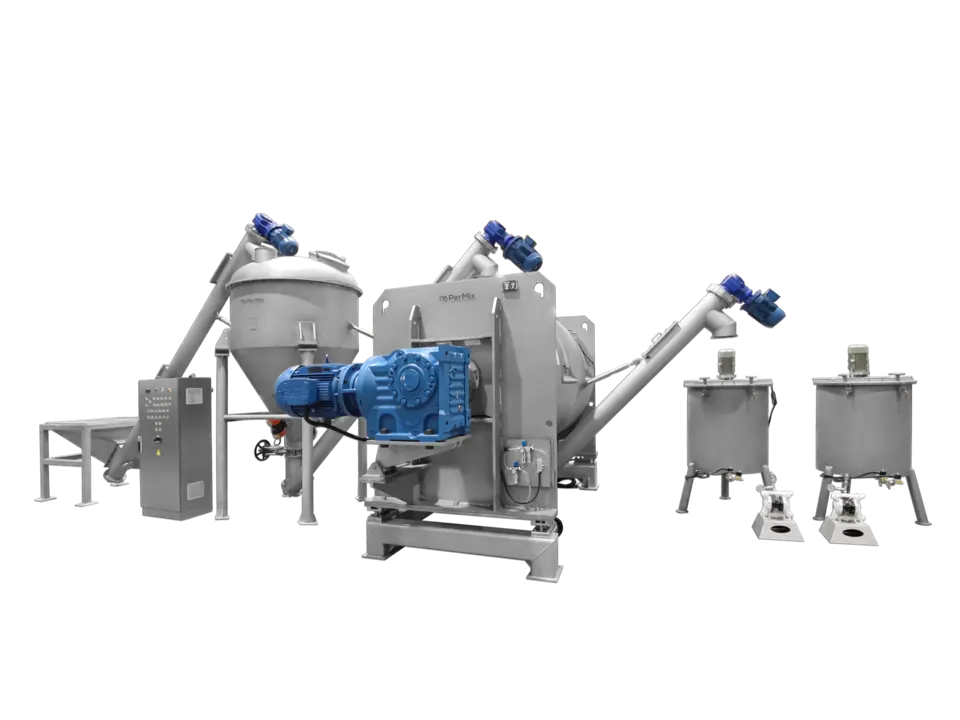
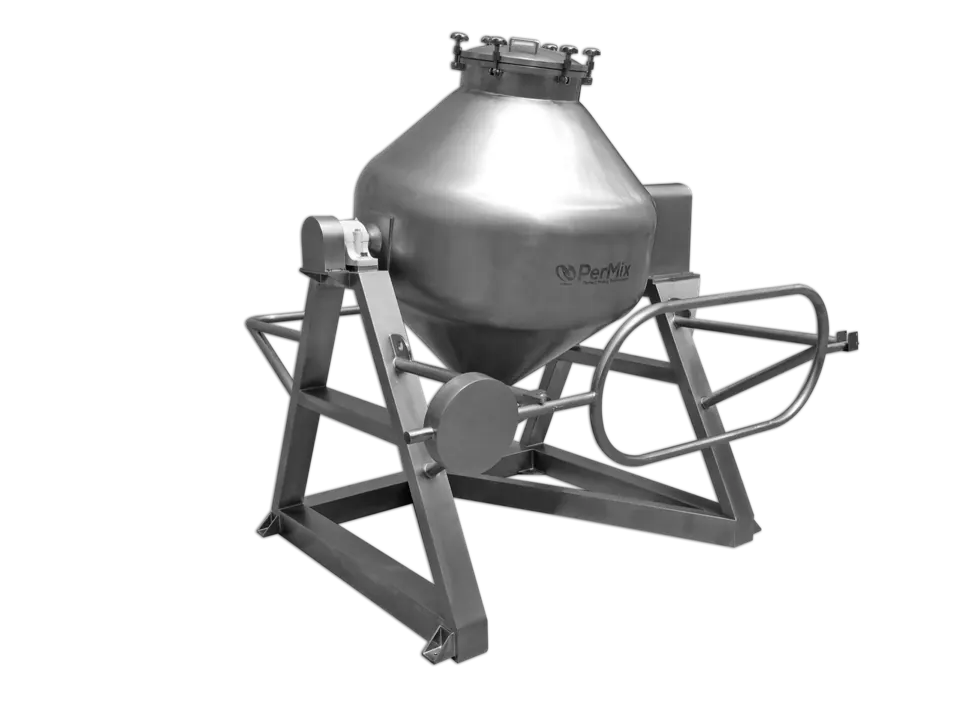
RibbonPaddlePloughshareDouble Cone

For atmospheric mixing of
  • Resin powders
  • Pellets
  • Regrind
  • Masterbatch
  • Fillers
  • Pigments
  • Stabilizers
  • Flame retardants
  • Processing aids
  • Recycled materials

Specialty

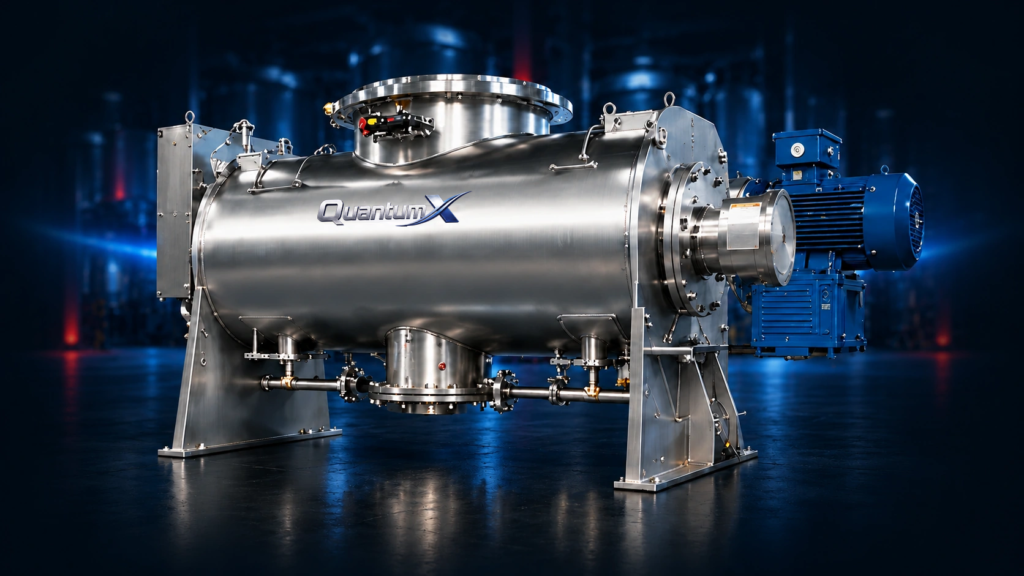
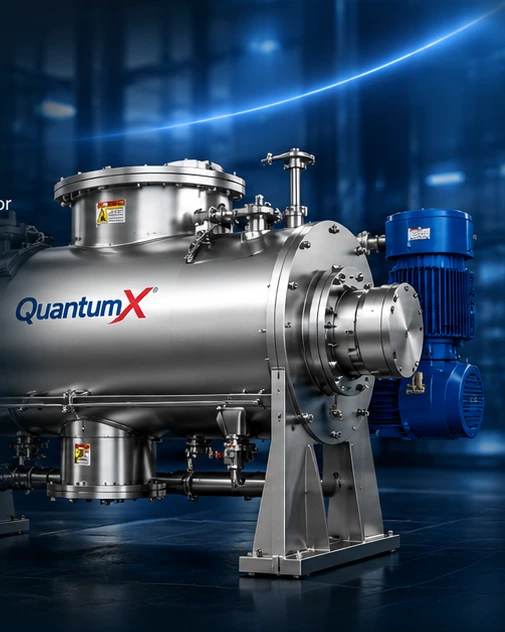
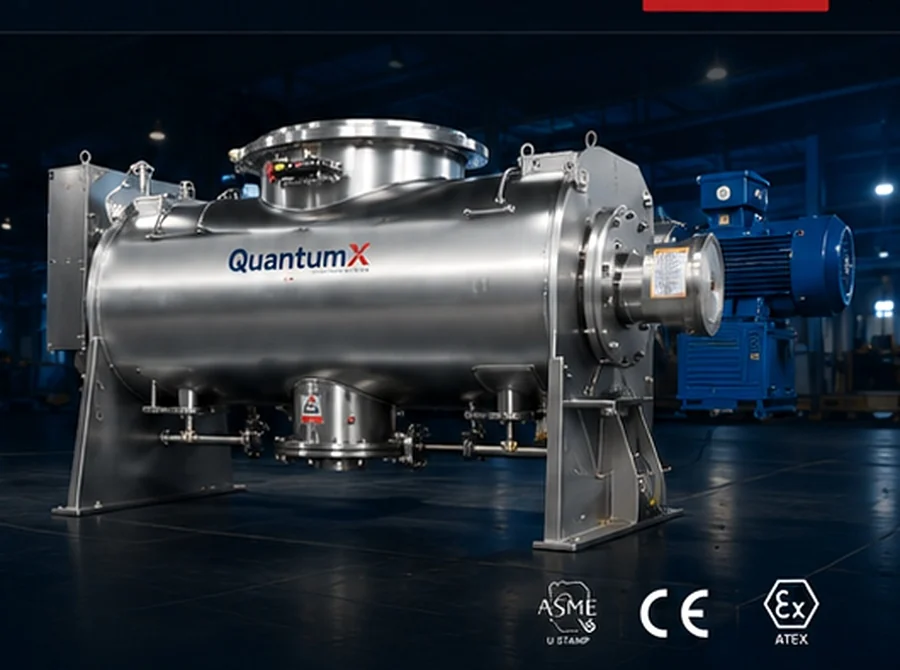
QuantumX stainless steel industrial mixer with blue drive motor

QuantumX Specialty Systems

When Atmospheric Mixing Is Not Enough

For polymer processes that require vacuum, inerting, pressure, hazardous-area execution or advanced thermal control.

For

Vacuum processingMoisture removalControlled atmospherePositive pressureATEXSolvent serviceAdvanced thermal conditioningReactive processingHigh containment

Liquids

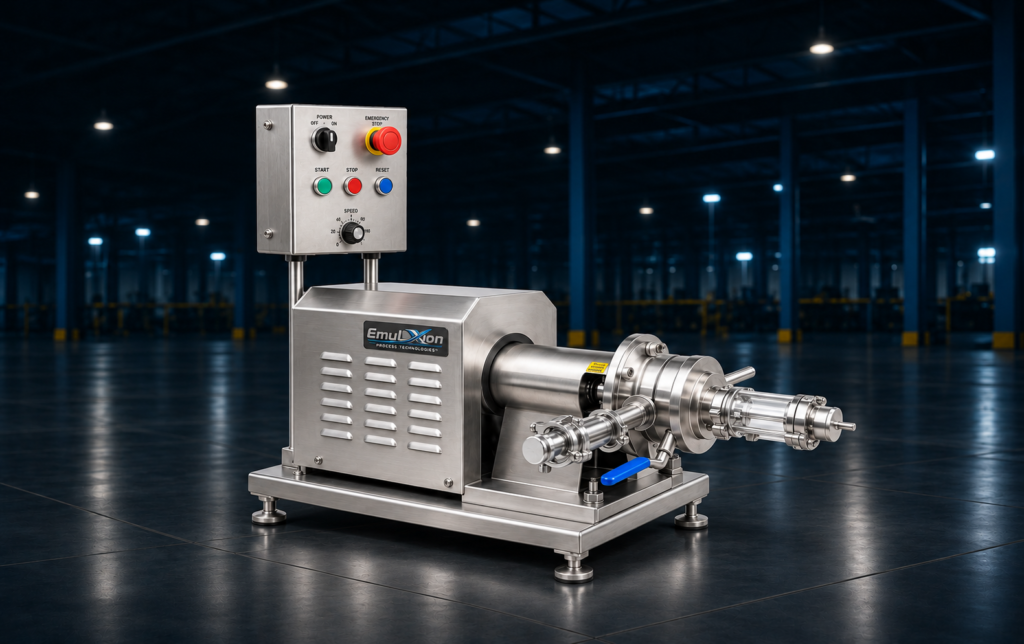
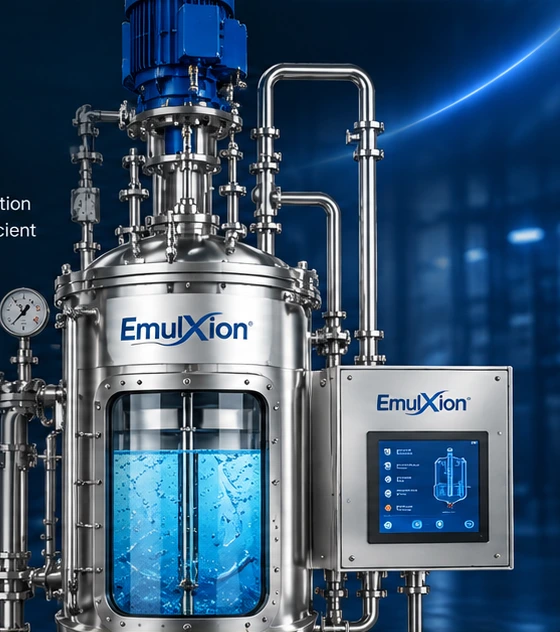
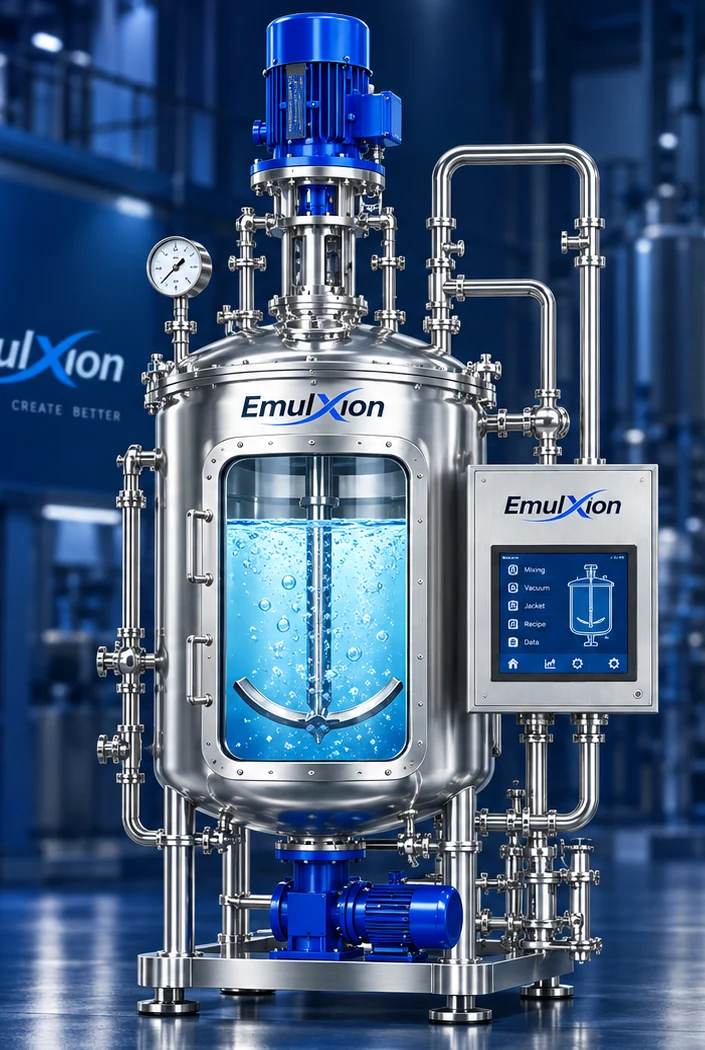
EmulXion stainless steel inline high shear mixer with control panel in an industrial plant

EmulXion Liquid Processing

Resins, Coatings and Dispersions

For products with a liquid continuous phase that need agitation, high shear or deaeration.

For

Polymer solutionsResinsCoatingsAdhesivesLiquid additivesPigment dispersionsSuspensionsEmulsionsHigh-viscosity systems

Selecting the right polymer mixer

Six Pathways. One Right Answer for Your Formulation.

PlatformMixing characterStrongest applicationsKey engineering questions
Ribbon Mixer Axial and radial circulationResin powders, additive packages, general dry compounds and powder premixesBulk density, ribbon geometry, additive concentration and discharge
Paddle Mixer Gentle lifting and foldingPellets, regrind, fragile granules and variable-density materialsPellet integrity, paddle geometry, static and rapid discharge
Ploughshare Mixer Mechanical fluidizationPigment dispersion, filler distribution, intensive additive blending, liquid coating and difficult powdersPlough profile, choppers, wear, heat generation and liquid addition
Double Cone Mixer Gentle tumble blendingFree-flowing specialty powders, pellets and high-value low-shear blendsFlowability, density differences, fill level and segregation
QuantumX Application-specificVacuum, drying, inerting, pressure, ATEX and controlled thermal processingTemperature, moisture, oxygen, vapor and code requirements
EmulXion Agitation, high shear and deaerationLiquid polymers, resins, coatings and dispersionsViscosity, solids loading, particle size and heat removal

Not sure which row fits? Tell us the material, the batch and what the current process must improve — we will narrow it down.

01Uniformity

Additive Distribution

Low-percentage additives may include

StabilizersAntioxidantsUV absorbersLubricantsProcessing aidsColorantsFlame retardantsNucleating agentsConductive additives

Uniformity depends on loading sequence, preblending, mixer fill, particle properties and discharge.

02Safety

Static and Dust

Fine plastic and rubber dust can present both housekeeping and combustible-dust concerns. OSHA includes plastics and rubber among materials that may form combustible dust under appropriate conditions. The actual hazard must be established using material-specific data and the facility’s hazard analysis.

Source: OSHA

Potential controls include

Grounding and bondingConductive componentsDust-tight chargingFiltered ventingClassified electrical equipmentExplosion protectionInertingClosed transfer

03Thermal

Heat Sensitivity

Mechanical energy can soften, smear or agglomerate

Thermoplastic powdersWaxesLow-melting additivesTackifiersCertain recycled polymers

Mixer speed, cycle time, jacket design and product temperature must be evaluated together.

04Wear

Abrasion

Mineral fillers, glass fibers and hard additives can wear

AgitatorsVessel wallsChoppersDischarge valvesTransfer equipment

Potential protection includes Hardox, replaceable liners, hardened edges, ceramic protection and tungsten-carbide coatings.

05Integrity

Pellet and Fiber Integrity

Paddles may be preferred where the product contains

PelletsFibersFlakesRegrindFragile granulesReinforcing materials

Paddle Mixer

06Liquids

Liquid Coating

Pellets and powders may be treated with

OilsPlasticizersCoupling agentsAntistatic agentsProcessing aidsSurface modifiers

Spray quality and batch circulation are critical.

PerMix mixer applications by segment

Find Your Segment. See What Matters.

Select a segment to see typical applications and the engineering priorities we review.

Segment 01 / 06

Masterbatch and Color Concentrates

Applications

Pigment premixesAdditive masterbatchColor concentratesFunctional concentratesConductive masterbatch

Likely equipment pathways

  1. 01Ribbon MixerPerMix
  2. 02Ploughshare MixerPerMix
  3. 03Paddle MixerPerMix
  4. 04Liquid pigment dispersionsEmulXion

Materials of construction

Construction Must Match the Resin and the Additives

Wear, static, contamination, heat, solvents, cleaning and color changes all influence the right construction for a polymer mixer.

Potential options include:

  • Carbon steel
  • 304 stainless steel
  • 316L stainless steel
  • Hardox
  • Replaceable wear liners
  • Ceramic liners
  • Tungsten-carbide coatings
  • Specialty alloys
  • Non-stick or release coatings

Construction selection should account for

WearStaticContaminationHeatSolventsCleaningProduct color changesLifecycle cost

Beyond dry mixing

Specialty and Liquid Processes Require Different Engineering

PerMix focuses the standard range on dry powders, pellets and granules. Vacuum, inerting and thermal duties move into QuantumX; liquid resins and coatings move into EmulXion.

QuantumX

Polymer Systems

A polymer application moves into QuantumX when it requires vacuum, inerting, pressure, ATEX execution or advanced thermal conditioning.

QuantumX configurations can support

  • Vacuum drying of hygroscopic polymers
  • Moisture-controlled mixing
  • Nitrogen inerting
  • Solvent-wet powders
  • Reactive additive processing
  • Positive-pressure systems
  • ATEX environments
  • Advanced thermal conditioning
  • Closed-system processing

EmulXion

Polymer Processing

When the product has a liquid continuous phase, EmulXion handles agitation, high shear and deaeration.

EmulXion can support

  • Resin solutions
  • Adhesives
  • Coatings
  • Polymer emulsions
  • Pigment dispersions
  • High-solids suspensions
  • Sealants
  • Liquid masterbatch
  • Additive concentrates
  • Deaeration

Why polymer manufacturers choose PerMix

Ten Reasons the Process Comes First

We begin with the material and the production objective — not a predetermined mixer.

  • 01

    Mixer selection based on resin and additive behavior

  • 02

    Gentle pellet handling or intensive powder dispersion

  • 03

    Wear-resistant construction

  • 04

    Static and dust-control options

  • 05

    Controlled liquid addition

  • 06

    Integration with extrusion and compounding

  • 07

    Vacuum and inerting through QuantumX

  • 08

    Liquid resin and coating systems through EmulXion

  • 09

    Pilot-to-production support

  • 10

    Documentation and FAT

Engineering intake

Tell Us What You Are Making — and What the Current Process Must Improve

To recommend a polymer mixer, provide:

  1. Resin or polymer type
  2. Powder, pellet, flake or fiber form
  3. Batch mass
  4. Bulk density
  5. Additive percentages
  6. Pigment or filler loading
  7. Abrasion
  8. Static behavior
  9. Temperature limit
  10. Liquid addition
  11. Moisture target
  12. Vacuum or inerting
  13. Hazard classification
  14. Upstream feeding
  15. Downstream extrusion or packaging
  16. Required cycle time

RFQEngineering review

An application engineer will review your process and respond with a recommended pathway.

Request a Polymer Mixer Recommendation

Do not submit confidential formulation details until an approved communication channel has been confirmed.

FAQ

Frequently Asked Questions

Got more questions?Ask an engineer
What mixer is best for masterbatch?

Ribbon or ploughshare mixers often suit powder and additive premixes, while paddles may be preferred for pellets and fragile materials.

Can PerMix mix polymer pellets without excessive damage?

Yes. Paddle mixers and appropriately designed low-speed systems can support gentle pellet handling.

Can fillers and pigments be added uniformly?

Yes. Mixer selection depends on density, particle size, additive percentage, cohesion and required dispersion intensity.

Can the mixer add liquid plasticizers or processing aids?

Yes. Spray systems can be integrated for controlled liquid addition.

Can PerMix handle abrasive mineral fillers?

Yes. Wear-resistant liners, hardened agitators, ceramic protection and specialty coatings can be evaluated.

Does PerMix provide vacuum polymer dryers?

QuantumX can provide vacuum mixer-dryers for application-specific moisture or solvent removal.

Can the equipment be ATEX rated?

QuantumX systems can be engineered around customer-supplied ATEX or hazardous-area requirements.

Does PerMix make liquid polymer and resin mixers?

Liquid systems are handled through EmulXion.

From material behavior to production performance

Engineer the Mixer Around the Resin, Additive and Downstream Process

Whether the application requires a standard PerMix dry mixer, a QuantumX vacuum or thermal system or an EmulXion liquid-processing line, we will evaluate the process before recommending the equipment.

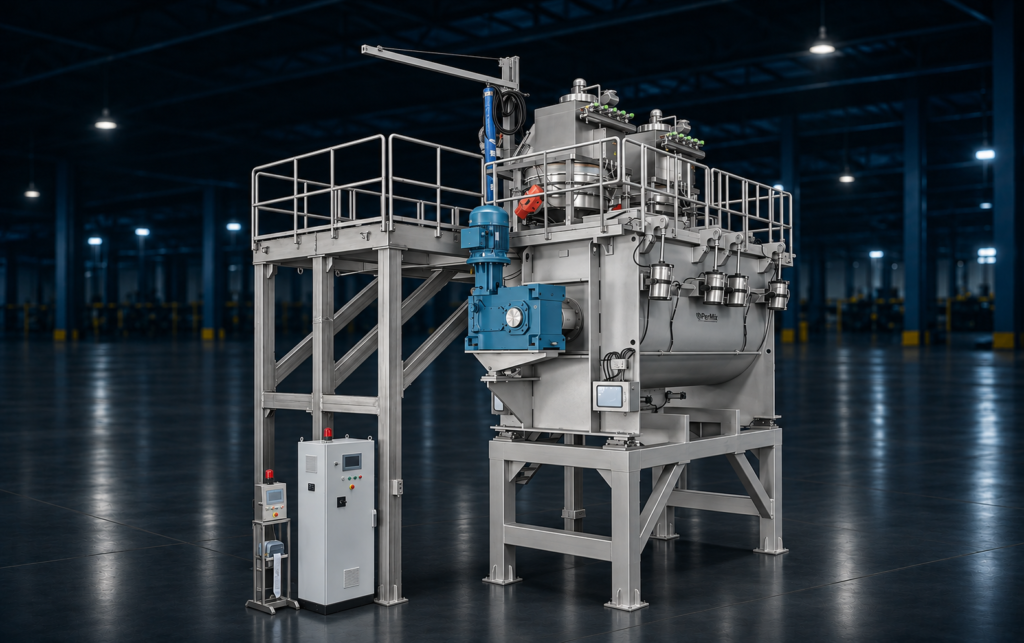
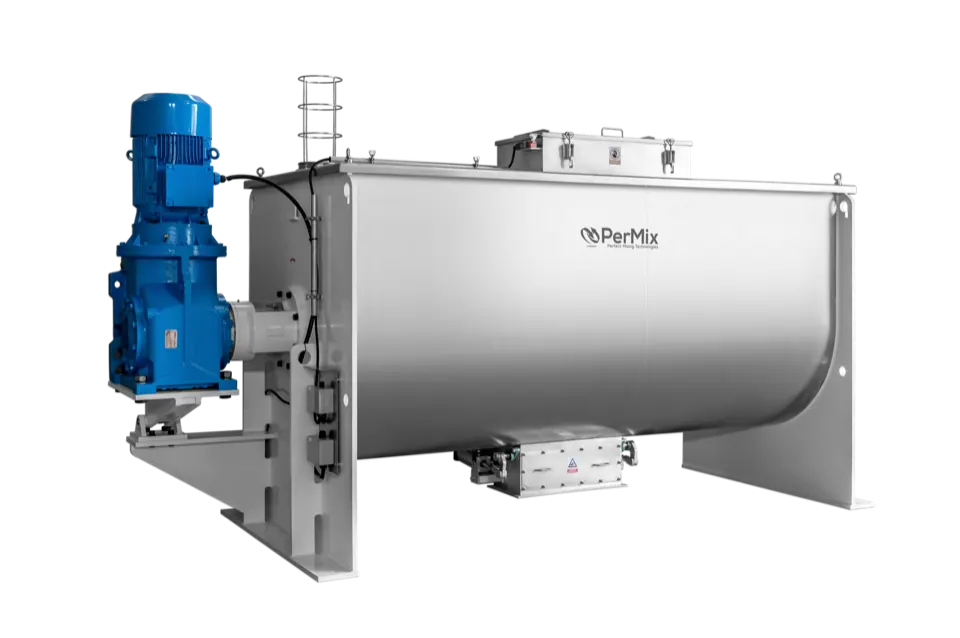
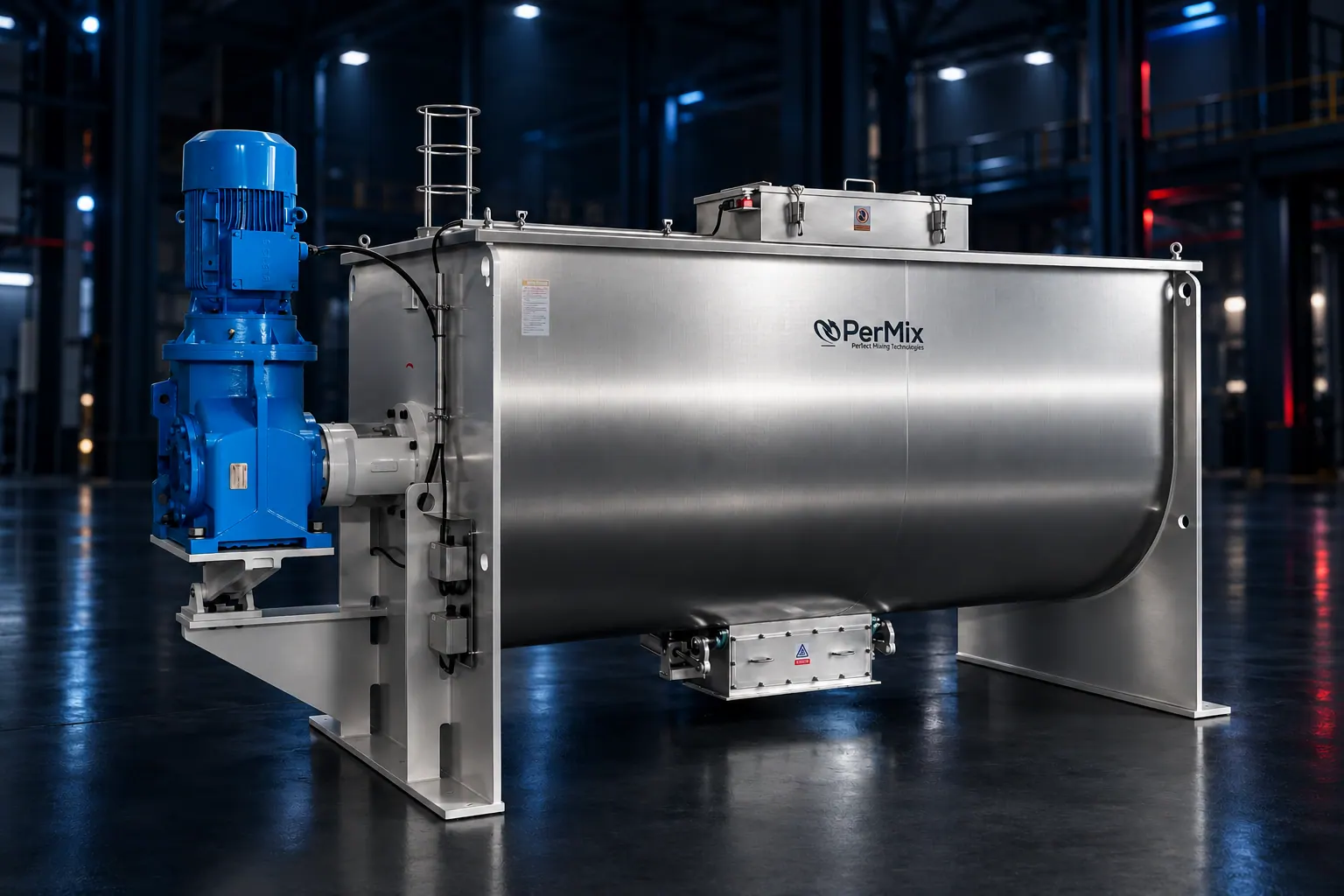
PerMix stainless steel ribbon mixer with blue drive in an industrial facility