Skip to content
PerMix — Perfect Mixing Technologies Request a Quote
Call Request Quote

INDUSTRIAL MIXING SOLUTIONS BY INDUSTRY

Mixing Systems Engineered for the Material, Process and Manufacturing Environment

Every industry has different materials, risks, quality requirements and production objectives.

PerMix engineers standard ribbon, paddle, ploughshare and double cone mixers for powders, granules and selected damp products.

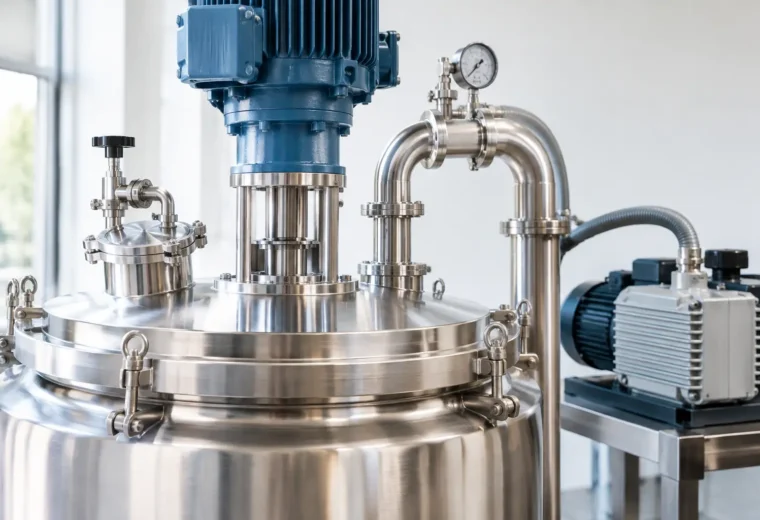
When the process requires vacuum, pressure, ASME, PED, ATEX, containment, advanced thermal processing or controlled drying, the application moves into QuantumX.

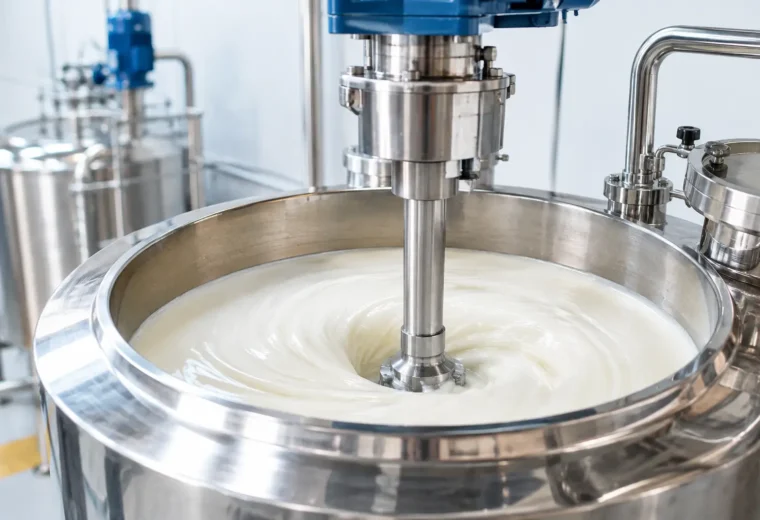
When the process has a liquid continuous phase and requires agitation, powder induction, high shear, emulsification, homogenization or deaeration, the application moves into EmulXion.

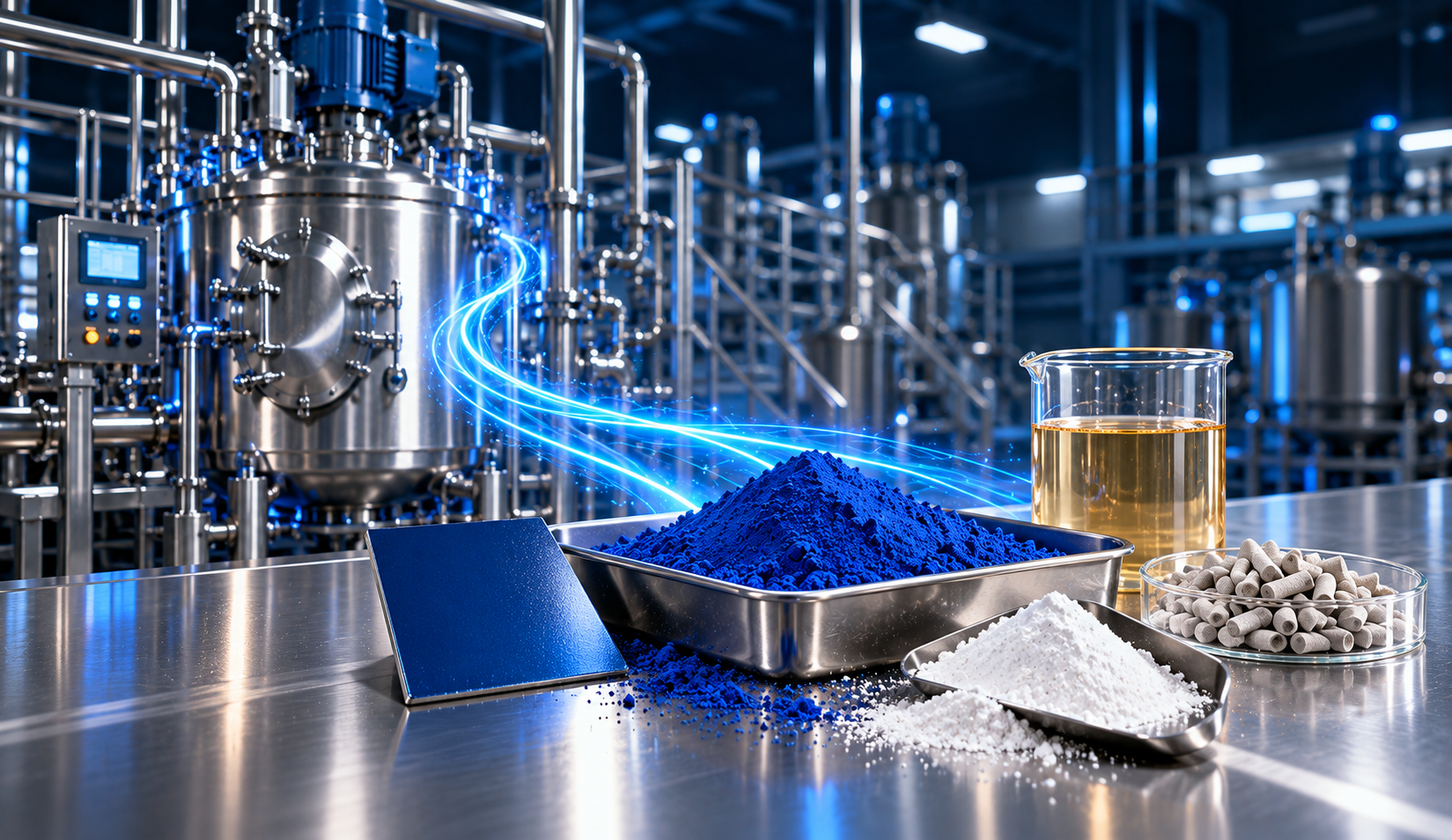
Stainless steel chemical processing equipment with blue specialty powder

Mix
Solve
Create
A Brighter
Tomorrow

Industry Is the Context. Material Behavior Is the Engineering Basis.

A food powder, pharmaceutical excipient, specialty pigment and battery material may all arrive as fine powders—but they do not create the same mixing problem.

Their requirements may differ in:

  • Bulk density
  • Particle size
  • Particle shape
  • Flowability
  • Cohesiveness
  • Fragility
  • Abrasion
  • Corrosion
  • Moisture
  • Oil or solvent content
  • Electrostatic behavior
  • Contamination limits
  • Product purity
  • Heat sensitivity
  • Sanitation
  • Containment
  • Hazard classification
  • Required blend uniformity
  • Loading and discharge method

That is why PerMix does not select equipment based only on an industry name or vessel volume.

We evaluate the material, process objective, production environment and downstream system before recommending the mixer.

The industry identifies the operating context. The product behavior determines the engineering.

  • Industry-specific application engineering
  • Four focused dry-mixer families
  • Vacuum and pressure systems through QuantumX
  • Liquid processing through EmulXion
  • Specialty materials and sanitary construction
  • North American engineering and project support

Three Processing Platforms

One Engineering Group. Three Defined Technology Pathways.

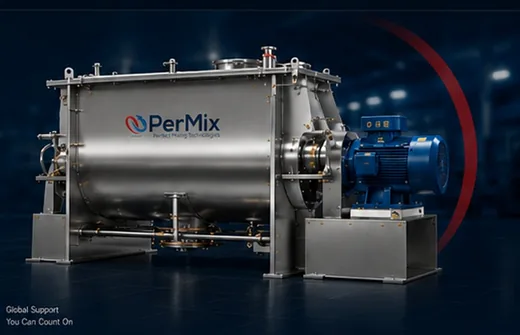
PerMix standard ribbon mixer

PerMix Standard Mixers

Atmospheric Mixing for Powders, Granules and Selected Damp Products

The standard PerMix product range is organized into four principal mixer families:

These platforms serve a broad range of atmospheric mixing applications.

Standard PerMix systems can include:

  • Carbon steel construction
  • 304 stainless-steel construction
  • 316 or 316L stainless-steel construction
  • Industrial or sanitary fabrication
  • Horizontal and vertical configurations where applicable
  • Controlled liquid addition
  • Choppers or intensifiers
  • Load-cell weighing
  • PLC/HMI controls
  • Ingredient-handling integration
  • Packaging-line integration
  • Low-pressure, non-ASME heating and cooling jackets
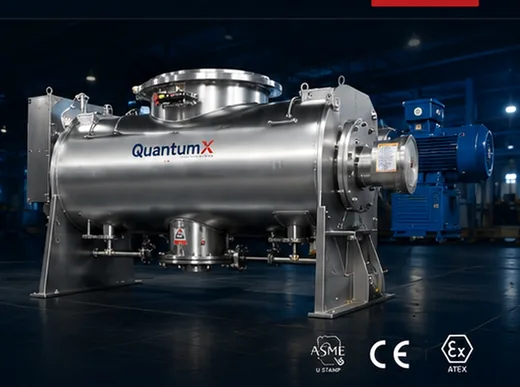
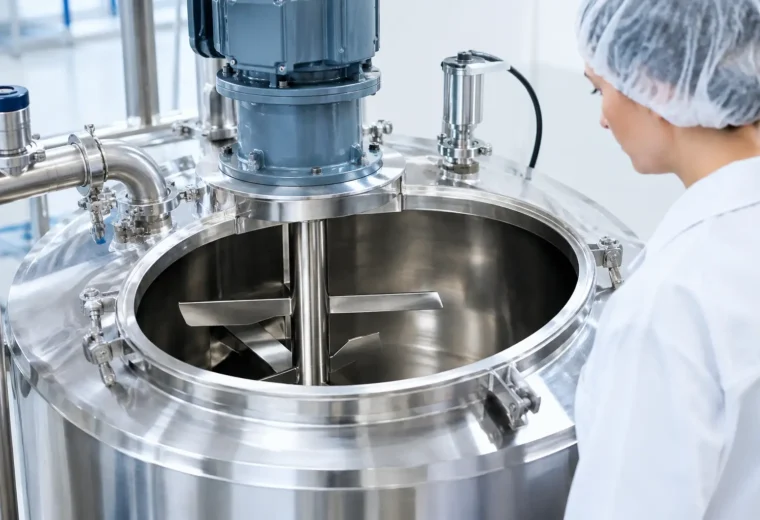
QuantumX engineered specialty mixer

QuantumX Specialty Systems

When Standard Atmospheric Mixing Is Not Enough

An application moves into QuantumX when it requires:

QuantumX systems can include advanced versions of established mixer platforms, such as:

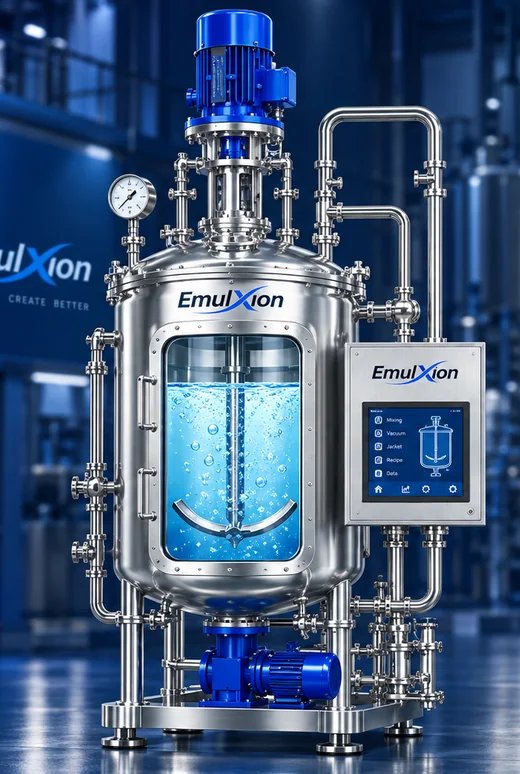
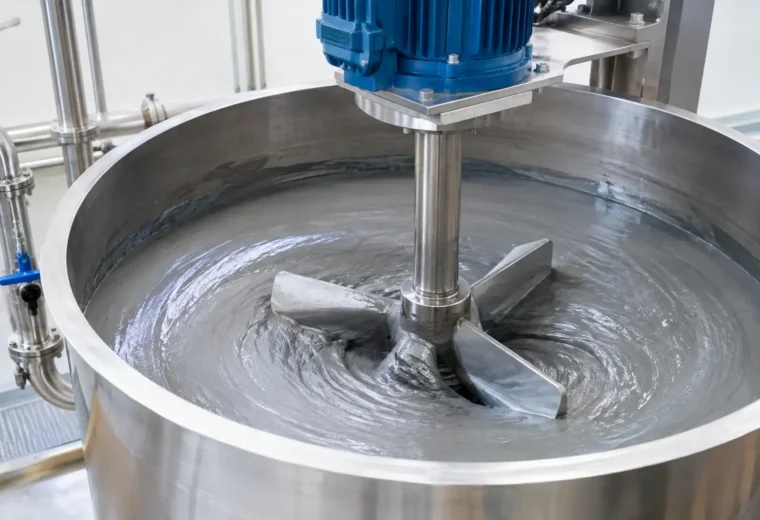
EmulXion liquid processing system

EmulXion Liquid Processing

Dedicated Engineering for Liquids, Suspensions and Emulsions

EmulXion serves applications where the continuous phase is liquid.

Equipment pathways include:

  • Batch agitation
  • High-shear mixing
  • Inline mixing
  • Powder induction
  • Wet dispersion
  • Emulsification
  • Homogenization
  • High-pressure homogenization
  • Shear pumping
  • Colloid milling
  • Vacuum emulsification
  • Vacuum deaeration
  • Tanks, kettles and process vessels
  • Complete recirculating process systems

EmulXion systems are engineered around:

  • Viscosity
  • Rheology
  • Solids loading
  • Powder wet-out
  • Particle-size target
  • Droplet-size target
  • Temperature
  • Recirculation
  • Vacuum
  • Sanitation
  • Batch or continuous operation

Industries We Serve

Engineered for Your Manufacturing Environment

Bowls of spices, seasonings and food powders for blending in industrial ribbon mixers

Food & Beverage

Sanitary Mixing for Ingredients, Powders, Inclusions and Liquid Foods

PerMix supports food manufacturers processing:

  • Seasonings
  • Spice blends
  • Bakery premixes
  • Proteins
  • Beverage powders
  • Dairy powders
  • Starches
  • Sweeteners
  • Functional ingredients
  • Fragile inclusions
  • Ready-meal ingredients
  • Pet-food ingredients

Common engineering priorities include:

  • Blend uniformity
  • Minor-ingredient distribution
  • Allergen changeover
  • Product fragility
  • Liquid addition
  • Sanitation
  • Dust control
  • Complete discharge
  • Rapid changeover
  • Downstream packaging integration

Likely technology pathways:

  • Ribbon Mixers
  • Paddle Mixers
  • Ploughshare Mixers
  • Double Cone Mixers
  • QuantumX vacuum and thermal systems
  • EmulXion liquid-processing equipment
Blue granules in a dish with capsules and tablets for pharmaceutical and nutraceutical blending

Pharmaceutical & Nutraceutical

Cleanable, Documented Systems for Regulated Powder Processing

Applications can include:

  • Active ingredients
  • Excipients
  • Vitamins
  • Minerals
  • Botanical powders
  • Supplement blends
  • Tablet blends
  • Granules
  • High-purity materials
  • Solvent-wet intermediates

Common engineering priorities include:

  • Blend uniformity
  • Cross-contamination control
  • Cleaning validation
  • Surface finish
  • Traceability
  • Minor-ingredient distribution
  • Containment
  • Vacuum drying
  • Documentation
  • Control-system access management

Likely technology pathways:

  • Ribbon Mixers
  • Paddle Mixers
  • Double Cone Mixers
  • Selected Ploughshare Mixers
  • QuantumX vacuum dryers
  • QuantumX high-containment systems
  • EmulXion liquid and high-shear systems
Chemical and Specialty Materials

Chemical & Specialty Materials

Robust Processing for Difficult, Corrosive, Abrasive and Reactive Products

Applications can include:

  • Pigments
  • Catalysts
  • Detergents
  • Fertilizers
  • Coatings
  • Resins
  • Polymer additives
  • Flame retardants
  • Specialty powders
  • Reactive formulations
  • Solvent-wet products
  • Functionalized materials

Common engineering priorities include:

  • Cohesion
  • Deagglomeration
  • Liquid addition
  • Abrasion
  • Corrosion
  • Dust hazards
  • Solvent handling
  • Vacuum or pressure
  • Inerting
  • Containment
  • Thermal control
  • Reaction risk

Likely technology pathways:

  • Ribbon Mixers
  • Paddle Mixers
  • Ploughshare Mixers
  • Double Cone Mixers
  • QuantumX vacuum and pressure systems
  • QuantumX mixer-reactors
  • EmulXion dispersion and liquid-processing equipment
Bowl of fine beige cosmetic powder with personal care product jars

Cosmetics & Personal Care

Powder and Liquid Processing for Texture, Appearance and Product Stability

Applications can include:

  • Color cosmetics
  • Face powders
  • Dry shampoos
  • Bath powders
  • Mineral blends
  • Creams
  • Lotions
  • Gels
  • Emulsions
  • Serums
  • Personal-care concentrates

Common engineering priorities include:

  • Color uniformity
  • Fine-powder dispersion
  • Product purity
  • Sanitation
  • Texture
  • Powder wet-out
  • Emulsion stability
  • Vacuum deaeration
  • Heating and cooling
  • Small-batch flexibility
  • Frequent changeover

Likely technology pathways:

  • Ribbon Mixers
  • Paddle Mixers
  • Double Cone Mixers
  • Selected Ploughshare Mixers
  • QuantumX vacuum systems
  • EmulXion high-shear mixers
  • EmulXion vacuum emulsifying systems
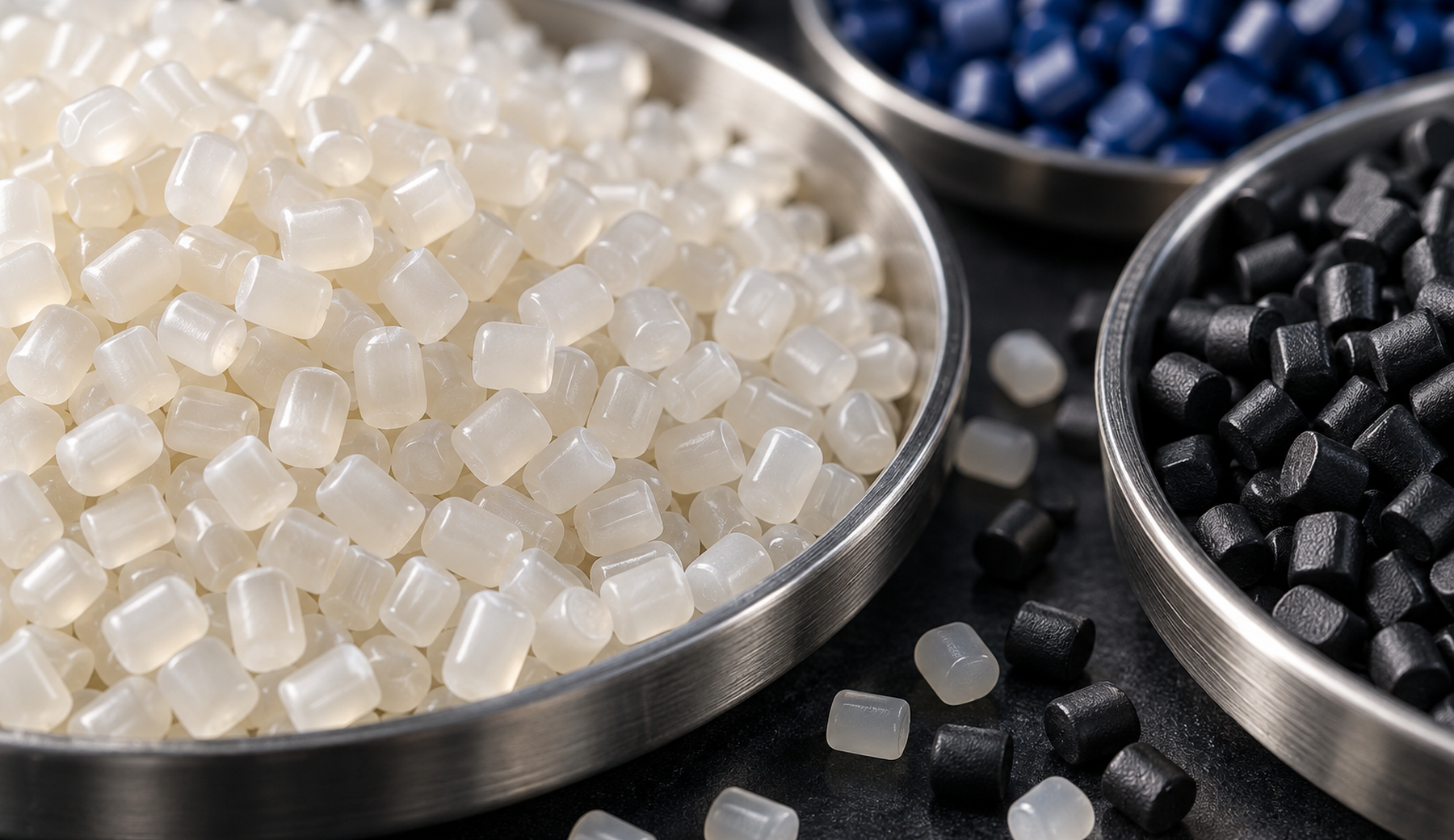
White plastic resin pellets and black masterbatch pellets in stainless steel bowls for polymer blending

Plastics, Polymers & Masterbatch

Controlled Blending for Resins, Pellets, Powders and Additive Packages

Applications can include:

  • Polymer resins
  • Pellets
  • Regrind
  • Masterbatch
  • Pigments
  • Stabilizers
  • Flame retardants
  • Fillers
  • Colorants
  • Processing aids
  • Recycled polymers

Common engineering priorities include:

  • Density differences
  • Static
  • Heat sensitivity
  • Pigment distribution
  • Liquid coating
  • Fragile pellet handling
  • Abrasion
  • Rapid discharge
  • Dust control
  • Integration with extrusion or compounding

Likely technology pathways:

  • Paddle Mixers
  • Ribbon Mixers
  • Ploughshare Mixers
  • QuantumX thermal or controlled-atmosphere systems
  • EmulXion for liquid polymer and additive processing
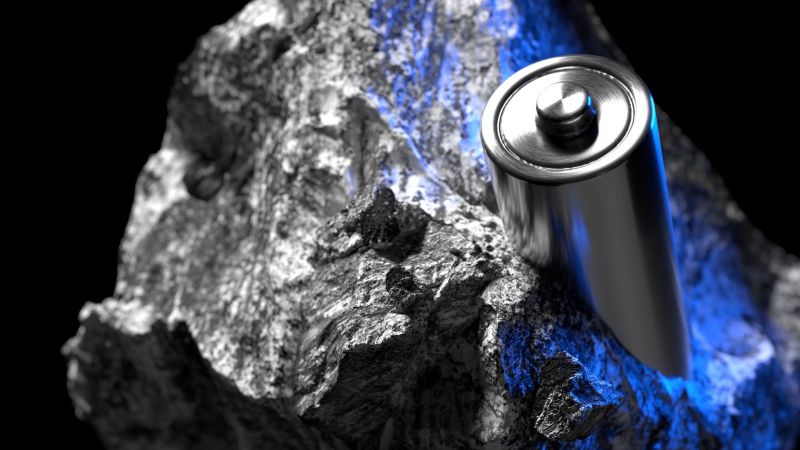
Metallic mineral ore beside a battery cell for battery material processing

Battery & Advanced Materials

Contamination-Conscious Mixing for High-Value Functional Powders

Applications can include:

  • Cathode powders
  • Anode powders
  • Graphite
  • Conductive additives
  • Carbon materials
  • Ceramic additives
  • Metal powders
  • Nanomaterials
  • Electronic materials
  • High-purity mineral systems

Common engineering priorities include:

  • Trace contamination
  • Metallic contamination
  • Cohesion
  • Re-agglomeration
  • Low-percentage additive distribution
  • Inert atmosphere
  • Vacuum
  • Moisture control
  • Abrasion
  • Specialty liners
  • Containment
  • Scale-up

Likely technology pathways:

  • Ribbon Mixers
  • Paddle Mixers
  • Ploughshare Mixers
  • Double Cone Mixers
  • QuantumX inerted and vacuum systems
  • Ceramic-lined systems
  • Hastelloy, titanium or specialty-alloy systems
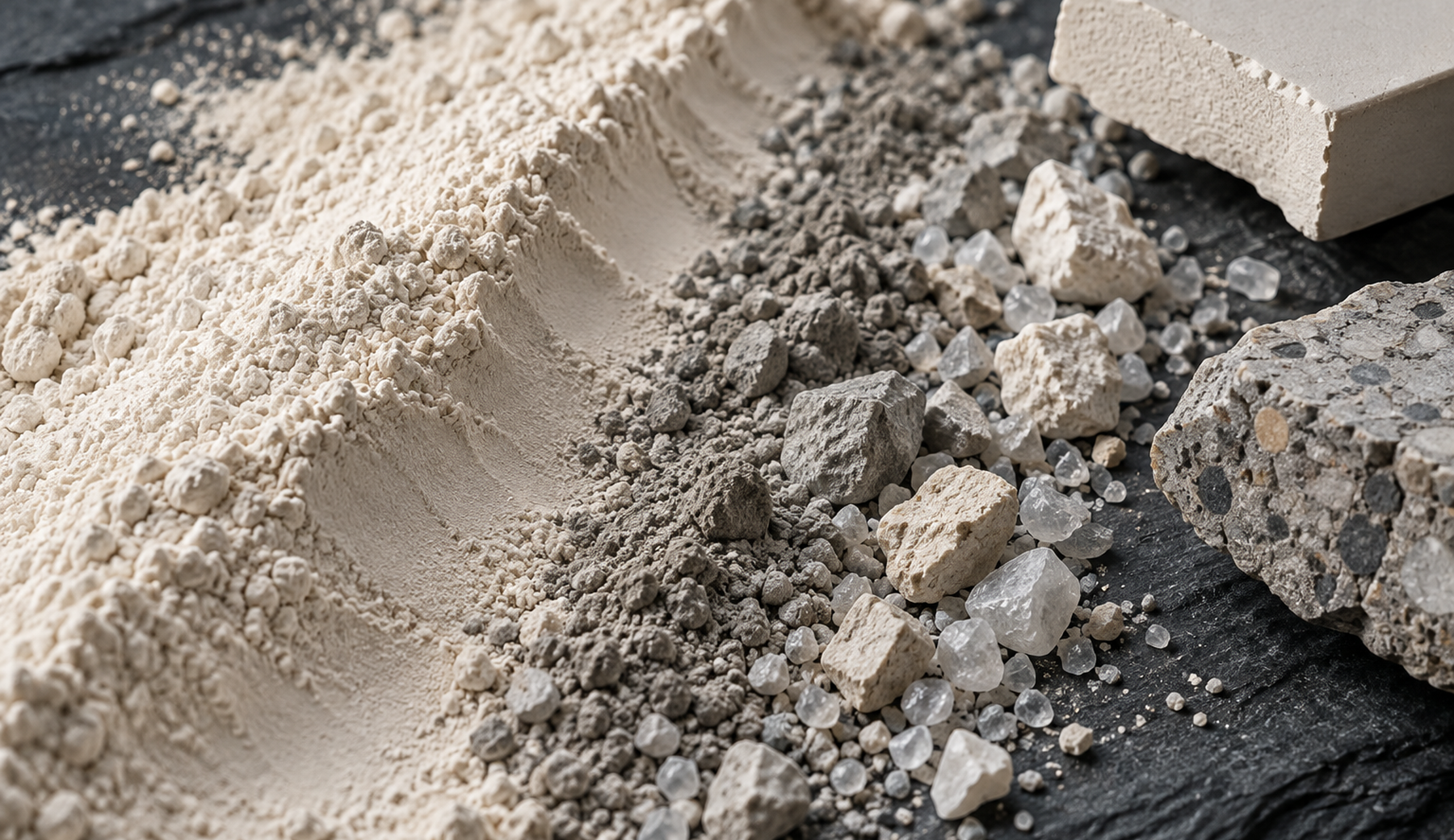
Cement powder, sand and crushed stone for construction material mixing

Minerals, Ceramics & Construction

Heavy-Duty Mixing for Abrasive, High-Density and Wear-Intensive Products

Applications can include:

  • Alumina
  • Silica
  • Refractories
  • Ceramic powders
  • Dry mortar
  • Cement additives
  • Fly ash
  • Foundry materials
  • Abrasive minerals
  • Construction chemicals
  • High-density fillers

Common engineering priorities include:

  • Abrasion
  • High bulk density
  • Startup torque
  • Wear
  • Ceramic contamination
  • Liquid addition
  • Agglomeration
  • Rapid discharge
  • Dust control
  • Maintainability

Likely technology pathways:

  • Ribbon Mixers
  • Paddle Mixers
  • Ploughshare Mixers
  • QuantumX thermal systems
  • Hardox construction
  • Ceramic liners
  • Tungsten-carbide or replaceable wear protection

Agriculture, Animal Nutrition & Pet Food

Reliable Blending for Premixes, Supplements, Palatants and Agricultural Products

Applications can include:

  • Feed premixes
  • Vitamin and mineral supplements
  • Palatants
  • Pet-food ingredients
  • Seed treatments
  • Agricultural chemicals
  • Fertilizer additives
  • Feed additives
  • Animal-health products
  • Coated granules

Common engineering priorities include:

  • Minor-ingredient distribution
  • Fragile pellets
  • Oil and molasses addition
  • Coating
  • Dust
  • Cross-contamination
  • Rapid changeover
  • Abrasion
  • Complete discharge
  • Packaging integration

Likely technology pathways:

  • Ribbon Mixers
  • Paddle Mixers
  • Ploughshare Mixers
  • Double Cone Mixers
  • QuantumX controlled-atmosphere or thermal systems
  • EmulXion for liquid supplements and palatants

Start with the Process Objective

What Must the Mixer Actually Accomplish?

Industrial mixing projects generally involve one or more core objectives.

Dry Blending

Uniform distribution of powders, granules or minor ingredients without excessive product damage.

Potential platforms:

  • Ribbon
  • Paddle
  • Double cone
  • Ploughshare where cohesion or high intensity is involved

Liquid Addition and Coating

Distribution of oil, binder, flavor, solvent, water, color or functional liquid onto moving solids.

Potential platforms:

  • Ribbon
  • Paddle
  • Ploughshare
  • EmulXion when the continuous phase becomes liquid

Deagglomeration

Breaking soft lumps and dispersing cohesive material through controlled bulk movement and optional localized high shear.

Potential platforms:

  • Ploughshare
  • Paddle with chopper
  • Ribbon with intensifier
  • QuantumX specialty systems

Agglomeration and Granulation

Controlled addition of liquid or binder to build particles of a desired size or structure.

Potential platforms:

  • Ploughshare
  • QuantumX granulation systems
  • EmulXion for upstream binder preparation

Heating and Cooling

Changing or maintaining product temperature through a jacketed vessel and active renewal of the heat-transfer surface.

Potential platforms:

  • Standard low-pressure PerMix jackets
  • QuantumX advanced thermal systems
  • EmulXion jacketed liquid vessels

Vacuum Drying

Removing moisture or solvent under reduced pressure while mixing and renewing product contact with the heated vessel wall.

Potential platforms:

  • QuantumX ribbon mixer-dryers
  • QuantumX paddle mixer-dryers
  • QuantumX plough mixer-dryers
  • QuantumX double cone vacuum dryers

Emulsification, Dispersion and Homogenization

Reducing particle or droplet size, incorporating powders into liquids and creating stable liquid products.

Primary platform:

  • EmulXion

Reaction and Controlled Atmosphere

Mixing with vacuum, pressure, gas addition, inerting, heating, cooling or chemical reaction.

Primary platform:

  • QuantumX

Mixer Selection Begins with Material Behavior

The Data That Changes the Equipment Recommendation

Flowability

Does the product move freely, bridge, compact or adhere to surfaces?

Cohesiveness

Does the material form lumps, resist circulation or require deagglomeration?

Fragility

Will particles break, smear, generate fines or lose their intended shape?

Bulk Density

What is the loose and operating density, and how does it vary between ingredients?

Particle Size and Shape

Are the ingredients fine powders, flakes, crystals, pellets, fibers or irregular particles?

Density Variation

Are minor or major ingredients substantially lighter or heavier than the bulk formulation?

Liquid Addition

How much liquid must be added, at what viscosity and over what time?

Thermal Duty

Must the batch be heated, cooled, dried or held at a controlled temperature?

Vacuum or Pressure

Does the process require reduced pressure, positive pressure, inerting or code-rated construction?

Corrosion and Abrasion

Will the product attack the equipment chemically or mechanically?

Sanitation and Cleaning

How will the equipment be cleaned, inspected and verified?

Hazard Classification

Does the process involve combustible dust, flammable vapor, solvent or hazardous-area requirements?

Containment

Must the operator or surrounding environment be protected from the product?

Discharge

Must the equipment empty rapidly, completely or into a contained downstream system?

Materials of Construction

The Product-Contact Surface Is Part of the Process

PerMix and QuantumX systems can be evaluated using:

  • Carbon steel
  • 304 stainless steel
  • 316 and 316L stainless steel
  • Duplex stainless steels
  • Specialty stainless grades
  • Hastelloy
  • Nickel alloys
  • Titanium
  • Hardox
  • Abrasion-resistant steels
  • Ceramic liners
  • Glass-lined construction
  • Tungsten-carbide protection
  • Replaceable wear liners
  • Application-specific coatings

Selection considers:

  • Chemical compatibility
  • Cleaning chemistry
  • Abrasion
  • Impact
  • Operating temperature
  • Vacuum or pressure
  • Thermal cycling
  • Product purity
  • Metallic contamination
  • Fabrication method
  • Repairability
  • Maintenance
  • Expected service life
  • Lifecycle cost

Material selection should be based on documented process information—not a default assumption that stainless steel is suitable for every application.

From Stand-Alone Mixer to Integrated Production System

The mixer can be integrated with:

  • Bag-dump stations
  • Bulk-bag unloaders
  • Silos
  • Hoppers
  • Loss-in-weight feeders
  • Screw feeders
  • Pneumatic conveying
  • Vacuum conveying
  • Minor-ingredient dosing
  • Liquid dosing
  • Spray systems
  • Screening
  • Sifting
  • Milling
  • Delumping
  • Classification
  • Dust collection
  • Filtration
  • Condensers
  • Receivers
  • Cooling
  • Metal detection
  • Surge storage
  • Filling
  • Bagging
  • Packaging
  • Checkweighing

The engineering review considers how upstream and downstream equipment may affect:

  • Batch accuracy
  • Blend uniformity
  • Dust
  • Segregation
  • Product temperature
  • Residual hold-up
  • Exposure
  • Cycle time
  • Cleaning
  • Packaging performance

Controls, Automation and Data

PerMix, QuantumX and EmulXion systems can be integrated with:

  • PLC and HMI controls
  • Siemens or Allen-Bradley platforms
  • Recipe management
  • Ingredient verification
  • Barcode scanning
  • Load-cell weighing
  • Automatic ingredient sequencing
  • Liquid-addition control
  • Chopper or intensifier control
  • Temperature control
  • Vacuum control
  • Pressure monitoring
  • Nitrogen inerting
  • Oxygen monitoring
  • Torque monitoring
  • Moisture endpoint
  • Batch reporting
  • Alarm history
  • Data logging
  • User access levels
  • Remote support
  • Packaging-line communication

The control architecture should be selected around the process risk, data requirements, operator workflow and facility standards.

Testing, FAT and Process Proof

Define Success Before the Equipment Ships

Depending on the project scope, factory acceptance testing can include:

  • Mechanical operation
  • Agitator or vessel rotation
  • Speed range
  • Controls and interlocks
  • Load-cell verification
  • Ingredient sequencing
  • Liquid-addition operation
  • Chopper operation
  • Heating and cooling
  • Vacuum performance
  • Pressure testing where applicable
  • Inerting sequence
  • Oxygen monitoring
  • Discharge sequence
  • Safety circuits
  • Cleaning access
  • Product trials when agreed
  • Documentation review

When customer-product testing is included, the test basis should define:

  1. Material quantity
  2. Loading sequence
  3. Mixing time
  4. Sampling locations
  5. Analytical method
  6. Acceptance criteria
  7. Temperature
  8. Vacuum or pressure
  9. Liquid-addition sequence
  10. Discharge sequence
  11. Cleaning procedure

Why Manufacturers Choose PerMix

Process-First Equipment Selection

We evaluate the material and process objective before selecting the equipment family.

Four Focused Standard Mixer Families

Ribbon, paddle, ploughshare and double cone mixers provide distinct material-movement pathways.

Clear Specialty-System Boundaries

Vacuum, pressure, ASME, PED, ATEX, drying, reaction and containment move into QuantumX.

Dedicated Liquid-Processing Platform

High-shear mixing, emulsification, homogenization and powder induction move into EmulXion.

Agitator Engineering

Ribbon pitch, paddle geometry, plough profile and tumble conditions are selected around the actual material.

Materials Expertise

Construction can be evaluated using standard stainless steels, specialty alloys, wear protection, ceramic liners and glass-lined systems.

Complete Process Integration

Mixers can be connected to weighing, feeding, conveying, milling, screening, filtration, metal detection and packaging.

Documentation and FAT

Projects can include drawings, P&IDs, controls documentation, test protocols and operating manuals.

Lifecycle Support

Service, spare parts, troubleshooting, retrofits and preventive-maintenance support remain available after delivery.

Industry-Specific Resources

Technical Information Organized Around Real Applications

APPLICATION ENGINEERING ACROSS INDUSTRIES

Tell Us About the Product Before Selecting the Mixer

To begin an engineering review, provide:

  1. Industry and application
  2. Material or formulation
  3. Batch mass
  4. Loose and packed bulk density
  5. Minimum and maximum batch size
  6. Particle size and shape
  7. Flowability
  8. Cohesiveness
  9. Fragility
  10. Abrasion or corrosion
  11. Minor-ingredient ratio
  12. Required blend uniformity
  13. Liquid-addition percentage
  14. Heating or cooling requirement
  15. Vacuum or pressure requirement
  16. Sanitary or containment requirement
  17. Hazardous-area classification
  18. Loading method
  19. Discharge method
  20. Desired cycle time
  21. Available footprint
  22. Available utilities
  23. Upstream and downstream equipment

Upload material data sheets, safety data sheets, formulation ranges, current-equipment information, batch requirements, process drawings or facility layouts. Confirm an approved communication channel before submitting highly confidential information.

Frequently Asked Questions

What industries does PerMix serve?

PerMix supports food and beverage, pharmaceutical and nutraceutical, chemical and specialty materials, cosmetics and personal care, plastics and polymers, battery and advanced materials, minerals and construction, agriculture, animal nutrition and pet-food manufacturing.

What are the four standard PerMix mixer families?

The four principal standard mixer families are Ribbon Mixers, Paddle Mixers, Ploughshare Mixers and Double Cone Mixers.

What makes a mixer a standard PerMix model?

A standard PerMix mixer is intended primarily for atmospheric processing. It may include an optional low-pressure, non-ASME heating or cooling jacket.

When does a project move into QuantumX?

A project moves into QuantumX when it requires vacuum, internal pressure, ASME, PED, ATEX, advanced thermal processing, drying, inerting, high containment, solvent management or substantial process integration.

What applications move into EmulXion?

Applications with a liquid continuous phase—including agitation, powder induction, dispersion, emulsification, homogenization and deaeration—move into EmulXion.

How do I select the right mixer for my industry?

Start with the material behavior and process objective. Flowability, cohesion, fragility, bulk density, particle size, liquid addition, required shear, cleaning, temperature, vacuum, pressure and discharge all affect the selection.

Is the industry enough to determine the mixer type?

No. An industry identifies the operating environment, but the mixer must be selected around the material and required process result.

Can one mixer handle every product in a facility?

Possibly, but this should not be assumed. Minimum and maximum batch sizes, material behavior, sanitation, cross-contamination, liquid addition and process intensity must be evaluated across the complete product range.

Can PerMix provide sanitary mixers?

Yes. Sanitary construction can include appropriate stainless steel, defined finishes, cleanable welds, access doors, sanitary connections, reduced product traps and application-specific cleaning provisions.

Can PerMix provide corrosion-resistant mixers?

Yes. Depending on the application, materials can include 316L, duplex stainless, Hastelloy, nickel alloys, titanium, ceramic liners, glass lining or specialty coatings.

Can PerMix provide abrasion-resistant mixers?

Yes. Options can include Hardox, replaceable liners, hardened agitator edges, ceramic protection, tungsten-carbide protection and wear-resistant discharge components.

Are heated and cooled mixers available?

Yes. Standard PerMix models can include low-pressure, non-ASME heating or cooling jackets. More demanding thermal duties move into QuantumX.

Does PerMix provide vacuum mixer-dryers?

Yes. QuantumX can provide vacuum ribbon, paddle, plough and double cone mixer-dryer systems.

Can PerMix supply pressure-rated equipment?

Selected systems can be engineered under QuantumX for applicable pressure, ASME or PED requirements.

Are ATEX systems available?

QuantumX can engineer equipment for defined ATEX or hazardous-area requirements. The customer must provide the applicable classification and material-hazard information.

Can the mixer be integrated into a complete line?

Yes. Equipment can be integrated with weighing, feeding, conveying, screening, milling, liquid dosing, metal detection, storage and packaging.

Can PerMix conduct product trials?

Product trials or FAT testing can be included when agreed in the project scope and when the test quantity, procedure and acceptance criteria are defined.

Does every industry page use the same content?

No. Each industry page should address its own materials, process risks, sanitation or containment requirements, equipment pathways and supporting technical resources.

What information is needed for a quotation?

Provide the product, batch size, bulk density, particle characteristics, process objective, liquid addition, temperature, vacuum or pressure, construction requirements, utilities and facility constraints.

ONE INDUSTRY PAGE CANNOT SELECT YOUR MIXER. YOUR PROCESS DATA CAN.

Find the Technology That Fits Your Material and Manufacturing Environment

The correct industrial mixer must account for:

  • Product behavior
  • Process objective
  • Production rate
  • Cleaning
  • Contamination
  • Corrosion
  • Abrasion
  • Temperature
  • Vacuum or pressure
  • Hazard classification
  • Operator exposure
  • Discharge
  • Downstream integration

Whether the application requires a standard PerMix dry mixer, a QuantumX specialty system or an EmulXion liquid-processing line, our engineering process begins with the material and required result.