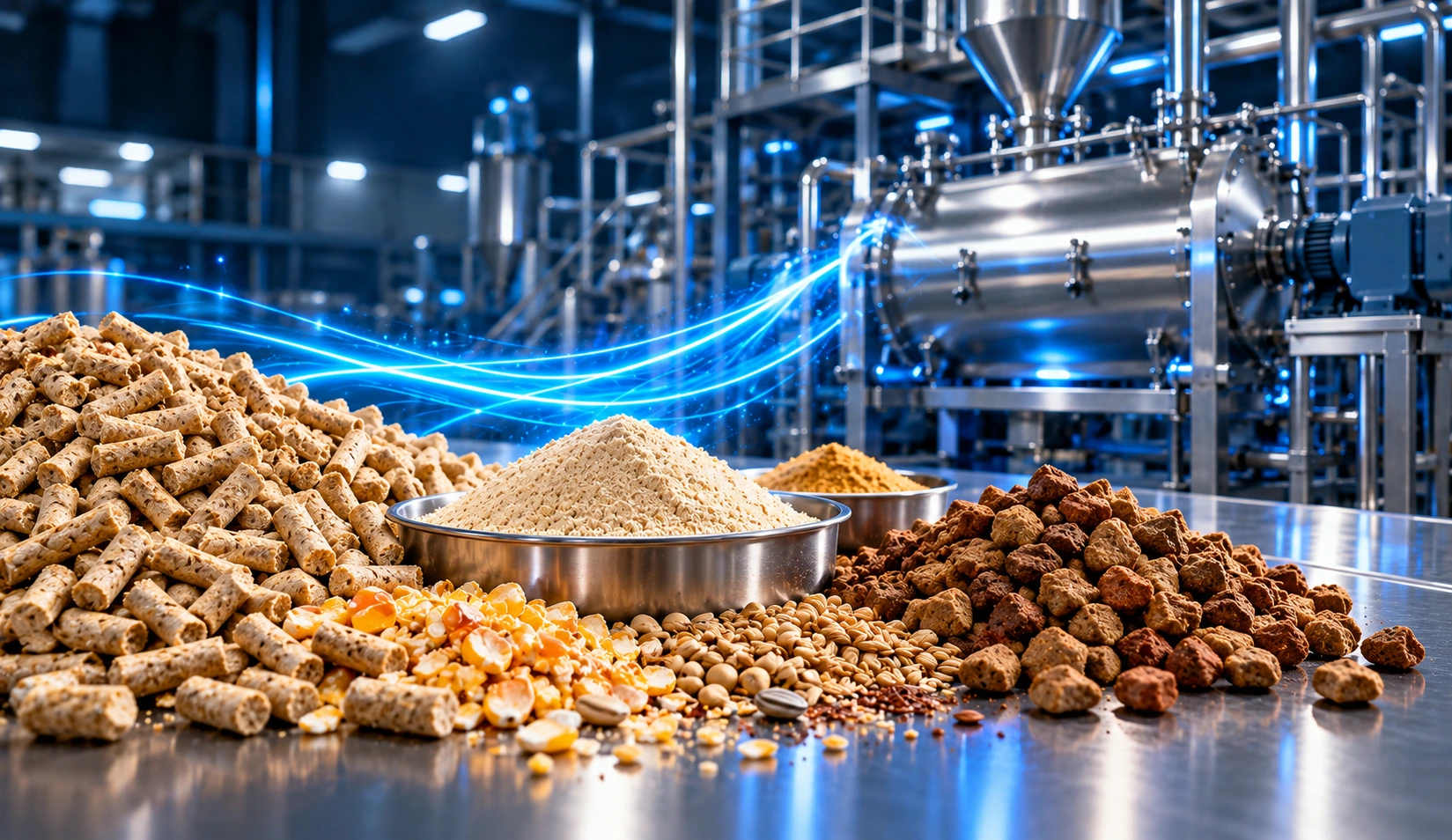
Feed pellets, pet-food kibble, corn, seeds and nutrition powders on a stainless steel table in front of an industrial mixer

Agriculture, Animal Nutrition & Pet-Food Mixing Systems

Mixing Equipment Engineered for Nutrient Uniformity, Product Integrity and Reliable Production

Animal nutrition, pet-food and agricultural products can combine trace vitamins, dense minerals, fragile pellets, oils, molasses, palatants, active ingredients and variable agricultural materials.

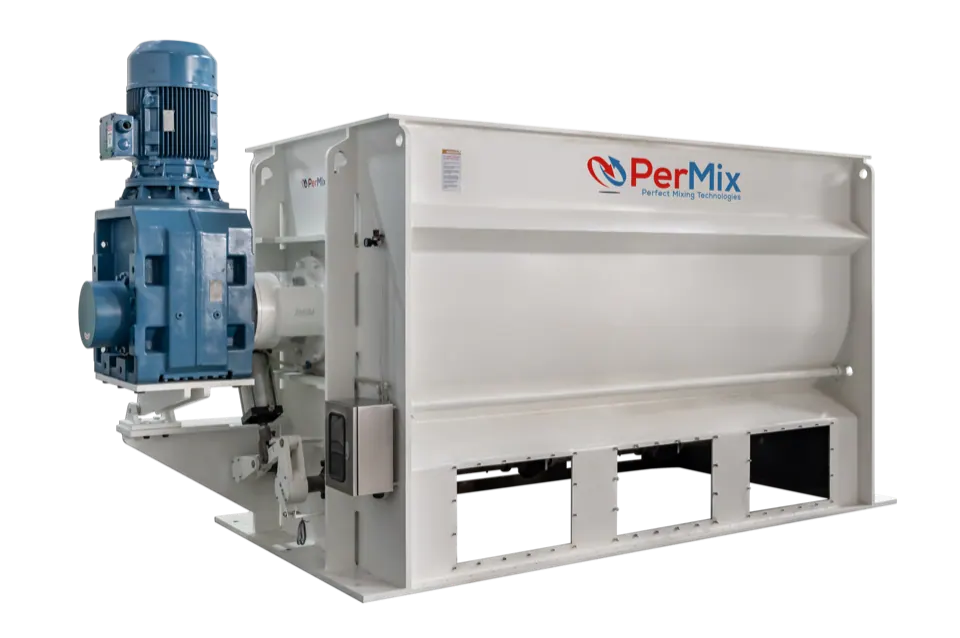
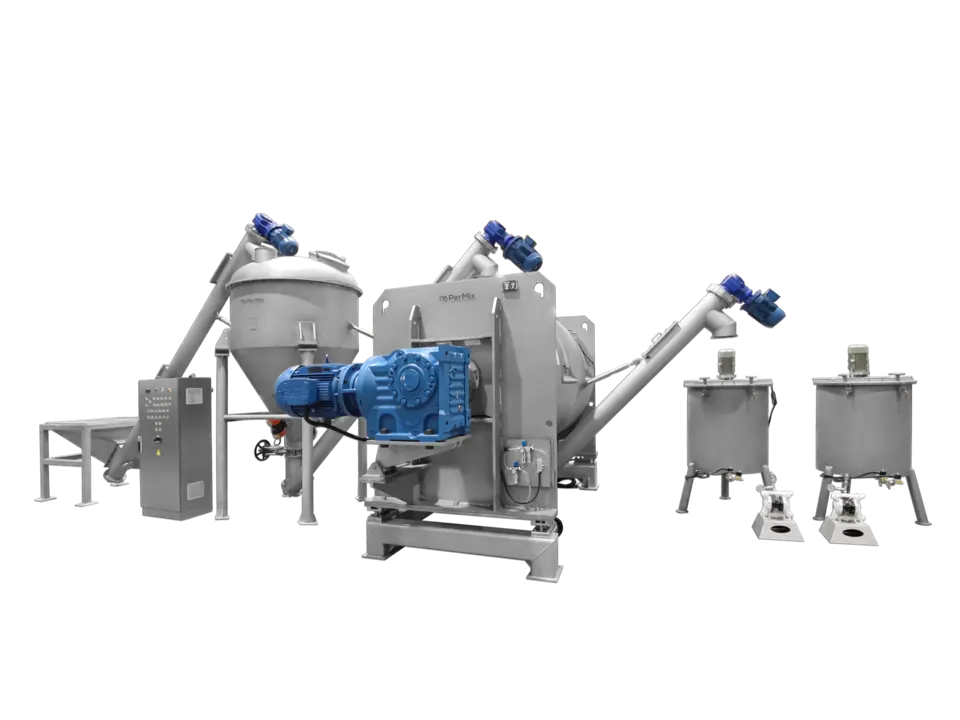
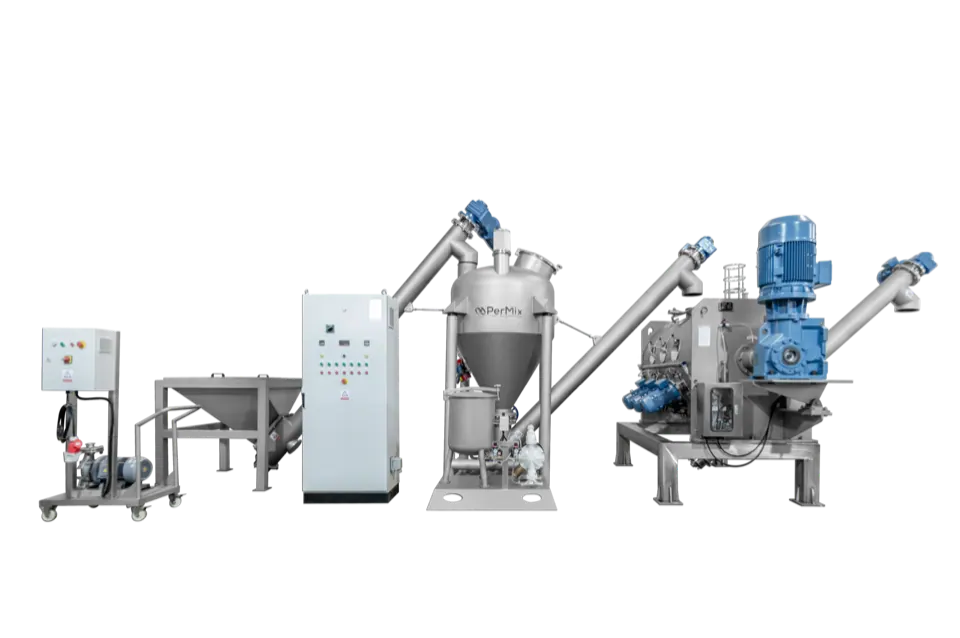
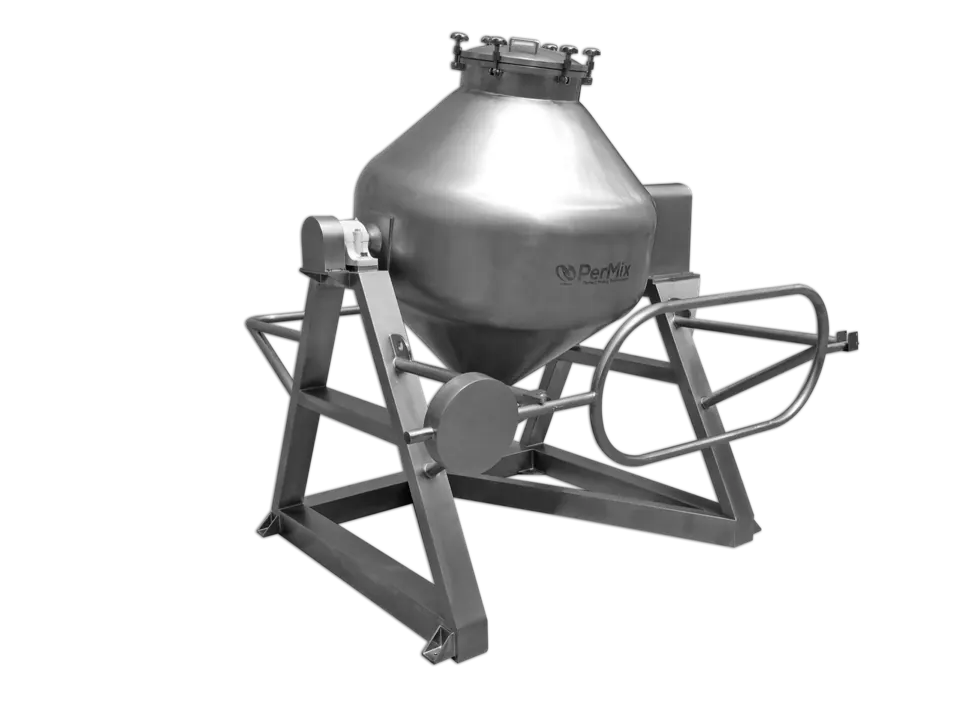
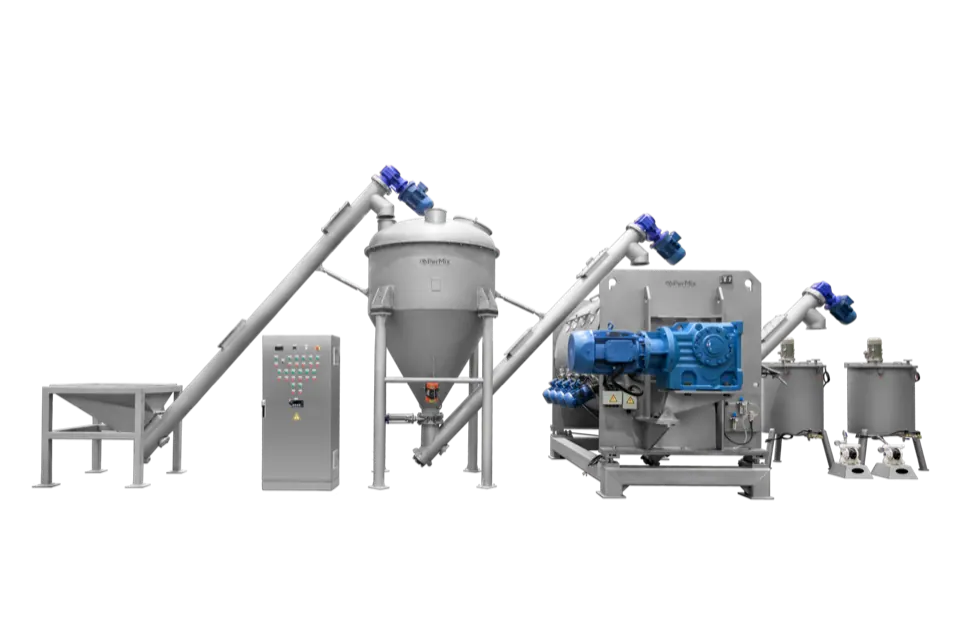
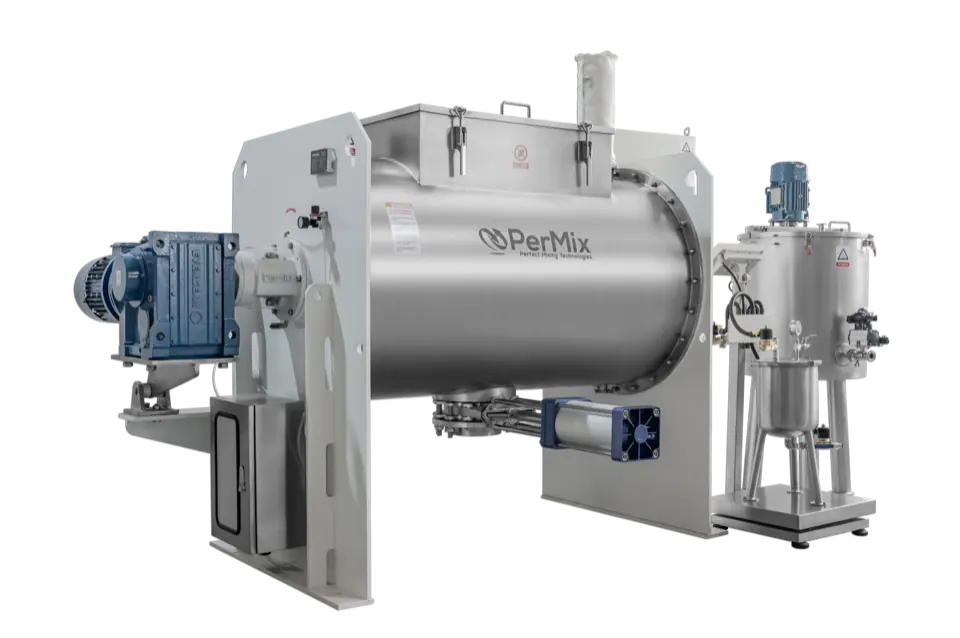
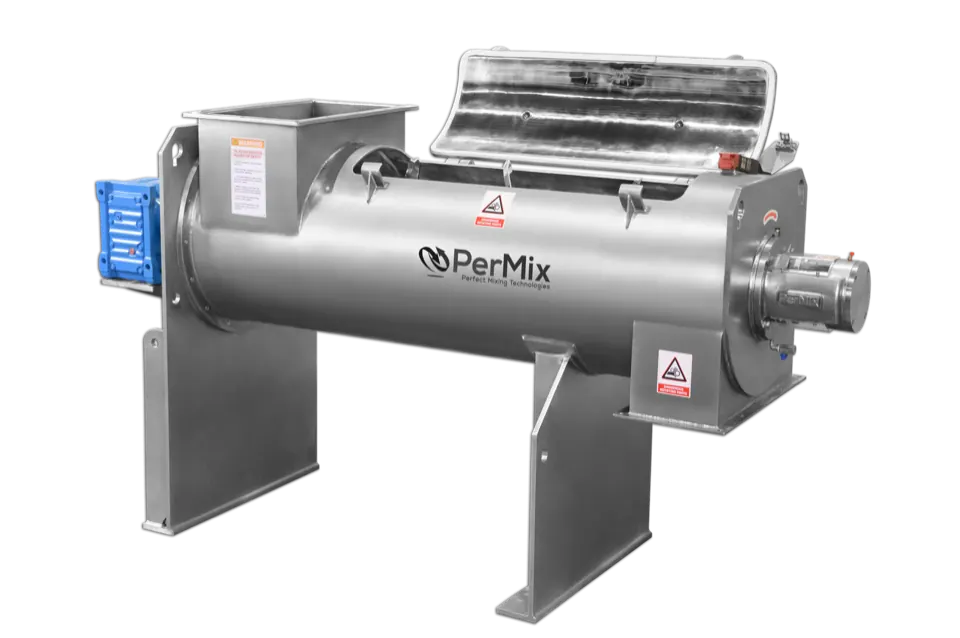
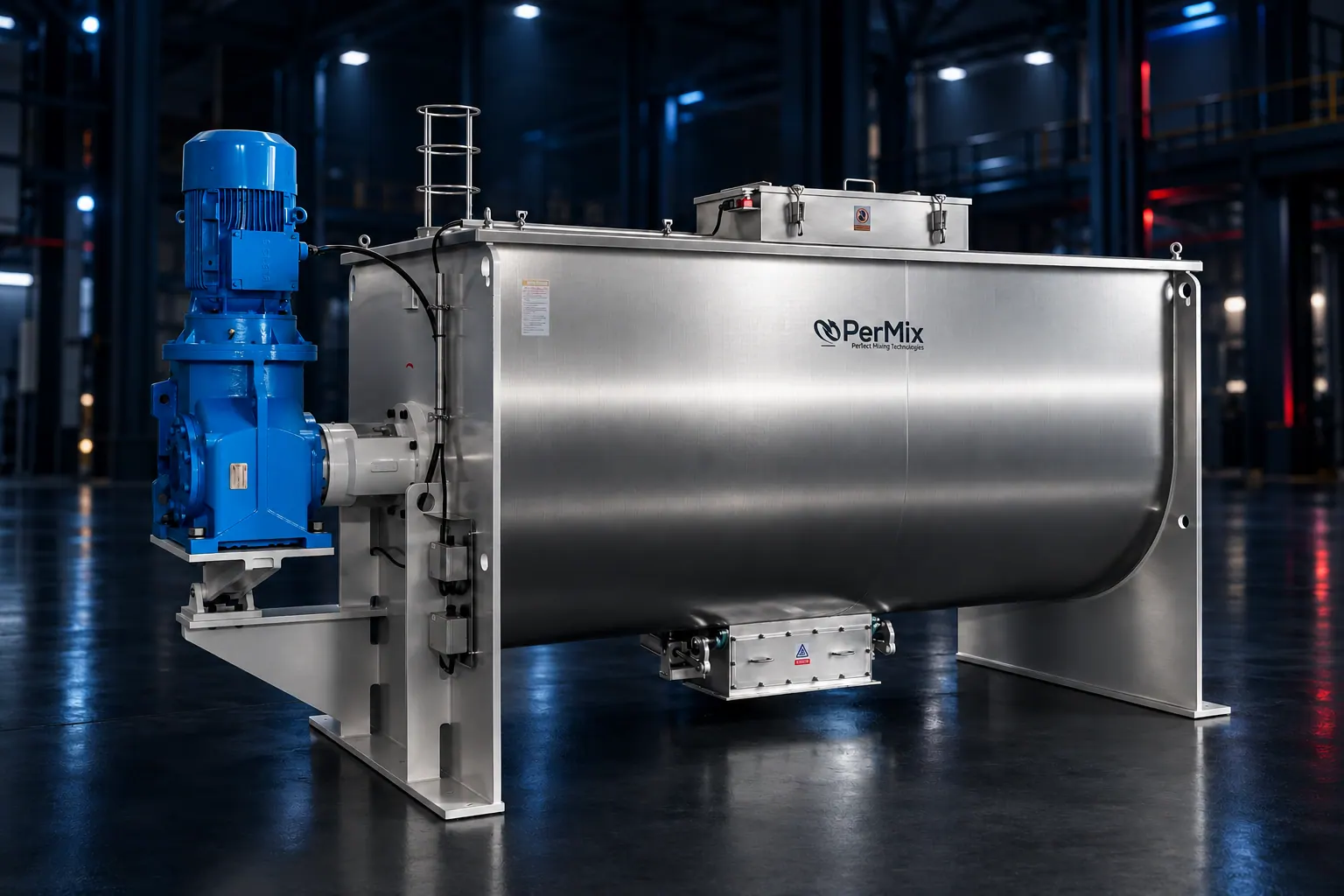
PerMix engineers ribbon, paddle, ploughshare and double cone mixers for dry feed premixes, supplements, pet-food ingredients, seed treatments and agricultural formulations.

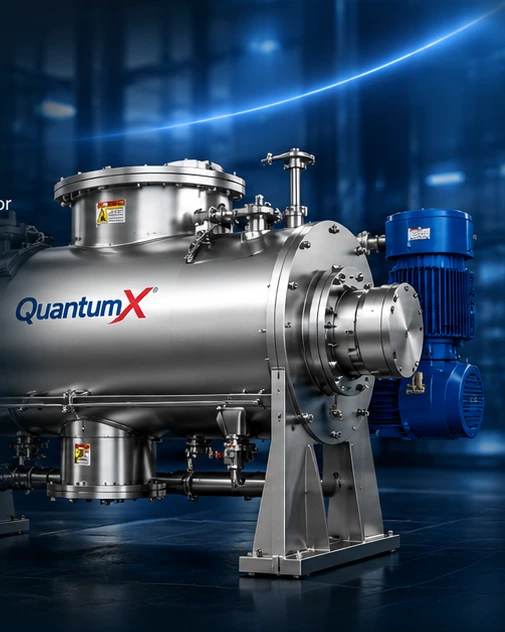
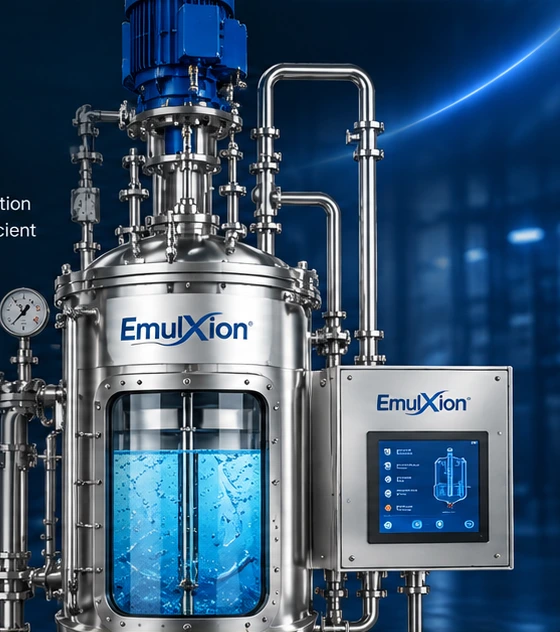
When the process requires vacuum, advanced thermal treatment, pressure, hazardous-area construction or controlled atmosphere, it moves into QuantumX. When the process has a liquid continuous phase — such as a palatant, liquid supplement, coating, emulsion or suspension — it moves into EmulXion.

Submit Your Product and Batch Information
  • 01Controlled micro-ingredient distribution
  • 02Gentle pellet and kibble handling
  • 03Oil, fat and molasses addition
  • 04Wear- and corrosion-resistant construction
  • 05Vacuum and specialty systems through QuantumX
  • 06Liquid palatants through EmulXion

Your formulation is not just a volume

Nutrient Uniformity Is a Process Requirement — Not a Visual Judgment

PerMix evaluates ingredient loading, mixer geometry, fill level, liquid addition, sampling, discharge and downstream transfer as one complete process.

A feed or supplement blend may contain:

VitaminsMineralsAmino acidsEnzymesMedicationsFlavorsPalatantsOilsMolassesCarriersTrace additives

These components can differ substantially in:

  1. Concentration
  2. Density
  3. Particle size
  4. Flowability
  5. Moisture
  6. Fragility
  7. Electrostatic behavior
  8. Adhesion

The goalVerified nutrient uniformity, delivered from loading through discharge and downstream transfer.

Three processing platforms

The Correct Brand Depends on the Process Duty

Atmospheric dry mixing, specialty vacuum and thermal duty, and liquid processing each have a dedicated platform.

Dry mixing

PerMix Industrial Mixer

PerMix Standard Mixers

Atmospheric Dry Mixing of Feed and Agricultural Products

For atmospheric dry mixing of premixes, supplements, pet-food ingredients and agricultural powders.

RibbonPaddlePloughshareDouble Cone

For atmospheric dry mixing of
  • Feed premixes
  • Vitamin and mineral blends
  • Pet-food ingredients
  • Supplements
  • Palatants
  • Agricultural powders
  • Seed-treatment products
  • Fertilizer additives

Specialty

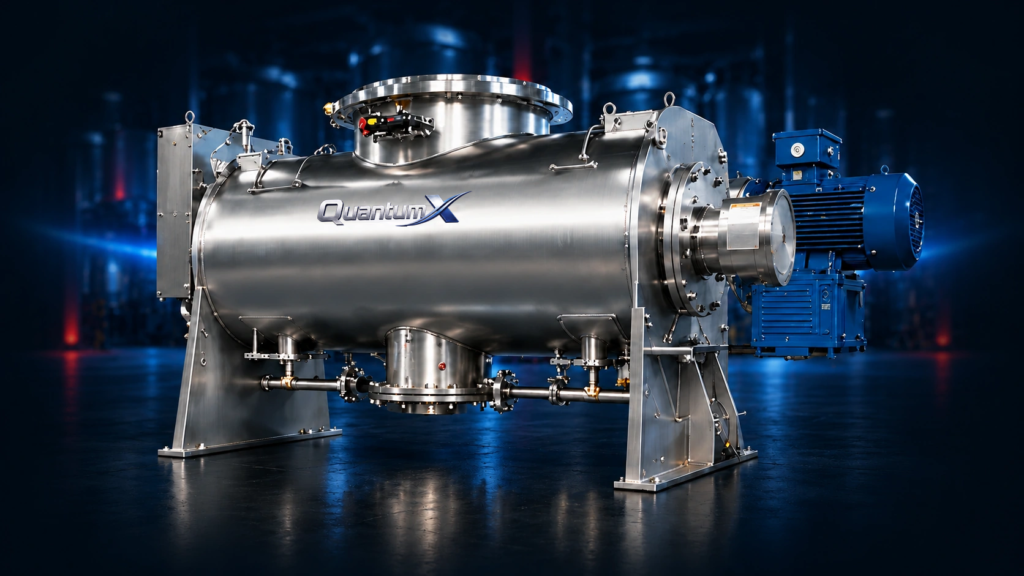
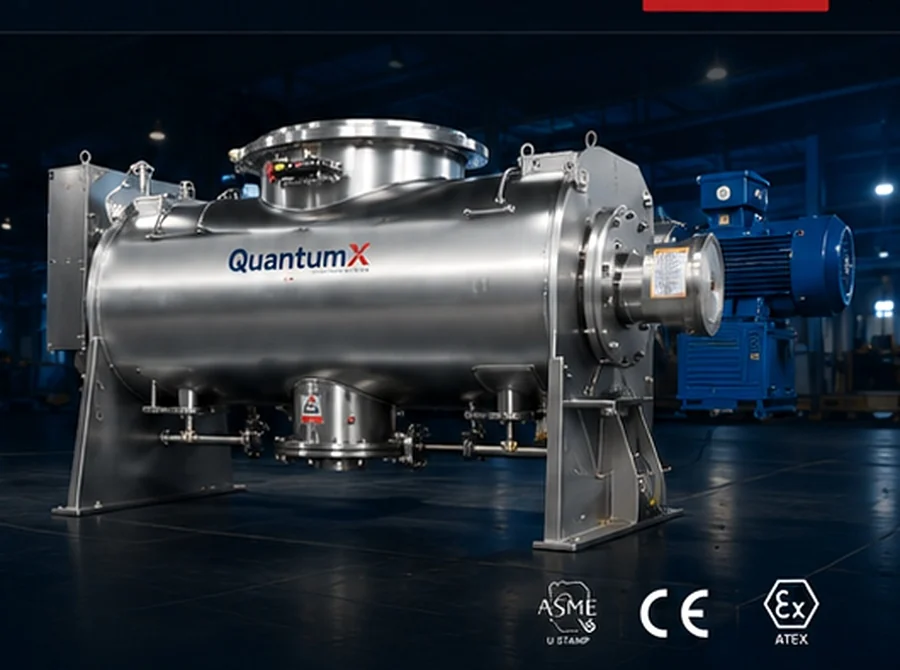
QuantumX stainless steel industrial mixer with blue drive motor

QuantumX Specialty Systems

When Atmospheric Mixing Is Not Enough

For agricultural and animal-nutrition processes that require vacuum, thermal treatment, pressure, containment or hazardous-area construction.

For

Vacuum dryingAdvanced thermal treatmentControlled atmosphereHazardous agricultural chemicalsPressure-rated systemsATEXHigh containmentSpecialty reactors

Liquids

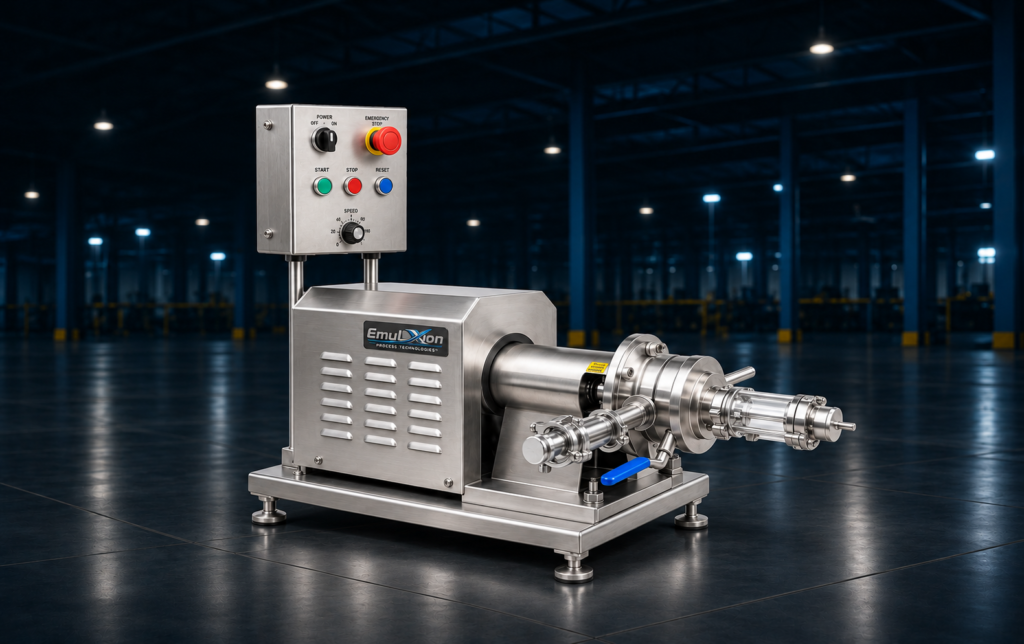
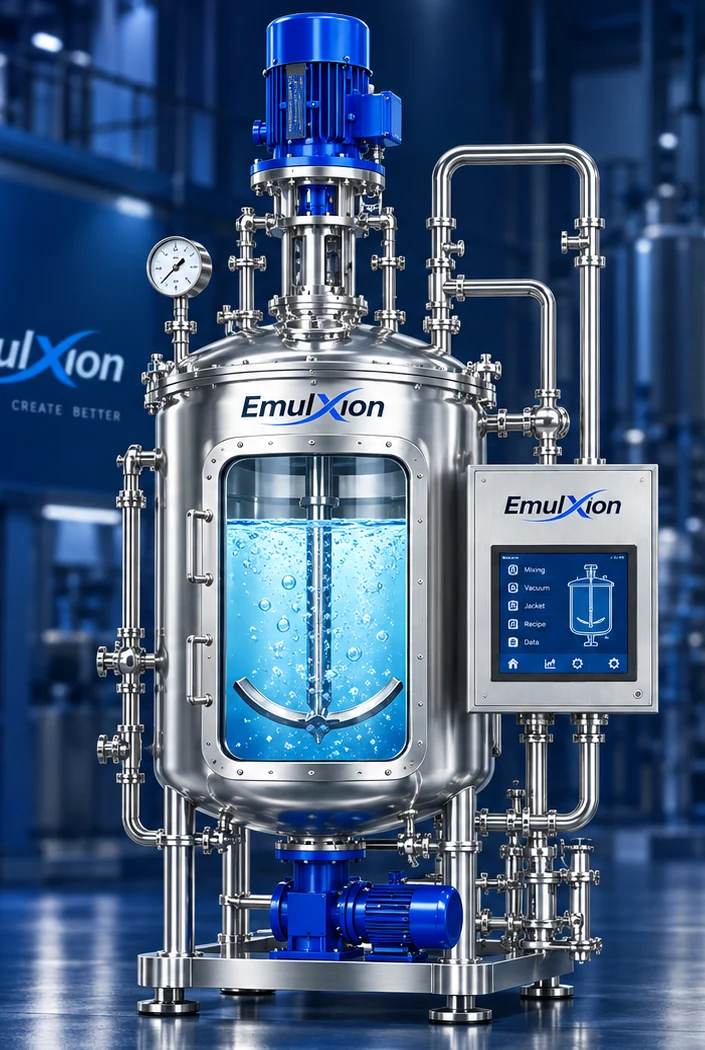
EmulXion stainless steel inline high shear mixer with control panel in an industrial plant

EmulXion Liquid Processing

Liquid Supplements, Palatants and Coatings

For products with a liquid continuous phase that need agitation, dispersion or homogenization.

For

Liquid supplementsPalatantsOilsEmulsionsSuspensionsLiquid feed additivesCoating liquidsVeterinary liquid products

Selecting the right mixer

Six Pathways. One Right Answer for Your Formulation.

PlatformMixing characterStrongest applicationsKey engineering questions
Ribbon Mixer Axial and radial circulationFeed premixes, vitamin/mineral blends, dry supplements and general agricultural powdersMinor-ingredient ratio, ribbon geometry, fill and discharge
Paddle Mixer Gentle lifting and foldingFragile pellets, pet-food inclusions, flakes and variable-density productsParticle integrity, paddle geometry and rapid discharge
Ploughshare Mixer Mechanical fluidizationOil or molasses addition, coating, deagglomeration and intensive premixingLiquid addition, plough profile, choppers and heat
Double Cone Mixer Tumble blendingFree-flowing high-value premixes and gentle specialty blendsFlowability, fill, segregation and low-dose distribution
QuantumX Application-specificVacuum drying, pressure, thermal treatment, ATEX and containmentMoisture, temperature, hazard classification and containment
EmulXion Agitation, dispersion and homogenizationLiquid palatants, supplements, suspensions and emulsionsViscosity, solids loading, stability and deaeration

Not sure which row fits? Tell us the species or application, the batch and what the current process must improve — we will narrow it down.

Animal-food regulatory context

Equipment Supports Compliance — but Does Not Establish It

Facilities required to register with FDA and manufacturing food for animals may be subject to 21 CFR Part 507, which includes current good manufacturing practice requirements and, for covered facilities, hazard-analysis and risk-based preventive-control requirements. The framework also addresses training and recordkeeping. Applicability, exemptions and modified requirements must be reviewed for the individual facility.

Source: U.S. Food and Drug Administration

Equipment can support sanitation, ingredient control, batch accuracy and traceability, but it does not establish compliance by itself. The manufacturer remains responsible for:

Food-safety planHazard analysisPreventive controlsMonitoringCorrective actionsVerificationRecords where required

01Distribution

Micro-Ingredient Distribution

Trace vitamins, minerals, medications and functional additives require controlled distribution through a much larger carrier mass.

Engineering factors include

Ingredient concentrationCarrier selectionPreblendingLoading sequenceParticle size


Density variationMixer fillSamplingDischargeDownstream segregation

A longer cycle does not automatically create a better blend. Distribution is engineered from the carrier and preblend through discharge.

02Liquids

Liquid Addition

Liquid viscosity, temperature, nozzle selection and powder circulation must be engineered together.

Feed and pet-food products may require

OilsFatsMolassesFlavorsPalatantsEnzyme solutionsNutrient solutionsDust suppressants

Success depends on

Liquid viscosityLiquid temperatureNozzle selectionPowder circulation

Intensive oil or molasses addition may move toward a ploughshare mixer. A liquid continuous phase moves toward EmulXion.

Ploughshare Mixer

EmulXion

03Integrity

Fragile Pellets and Inclusions

Some products must leave the mixer intact. Paddle mixers may be preferred where particle integrity is critical.

Paddle mixers may be preferred for

PelletsKibbleFlakesExtruded pieces


Freeze-dried inclusionsCoated granulesPet-food components

Paddle Mixer

04Changeover

Cross-Contamination

Equipment design can support changeover through access, reduced hold-up, cleanable seals and appropriate discharge design.

Shared equipment may process

Different animal speciesDifferent nutrient levelsMedicated and non-medicated productsAllergensFlavorsAgricultural chemicals

Design features that support changeover

AccessReduced hold-upCleanable sealsAppropriate discharge design

05Safety

Dust and Combustibility

OSHA identifies feed, grain, fertilizer and animal-food manufacturing among materials and industries that may present combustible-dust hazards. Actual risk must be established from material-specific properties and the facility’s hazard analysis.

Source: OSHA

Applications requiring hazardous-area, ATEX or specialty protection move into QuantumX.

QuantumX

06Wear

Abrasion and Corrosion

Mineral supplements, salts, fertilizers and agricultural chemicals can wear and attack product-contact surfaces.

These products may require

Wear linersHardened edgesCorrosion-resistant alloysProtected discharge valvesSpecialty coatings

07Discharge

Complete Discharge

PerMix evaluates the mixer and discharge system together rather than treating the outlet as a standard accessory.

Residual product can affect

Nutrient accuracyCross-contaminationYieldCleaningBatch reconciliationDownstream consistency

Sanitary and cleanable design

Define the Cleaning Method Before the Final Design

The cleaning method and cross-contamination-control program must be defined before final design. Construction, access, seals and discharge then follow the way the plant intends to clean and verify the machine.

Options can include:

  • 304 or 316L stainless steel
  • Continuous product-contact welds
  • Defined surface finish
  • Large access doors
  • Reduced product traps
  • Accessible seals
  • Flush discharge
  • Spray devices
  • Wash-in-place
  • CIP concepts
  • Batch traceability
  • Ingredient verification

PerMix mixer applications by segment

Find Your Segment. See the Likely Pathway.

Select a segment to see typical applications, the engineering priorities we review and the equipment pathways most likely to fit.

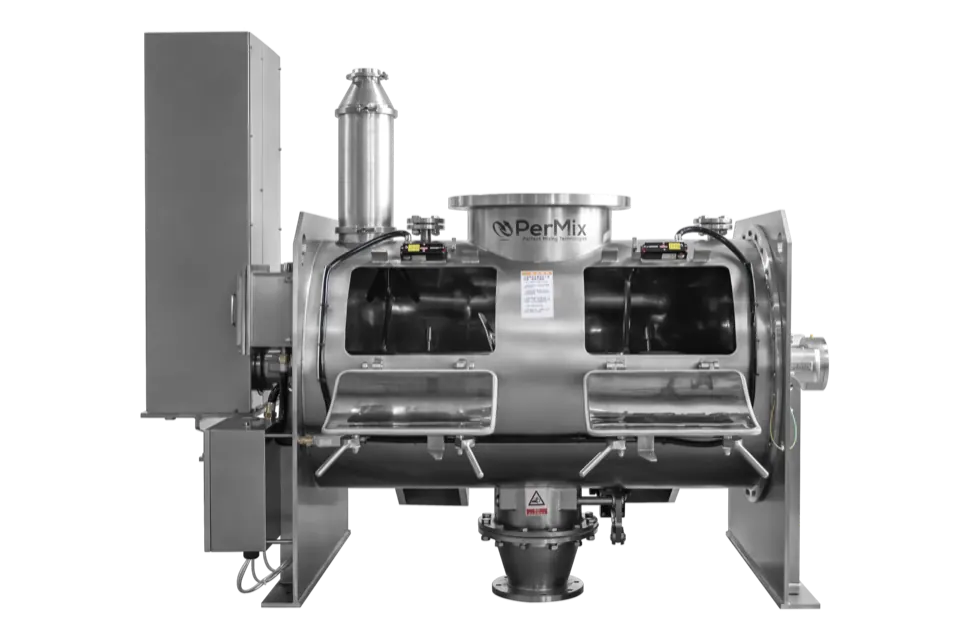
Segment 01 / 05PerMix ribbon mixer

Feed Premixes

Applications

Vitamin premixesMineral premixesAmino-acid blendsEnzyme systemsFunctional additivesMedicated premixes where applicable

Likely equipment pathways

  1. 01Ribbon MixerPerMix
  2. 02Paddle MixerPerMix
  3. 03Double Cone MixerPerMix
  4. 04Ploughshare Mixer — difficult liquid addition or deagglomerationPerMix

Beyond dry mixing

Specialty and Liquid Processes Require Different Engineering

PerMix focuses the standard range on dry powders, pellets and granules. Vacuum, thermal, pressure and containment duties move into QuantumX; liquid palatants and supplements move into EmulXion.

QuantumX vacuum mixer-dryer

QuantumX

Agriculture and Animal-Nutrition Systems

An agricultural or animal-nutrition application moves into QuantumX when it requires vacuum, thermal conditioning, pressure, containment or hazardous-area construction.

Potential applications

  • Vacuum drying
  • Thermal conditioning
  • Controlled atmosphere
  • Hazardous agricultural chemicals
  • Solvent-wet biological products
  • Pressure-rated processes
  • High-containment additives
  • ATEX installations
EmulXion liquid processing equipment

EmulXion

Liquid Palatant and Supplement Systems

When the product has a liquid continuous phase, EmulXion handles agitation, dispersion, powder incorporation and deaeration.

EmulXion can support

  • Liquid palatants
  • Fat emulsions
  • Vitamin suspensions
  • Mineral suspensions
  • Liquid supplements
  • Enzyme solutions
  • Coating liquids
  • Veterinary liquids
  • High-shear powder incorporation
  • Vacuum deaeration

Process-line integration

From Ingredient Receiving to Packaged Product

01Receive

Ingredient receiving

  • Bag-dump stations
  • Bulk-bag unloaders
  • Silos
  • Micro-ingredient systems

02Feed

Conveying & dosing

  • Loss-in-weight feeders
  • Liquid dosing
  • Molasses heating
  • Conveyors

03Mix

PerMix mixer

  • Micro-ingredient distribution
  • Oil, fat & molasses addition
  • Coating
  • Gentle pellet handling

04Process

Downstream processing

  • Screening
  • Milling
  • Pelleting
  • Extrusion
  • Coating

05Pack

Inspection & packaging

  • Metal detection
  • Packaging
  • Checkweighing

Upstream feeding and downstream handling affect

Nutrient accuracyCycle timeDustSegregationResidual hold-upCross-contaminationPellet integrityPackaging accuracy

Why manufacturers choose PerMix

Ten Reasons the Process Comes First

We begin with the formulation, the species or crop and the production objective — not a predetermined mixer.

  • 01

    Controlled Micro-Ingredient Distribution

    Carrier, preblend, loading sequence and fill engineered around trace vitamins, minerals and additives.

  • 02

    Gentle Pellet and Inclusion Handling

    Paddle and tumble pathways for kibble, pellets, flakes and freeze-dried inclusions.

  • 03

    Engineered Oil, Fat and Molasses Addition

    Viscosity, temperature, nozzles and powder circulation engineered together.

  • 04

    Sanitary and Cleanable Configurations

    Construction, access, seals and discharge follow the cleaning and changeover program.

  • 05

    Reduced Residual Hold-Up

    Discharge designed for nutrient accuracy, yield and batch reconciliation.

  • 06

    Wear- and Corrosion-Resistant Construction

    Liners, hardened edges, alloys and coatings for minerals, salts and fertilizers.

  • 07

    Vacuum and Specialty Processing

    Vacuum, thermal, pressure, ATEX and containment duties move into QuantumX.

  • 08

    Liquid Palatants and Supplements

    Liquid continuous-phase products move into EmulXion.

  • 09

    Integrated Weighing, Feeding and Packaging

    Micro-ingredient systems, dosing, screening, metal detection and packaging connected to the mixer.

  • 10

    FAT and Lifecycle Support

    Factory acceptance testing, service, spare parts and support after delivery.

Engineering intake

Tell Us What You Are Making — and What the Current Process Must Improve

To recommend an animal-nutrition or agricultural mixer, provide:

  1. Animal species or agricultural application
  2. Product
  3. Batch mass
  4. Bulk density
  5. Micro-ingredient concentration
  6. Pellet or inclusion fragility
  7. Oil, fat or molasses addition
  8. Moisture
  9. Cross-contamination requirements
  10. Cleaning method
  11. Hazard classification
  12. Materials of construction
  13. Loading and discharge
  14. Upstream and downstream equipment
  15. Required cycle time

RFQEngineering review

An application engineer will review your process and respond with a recommended pathway.

Request an Animal-Nutrition or Agricultural Mixer Recommendation

Do not submit confidential formulation details until an approved communication channel has been confirmed.

FAQ

Frequently Asked Questions

Got more questions?Ask an engineer
What mixer is best for feed premixes?

Ribbon mixers are common for general premixes, while paddles protect fragile ingredients and plough mixers support intensive liquid addition or deagglomeration.

Can PerMix distribute trace vitamins and minerals?

Yes. Ingredient concentration, carrier, preblending, loading sequence, mixer fill and sampling must be evaluated.

Can oils or molasses be added?

Yes. Heated liquid systems, spray nozzles, dosing control and appropriate agitator geometry can be integrated.

Can PerMix mix pet-food kibble or fragile inclusions?

Paddle mixers can support gentle handling of kibble, pellets, flakes and inclusions.

Can the equipment support animal-food CGMP?

Equipment can be engineered to support the facility’s sanitation, ingredient control and food-safety program. Compliance remains the responsibility of the manufacturer.

Can the mixer reduce cross-contamination?

Cleanable geometry, accessible seals, reduced hold-up and appropriate discharge can support changeover and cross-contamination controls.

Are agricultural chemical mixers available?

Yes. Standard PerMix or QuantumX systems can be evaluated depending on corrosion, dust, hazardous-area and containment requirements.

Does PerMix make liquid palatant systems?

Liquid systems are handled through EmulXion.

From ingredient behavior to production performance

Engineer the Mixer Around Nutrient Accuracy, Product Integrity and Food Safety

The right mixer must protect more than batch uniformity. It must also support:

Nutrient accuracyPellet integrityLiquid additionCross-contamination controlClean dischargeDust safetyTraceabilityDownstream packagingLifecycle reliability

Whether the application requires a standard PerMix dry mixer, a QuantumX vacuum or thermal system or an EmulXion liquid-processing line, we will evaluate the process before recommending the equipment.

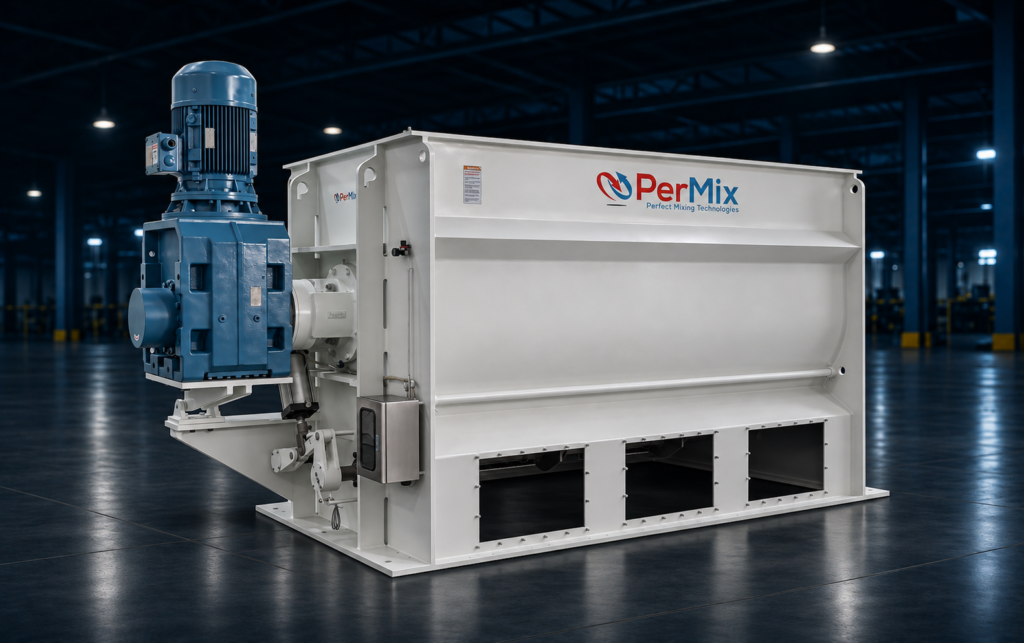
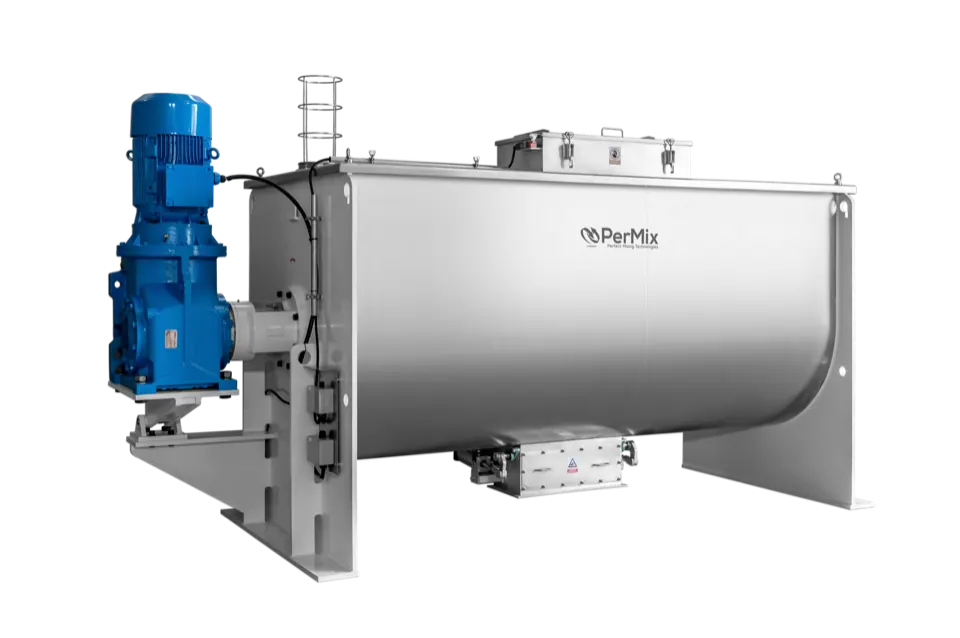
PerMix stainless steel ribbon mixer with blue drive in an industrial facility