
Download
EmulXion Liquid Process RFQ Checklist
A data checklist for high-shear mixing, homogenization, powder induction, vacuum emulsification and deaeration projects.
Resources & insights
Expert insights, guides and real-world applications to help you solve mixing challenges, compare technologies and find the right solution for your process.
Mix
Solve
Create
A Brighter
Tomorrow
Browse by content type
Featured article
Key factors to consider when choosing a mixer, including material properties, batch size, process goals and more.

Featured resource
Learn the key differences, advantages and ideal applications for high-shear and low-shear mixers.
Resource library
A data checklist for high-shear mixing, homogenization, powder induction, vacuum emulsification and deaeration projects.
Nozzle selection, droplet size, spray rate and powder circulation must be engineered together to avoid wet lumps and uneven coating.
A selection framework for limiting particle breakage, fines generation, heat and segregation during blending and discharge.
How cohesion, moisture, electrostatics and soft agglomerates influence mixer intensity, chopper selection and batch time.
A practical review of surface finish, access doors, seals, discharge geometry, spray devices and cleaning verification.
The data required to size a vacuum mixer or mixer-dryer, including vapor load, heat sensitivity, filtration and solvent recovery.
The area classification, material hazard data and operating scenarios needed before selecting hazardous-area mixing equipment.
A disciplined scale-up method using material movement, fill range, tool speed, power input and batch-cycle measurements.
How vessel geometry, valve design, powder flow and downstream transfer determine residual heel and cleanout time.
The process, pressure, temperature, hazard and documentation information needed for a faster specialty-system review.
Why batch mass, loose bulk density, operating density and usable fill range matter more than gross vessel volume.
A practical comparison of material movement, shear, liquid addition, particle fragility and deagglomeration capability.
A visual explanation of inner and outer ribbon flow, fill level, discharge and common powder-blending applications.
Horizontal and vertical ribbon mixer configurations, features, application guidance and standard construction boundaries.
Compare ribbon, plough, paddle and double cone mixers and identify when the application should move to QuantumX or EmulXion.
An application framework for distributing a liquid onto cohesive powder while controlling agglomeration and cycle time.
A structured application review for powders with particle-size and bulk-density variation, sanitary access and repeatable discharge.
Understand when a standard non-ASME jacket is appropriate and when vacuum, pressure or code-rated service moves to QuantumX.
Compare agitator geometry, product movement, shear, particle fragility and density variation before selecting a powder mixer.
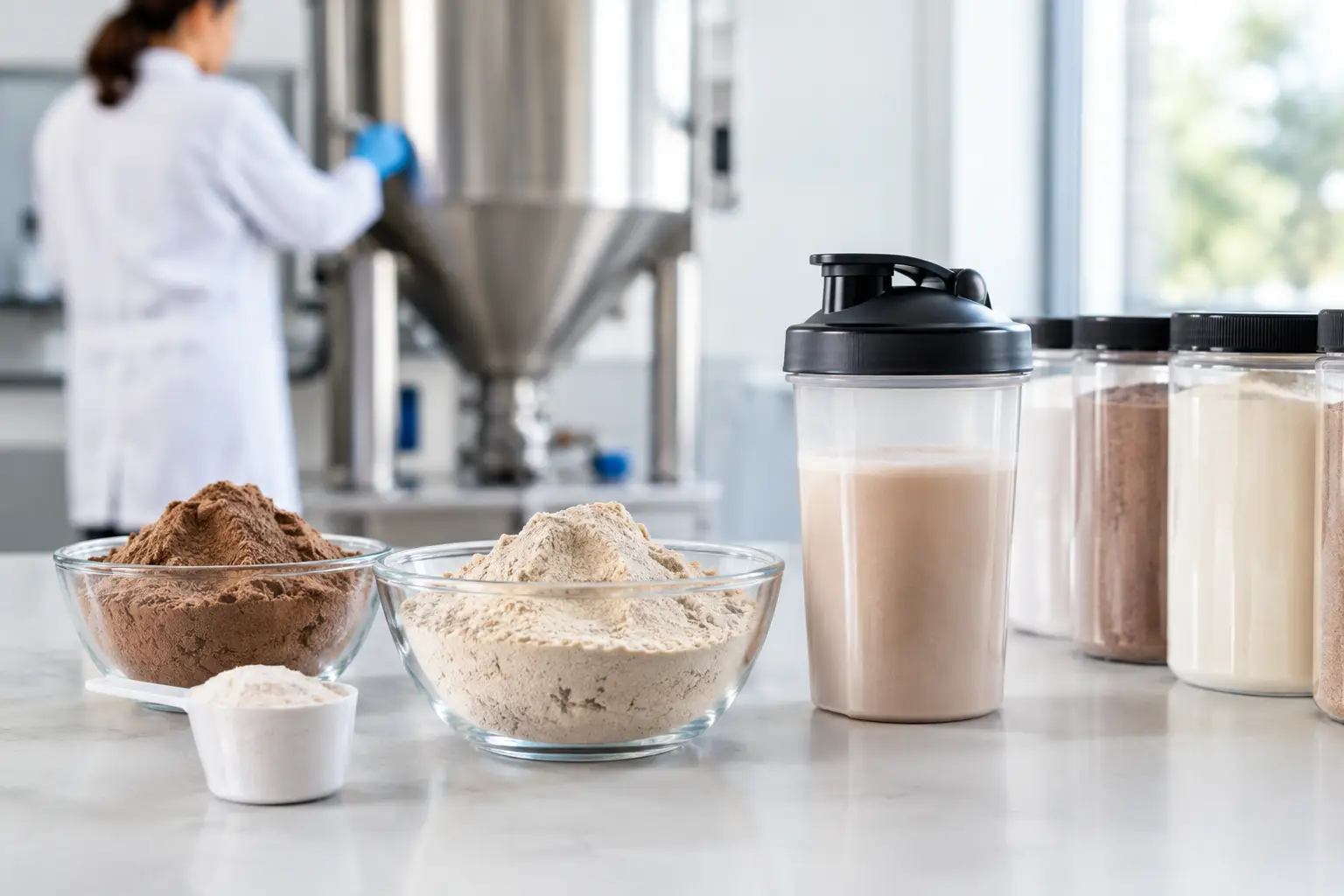
This protein powder blending case study shows how process mixing, liquid addition, and controls improve uniformity, throughput, and cleanability at scale.
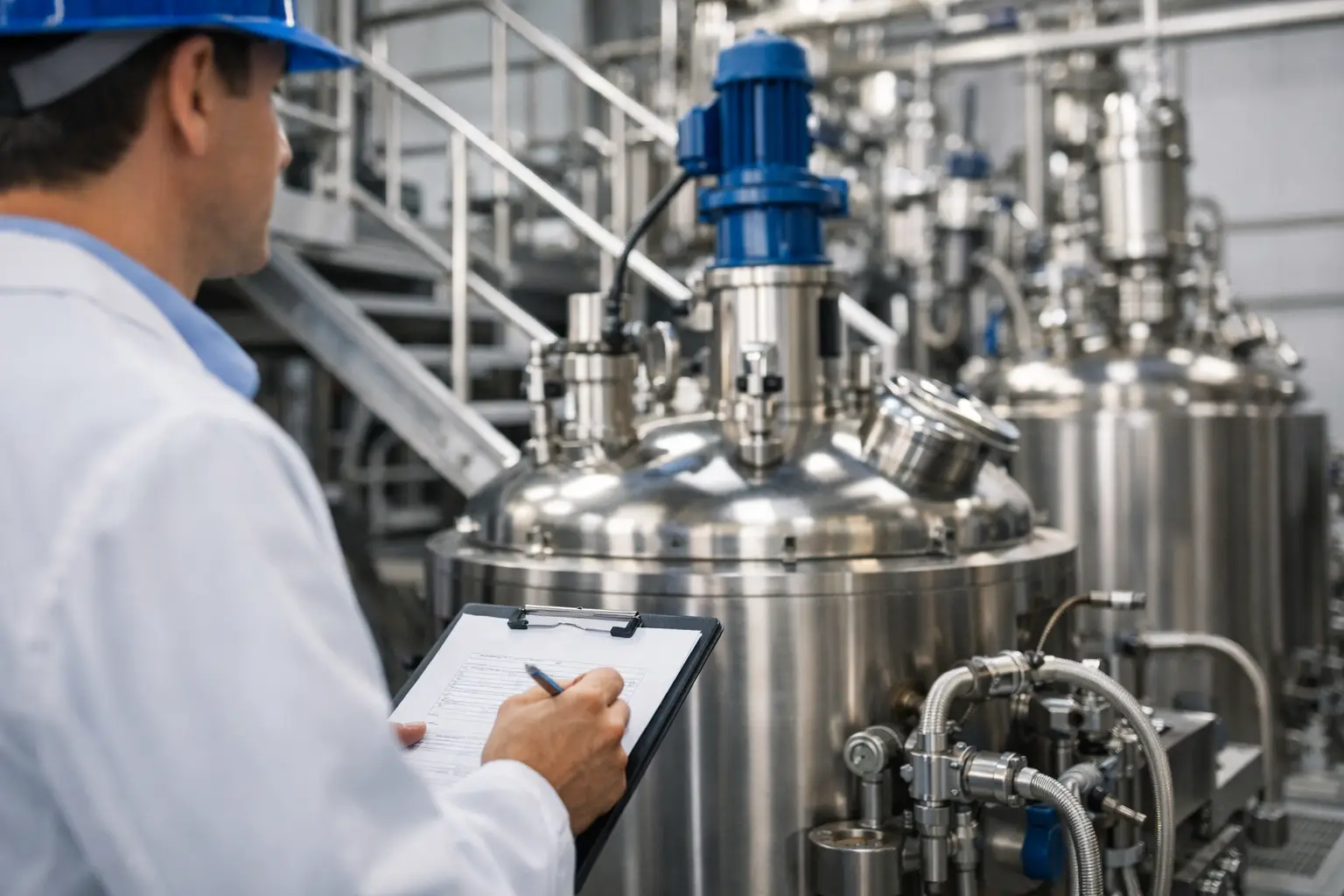
This process scaleup guide explains how to move from pilot trials to full production with controlled mixing, consistent quality, and capacity planning.
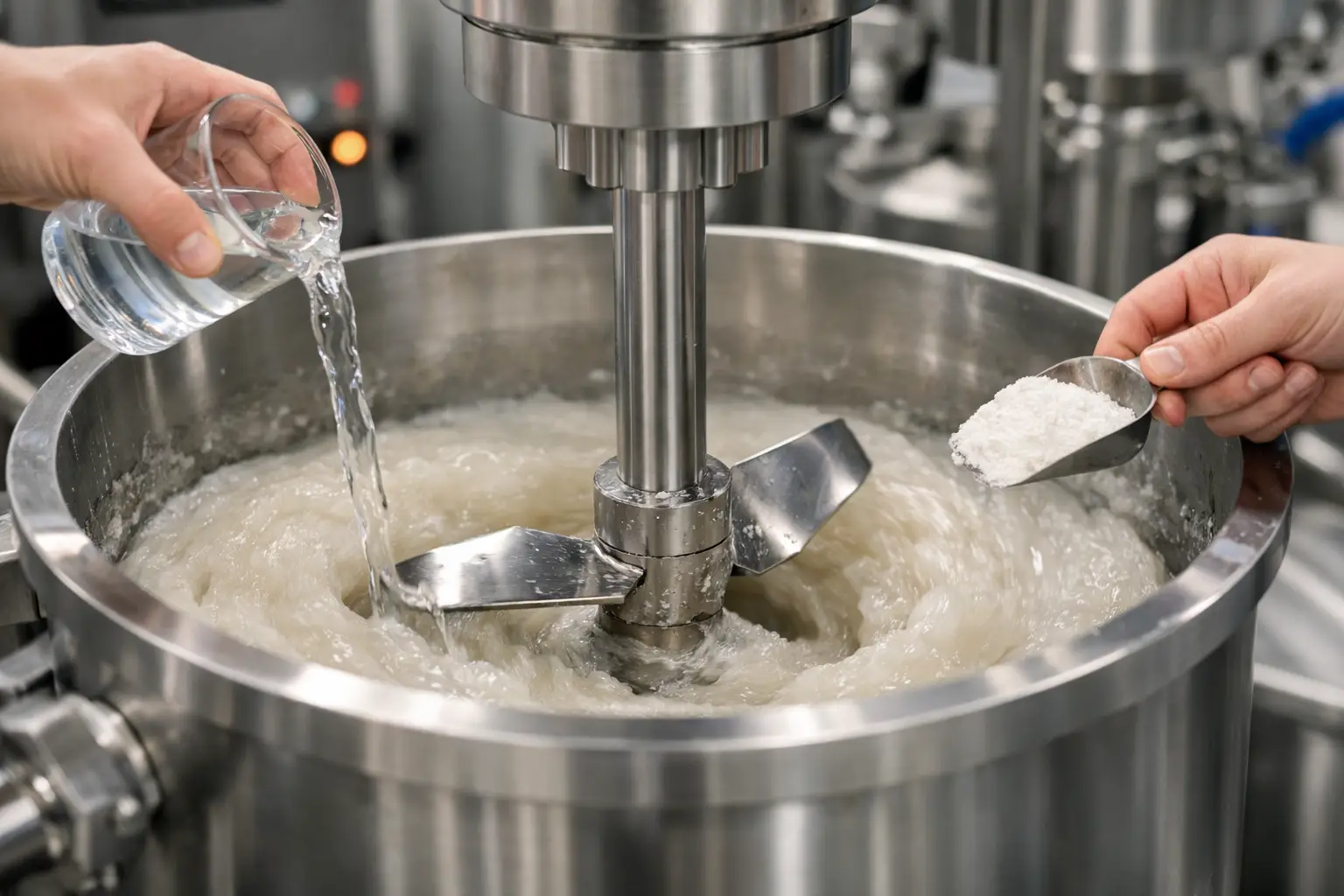
Learn how to reduce mixing energy through mixer selection, batch design, controls, and maintenance while protecting uniformity, throughput, and quality.
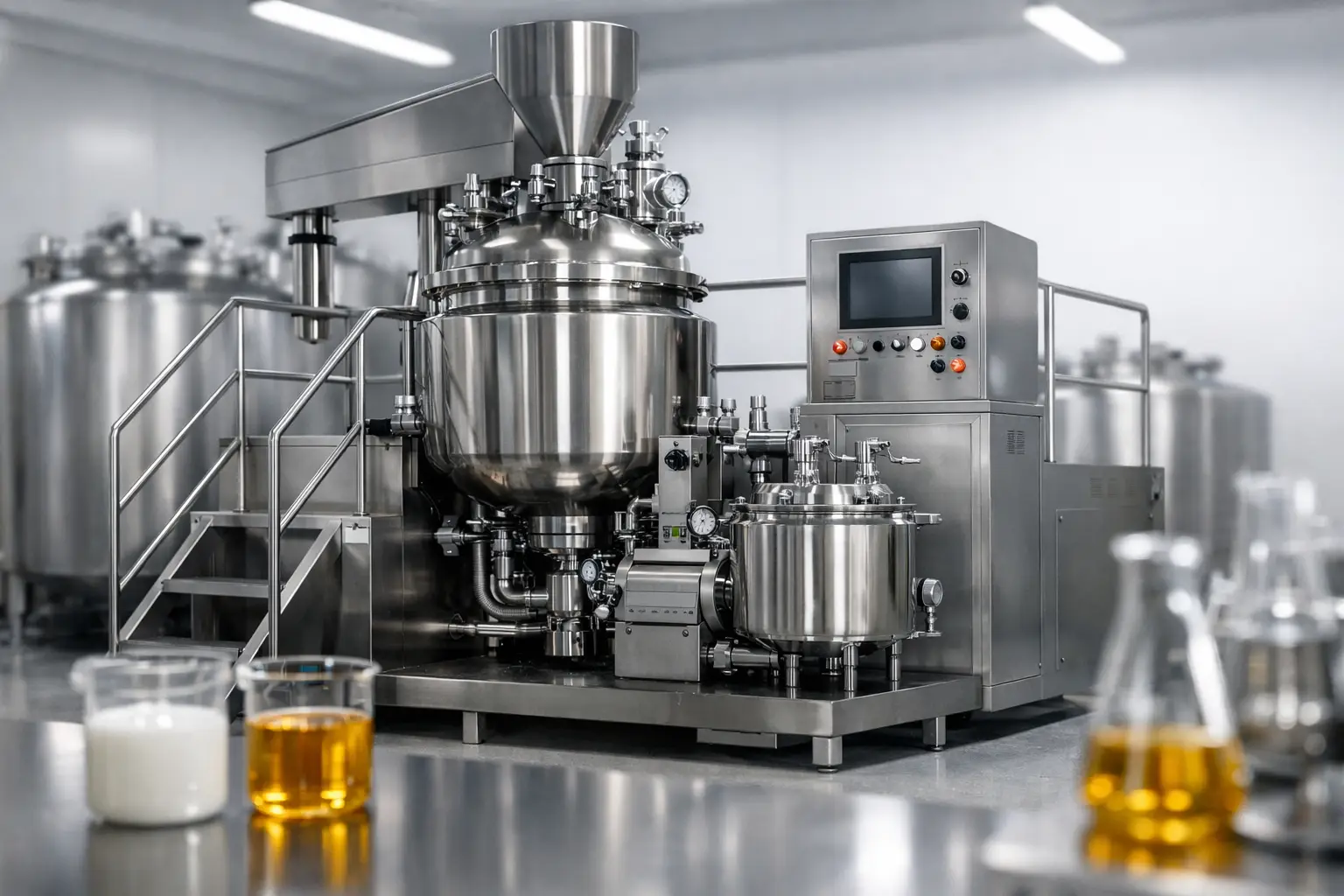
Use this vacuum emulsifying equipment buying guide to evaluate shear, vacuum, heating, controls, cleaning, and capacity for repeatable production batches.

Learn how to scale pilot batches by protecting mixing, heat transfer, ingredient addition, and control strategies from pilot trials to production safely.
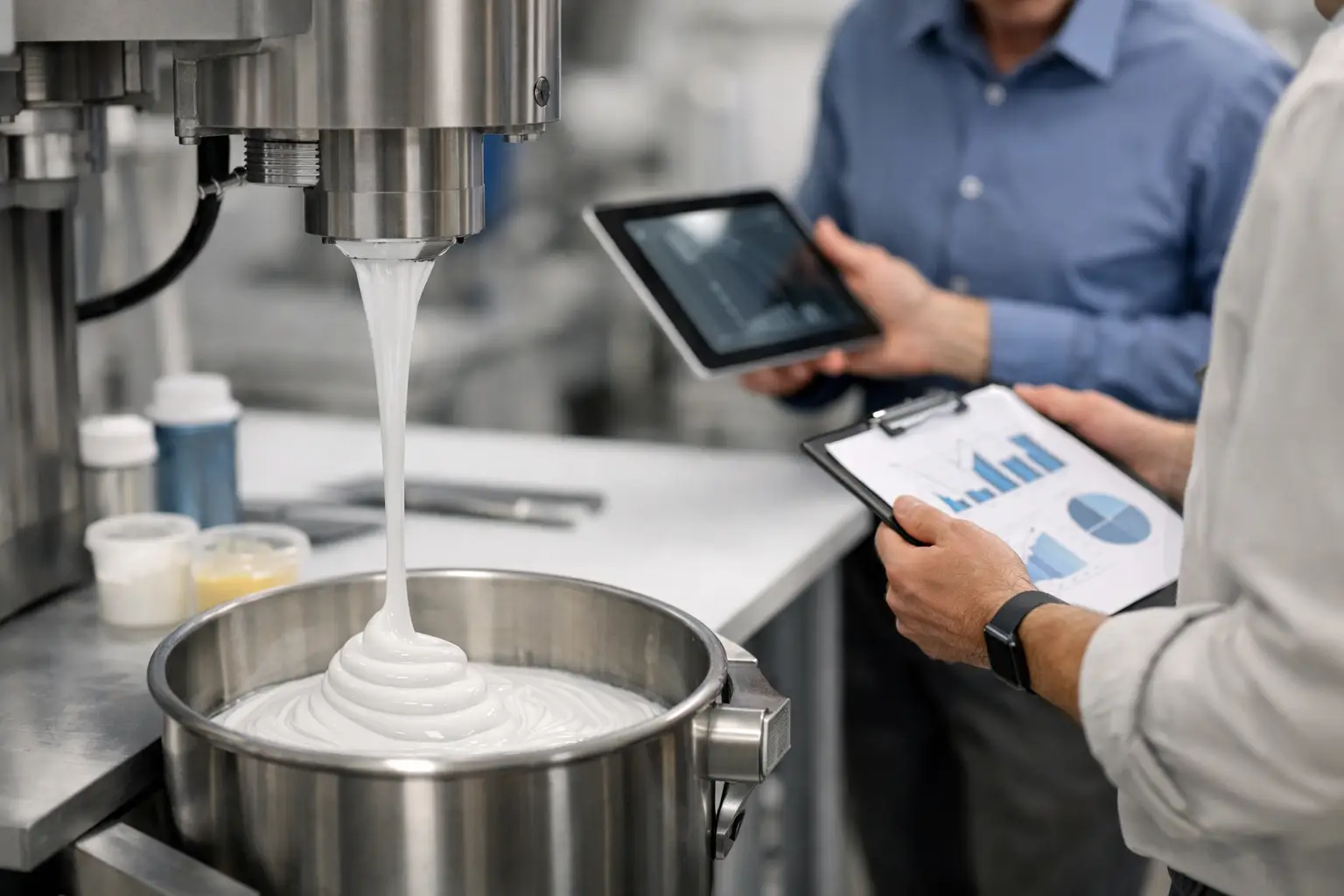
An adhesive mixing throughput case study showing how mixer selection, feed control, vacuum, and discharge design raise capacity while protecting quality.
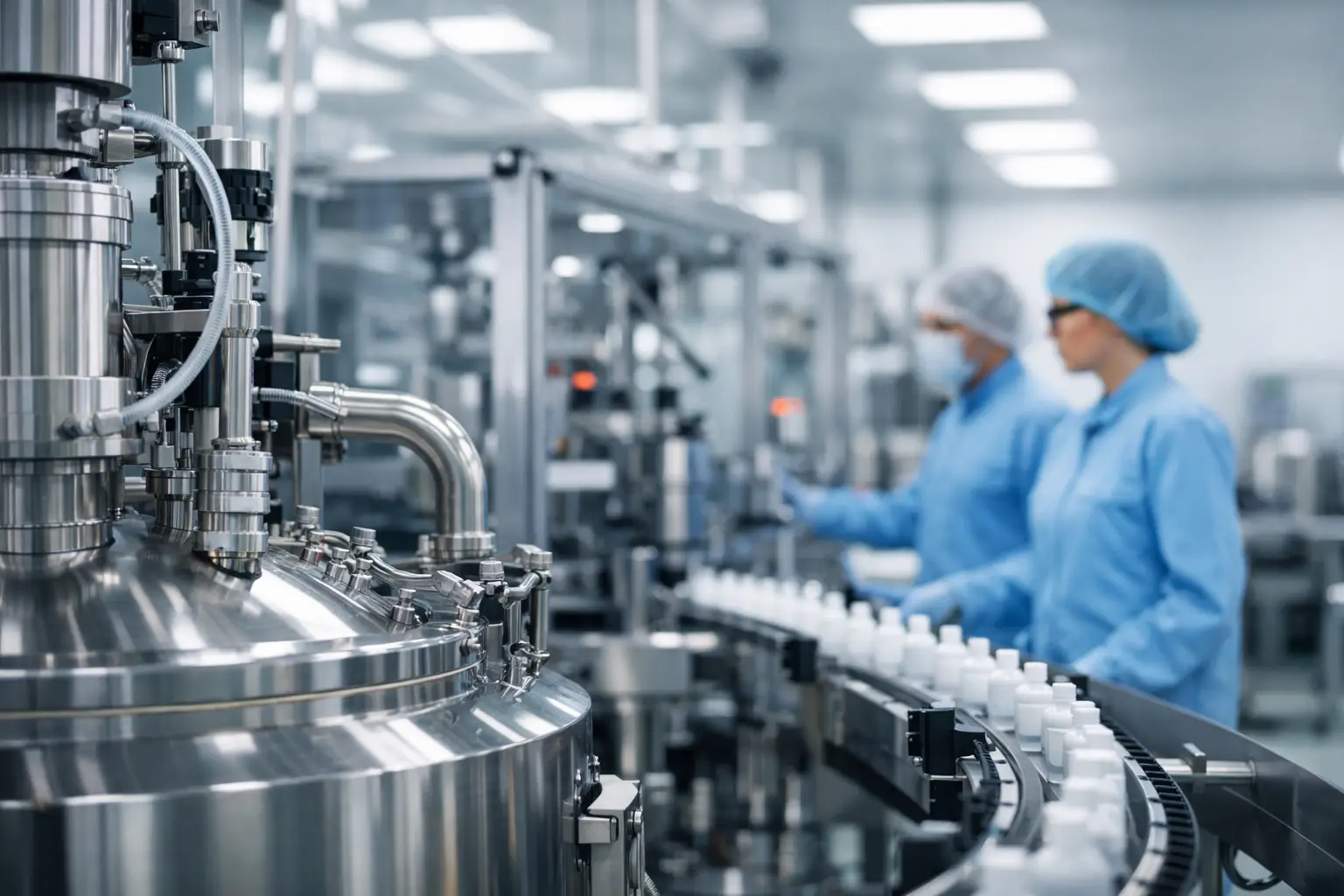
Continuous manufacturing trends are reshaping mixing, feeding, automation, and quality control. Learn where engineering decisions create measurable gains.
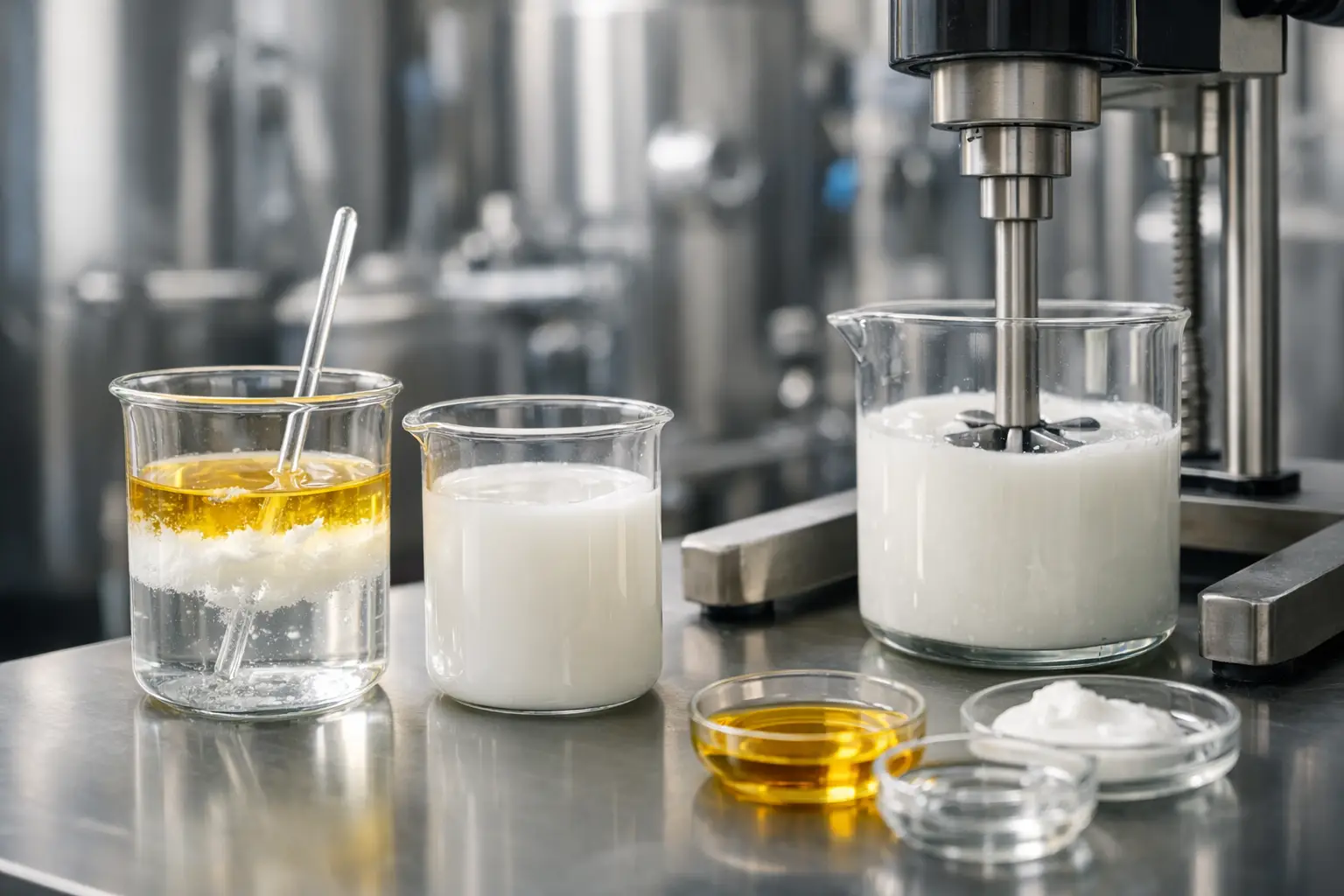
Learn how to select an emulsifier by matching formulation, shear, viscosity, sanitation, scale-up, and controls to repeatable production at plant scale.
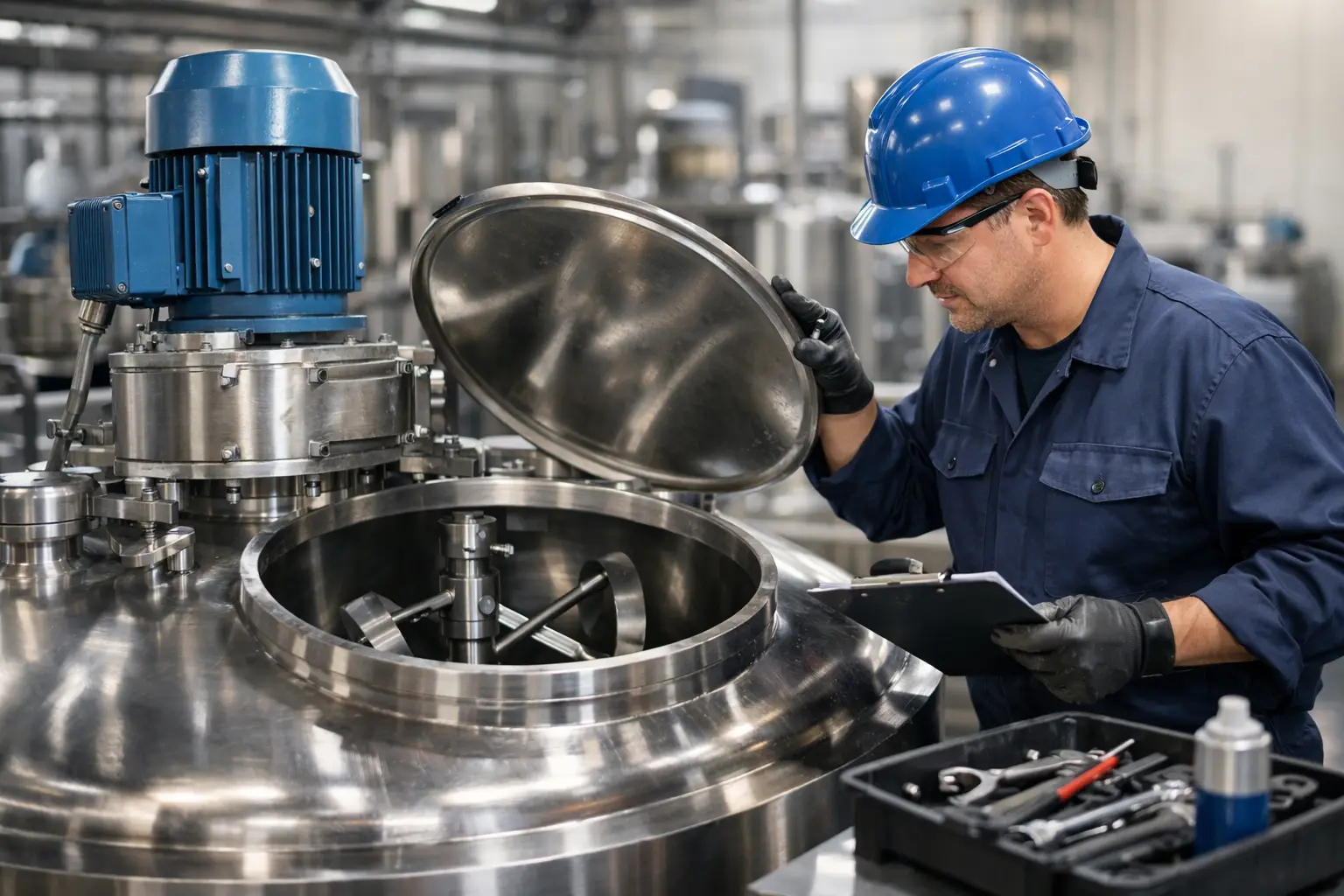
This industrial mixer maintenance guide helps plants protect batch consistency, reduce downtime, and extend equipment life through disciplined daily care.
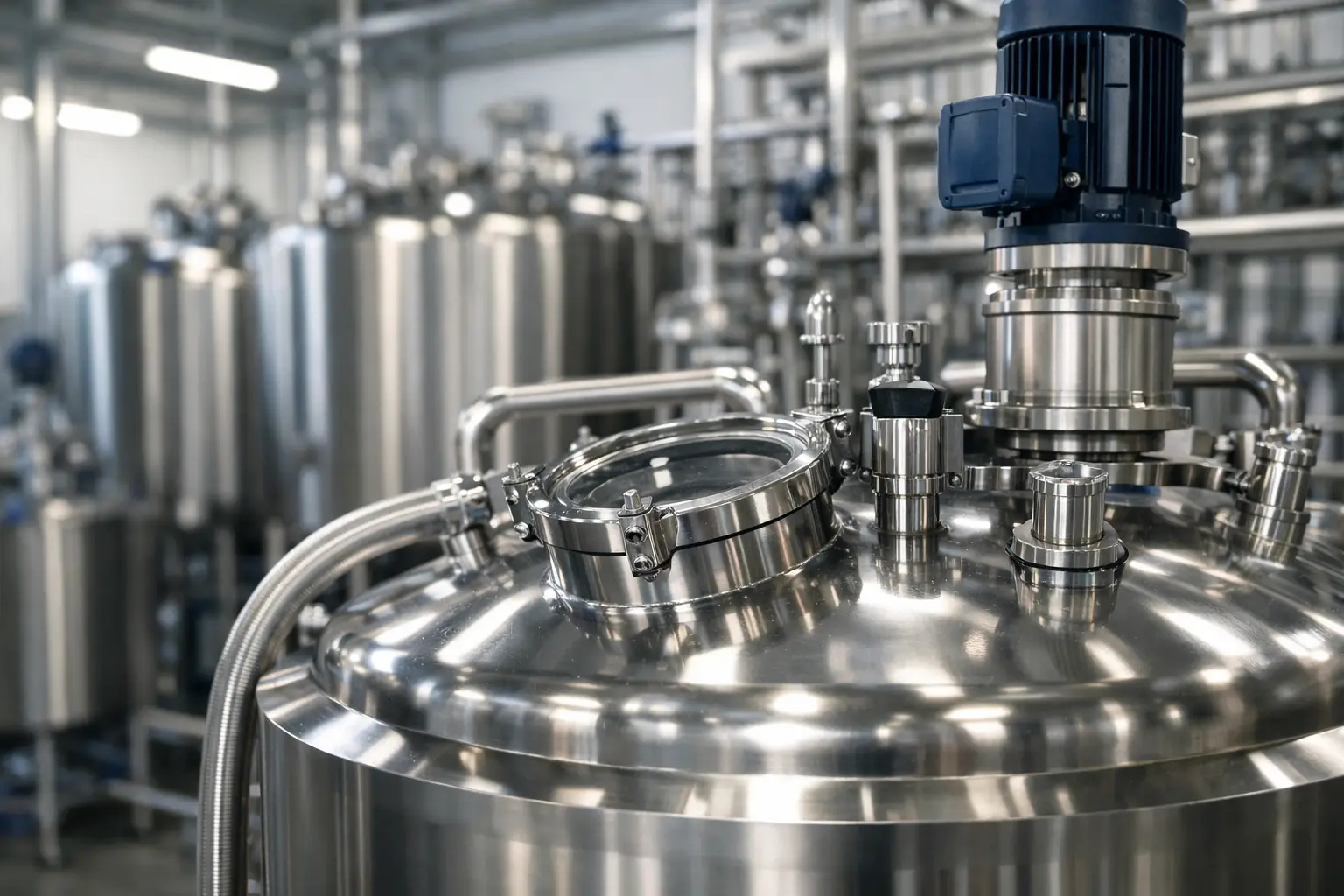
Sanitary vessel design requirements determine cleanability, product safety, uptime, and validation confidence before fabrication in regulated plants.
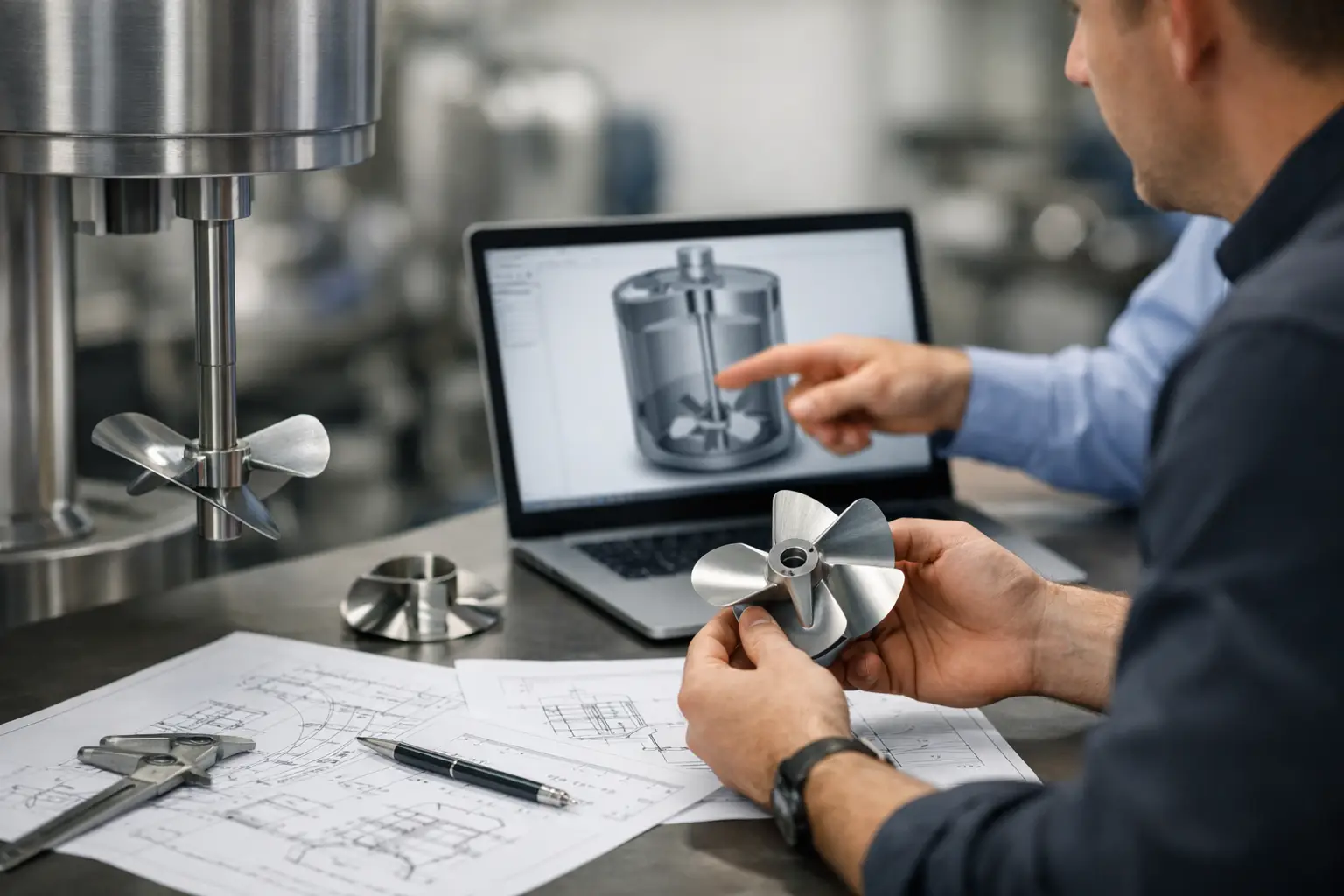
See how the custom mixer design process turns material data, production targets, and validation requirements into reliable, efficient equipment for plants.
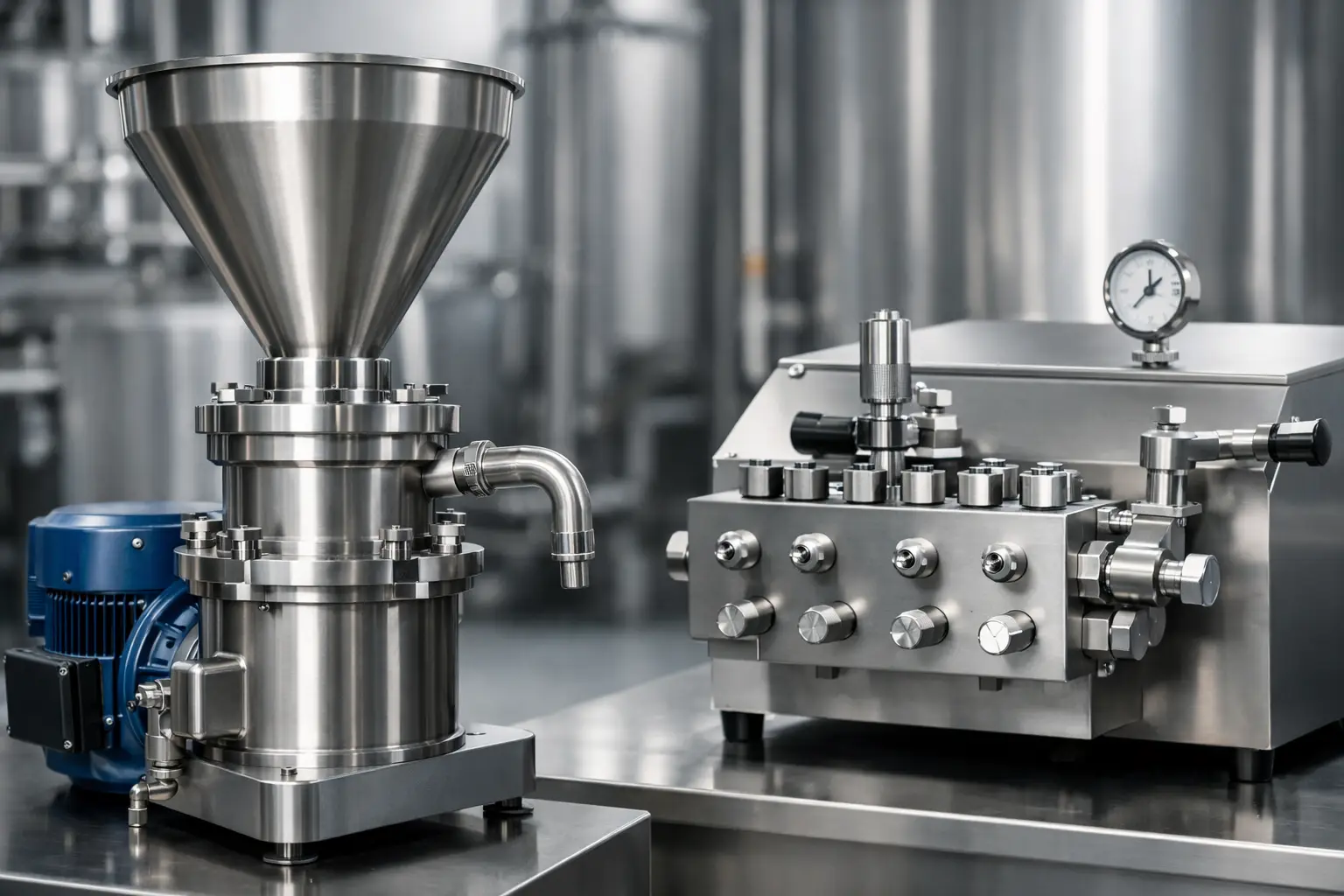
Compare colloid mill vs homogenizer performance for emulsions, dispersions, and slurries. Select equipment by viscosity, particle size, throughput goals.
Featured downloads
Get detailed product information, technical specifications and application guides to support your project.
Get expert advice
Get expert advice on your application, materials and process requirements.
A trusted partner for North America
Established mixing platforms
Factory-to-field support
Dedicated project response