What mixer is best for pharmaceutical powders?
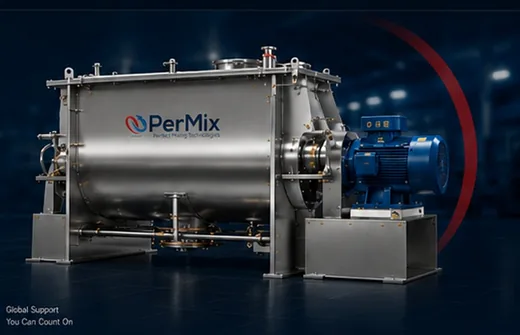
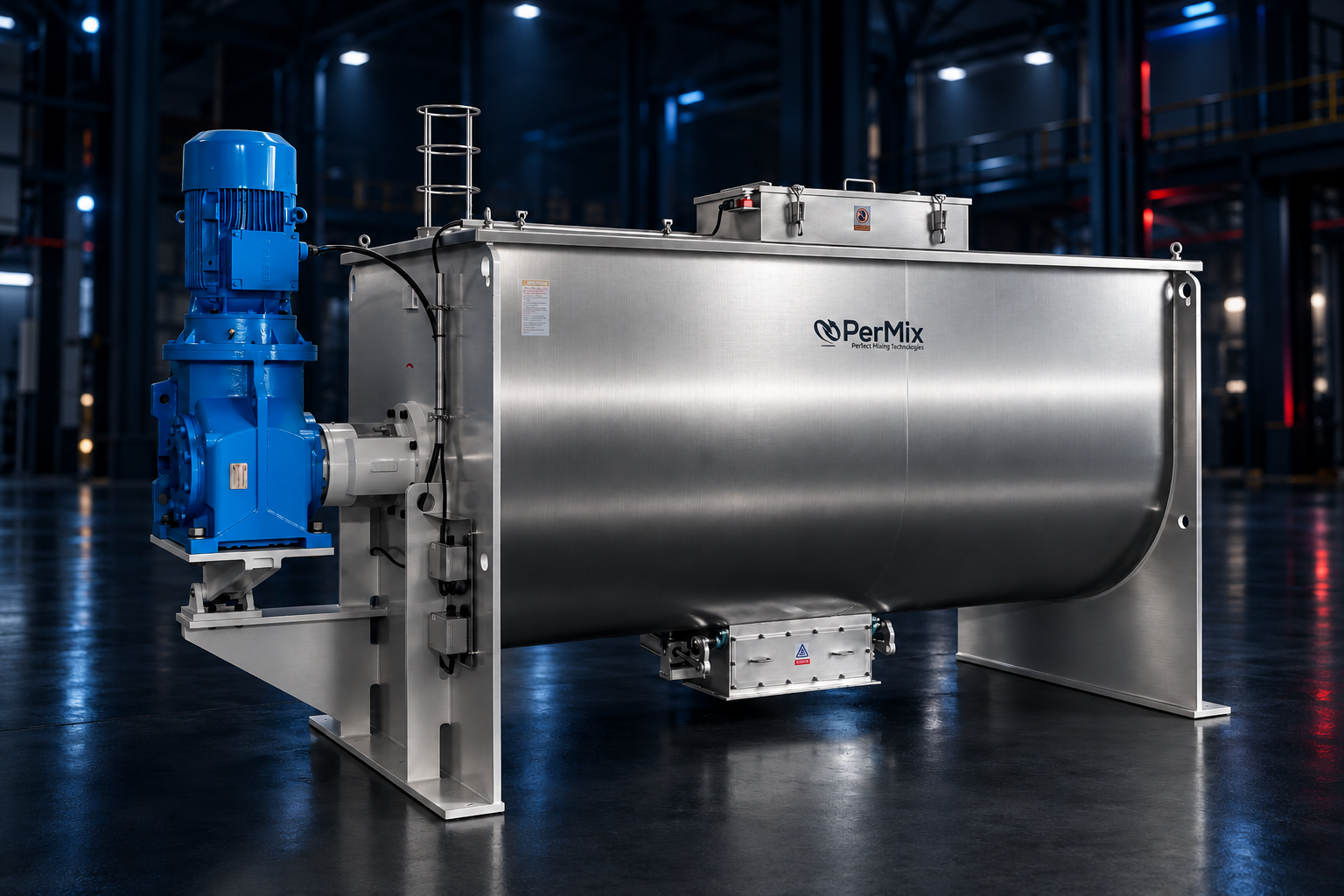
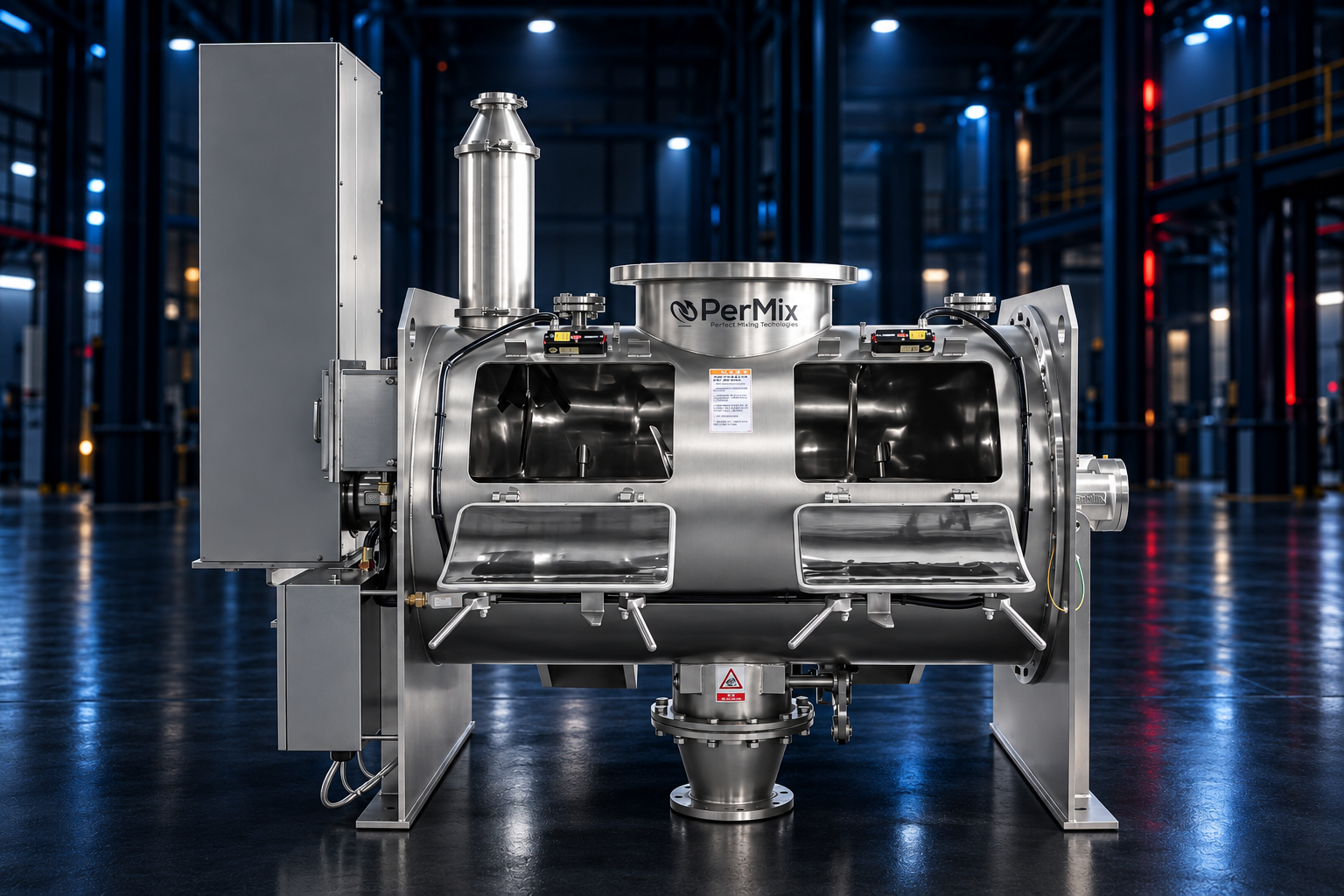
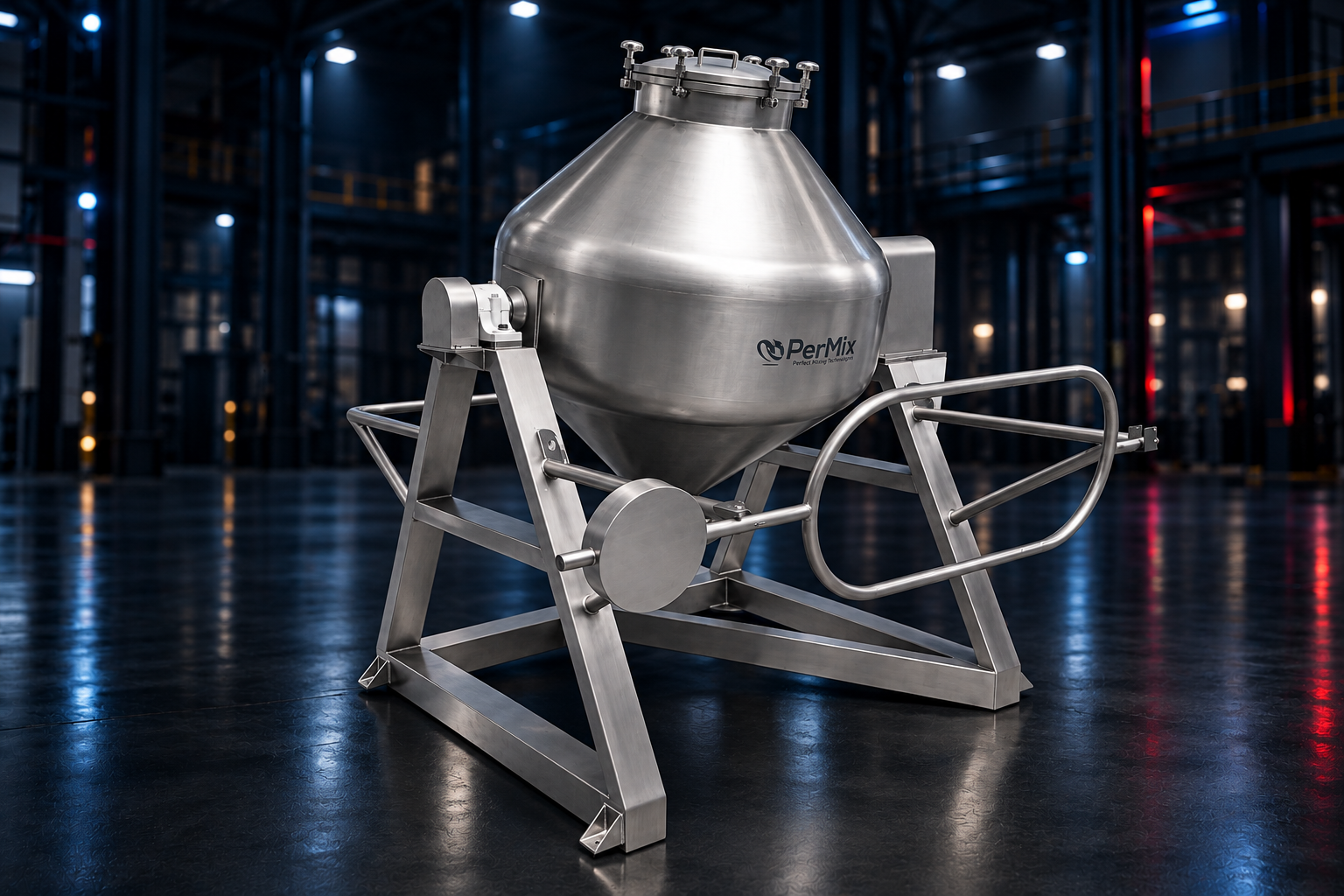
The correct mixer depends on flowability, active concentration, particle size, density variation, fragility, cleaning, containment and downstream handling. Ribbon, paddle, ploughshare and double cone mixers produce different material movement.
What is the difference between pharmaceutical and nutraceutical mixer requirements?
Both may require controlled blending and cleanability, but the applicable regulatory, documentation, validation and quality-system requirements can differ. U.S. finished pharmaceuticals generally fall under Parts 210 and 211, while dietary supplements are subject to Part 111.
Can PerMix supply cGMP-oriented equipment?
PerMix can engineer equipment features and documentation to support a customer’s cGMP manufacturing strategy. Compliance belongs to the customer’s complete facility, procedures, quality system and validated process.
Is PerMix equipment “GMP certified”?
GMP is not a universal equipment certification. The machine can be designed using project-specific hygienic, material, documentation and control requirements intended to support the customer’s regulated process.
Can PerMix provide 316L stainless-steel construction?
Yes. 316 and 316L stainless steel can be specified for appropriate pharmaceutical and nutraceutical product-contact applications.
Are electropolishing and passivation available?
Yes, where specified. The required finish, treatment, inspection method and documentation should be defined before final design.
Can the mixer support low-dose active distribution?
Yes, depending on the product and required uniformity. Particle size, density, preblending, loading sequence, fill level, agitator geometry and sampling method must be evaluated together.
Can PerMix supply high-containment mixers?
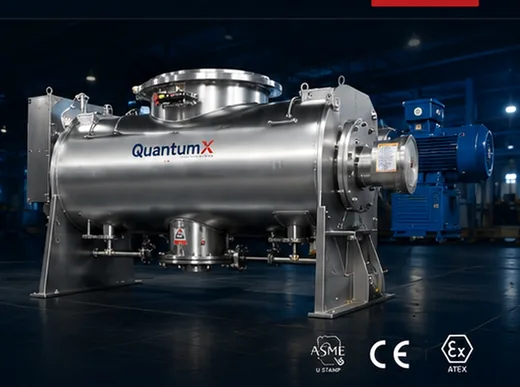
Yes. QuantumX systems can include closed charging, contained sampling, high-integrity seals, filtered venting and contained discharge according to the customer’s containment basis.
Can the equipment be cleaned in place?
CIP or wash-in-place concepts can be engineered where appropriate. Spray coverage, drainage, soil type, cleaning chemistry and validation requirements must be defined.
Can the mixer support cleaning validation?
Equipment can be designed with access, cleanability and documentation to support a cleaning-validation program. The regulated manufacturer remains responsible for the validation protocol, analytical method and acceptance criteria.
Does PerMix offer vacuum pharmaceutical dryers?
Yes. QuantumX can provide vacuum ribbon, paddle, plough, double cone and conical mixer-dryer configurations.
Can QuantumX systems remove solvents?
Suitable QuantumX systems can include vacuum, heating, condensers and receivers for application-specific solvent removal and recovery.
Are ASME and PED systems available?
Yes, where required and technically appropriate. Final design pressure, temperature, code scope and documentation must be identified during engineering.
Are ATEX systems available?
Yes. QuantumX systems can be engineered around a defined ATEX or hazardous-area basis supplied by the customer.
Can PerMix provide Part 11 functionality?
Control systems can include features such as user access, recipe management, audit trails and electronic batch data. Final Part 11 applicability and validation remain the customer’s responsibility.
Can PerMix provide IQ and OQ documents?
IQ/OQ support documents can be included when defined in the project scope.
Can the system handle fragile granules?
Yes. Paddle and double cone mixers are often considered for fragile materials, while speed, loading and discharge must also be controlled.
Can the mixer integrate with tablet presses or capsule fillers?
Yes. The system can interface with intermediate containers, vacuum transfer, contained discharge and downstream feeding equipment.
Can PerMix conduct product trials?
Trials can be included when test material, quantity, sampling method, analytical method and acceptance criteria are agreed.
What information is required for a quotation?
Provide the product, batch mass, bulk density, active concentration, material behavior, cleaning, containment, thermal duty, vacuum or pressure, controls, documentation and facility requirements.