
1. Plough Geometry Selected for the Material
Blade width, profile, angle, radial position, spacing and overlap are evaluated against the product behavior and required process result.
INDUSTRIAL PLOUGHSHARE MIXERS | INTENSIVE MOVEMENT ENGINEERED WITH PURPOSE
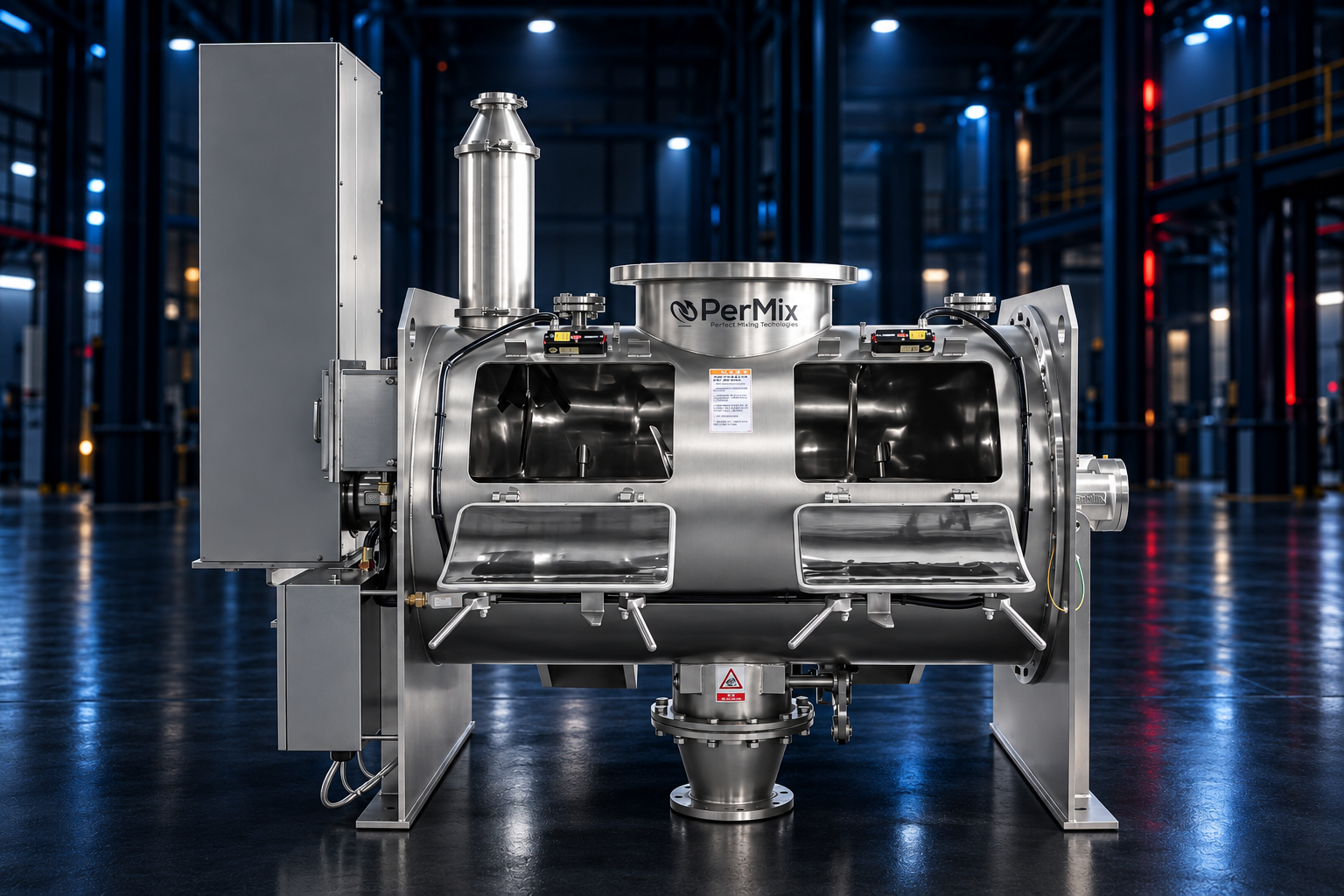
PerMix designs ploughshare mixers around the way your material must accelerate, separate, disperse, coat, deagglomerate, heat, cool and discharge.
Plough profile, blade width, attack angle, radial position, spacing, overlap, total active surface area, tip speed, vessel clearance, fill level, bulk density and startup torque are engineered as one process system.
The result is rapid, controlled batch circulation for cohesive powders, difficult formulations, liquid addition, coating, agglomeration, deagglomeration and other applications that require more energy than conventional low-shear blending.
Mix
Solve
Create
A Brighter
Tomorrow
Any fabricator can weld blades to a shaft and make powder move.
The real engineering challenge is controlling how the product is accelerated, lifted, separated and redistributed throughout the vessel.
A properly engineered ploughshare mixer creates a mechanically fluidized product zone. The plough elements lift material away from the vessel wall, project it into the open mixing chamber and redirect it through overlapping active zones.
The batch should not simply rotate with the shaft or move as one compacted mass. It should repeatedly separate and exchange between:
That is why PerMix does not treat the plough agitator as a standard catalog assembly.
We engineer the complete energy distribution and flow field.
Mechanical Fluidization—Without Compressed Air
In a correctly designed plough mixer, the plough elements accelerate product away from the vessel wall and into the available mixing space.
The repeated lifting, separation and collision of particles creates a mechanically fluidized state. The product becomes mobile throughout the batch even though no pneumatic fluidization air is required for the principal mixing action.
This movement can support:
Mechanical fluidization should not be confused with uncontrolled product impact.
The objective is to supply the amount and direction of energy needed by the process—without unnecessarily damaging the product, overheating the batch or oversizing the drive.
The Geometry That Determines Plough Mixer Performance
Two plough mixers can have the same vessel volume, shaft speed and motor power—and perform very differently.
The geometry determines how much product each plough captures, the direction in which it is projected, how active zones overlap and how energy is distributed throughout the vessel.
| Engineering Variable | What It Influences | Why It Matters |
|---|---|---|
| Plough width | Product capture, lifting capacity, active contact area and torque | A narrow blade may under-engage the batch. An excessively wide blade can increase drag, compaction and startup load. |
| Plough profile | How the product is split, lifted and projected | Curvature, leading edge and blade shape determine whether material is lifted cleanly, pushed as a mass or smeared against the vessel. |
| Attack angle | Direction and intensity of material movement | The angle determines how strongly the product is lifted radially and moved axially through the vessel. |
| Radial projection | Depth of engagement and relationship to the vessel wall | The plough must sweep the required product zone while maintaining safe and effective vessel clearance. |
| Axial spacing | Distribution of active zones along the shaft | Incorrect spacing can create weak end zones, overworked central zones or uneven liquid distribution. |
| Plough overlap | Exchange between adjacent active zones | Proper overlap allows material to transfer continuously through the vessel rather than circulate in isolated compartments. |
| Total active surface area | Quantity of product influenced during each revolution | Surface area must create sufficient movement without producing excessive torque, shear or heating. |
| Tip speed | Acceleration, mixing intensity and product impact | RPM alone is not meaningful. Diameter determines the actual velocity of the plough edge. |
| Vessel clearance | Wall sweep, residual hold-up and cleanability | Excessive clearance can leave poorly mixed material. Insufficient clearance can create mechanical risk, especially with liners. |
| Fill level | Available fluidization space and plough engagement | The process needs sufficient product engagement while preserving room for the material to lift and separate. |
| Shaft and support design | Mechanical stability, deflection and clearances | High-intensity operation places demanding loads on the shaft, supports, bearings and drive. |
A plough element must capture the material and release it in a controlled direction.
The blade profile can influence whether material:
PerMix evaluates:
The goal is not to create the largest possible blade.
The goal is to create the required product movement with controlled energy input.
Each plough creates an active mixing zone.
If those zones do not overlap correctly, the batch may develop:
PerMix designs the shaft assembly so material is repeatedly transferred from one active zone into the next.
The complete sequence—not one individual plough—determines the mixing result.
More metal inside the vessel does not automatically produce a better plough mixer.
Insufficient active surface area can result in:
Excessive active surface area can result in:
PerMix balances plough area, angle, speed and spacing against the actual product and process objective.
Why PerMix Plough Mixers Are Different
Blade width, profile, angle, radial position, spacing and overlap are evaluated against the product behavior and required process result.
We do not assume maximum speed is automatically better. Tip speed and power input are selected to provide the required fluidization, coating or deagglomeration without unnecessarily damaging the product.
Batch mass, bulk density, required headspace, liquid addition and fluidization behavior determine the correct working volume.
The drive is evaluated for:
Optional choppers are placed where material repeatedly passes through the localized high-shear zone—not simply where installation is convenient.
Center discharge, flush valves, bomb-bay doors and other systems are evaluated around flowability, residual hold-up and downstream requirements.
Standard atmospheric plough mixing remains PerMix. Vacuum, pressure, ASME, PED, ATEX, advanced drying, containment and reactive processing move into QuantumX.
Plough Mixers Are Often Preferred When:
Dry Blending
Plough mixers can be highly effective for dry blending when the material is:
The mechanically fluidized zone repeatedly separates and recombines the material, supporting rapid distribution throughout the batch.
The correct design must still consider:
A high-intensity mixer should not be selected simply because it can mix quickly. It should be selected because the product and process benefit from the available mixing energy.
Liquid Addition and Powder Coating
Liquid addition is one of the strongest applications for a properly engineered ploughshare mixer.
The fluidized product zone exposes a large amount of moving particle surface to the spray system.
This can support:
The liquid-addition system must be engineered around:
The spray must enter an active product zone.
Spraying liquid onto a stagnant or poorly circulated surface can create localized wet lumps even when the mixer has sufficient power.
Deagglomeration
The primary plough agitator creates bulk circulation and mechanical fluidization.
Optional high-speed choppers can provide localized high shear to:
Chopper performance depends on:
A chopper is not a replacement for correct plough geometry.
The primary agitator must first move the complete batch through the chopper’s active zone.
Agglomeration and Granulation
A plough mixer can support selected agglomeration and granulation processes when a binder or liquid is distributed through an actively moving powder bed.
The process may involve:
The final result depends on:
Agglomeration applications should be evaluated through testing whenever possible because small changes in binder addition or energy input can produce major changes in particle structure.
| Mixer Type | Best Suited For | Mixing Character | Key Engineering Consideration |
|---|---|---|---|
| Plough Mixer | Cohesive powders, liquid addition, coating, granulation and deagglomeration | Intensive mechanical fluidization | Plough profile, spacing, tip speed, power input and chopper placement |
| Ribbon Mixer | Free-flowing powders, premixes and general dry blending | Opposing axial and radial circulation | Ribbon width, pitch and inner-to-outer flow balance |
| Paddle Mixer | Fragile materials, variable-density products and granules | Gentle lifting and folding | Paddle angle, surface area, spacing and fill level |
| Double Cone Mixer | Free-flowing powders requiring very gentle tumble blending | Low-shear vessel rotation | Product flowability, fill level and tumble circulation |
Standard PerMix or QuantumX?
| Standard PerMix Plough Mixer | QuantumX Plough System |
|---|---|
| Atmospheric blending, coating and deagglomeration | Vacuum mixing and vacuum drying |
| General industrial or sanitary execution | Vacuum-rated, pressure-rated or combined duty |
| Carbon steel, 304 or 316L construction | ASME, PED and specialty pressure-vessel construction |
| Optional choppers and liquid addition | Advanced granulation, drying and reactive processing |
| Optional low-pressure, non-ASME jackets | Engineered thermal systems and advanced process control |
| Standard dust control | Closed-system vapor and solvent management |
| General production environments | ATEX, inerted and hazardous environments |
| Standard process controls | Recipe control, validation, data logging and endpoint control |
| Standard seals | High-integrity seals, containment and gas-purge systems |
| Atmospheric discharge | Pressure, vacuum or high-containment discharge arrangements |
QuantumX Vacuum Plough Mixers and Dryers
When the process requires vacuum, drying, solvent removal or controlled atmosphere, the plough mixer is engineered as a QuantumX system.
QuantumX vacuum plough mixers and plough mixer-dryers combine:
The plough elements continuously expose new material to the heated vessel wall while breaking up wetter regions and redistributing moisture or solvent through the batch.
This can support:
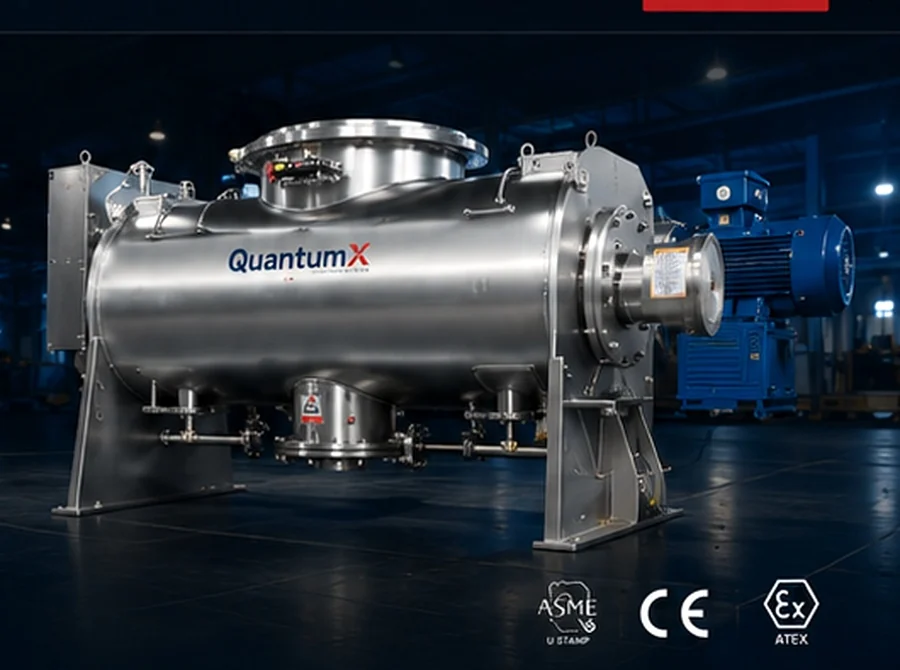
A complete QuantumX system may include:
Vacuum and Pressure-Rated Plough Mixers
A vacuum or pressure-rated plough mixer is not a standard mixer with a thicker lid.
The complete system must account for:
QuantumX plough systems can be engineered for:
Final design pressure, temperature, code requirements and safeguards are established during engineering review.
QuantumX Plough Mixer-Reactors
Selected chemical and advanced-material applications may require more than mixing.
A QuantumX plough mixer-reactor can integrate:
Potential process functions can include:
The vessel, seals, materials, controls and safety systems are engineered around the chemical and thermal duty—not only the blending requirement.
Heating and Cooling Jackets
A jacket only transfers heat where product contacts the vessel wall.
The plough geometry must continually remove product from the wall and replace it with material from the interior of the batch.
Thermal performance depends on:
Standard PerMix plough mixers can include:
Move to QuantumX when the process requires:
Materials of Construction
PerMix and QuantumX plough mixers can be engineered using a wide range of contact materials, liners, coatings and wear systems.
Selection considers:
A cost-effective choice for many non-corrosive industrial products.
Potential applications include:
Options can include:
Commonly used for food ingredients, general sanitary processes and applications requiring moderate corrosion resistance.
Available with application-specific:
Selected for applications requiring greater corrosion resistance, sanitary fabrication or tighter contamination control.
Potential applications include:
Duplex and specialty stainless grades may be considered where standard stainless steel does not provide the required balance of corrosion resistance, mechanical strength and service life.
Selected Hastelloy or nickel-alloy construction may be appropriate for highly corrosive process conditions.
Engineering must consider:
Titanium may be considered for selected corrosive, chloride-sensitive or high-purity applications.
The design must account for:
Plough mixers can generate significant product velocity and wall interaction. Abrasive materials therefore require special attention.
PerMix can evaluate:
Potential applications include:
Ceramic lining can provide abrasion resistance and reduce metallic contamination, but plough mixers introduce impact and high product velocity.
That means ceramic construction must be evaluated especially carefully.
The design must account for:
In some applications, full ceramic lining may be appropriate.
In others, selective ceramic protection, abrasion-resistant alloy, tungsten-carbide coating or replaceable wear plates may provide a more reliable lifecycle solution.
Sanitary and Easy-Clean Plough Mixers
Sanitary plough mixers can be engineered for food, pharmaceutical, nutraceutical and high-purity applications.
Options can include:
The design should reflect whether the mixer will be:
High-intensity operation can create demanding sealing and dust-control conditions.
Available seal systems can include:
The correct seal depends on:
QuantumX systems can integrate nitrogen inerting, oxygen monitoring, pressure control and engineered venting.
PerMix plough mixers can be supplied as stand-alone machines or complete processing systems.
Available options include:



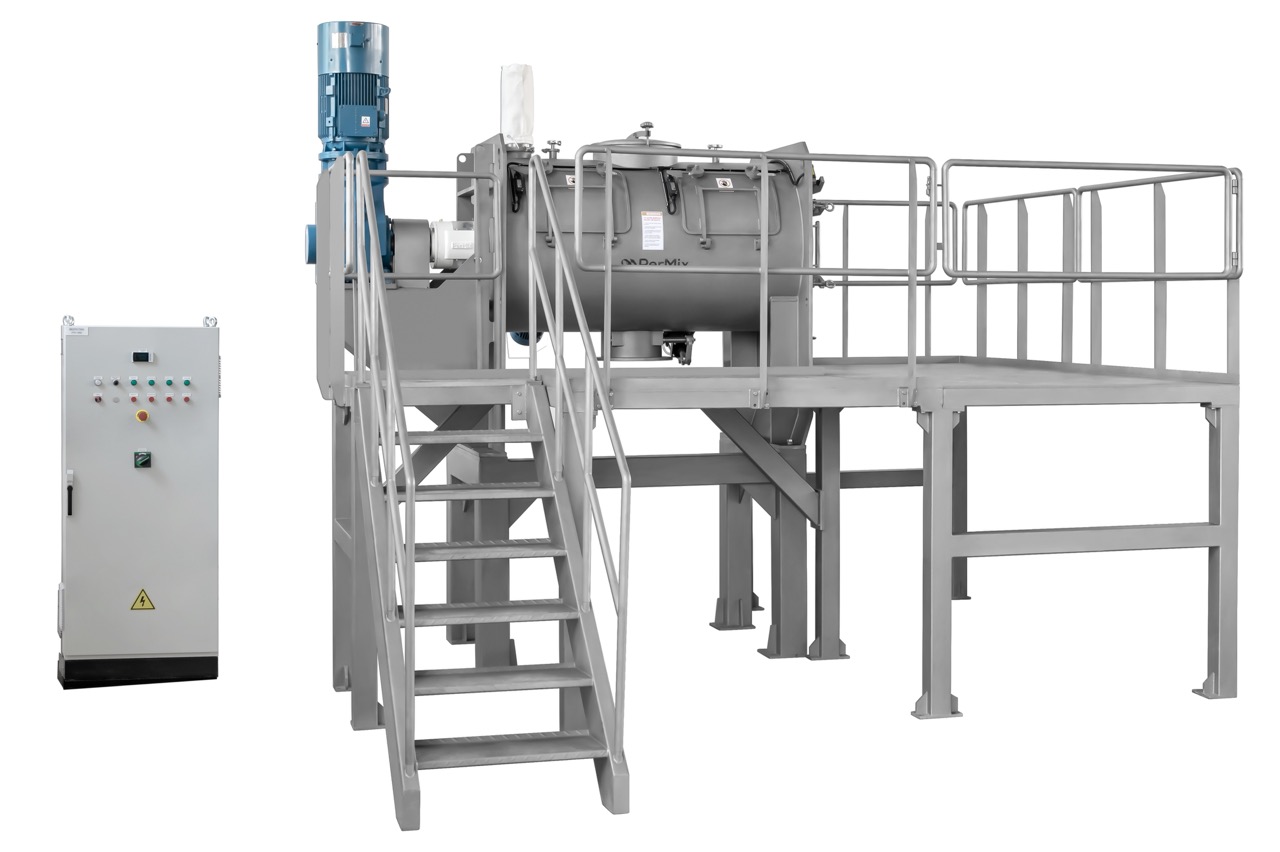
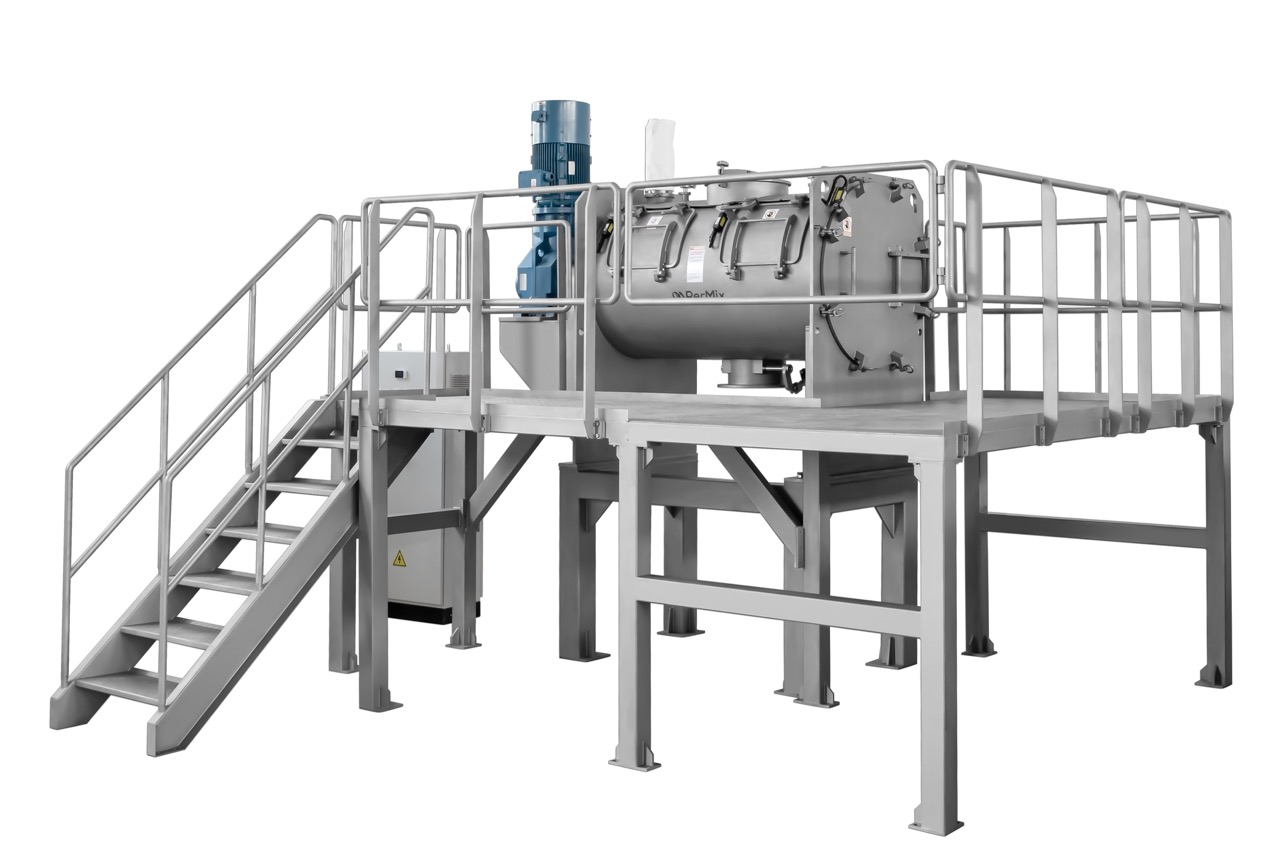
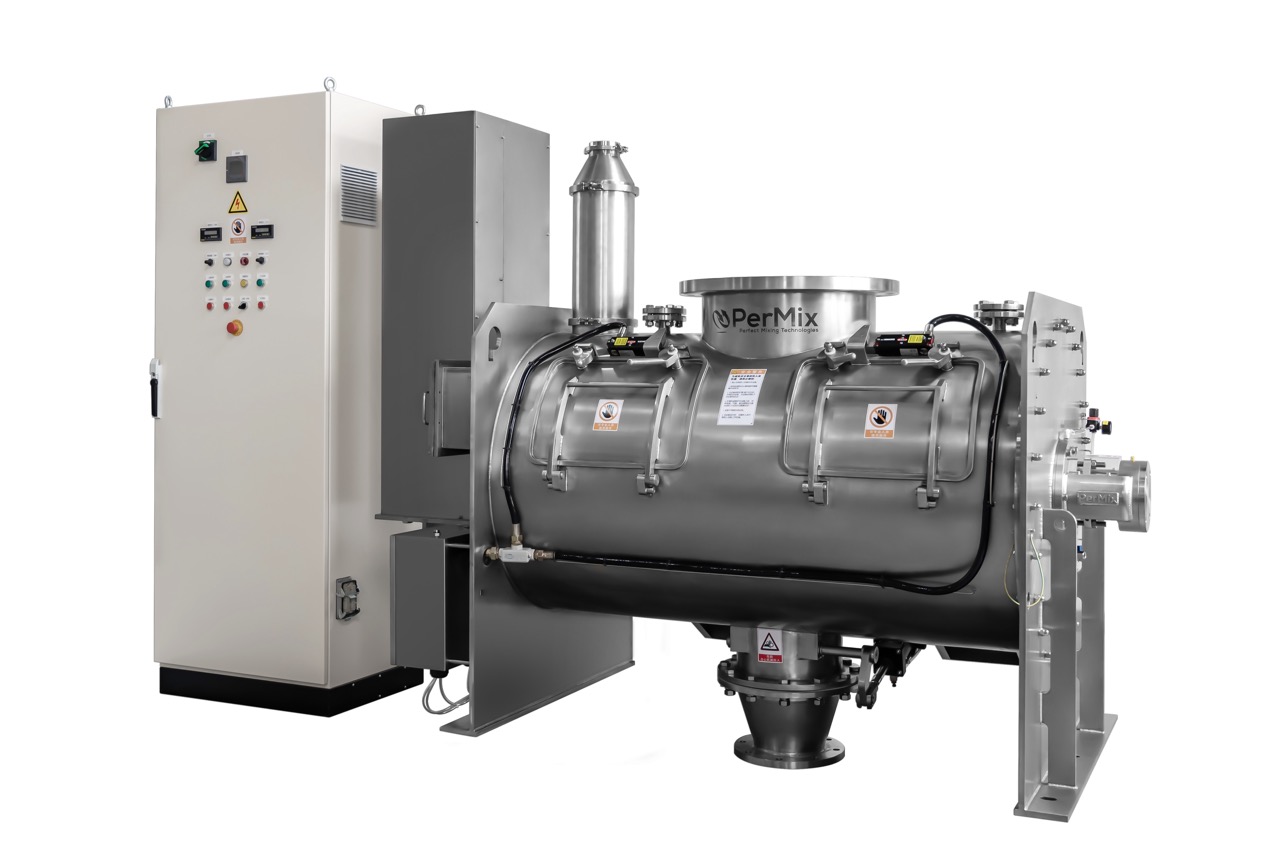
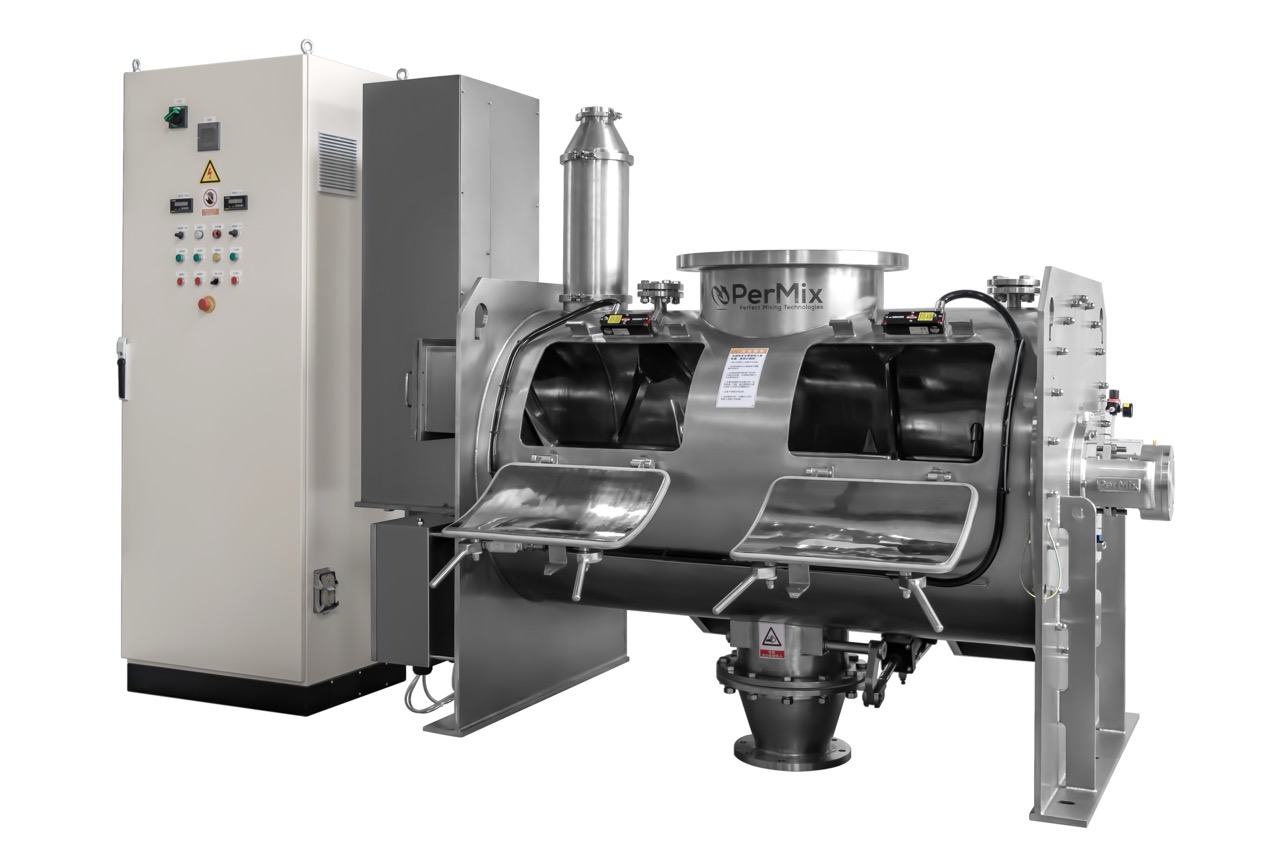
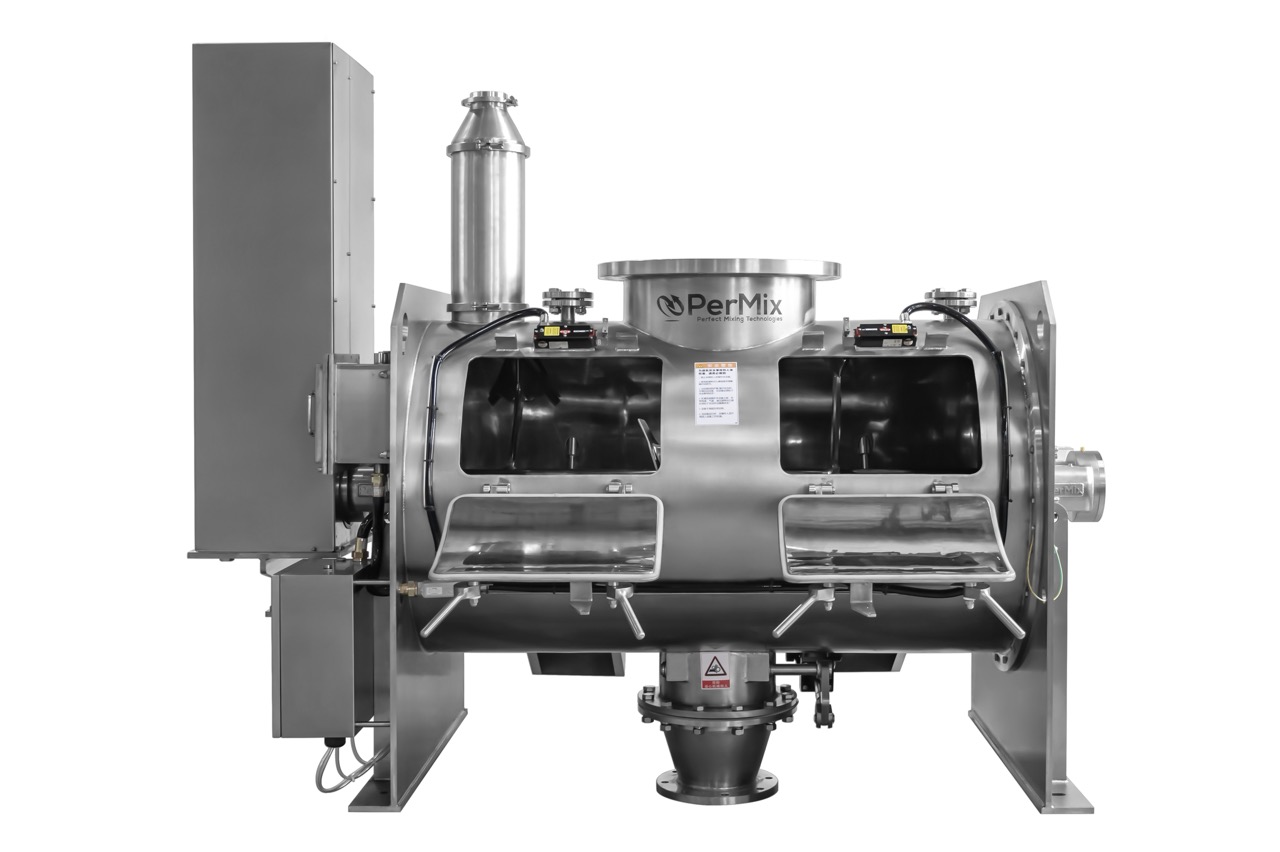
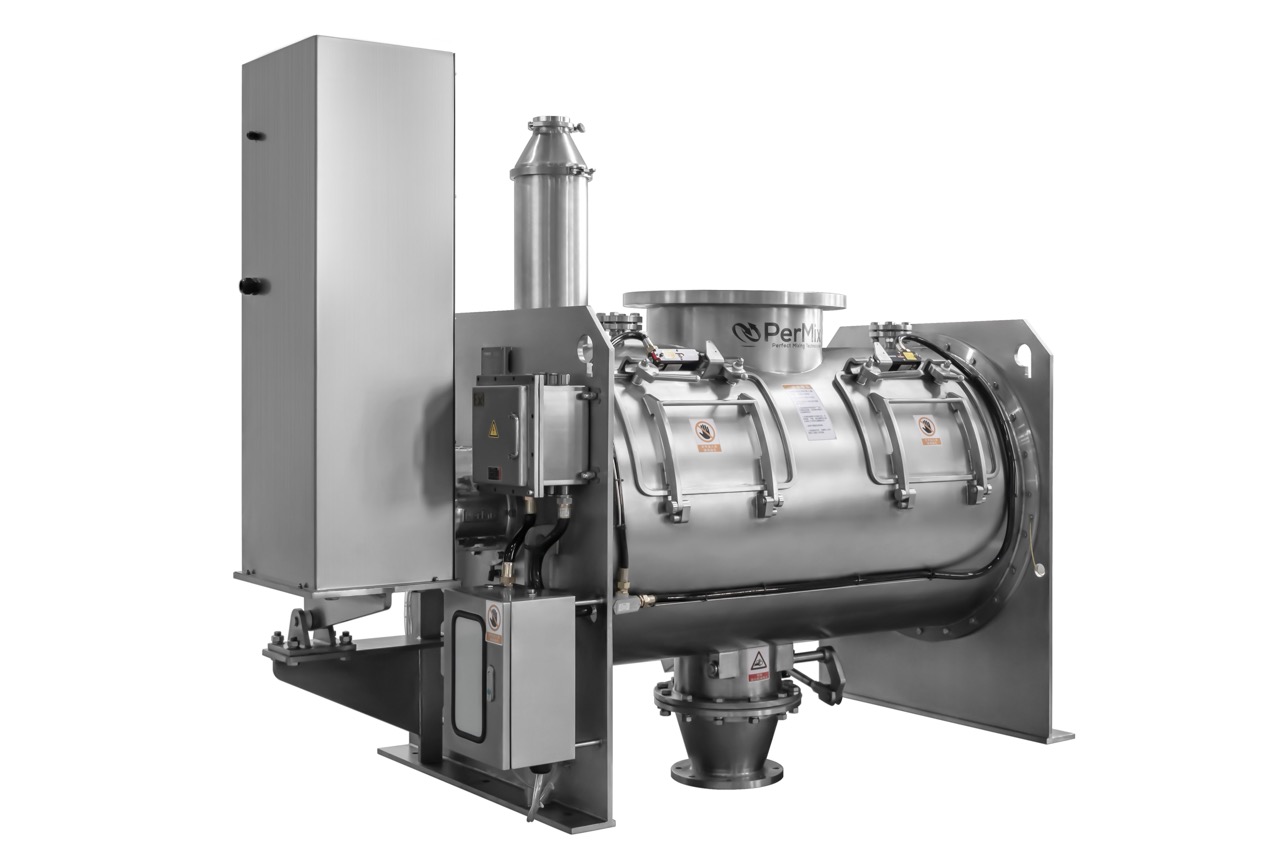
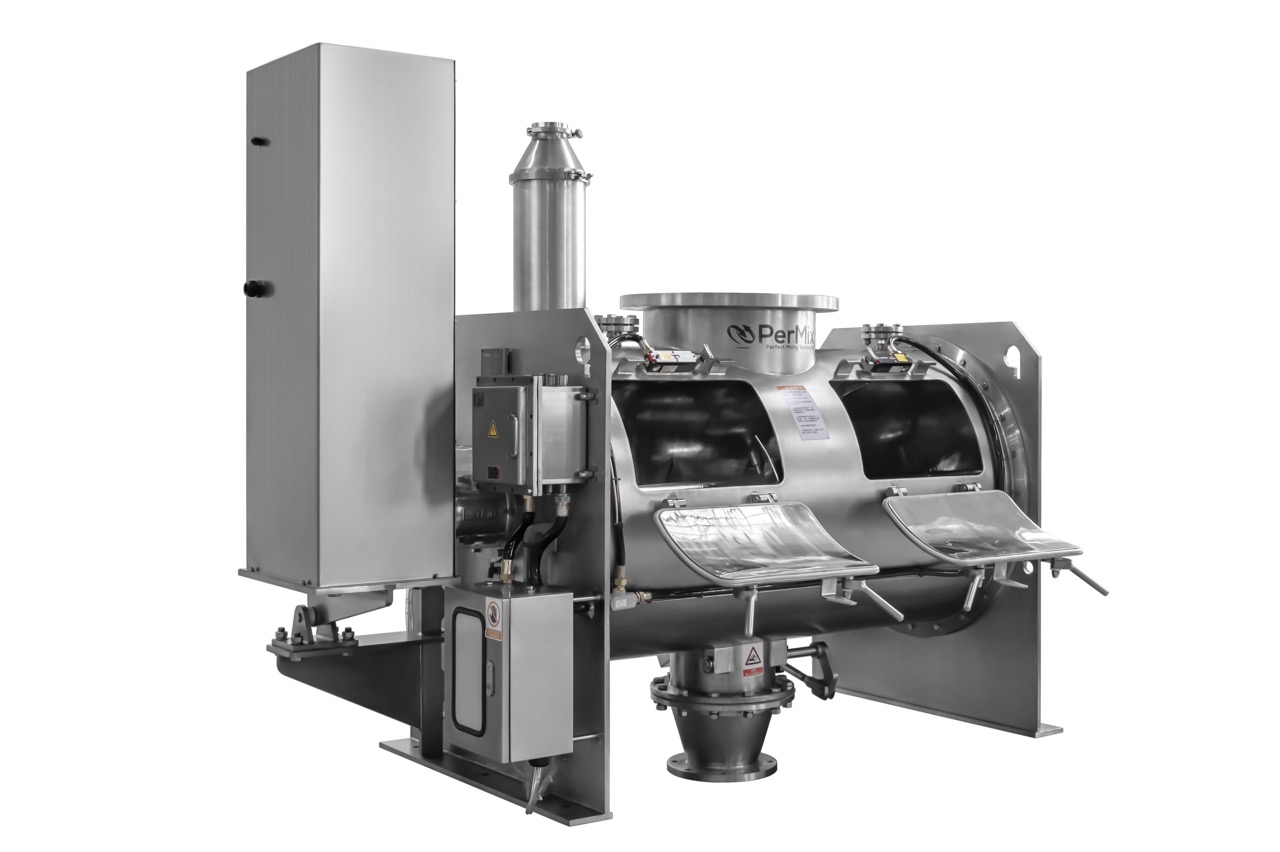
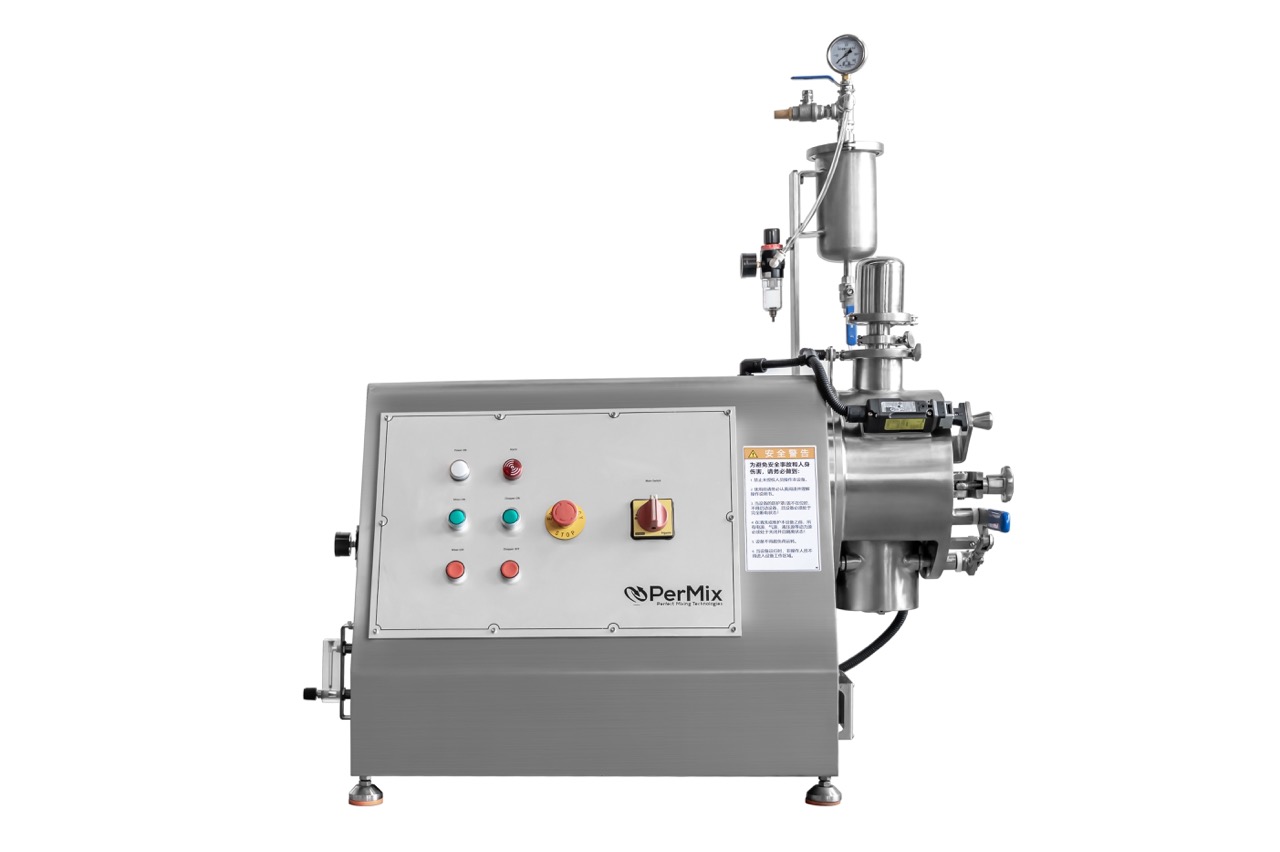
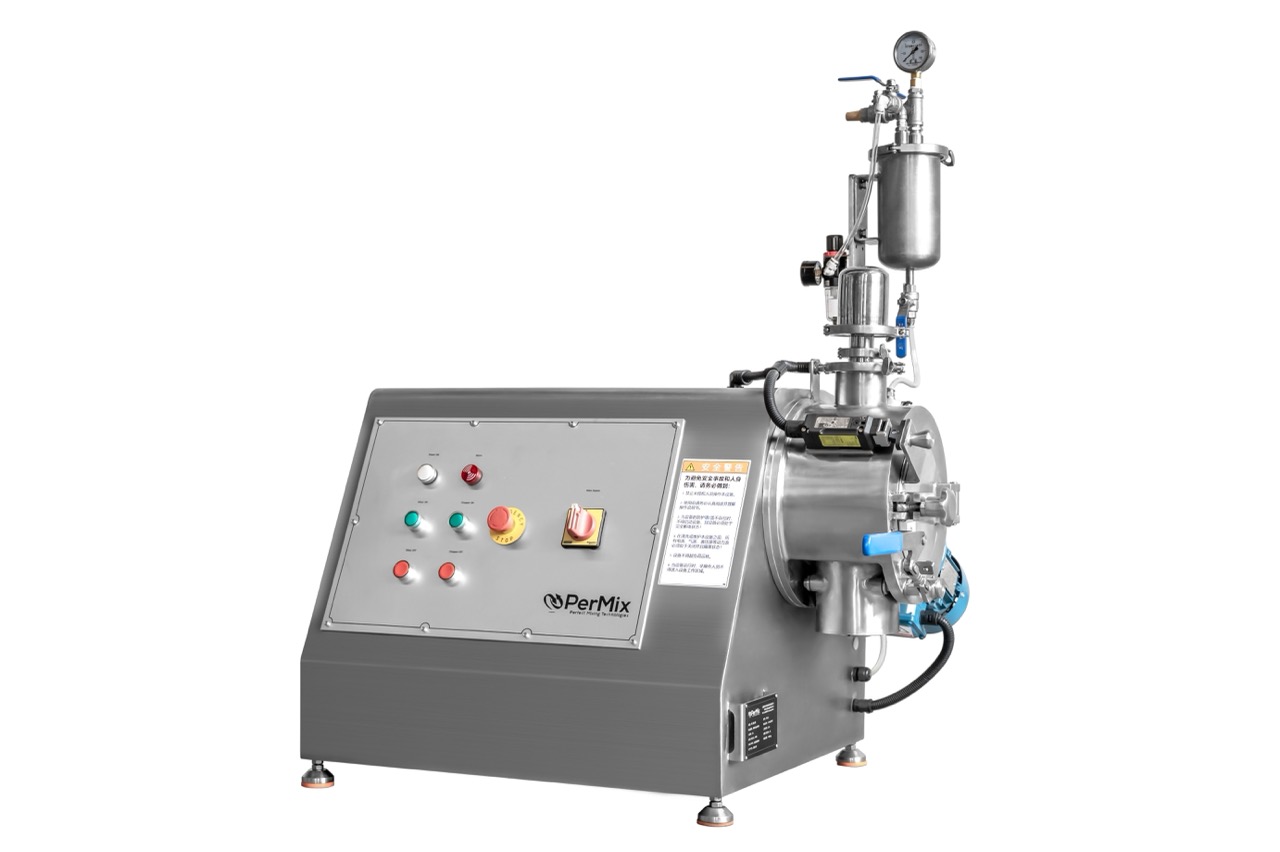
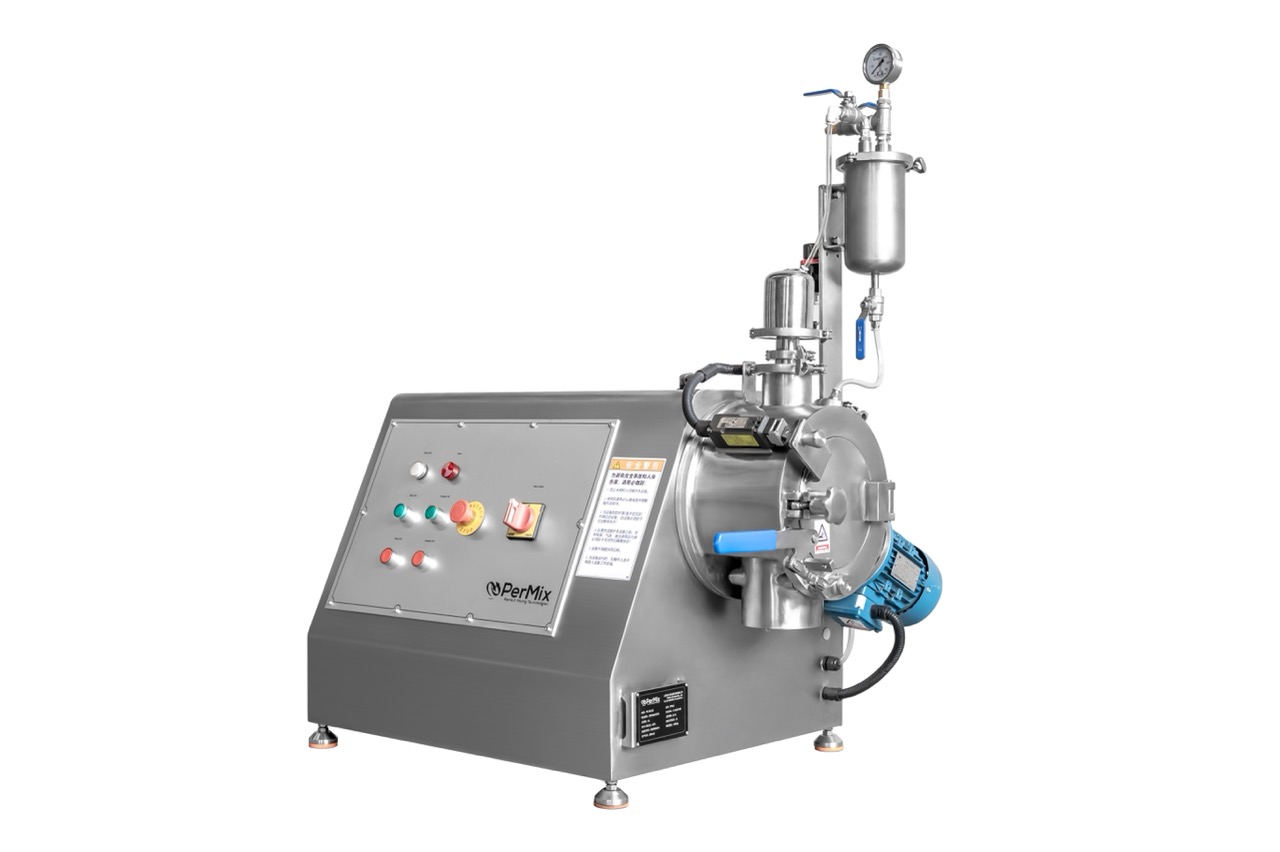
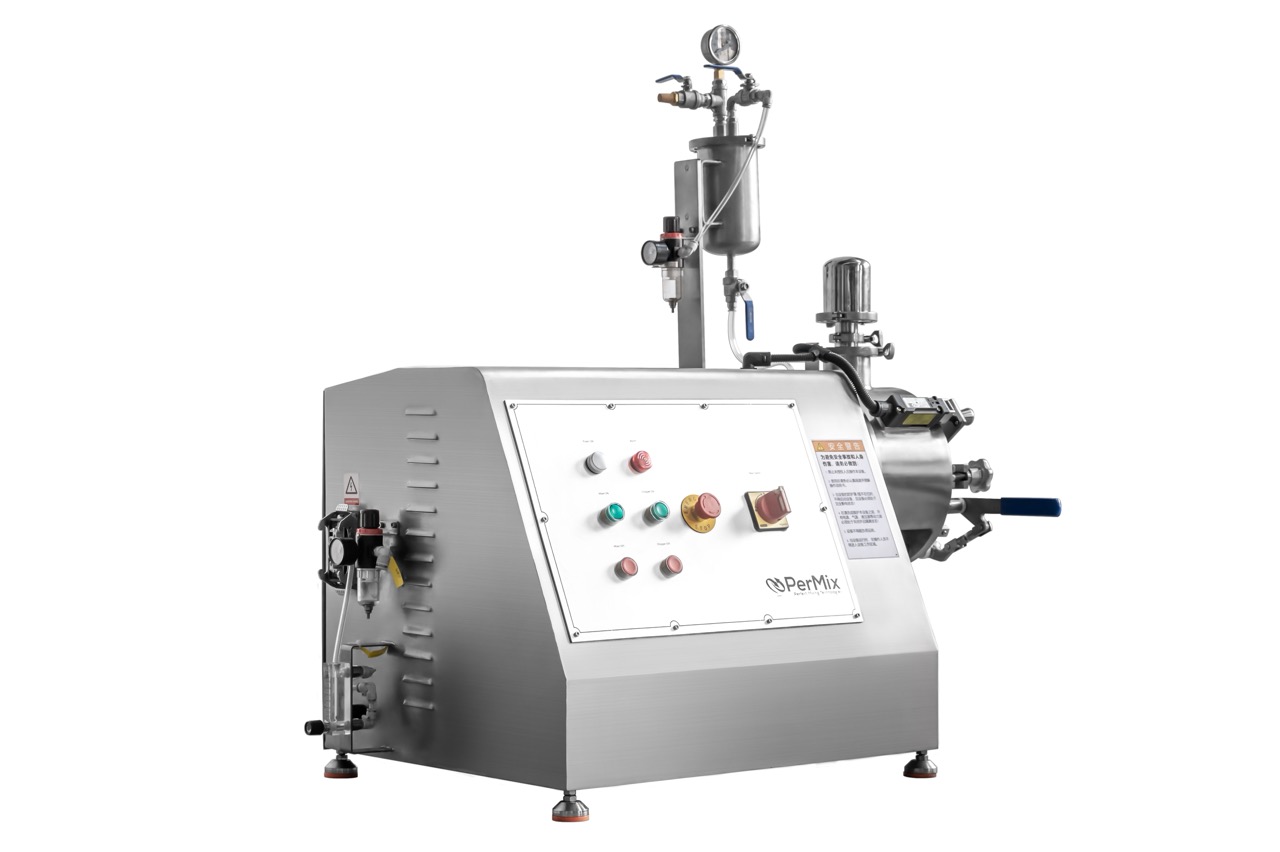
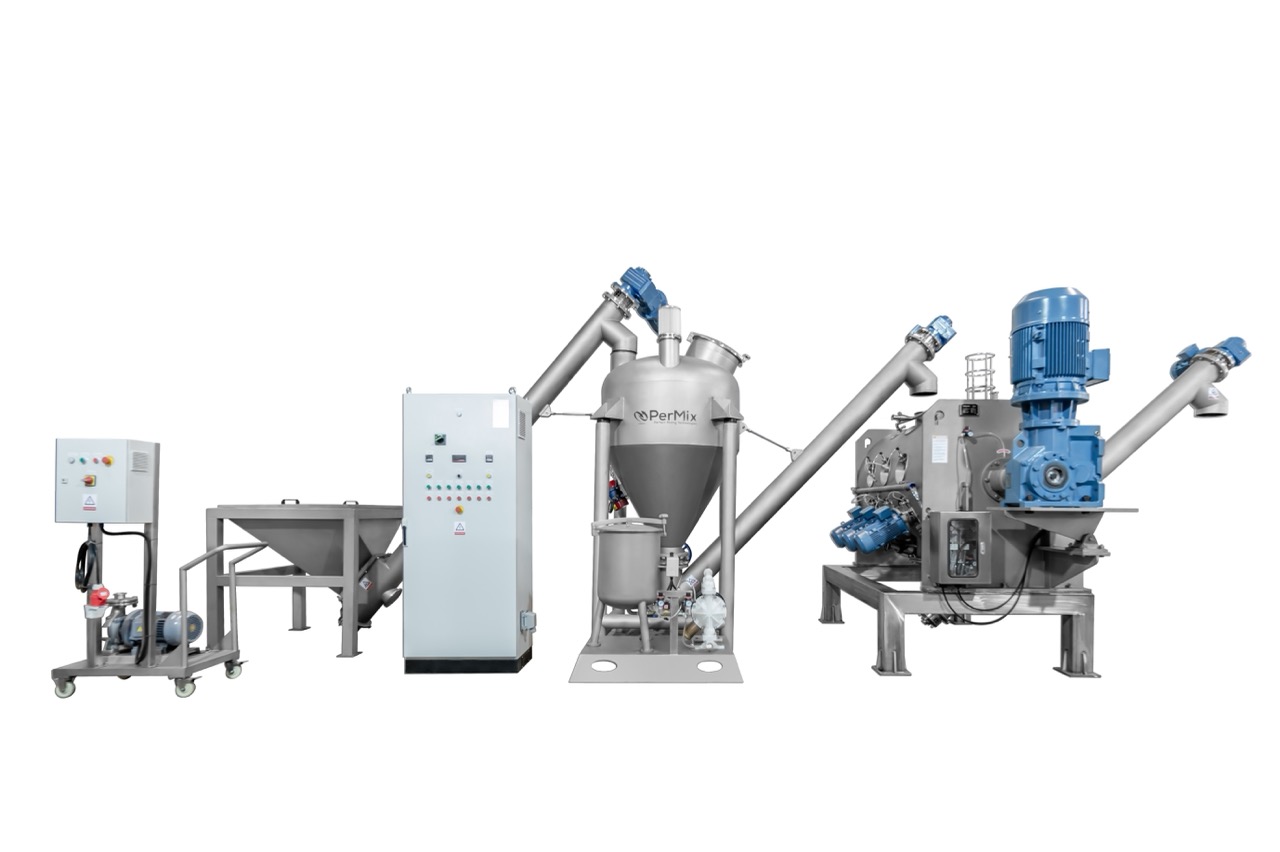
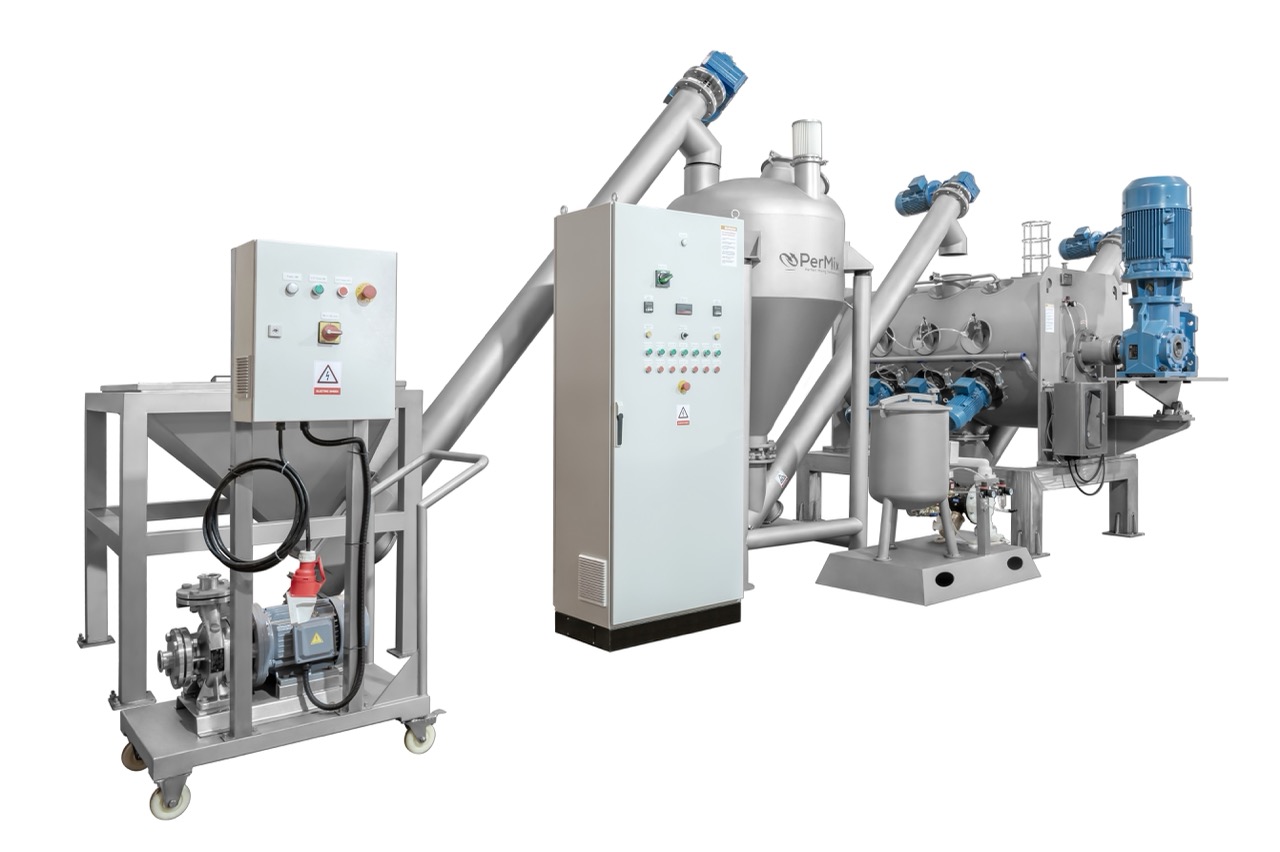
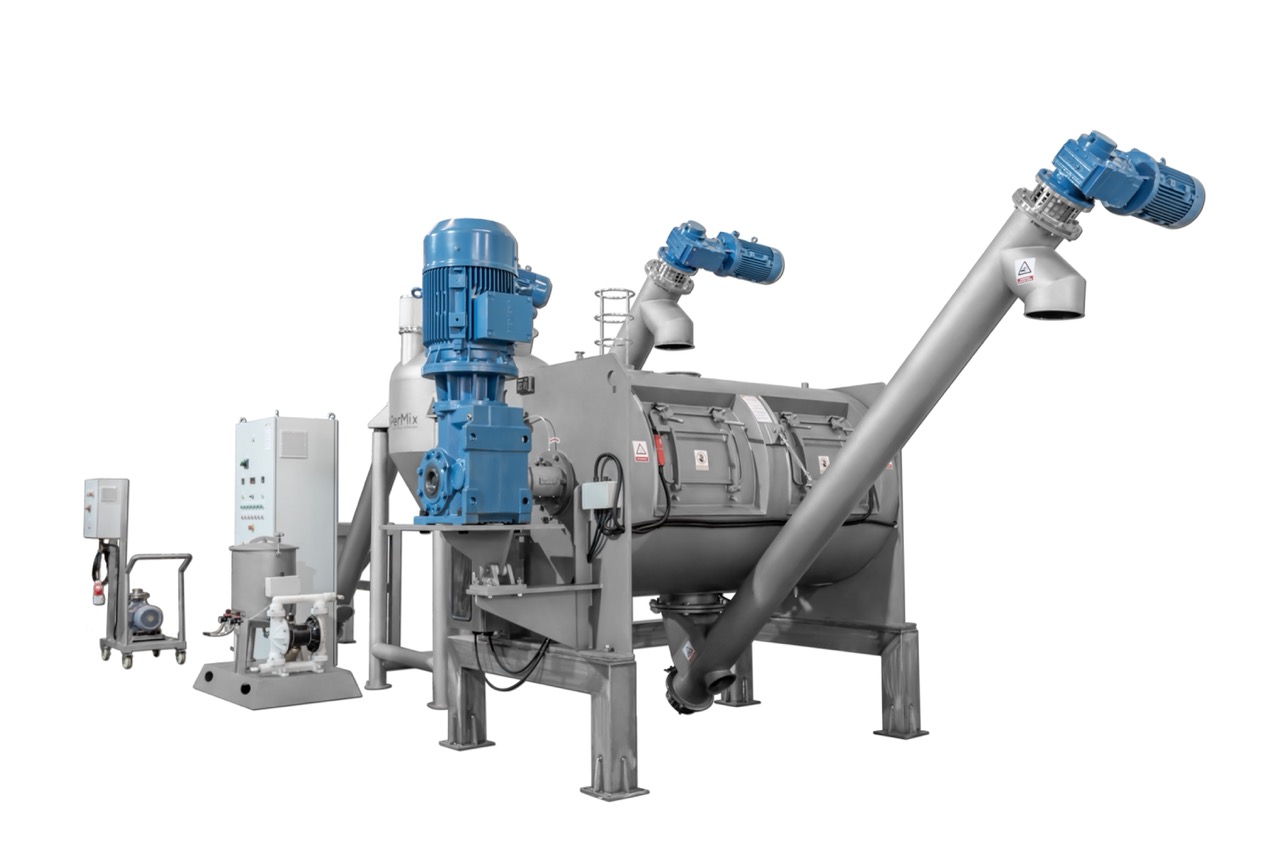
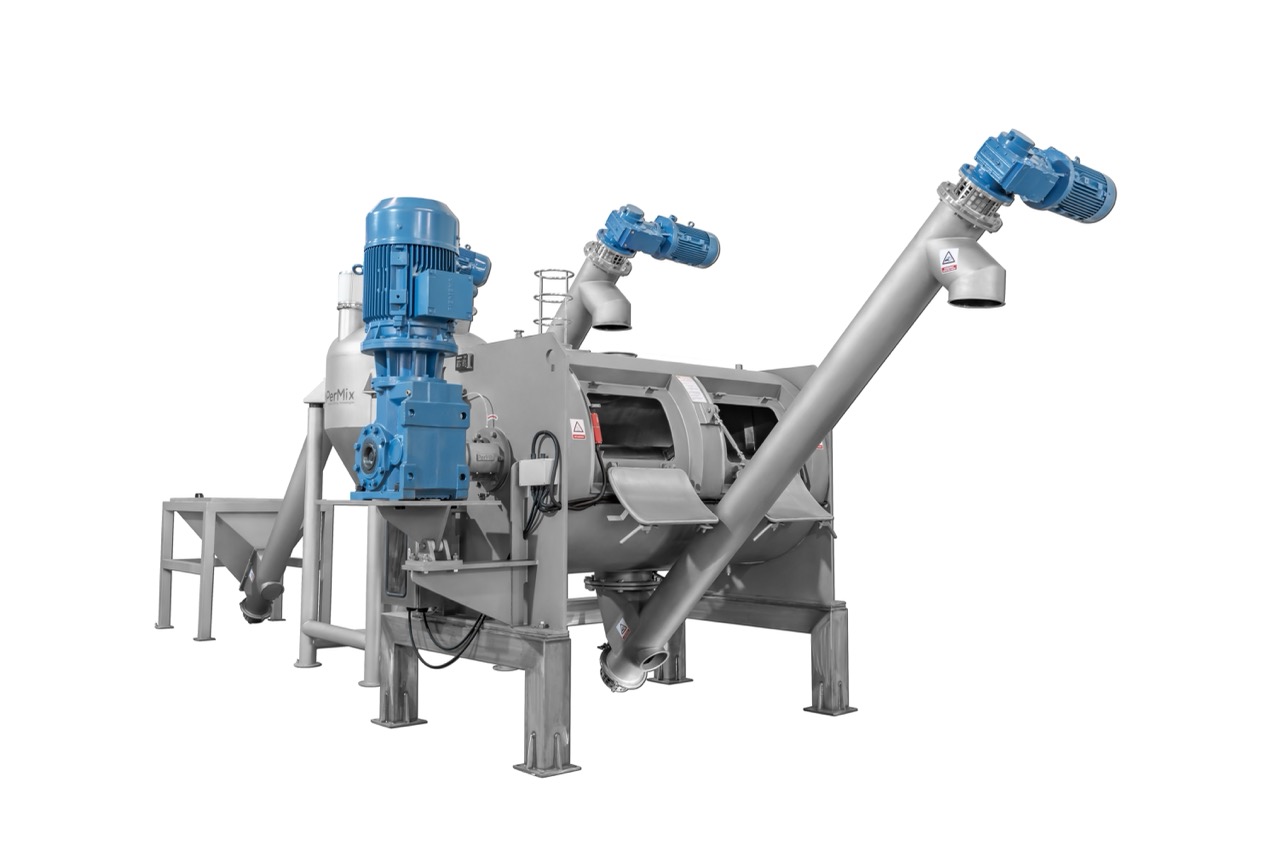
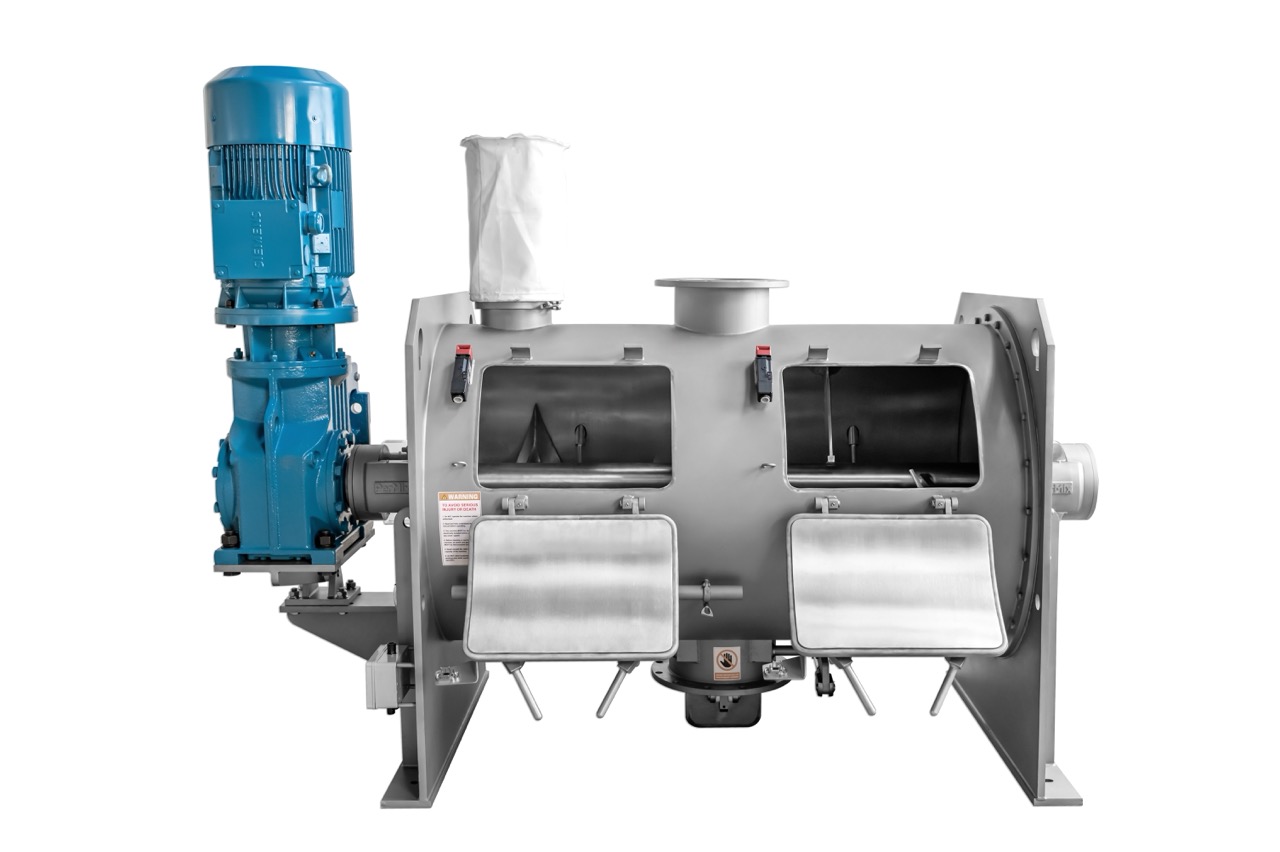
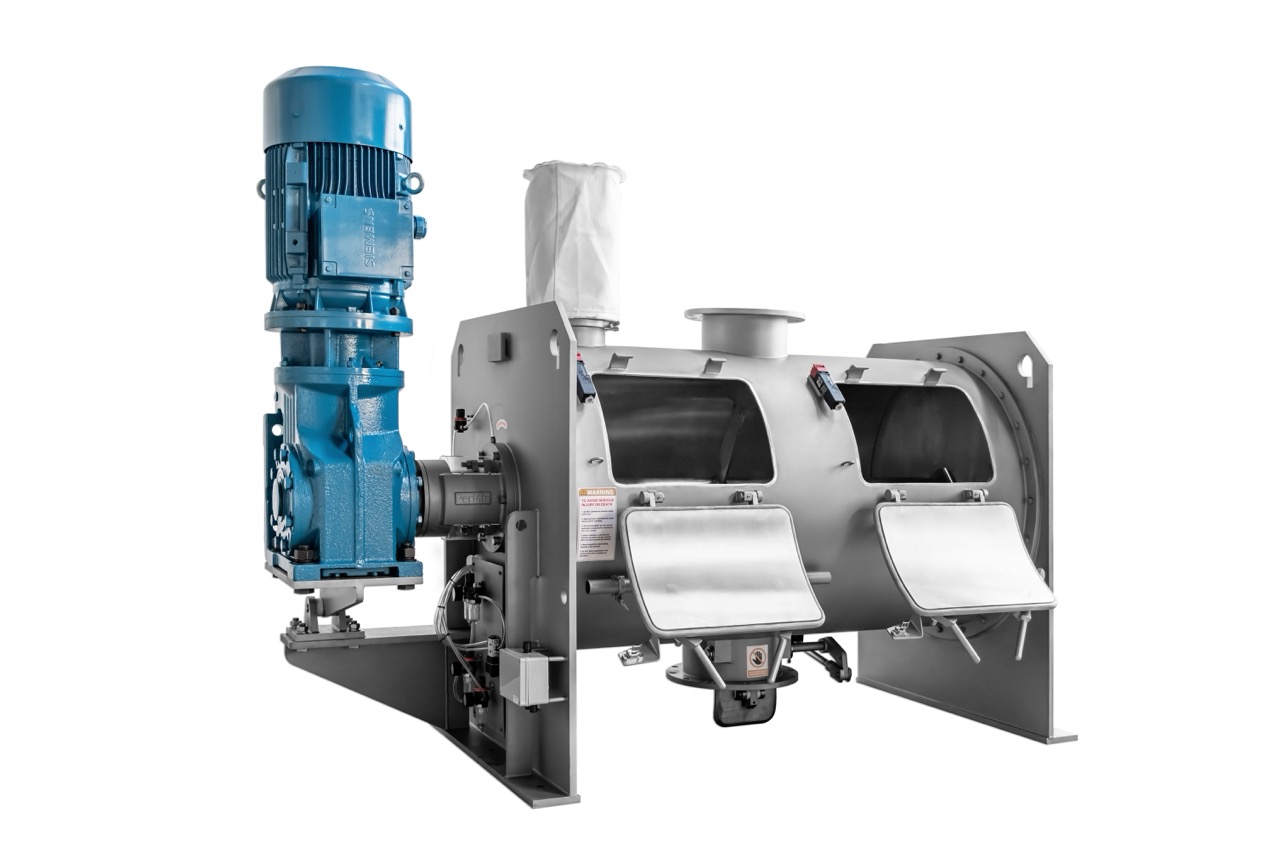
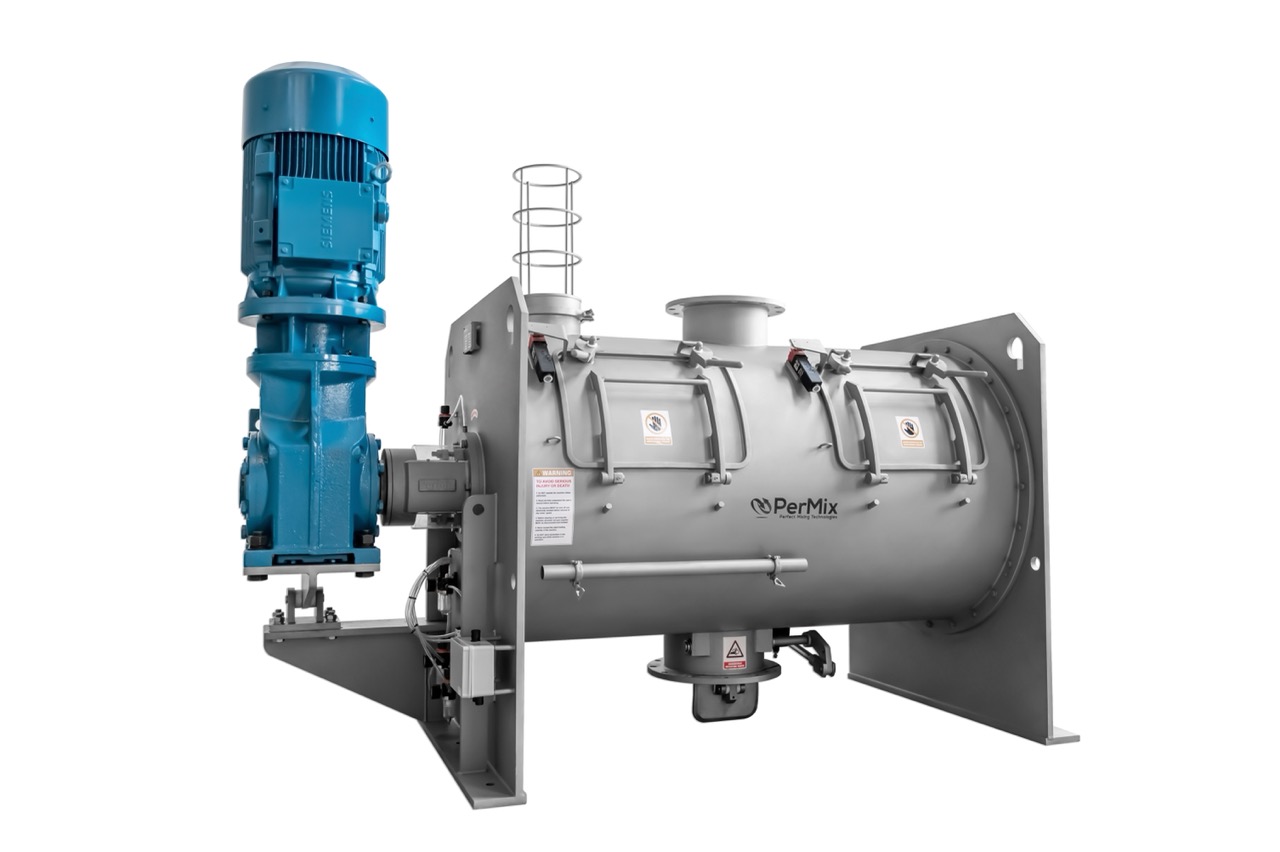
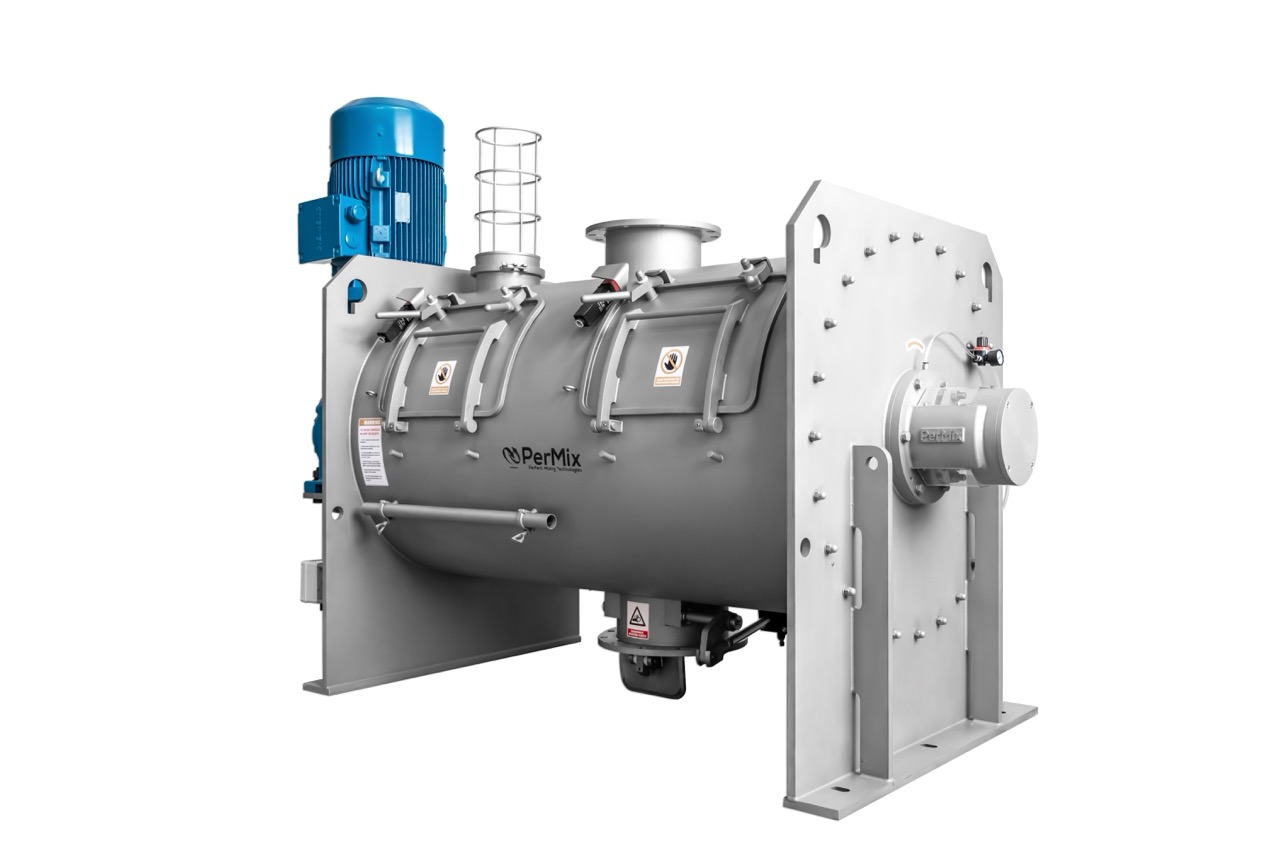
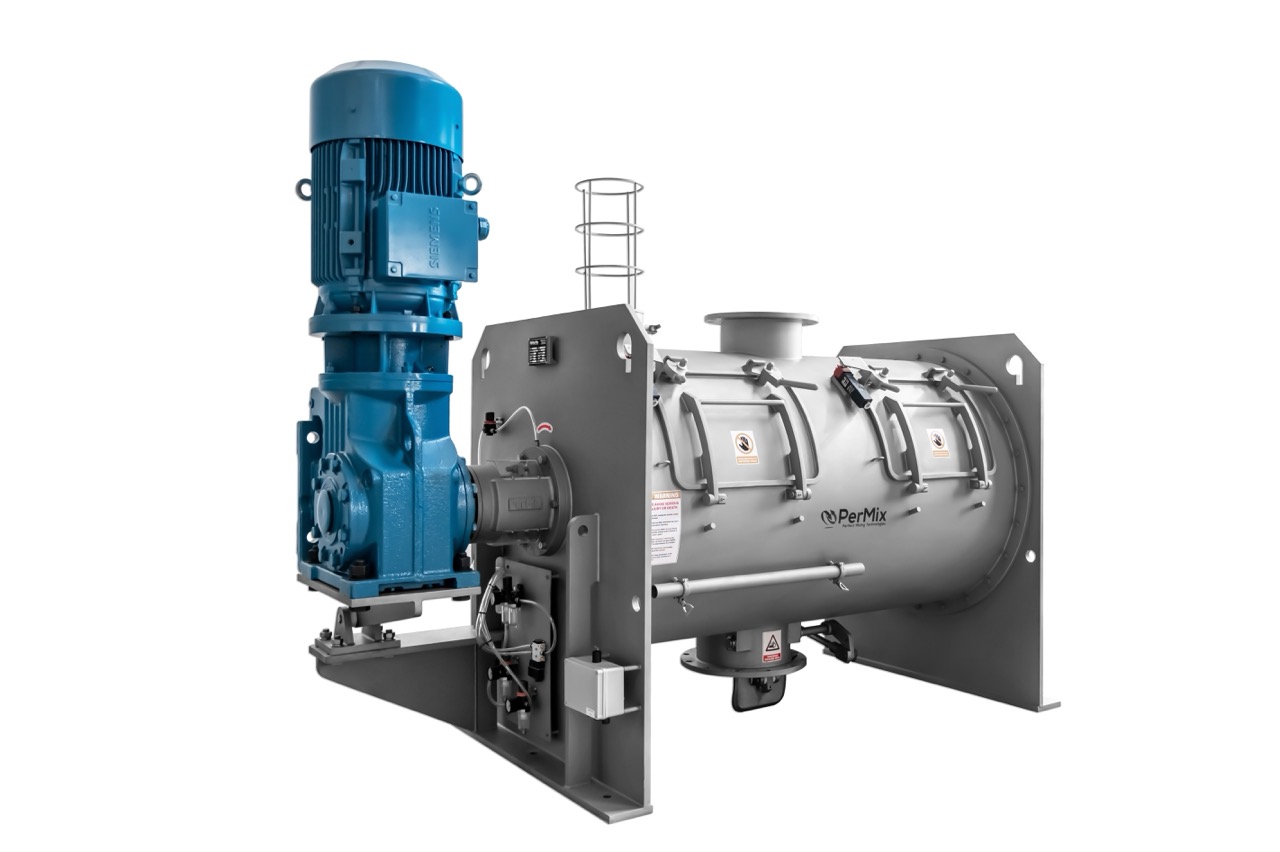
Real PerMix Plough Mixers
Explore PerMix ploughshare mixers engineered for intensive blending, coating, liquid addition, deagglomeration, granulation, thermal processing and specialty applications.
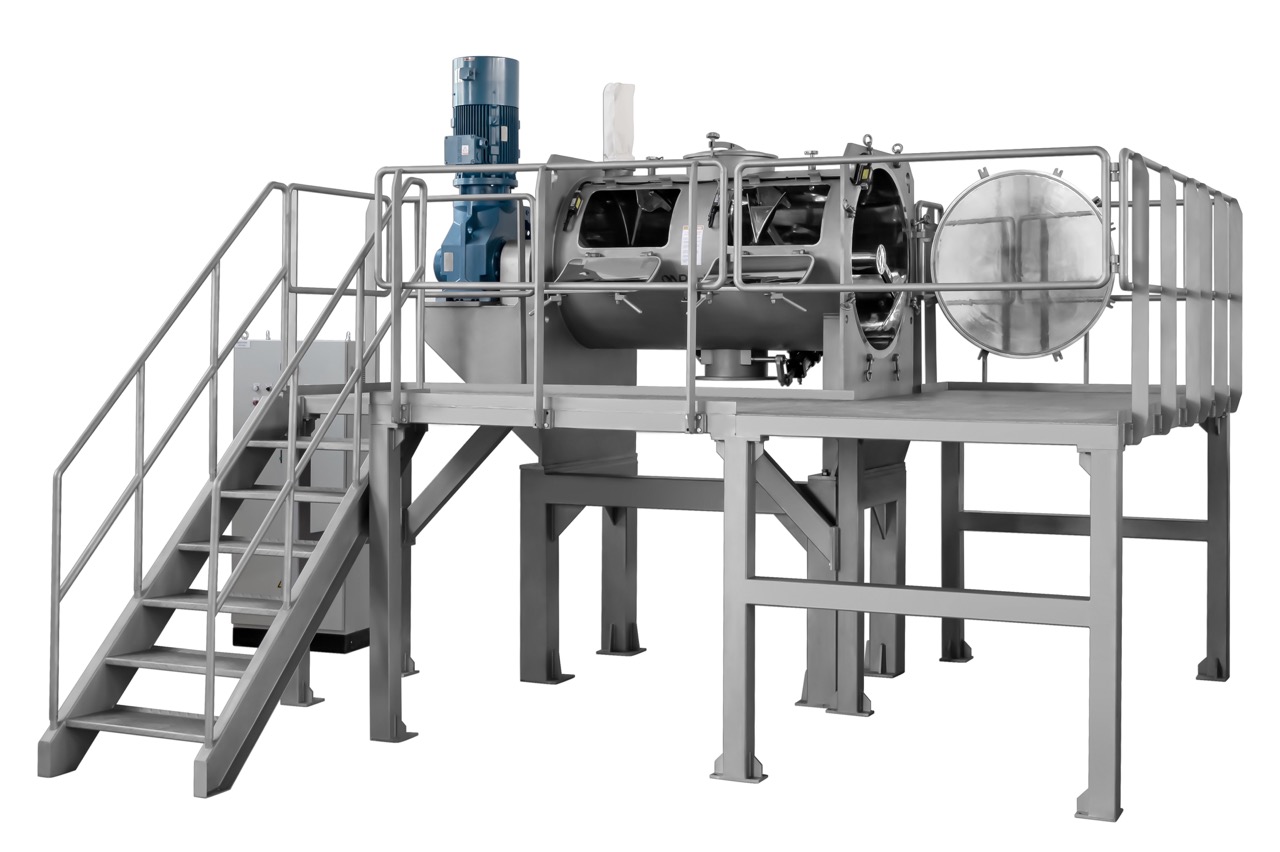
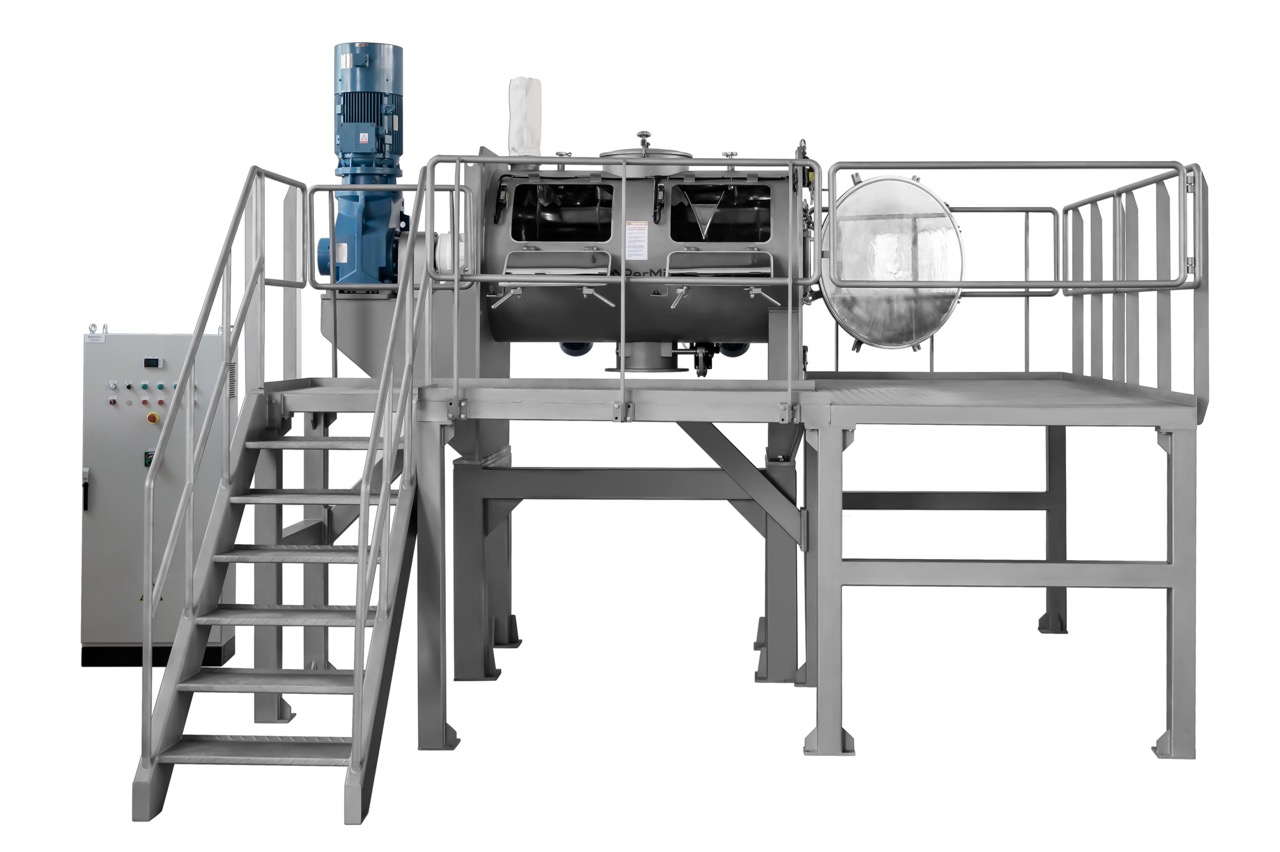
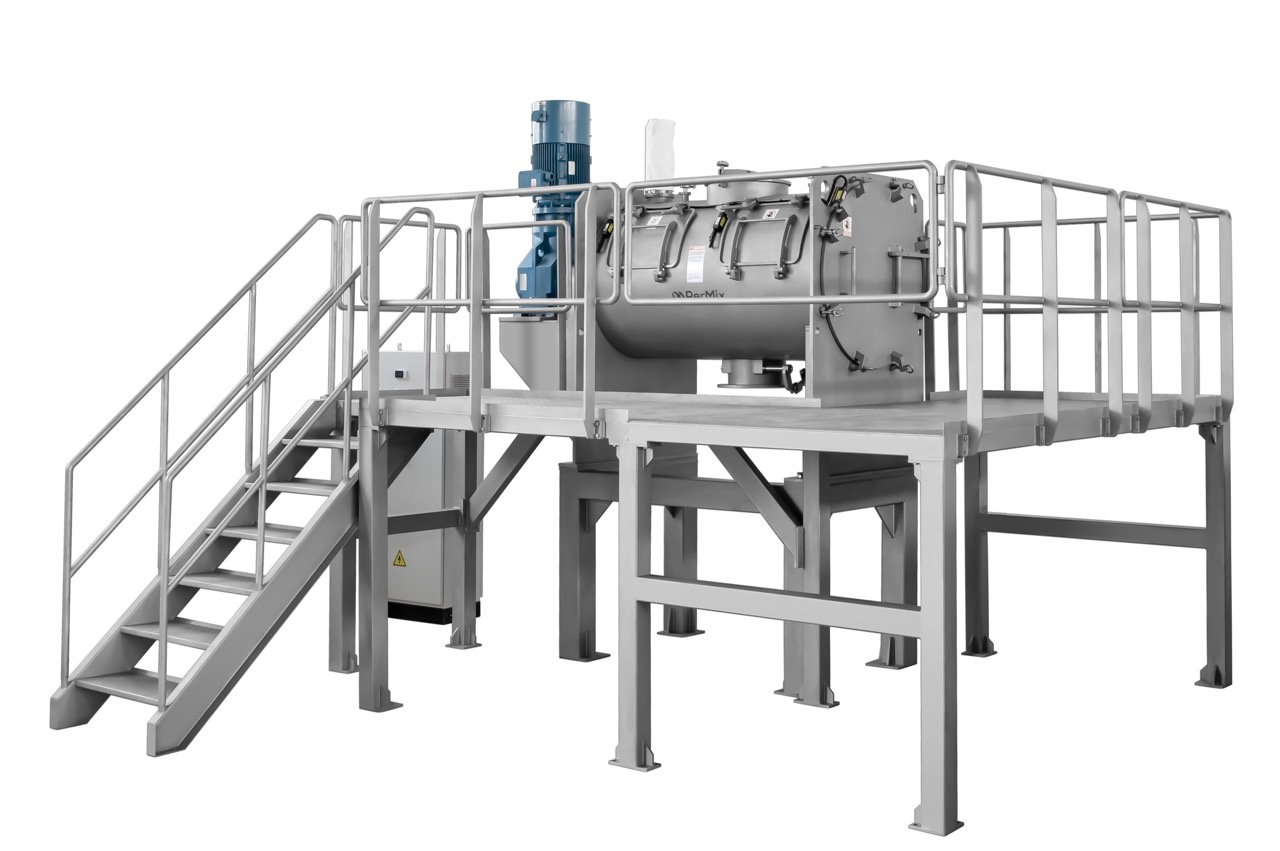
Every process creates a different plough mixer. Explore real PerMix systems and see how plough geometry, chopper configuration, vessel materials, liquid addition, discharge, access and controls change according to the product and process objective.
Representative equipment
How We Engineer the Right Plough Mixer
To engineer the correct plough mixer, our team reviews:
Tell us what you are mixing, what makes the material difficult and what result the current process is failing to achieve.
We will evaluate:
REQUEST A PLOUGH MIXER RECOMMENDATION
Upload your material data sheet, formulation, liquid-addition details, current process description, facility drawing or product test requirements. The more process information you provide, the more useful our preliminary engineering recommendation will be.
| Catalog-Based Selection | PerMix Application Engineering |
|---|---|
| Selected mainly by vessel volume | Selected by batch mass, bulk density, fill range and process objective |
| Standard plough shape | Plough width, profile, angle, spacing and overlap evaluated for the product |
| Generic motor sizing | Drive evaluated for startup, density, liquid addition and process upsets |
| Standard shaft speed | Tip speed selected around fluidization, shear and product sensitivity |
| Chopper added as a standard accessory | Chopper quantity, location and intensity selected around the process |
| Generic spray bar | Nozzle type, location, droplet size and addition rate engineered for the product |
| Standard contact material | Materials, liners and coatings selected for corrosion, abrasion, impact and purity |
| Basic jacket option | Thermal duty evaluated with wall renewal, fluidization and process endpoint |
| Atmospheric service only | Clear pathway to QuantumX vacuum, pressure, ASME, PED and ATEX systems |
| Simple contact form | Engineering RFQ captures product, liquid, thermal, compliance and process data |
| Limited scale-up consideration | Scale-up based on geometry, tip speed, power, fill and fluidization behavior |
Both terms refer to the same mixer type. “Plough” and “ploughshare” are common international spellings, while “plow” and “plowshare” are frequently used in the United States.
Mechanical fluidization occurs when the plough elements accelerate and lift product into the open vessel space, creating rapid particle movement and exchange without relying on pneumatic fluidization air for the primary mixing action.
A ribbon mixer creates controlled axial and radial circulation using continuous helical flights. A plough mixer creates more intensive movement by lifting and projecting product through mechanically fluidized zones.
A paddle mixer generally provides gentler lifting and folding. A plough mixer provides higher-intensity acceleration and is often better suited for cohesive powders, coating, deagglomeration and controlled granulation.
Possibly, but the application must be evaluated carefully. Plough geometry, speed, fill level and chopper use must be selected around the acceptable degradation limit.
Yes. Plough mixers are frequently selected for coating, binder addition, flavor addition, oil addition and controlled wetting. Nozzle type, location and addition rate are critical.
Selected plough mixers can support wet agglomeration or granulation. Binder properties, liquid addition, chopper intensity, temperature and endpoint must be evaluated.
No. Choppers are used when the process requires localized deagglomeration, liquid dispersion or granule-size control. Some dry blending applications require only the primary plough agitator.
Yes. Standard PerMix models can include low-pressure, non-ASME jackets. Vacuum, pressure, ASME, advanced drying and higher-duty thermal systems are engineered under QuantumX.
Yes. QuantumX vacuum plough mixers and mixer-dryers combine intensive agitation, thermal transfer, vacuum and vapor handling for drying, solvent removal and controlled-atmosphere processing.
Pressure-rated plough systems can be engineered under QuantumX. The vessel, seals, shaft penetrations, choppers, nozzles, jacket and safeguards are evaluated together.
Selected QuantumX plough systems can integrate mixing, heating, cooling, vacuum, pressure, gas addition, liquid dosing and reaction monitoring.
Options can include carbon steel, 304 stainless steel, 316/316L stainless steel, duplex grades, abrasion-resistant steel, selected Hastelloy and nickel alloys, titanium, ceramic liners, tungsten-carbide protection and other application-specific materials.
Yes, for suitable applications. Because plough mixers create higher product velocity and impact than gentle blenders, liner type, attachment, impact resistance and operating clearances must be engineered carefully.
Sizing is based on batch mass, bulk density, working fill range, required fluidization space, liquid addition, process objective and product behavior—not nominal vessel volume alone.
QuantumX is appropriate when the process requires vacuum, positive pressure, ASME, PED, ATEX, inerting, solvent service, advanced drying, reactive processing, high containment or validated automation.
INTENSIVE WHEN REQUIRED. CONTROLLED WHERE IT MATTERS.
The right plough mixer begins with an understanding of how your material flows, agglomerates, coats, heats, dries, wears and responds to mechanical energy.
PerMix evaluates the ploughs, shaft, vessel, drive, choppers, spray system, discharge, materials, seals and controls as one complete processing system.
Whether you need:
—we will engineer the platform around your process requirements.