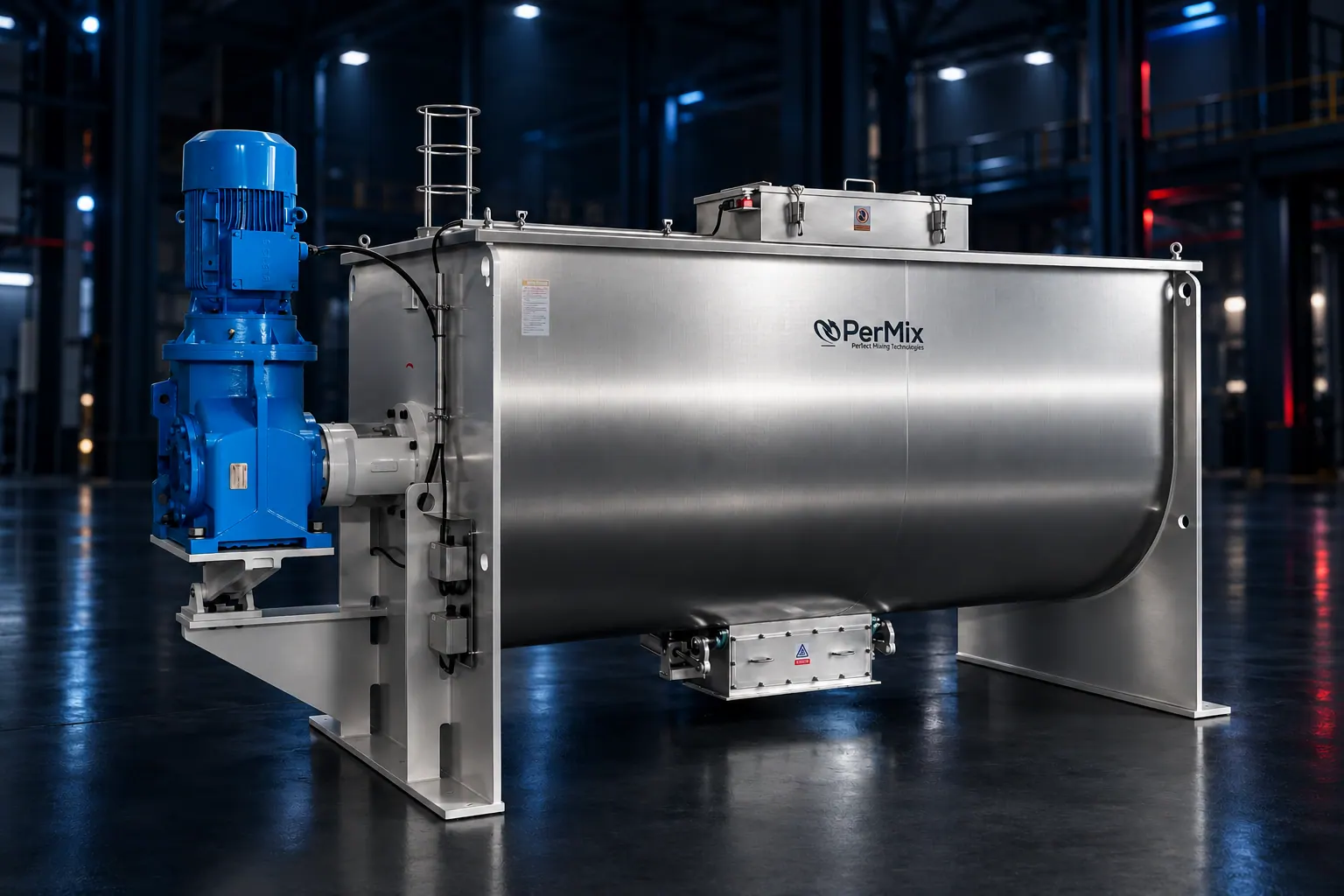
Industrial mixers for processing minerals, ceramics and construction materials

Minerals, Ceramics & Construction Material Mixing Systems

Heavy-Duty Mixers Engineered for Abrasion, Density and Demanding Production

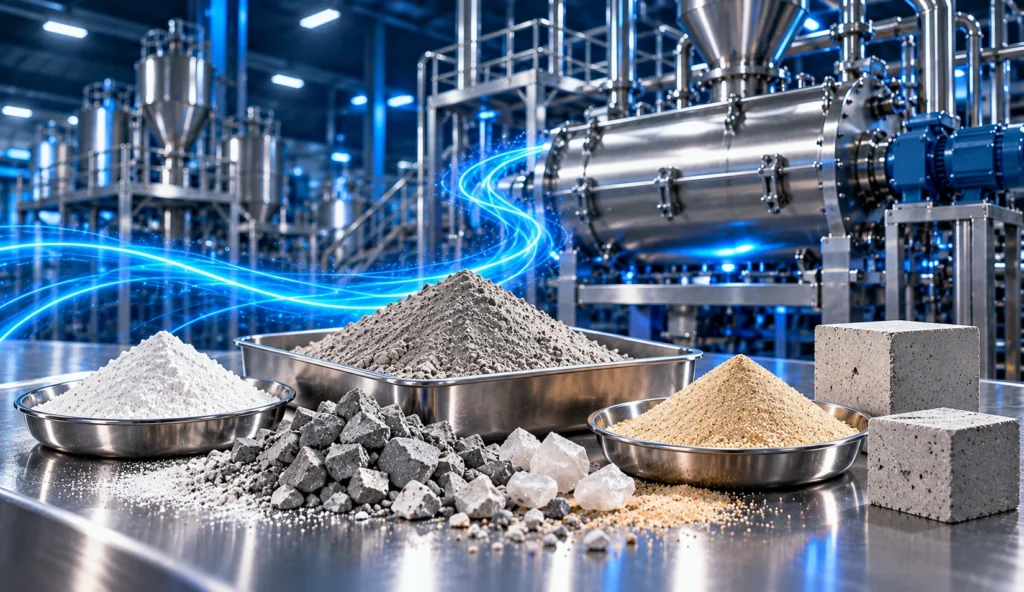
Mineral, ceramic and construction formulations can combine high bulk density, severe abrasion, fine dust, difficult flow and significant liquid-addition requirements.

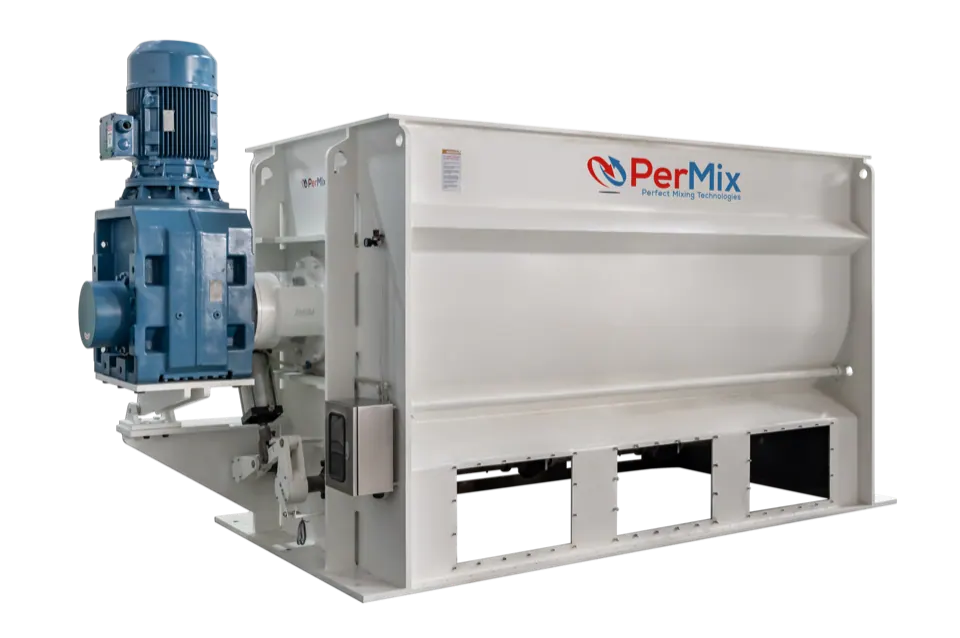
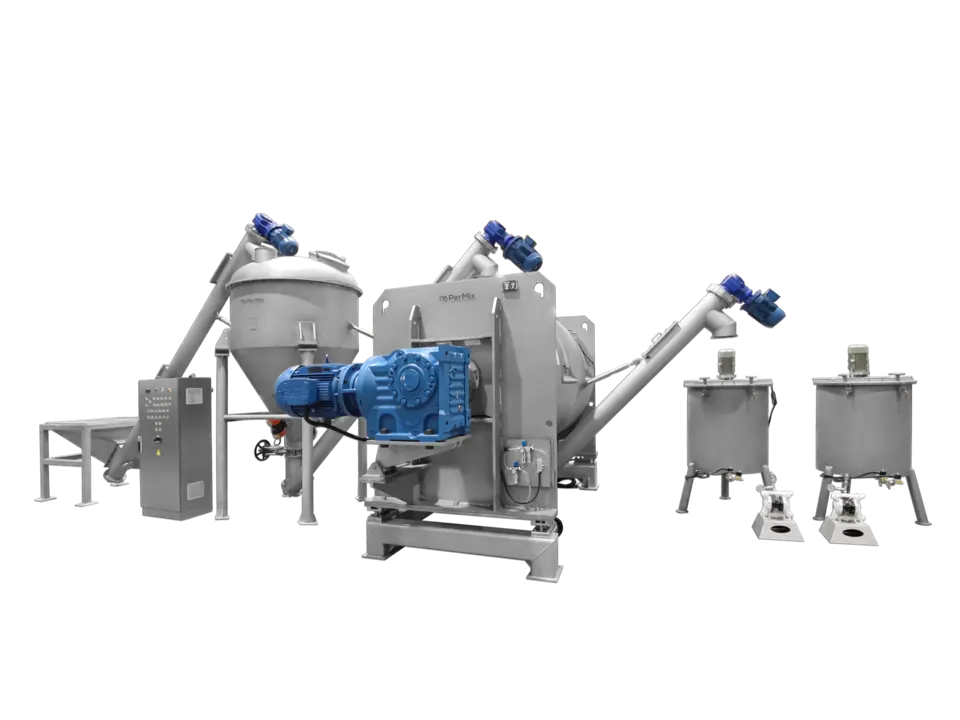
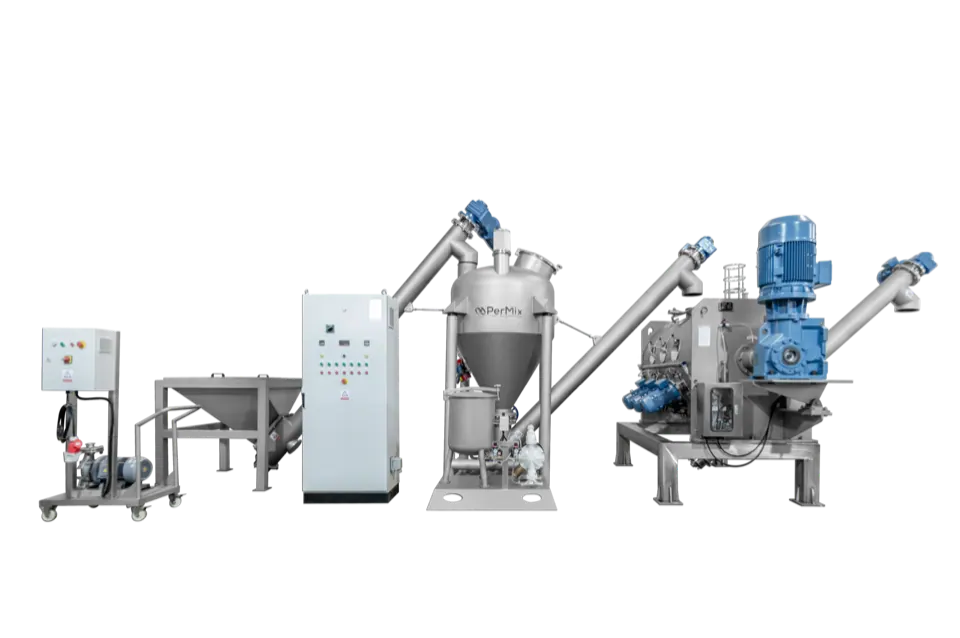
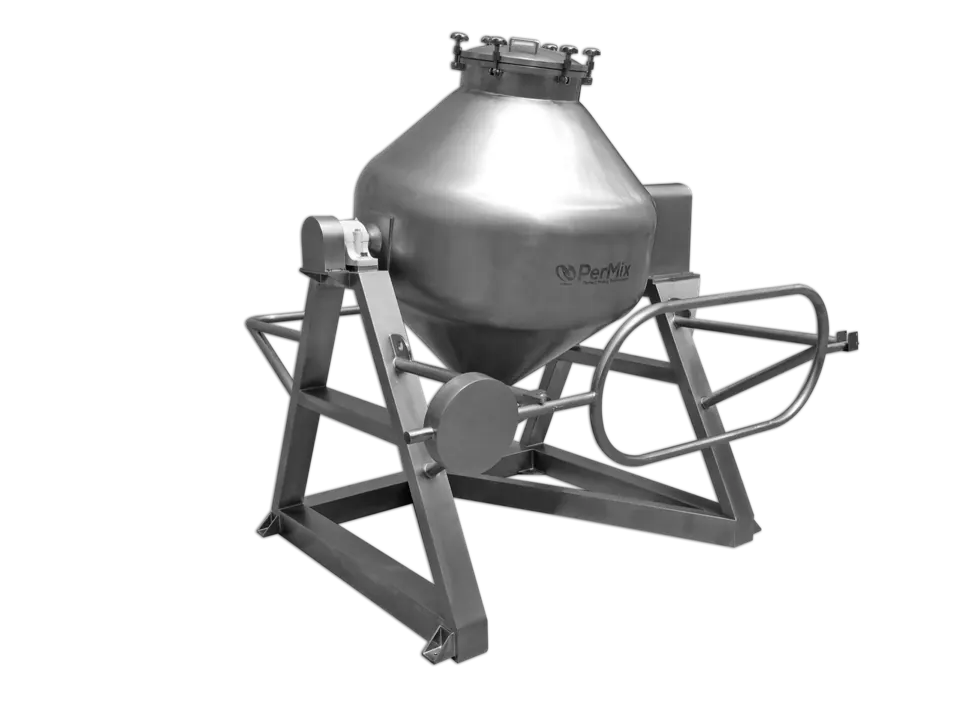
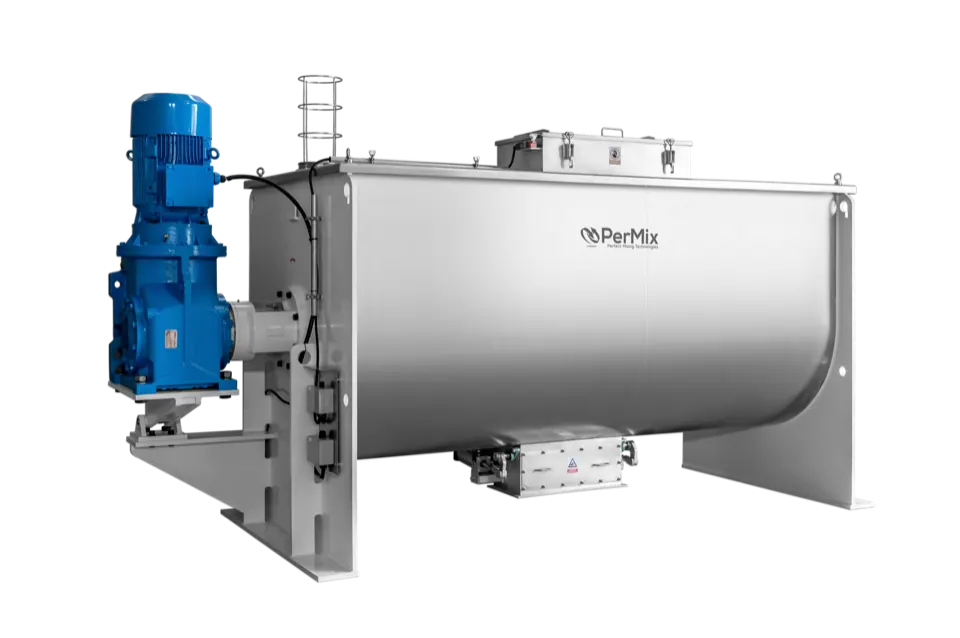
PerMix engineers ribbon, paddle, ploughshare and double cone mixers for dry minerals, ceramic powders, refractories, mortar, cement additives, fillers and related formulations.

When the process requires vacuum, pressure, controlled atmosphere, advanced thermal treatment or drying, the application moves into QuantumX. When the process has a liquid continuous phase — such as a ceramic slurry, suspension, coating or grout — it moves into EmulXion.

Submit Your Product and Batch Information
  • 01Heavy-duty shaft and drive engineering
  • 02Wear-resistant construction
  • 03Ceramic and specialty liners
  • 04High-density batch capability
  • 05Controlled liquid addition
  • 06Dust-tight process integration

Abrasive powder processing

These Materials Wear the Machine While the Machine Mixes the Material

The equipment must produce the required blend while controlling wear, product contamination and lifecycle cost.

Abrasive powder processing must account for:

  1. Product hardness
  2. Particle shape
  3. Particle velocity
  4. Impact
  5. Sliding wear
  6. Bulk density
  7. Moisture
  8. Liquid addition
  9. Agglomeration
  10. Dust generation
  11. Discharge abrasion
  12. Maintenance access

Three processing platforms

The Correct Brand Depends on the Process Duty

Atmospheric dry mixing, specialty vacuum and thermal duty, and liquid processing each have a dedicated platform.

Dry mixing

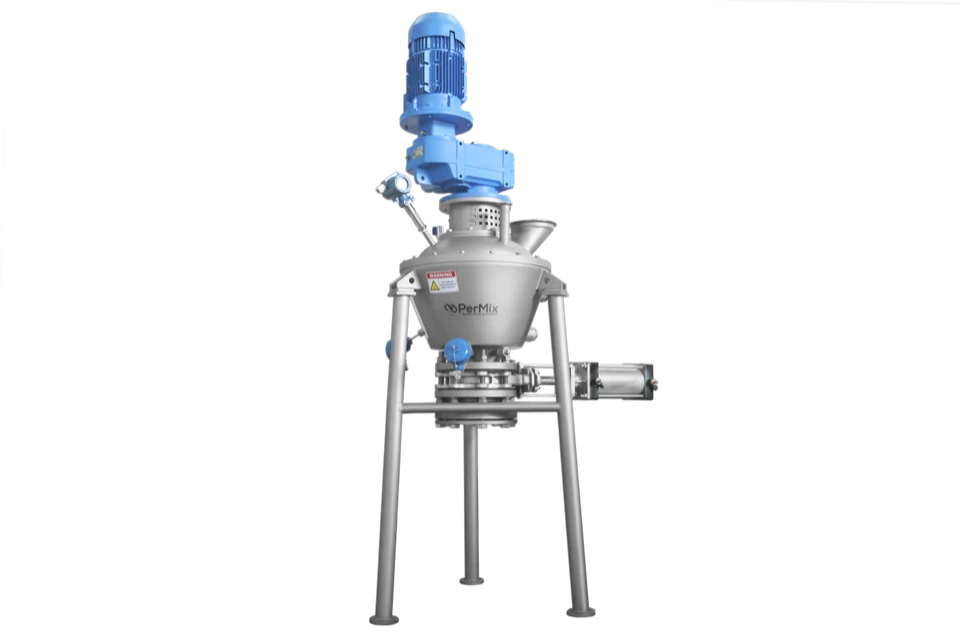
PerMix Industrial Plough Mixer

PerMix Standard Mixers

Atmospheric Mixing of Minerals and Construction Materials

For atmospheric mixing of minerals, ceramic powders, mortar and construction chemicals.

RibbonPaddlePloughshareDouble Cone

For atmospheric mixing of
  • Minerals
  • Ceramic powders
  • Dry mortar
  • Refractories
  • Cement additives
  • Fly ash
  • Fillers
  • Foundry materials
  • Construction chemicals

Specialty

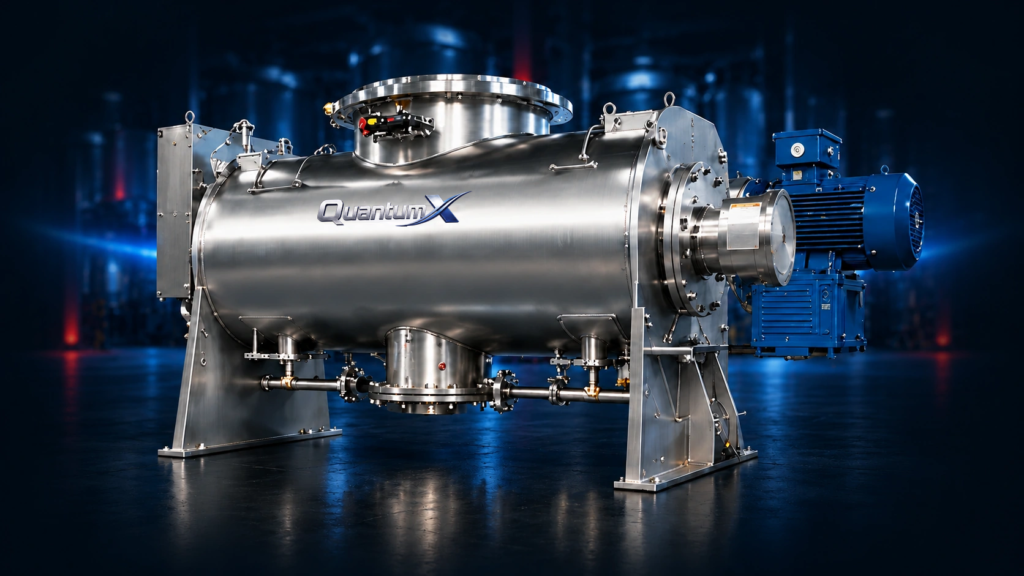
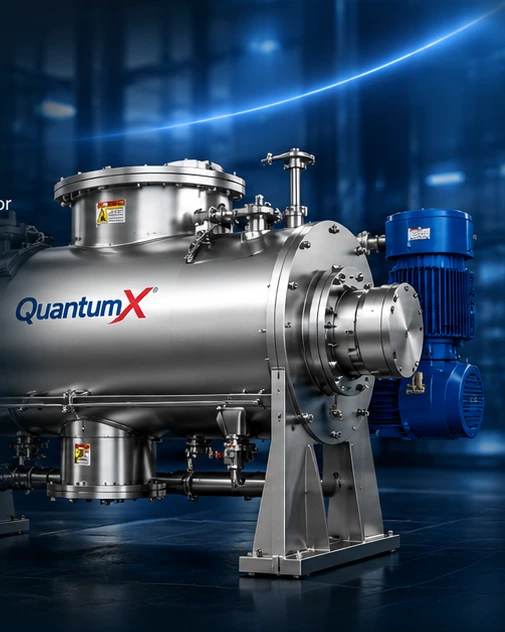
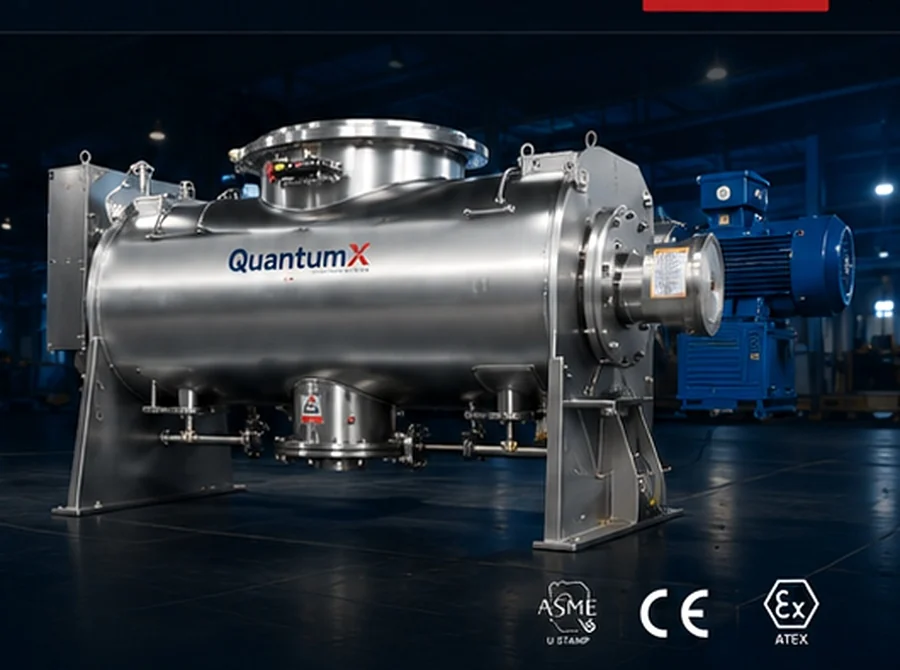
QuantumX stainless steel industrial mixer with blue drive motor

QuantumX Specialty Systems

When Atmospheric Mixing Is Not Enough

For mineral and ceramic processes that require vacuum, pressure, controlled atmosphere or advanced thermal duty.

For

Vacuum dryingControlled atmospherePressure-rated systemsAdvanced heating and coolingMoisture removalSpecialty alloysHigh containmentATEX or hazardous areas

Liquids

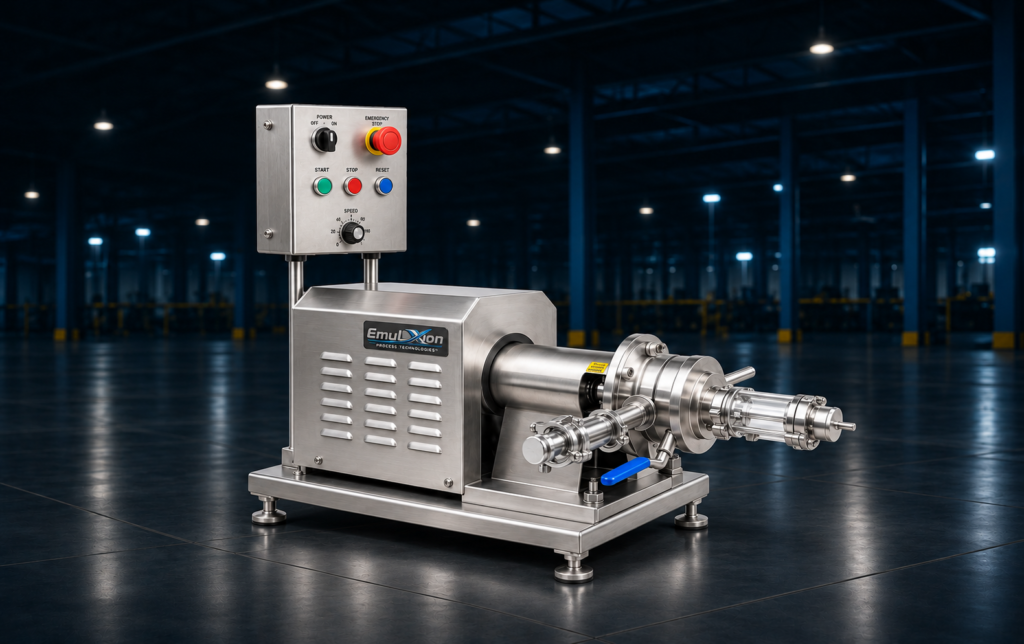
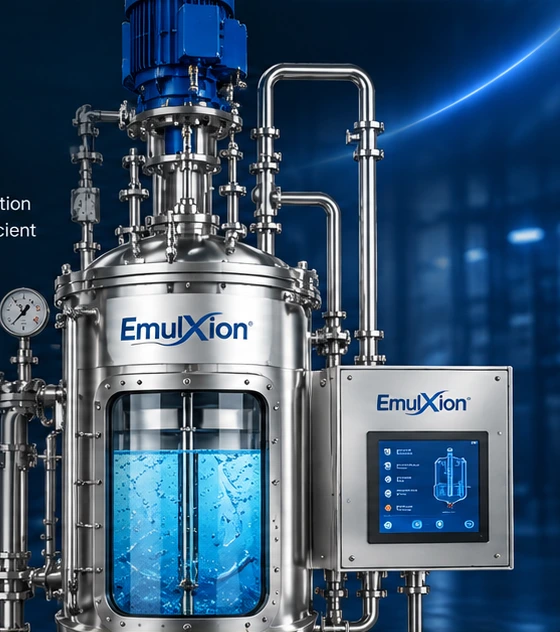
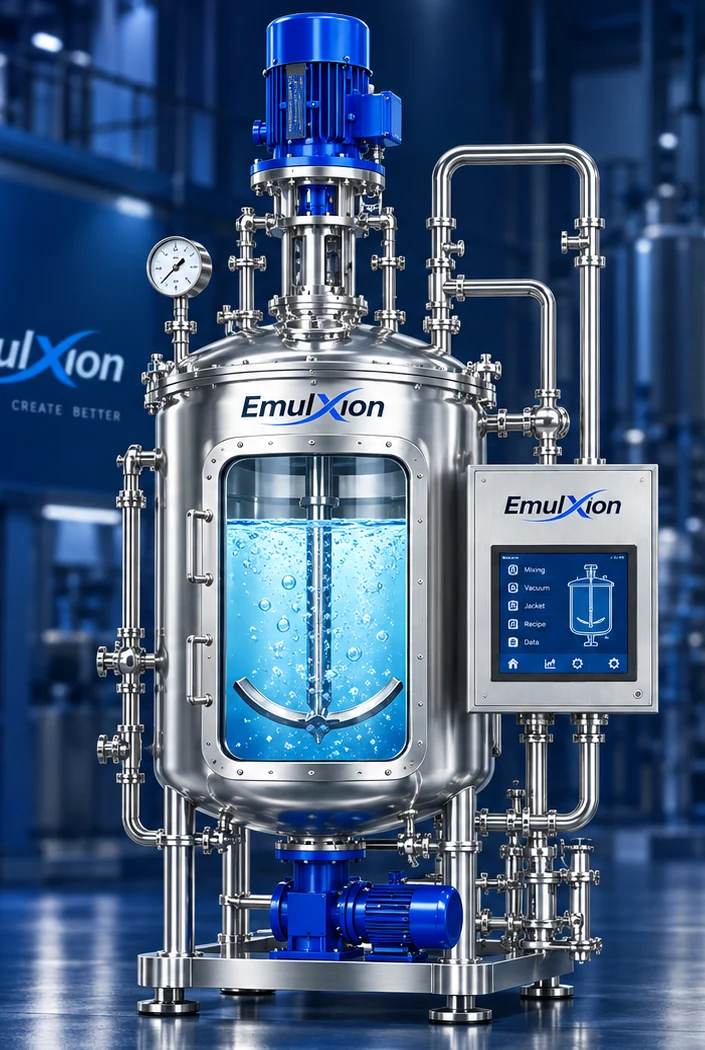
EmulXion stainless steel inline high shear mixer with control panel in an industrial plant

EmulXion Liquid Processing

Slurries, Suspensions and Grouts

For products with a liquid continuous phase that need agitation, dispersion or homogenization.

For

Ceramic slurriesMineral suspensionsGroutsCoatingsHigh-solids dispersionsBinder solutionsWet milling and homogenization

Selecting the right mixer

Six Pathways. One Right Answer for Your Formulation.

PlatformMixing characterStrongest applicationsKey engineering questions
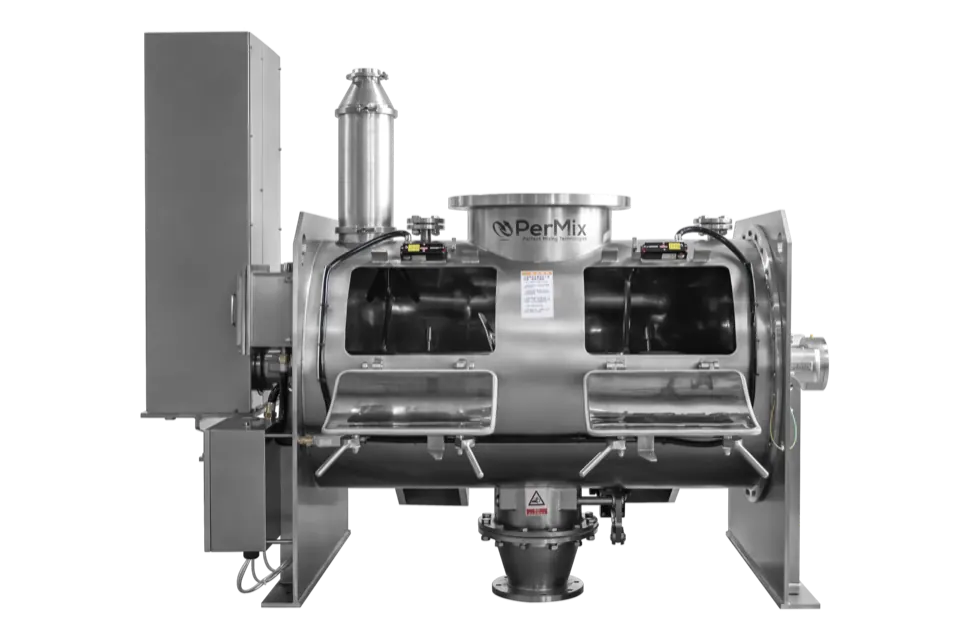
Ribbon Mixer Axial and radial circulationGeneral mineral blends, dry mortar, fillers and construction additivesBulk density, torque, ribbon wear and discharge
Paddle Mixer Lifting and foldingGranules, fragile ceramic particles and variable-density blendsParticle integrity, paddle wear and rapid discharge
Ploughshare Mixer Mechanical fluidizationCohesive powders, intensive liquid addition, coating, deagglomeration and mortar systemsWear, tip speed, choppers, liquid addition and heat
Double Cone Mixer Tumble blendingFree-flowing high-purity ceramics and gentle specialty blendsFlowability, contamination, fill level and segregation
QuantumX Application-specificVacuum drying, thermal treatment, pressure and controlled atmosphereMoisture, temperature, vacuum, pressure and wear
EmulXion High-shear dispersion and agitationCeramic slurries, suspensions and mineral dispersionsSolids loading, viscosity, wet-out and abrasion

Not sure which row fits? Tell us the material, the batch and what the current process must improve — we will narrow it down.

Engineering challenges

Mineral and Ceramic Challenges We Engineer Around

01Density

High Bulk Density

Dense materials increase

Startup torqueShaft loadingBearing loadMotor demandStructural loadDischarge forces

Drive selection must consider the worst-case loaded condition—not only normal running power.

02Wear

Severe Abrasion

Wear may occur at

Agitator leading edgesVessel wallsChoppersDischarge valvesInlet transitionsSpray devicesDownstream transfer points

Potential protection includes

HardoxReplaceable wear linersHardened edgesCeramic linersTungsten-carbide coatingsReplaceable high-wear components

03Exposure

Fine Dust and Silica

Materials such as sand, stone, concrete, mortar, ceramics, brick and artificial stone can contain crystalline silica. OSHA maintains separate respirable-crystalline-silica standards for construction and general industry. Equipment design should support the facility’s exposure-control strategy through dust-tight transfer, enclosed charging, filtered venting and appropriate housekeeping interfaces.

Source: OSHA

Equipment alone does not establish compliance with worker-exposure requirements.

04Liquids

Liquid Addition

Construction and ceramic formulations may require

WaterBinderResinPlasticizerDust suppressantColor solutionFunctional additives

The spray system and mixer must be designed together.

05Granules

Agglomeration and Deagglomeration

Some formulations require controlled granule formation, while others require breaking soft lumps.

Ploughshare mixers with application-specific choppers can support higher-intensity processing.

Ploughshare Mixer

06Purity

Metallic Contamination

High-purity ceramics and electronic materials may require

Ceramic linersSpecialty alloysNonmetallic componentsProtected discharge pathwaysContamination-controlled fabrication

PerMix mixer applications by segment

Find Your Segment. See What Matters.

Select a segment to see typical applications and the engineering priorities we review.

Segment 01 / 05

Dry Mortar and Construction Chemicals

Applications

Tile adhesiveRepair mortarSelf-leveling compoundsGroutsPlastersInsulation productsCement additivesWaterproofing blends

Wear-resistant construction

The Best Wear System Depends on the Duty

Ceramic lining must be integrated into the original mixer clearances and geometry.

Potential systems include:

  • Hardox vessel sections
  • Ceramic liners
  • Replaceable steel liners
  • Hardened agitator faces
  • Tungsten-carbide coatings
  • Protected valves
  • Replaceable chopper tools

The best wear system depends on

Abrasive hardnessParticle velocityImpactProduct purityCorrosionTemperatureMaintenance strategy

Beyond dry mixing

Specialty and Liquid Processes Require Different Engineering

PerMix focuses the standard range on dry powders and granules. Vacuum, thermal and pressure duties move into QuantumX; ceramic slurries and mineral suspensions move into EmulXion.

QuantumX

Mineral and Ceramic Systems

A mineral or ceramic application moves into QuantumX when it requires vacuum, pressure, controlled atmosphere or advanced thermal duty.

QuantumX can support

  • Vacuum drying
  • Moisture removal
  • Controlled atmosphere
  • Inerting
  • Pressure-rated systems
  • Advanced thermal conditioning
  • High-containment powders
  • Specialty-alloy and lined systems

EmulXion

Slurry Processing

When the product has a liquid continuous phase, EmulXion handles dispersion, powder induction and deaeration.

EmulXion can support

  • Ceramic slurries
  • Mineral suspensions
  • High-solids dispersions
  • Grouts
  • Coatings
  • Binder preparation
  • Powder induction
  • Vacuum deaeration

Why manufacturers choose PerMix

Ten Reasons the Process Comes First

We begin with the material and the production objective — not a predetermined mixer.

  • 01

    Heavy-duty shaft and drive engineering

  • 02

    Wear-resistant construction

  • 03

    Ceramic and specialty liners

  • 04

    High-density batch capability

  • 05

    Controlled liquid addition

  • 06

    Dust-tight process integration

  • 07

    Vacuum and thermal systems through QuantumX

  • 08

    Slurry processing through EmulXion

  • 09

    Integration with milling, screening and packaging

  • 10

    FAT and lifecycle support

Engineering intake

Tell Us What You Are Making — and What the Current Process Must Improve

To recommend a mineral or ceramic mixer, provide:

  1. Material
  2. Batch mass
  3. Bulk density
  4. Particle size
  5. Hardness and abrasion data
  6. Moisture
  7. Liquid addition
  8. Agglomeration objective
  9. Metallic-contamination limit
  10. Desired wear life
  11. Vacuum or thermal duty
  12. Dust-hazard data
  13. Loading and discharge
  14. Downstream process
  15. Required cycle time

RFQEngineering review

An application engineer will review your process and respond with a recommended pathway.

Request a Mineral or Ceramic Mixer Recommendation

Do not submit confidential formulation details until an approved communication channel has been confirmed.

FAQ

Frequently Asked Questions

Got more questions?Ask an engineer
What mixer is best for dry mortar?

Ribbon and ploughshare mixers are common pathways. The correct selection depends on cohesion, liquid addition, batch time and required intensity.

Can PerMix mix high-density mineral powders?

Yes. Shaft, motor, gearbox, structure and discharge must be designed around loaded startup conditions.

Can the mixer resist severe abrasion?

Hardox, ceramic liners, replaceable wear plates, hardened edges and coatings can be evaluated.

Can PerMix build ceramic-lined mixers?

Yes. Liner thickness, impact, thermal expansion and mixer clearances must be incorporated into the original design.

Can liquids be added to mortar or ceramic powders?

Yes. Nozzle type, liquid viscosity, addition rate and powder circulation must be engineered together.

Does PerMix make ceramic-slurry mixers?

Liquid ceramic and mineral systems are handled through EmulXion.

Can mineral powders be vacuum dried?

QuantumX can provide application-specific vacuum mixer-dryers.

Can the mixer help control silica dust?

Equipment can support dust-tight handling and filtered venting, but the employer remains responsible for the complete exposure-control program.

From material behavior to production performance

Engineer the Mixer for Wear, Density and Process Performance

Whether the application requires a standard PerMix dry mixer, a QuantumX vacuum or thermal system or an EmulXion liquid-processing line, we will evaluate the process before recommending the equipment.

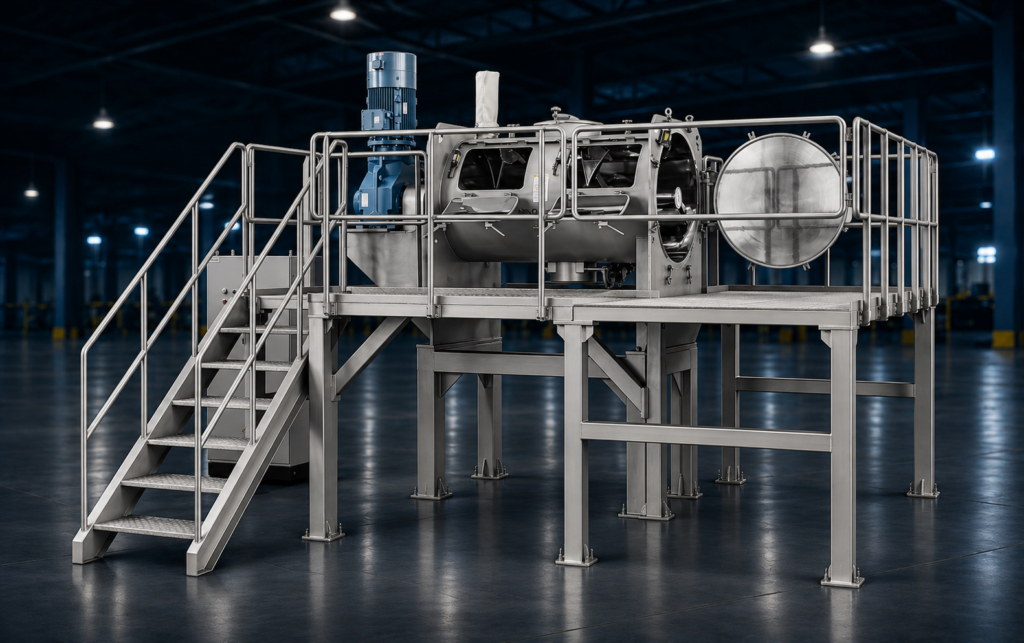
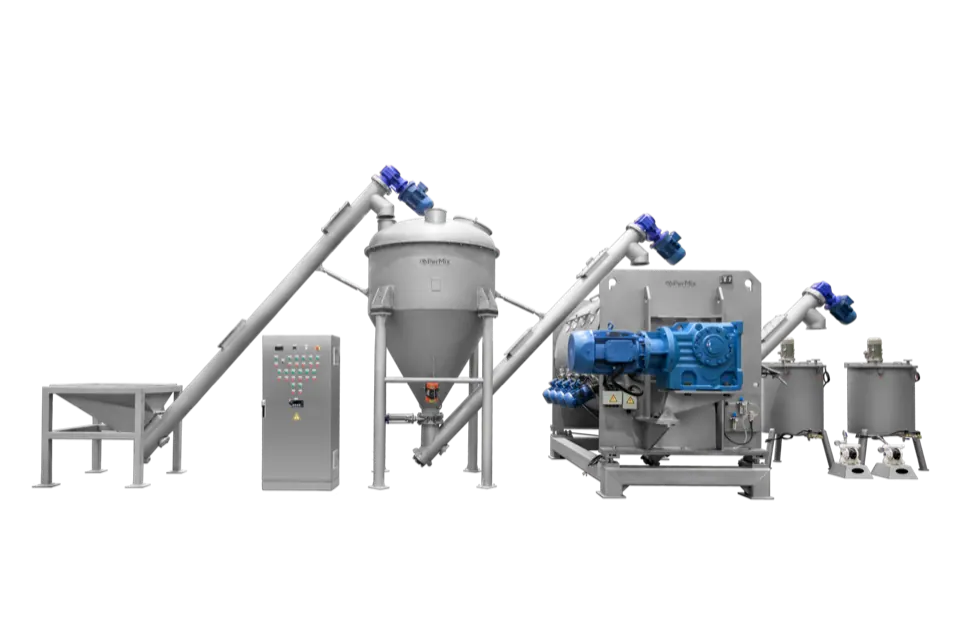
PerMix stainless steel ribbon mixer with blue drive in an industrial facility