
01Condition
Normal Operating Pressure
The pressure expected during routine production.
This may include:
Gas blanketing pressureTransfer pressureReaction pressureVapor pressurePressurized liquid additionPressure-assisted discharge
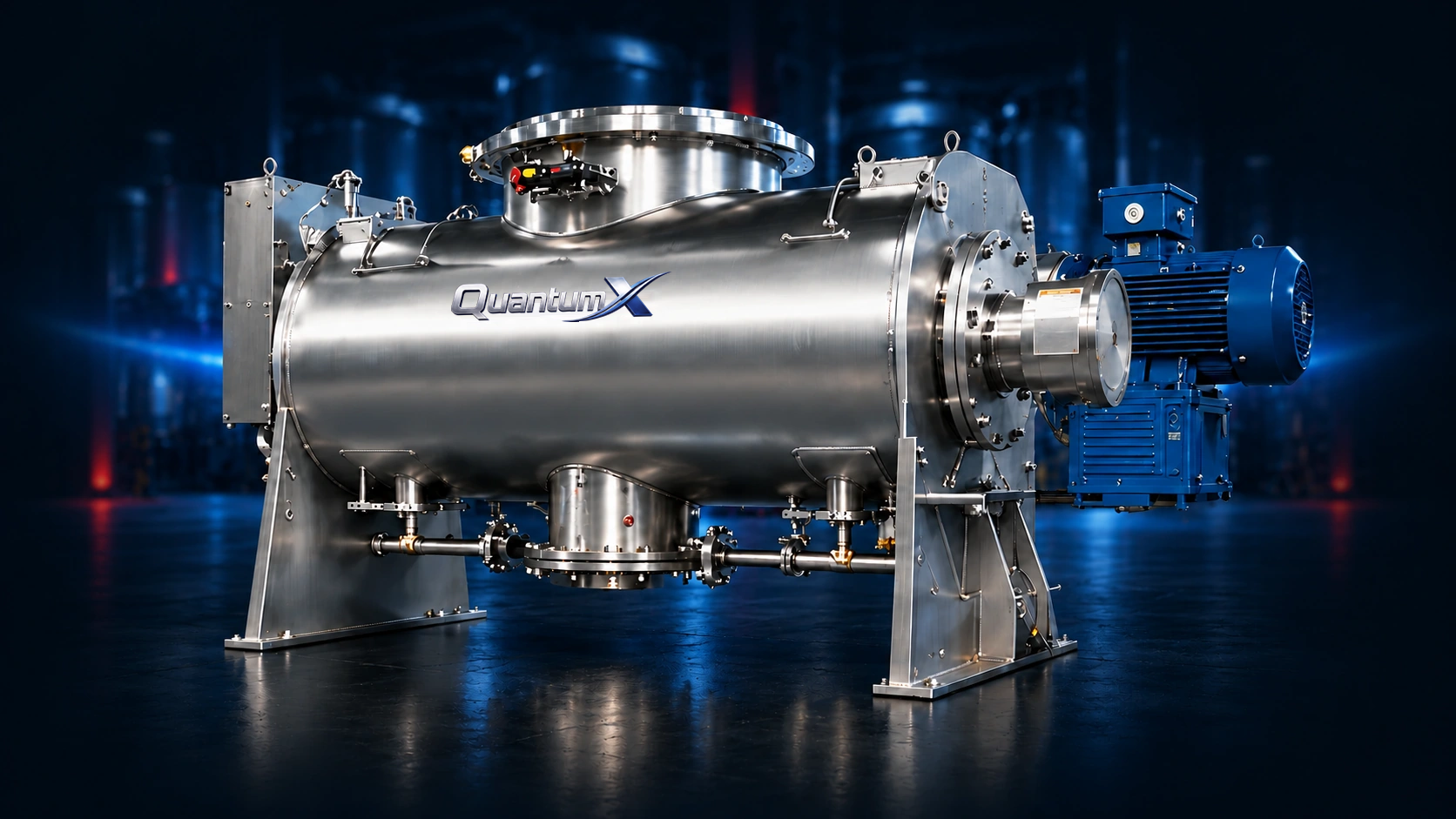
CONTROLLED INTERNAL PRESSURE CLOSED PROCESSING ENGINEERED MIXING SYSTEMS
Pressure-Rated Mixers Engineered Around the Complete Process Envelope
A pressure-rated mixer is more than a standard atmospheric vessel fitted with a stronger cover.
The vessel shell, heads, access openings, agitator penetrations, shaft seals, nozzles, discharge valve, jacket, supports, instruments and connected process equipment must be engineered together for the defined pressure, temperature, vacuum, product load and operating cycle.
Overview
A pressure-rated mixer is an agitated process vessel mechanically designed for a defined internal or external pressure condition.
Pressure rating affects considerably more than vessel-wall thickness.
The design must account for:
Depending on the process, the system may operate:
The pressure boundary contains the process. The mixing system must still make the process work.
Key capabilities
Construction basis
Define the Required Construction Basis Before the Vessel Is Engineered
The term pressure-rated describes the intended mechanical service.
It does not, by itself, define:
| Equipment Basis | Typical Meaning | Important Limitation |
|---|---|---|
| Atmospheric mixer | Intended for operation near atmospheric pressure | Not intended for positive internal pressure or full vacuum unless expressly designed |
| Vacuum-rated mixer | Designed for the defined external-pressure condition created by vacuum | Does not automatically include positive-pressure capability |
| Pressure-rated mixer | Designed for a stated positive-pressure or combined pressure/vacuum envelope | May or may not be code-stamped, depending on jurisdiction and project requirements |
| ASME-designed vessel | Calculations or engineering use an ASME design basis | Does not necessarily mean the vessel is U-stamped |
| ASME U-stamped vessel | Constructed and certified under an authorized ASME Section VIII program | Requires the applicable quality-control, inspection and certification process |
| PED pressure equipment | Engineered and conformity-assessed under applicable European pressure-equipment requirements | PED scope and category depend on pressure, volume, fluid group and equipment type |
| ATEX pressure mixer | Pressure-rated equipment also engineered for a defined explosive-atmosphere basis | Pressure compliance and ATEX compliance are separate requirements |
ASME Section VIII, Division 1 contains requirements for the design, fabrication, inspection, testing and certification of pressure vessels operating at internal or external pressures above its defined scope threshold. The 2025 edition is the current ASME BPVC edition.
For European projects, the Pressure Equipment Directive applies to the design, manufacture and conformity assessment of stationary pressure equipment with maximum allowable pressure greater than 0.5 bar, subject to its scope and exclusions. The current consolidated directive text reflects amendments through May 30, 2026.
Mechanical loads
An agitated pressure vessel must withstand both pressure loads and mechanical process loads.
Potential loads include:
The agitation system can transmit significant force through the shaft nozzle and into the vessel head, shell and supports.
That means the following must be evaluated together:
A mechanically adequate pressure vessel can still be a poor mixer.
A high-performance mixer can still be an inadequate pressure vessel.
QuantumX engineers the pressure system and mixing system as one machine.
Operating envelope
01Condition
The pressure expected during routine production.
This may include:
Gas blanketing pressureTransfer pressureReaction pressureVapor pressurePressurized liquid additionPressure-assisted discharge
02Condition
The highest pressure expected during the defined operating sequence or foreseeable process variation, excluding the final design basis.
03Condition
The pressure basis used for mechanical design, subject to the governing code, customer specification, process conditions and jurisdictional requirements.
04Condition
The allowable pressure established from the final vessel design, materials, temperature, geometry and construction.
It should not be treated as an arbitrary marketing number or simply selected from a catalog.
05Condition
Full vacuum creates an external-pressure condition.
A vessel that safely contains positive internal pressure is not automatically resistant to external-pressure buckling.
The shell, heads, jacket, nozzles, stiffening and supports must be evaluated for vacuum separately.
06Condition
The normal product and vessel temperature during production.
07Condition
The temperature basis used for mechanical design and material allowable stresses.
08Condition
The lowest metal temperature considered in the design basis.
09Condition
The project should define:
Number of pressure cyclesNumber of vacuum cyclesNumber of thermal cyclesRate of pressurizationRate of depressurizationVacuum pull-down rateHeating rateCooling rateExpected service life
Repeated pressure and thermal cycling can influence fatigue and mechanical design even when individual pressure values appear moderate.
Pressure control
A process may require both conditions during one batch.
For example:
Each stage creates a different mechanical and process condition.
The design review must identify:
ASME Section VIII addresses vessels operating under both internal and external pressure within its scope.
The vessel contains the process pressure.
The control system manages it.
A complete pressure-control strategy may include:
A vessel pressure rating does not prevent:
Mechanical design, process controls and relief protection must work together.
QuantumX platforms
01
Active Convective Mixing Inside a Closed Pressure Vessel
02
Gentle Lifting and Folding Under Controlled Pressure
03
Intensive Mechanical Fluidization for Reactive and Difficult Processes
04
Gentle Processing with Gravity-Assisted Discharge
05
Gentle Tumble Processing Under Vacuum or Defined Internal Pressure
06
Complex Liquid, Slurry and High-Viscosity Processing
07
High-Viscosity Mixing in a Fixed Pressure Vessel
QuantumX platforms
01Platform
Active Convective Mixing Inside a Closed Pressure Vessel
QuantumX pressure-rated ribbon mixers use engineered inner and outer ribbons to create controlled axial and radial circulation.
Potential applications include:
Powder blending under inert gasGas-solid treatmentClosed liquid additionPressure impregnationVacuum conditioningSolvent-wet powdersPressure-assisted coatingThermal processingChemical treatmentControlled dryingBattery and advanced materialsPharmaceutical intermediates
Engineering Variables
Inner and outer ribbon widthRibbon pitchActive ribbon surface areaInner-to-outer flow balanceStartup torqueShaft diameterShaft deflectionSeal selectionVessel reinforcementAgitator-nozzle loadingWorking fillPressure cyclesVacuum cyclesJacket duty
02Platform
Gentle Lifting and Folding Under Controlled Pressure
QuantumX pressure-rated paddle mixers use discrete paddles to lift, fold and redistribute products with a relatively open agitator arrangement.
Potential applications include:
Fragile granulesCoated particlesPressure treatmentVacuum conditioningControlled gas exposurePressure-assisted liquid distributionPharmaceutical granulesChemical powdersCatalyst carriersAdvanced materials
Engineering Variables
Paddle widthPaddle anglePaddle spacingActive paddle areaParticle fragilityShaft loadingProduct circulationSeal designPressure differentialDischarge arrangementCleanability
03Platform
Intensive Mechanical Fluidization for Reactive and Difficult Processes
QuantumX pressure-rated plough mixers use profiled tools to lift and accelerate material through mechanically active mixing zones.
Potential applications include:
Cohesive powdersGas-solid reactionReactive coatingPressurized liquid additionCatalyst treatmentSurface functionalizationSolvent processingPressure-assisted impregnationVacuum dryingControlled agglomerationChemical reactionAdvanced materials
Engineering Variables
Plough profileTip speedProduct accelerationShaft torqueChopper penetrationsChopper sealsMechanical heat inputWear protectionGas generationVapor generationReaction heatPressure cyclesRelief interfaces
04Platform
Gentle Processing with Gravity-Assisted Discharge
QuantumX conical screw mixers can be engineered for selected pressure, vacuum and controlled-atmosphere duties.
Potential applications include:
Gentle gas-solid treatmentVacuum dryingNitrogen blanketingPressure-assisted impregnationHeat-sensitive powdersPharmaceutical intermediatesHigh-purity chemicalsBattery materialsFragile particlesSolvent-wet powders
Engineering Variables
Cone geometryScrew diameterScrew pitchScrew rotationOrbital movementAgitator penetrationSeal systemPressure differentialVessel supportJacket dutyDischarge closure
05Platform
Gentle Tumble Processing Under Vacuum or Defined Internal Pressure
A pressure-rated double cone system rotates the complete vessel and batch.
Potential applications include:
Gentle vacuum dryingInert-gas processingClosed atmospherePressure conditioningFragile powdersCrystalsHigh-purity productsPharmaceutical materials
The mechanical design must address:
Rotating pressure boundaryTrunnionsHollow shaftsRotary unionsProduct sealsThermal-media sealsDynamic balanceCyclic loadsJacketValve loadingVessel-position controlsGuarding
Positive-pressure double cone systems are highly application-specific and must be engineered around the complete rotating assembly.
06Platform
Complex Liquid, Slurry and High-Viscosity Processing
QuantumX pressure-rated multi-shaft systems can combine:
AnchorSweepHigh-speed disperserRotor-statorAxial-flow agitatorWall scraperBottom-entry homogenizer
Potential applications include:
Reactive liquidsResinsPolymersCoatingsAdhesivesHigh-solids slurriesBattery materialsPharmaceutical liquidsSpecialty chemicalsVacuum deaerationGas addition
Each additional shaft creates another pressure-boundary penetration, dynamic load and sealing requirement.
07Platform
High-Viscosity Mixing in a Fixed Pressure Vessel
Selected fixed-vessel QuantumX double planetary systems can be engineered for pressure-rated processing.
Potential applications include:
High-viscosity reactive compoundsAdhesivesSealantsBattery pastesFilled polymersSpecialty chemicalsVacuum and pressure cyclesControlled gas addition
A removable change-can vacuum vessel should not automatically be treated as suitable for positive pressure.
Pressure-rated planetary processing may require:
Fixed vesselEngineered closurePressure-rated shaft sealsReinforced drive headPressure-rated dischargeRelief connectionsCode-rated jacketFixed utilities
Process duties
Pressure-rated mixers can support application-specific addition of:
Potential process objectives include:
The system may include:
Gas addition must be evaluated against:
An inert-gas blanket can help:
A typical sequence may include:
Inerting should be based on process and hazard data.
It should not be treated as a generic accessory or assumed to eliminate ATEX or other hazardous-area obligations automatically.
Positive pressure can be used to transfer or inject liquids into a closed mixer.
Potential liquids include:
Potential advantages can include:
The addition system must account for:
The liquid supply pressure must remain compatible with the mixer design and control philosophy.
Selected porous or structured materials may be exposed to:
Potential applications can include:
Performance depends on:
Pressure-assisted impregnation requires application testing when product behavior is uncertain.
A pressure-rated mixer may support closed transfer through:
Closed transfer can help reduce:
The transfer pressure and downstream receiver rating must be coordinated.
The mixer cannot be pressurized against:
The complete transfer path must be included in the pressure and relief review.
A Reaction Can Change the Pressure, Temperature and Product Rheology
Reactive mixing may involve:
The process basis should identify:
For covered highly hazardous chemical processes, OSHA’s Process Safety Management standard includes mechanical-integrity requirements for pressure vessels, piping, relief systems, emergency shutdown systems, controls and pumps.
QuantumX can engineer the equipment and agreed process controls.
The facility owner and qualified process-safety specialists remain responsible for:
A pressure-rated mixer handling volatile material may require:
The design basis should include:
Pressure rating alone does not establish suitability for flammable-solvent processing.
Pressure-boundary interfaces
01Interface
The Agitator Penetration Is a Critical Pressure-Boundary Interface
Seal selection depends on:
Positive pressureVacuumShaft diameterShaft speedProduct finenessAbrasionCorrosionSolvent compatibilityTemperatureProduct toxicityContainment requirementCleaning methodAllowable leakage
Potential systems include:
Packing arrangementsLip sealsLabyrinth sealsMechanical sealsDouble mechanical sealsGas-purged sealsNitrogen-purged sealsBarrier-fluid sealsDry-running sealsCartridge sealsHigh-containment seals
Seal-System Instrumentation Can Include
Seal pressureBarrier-fluid pressureBarrier-fluid temperatureBarrier-fluid levelPurge-gas flowPurge-gas pressureLeakage detectionSeal temperatureAlarm and shutdown logic
The seal, shaft, bearings, gearbox support and vessel nozzle must be engineered as one mechanical assembly.
02Interface
An atmospheric hinged lid cannot simply be reinforced and used as a pressure closure.
A pressure-rated access opening must account for:
PressureVacuumTemperatureClosure geometryGasketBoltingHinge loadingOpening sizeOperator accessCleaningProduct exposureInterlocksInspectionCode requirementsMaintenance
Potential closure types include:
Bolted manwayClamp closureHinged bolted closureEngineered quick-opening closureRemovable pressure headSanitary pressure manway
Quick-opening closures require special safeguards to prevent opening while the vessel remains pressurized or under vacuum.
Potential interlocks include:
Pressure must equalize before unlockingAgitator must be stoppedZero speed must be confirmedProduct temperature must be below a defined limitVacuum must be brokenGas supply must be isolatedSafe vent path must be open
03Interface
The discharge valve is part of the pressure boundary.
Potential systems include:
Flush-bottom ball valveSegment valveButterfly valveSlide valveDome valveContained split valvePressure-rated screw dischargePressure-rated rotary valveDouble-valve isolationLock-hopper systemPress-out systemPump transfer
The discharge design must consider:
Vessel pressureProduct flowabilityParticle sizeAbrasionCorrosionProduct temperatureSeal materialsResidual hold-upCleaningContainmentDownstream ratingSafe opening sequence
A valve suitable for atmospheric powder discharge may not be suitable as a pressure-retaining closure.
04Interface
Potential vessel connections include:
Product chargingLiquid feedGas additionNitrogen inletVacuum outletVapor outletCondenser connectionPressure reliefRupture discVentTemperature probePressure transmitterLevel measurementSamplingSight glassLight portFilterCIP connectionWash connectionDischargeLoad-cell supportRecirculation loop
Nozzle size and location affect:
Vessel reinforcementAgitator clearanceProduct movementCleaningVapor velocityPressure dropPiping loadsMaintenance accessInstrument accuracy
Nozzle quantity and placement should be defined before vessel fabrication—not added after the mixing geometry has been finalized.
05Interface
The Vessel and Jacket Are Separate Pressure Boundaries
A pressure-rated mixer can include:
Conventional jacketDimple jacketHalf-pipe jacketMultiple thermal zonesInternal coil where appropriateInsulationStainless-steel cladding
Potential thermal media include:
Hot waterCooling waterChilled waterGlycolSteamThermal fluid
The vessel and jacket can have different:
Operating pressuresDesign pressuresOperating temperaturesDesign temperaturesMaterialsCorrosion allowancesRelief requirementsTest pressuresCode requirements
A five-bar jacket does not mean the process vessel is rated for five bar.
A pressure-rated process vessel does not mean the jacket has the same rating.
Each boundary must be defined independently.
06Interface
A pressure-rated jacket cannot provide effective processing if the mixer does not continually renew product contact with the vessel wall.
Thermal performance depends on:
Jacket areaWall thicknessThermal-medium flowThermal-medium temperatureProduct thermal conductivityProduct heat capacityBatch massAgitator circulationProduct viscosityFoulingReaction heatVaporizationVacuumRequired process time
Different agitators provide different wall-renewal behavior.
The mixer and jacket must be engineered together.
07Interface
The Relief Basis Comes from the Process—not the Vessel Catalog
Potential pressure scenarios include:
External fireRunaway reactionGas generationVapor generationBlocked outletExcessive feed rateRegulator failureHeating of trapped liquidUtility cross-connectionCooling failureJacket failureVacuum-system malfunctionGas-control failureThermal expansion
The equipment may require connections for:
Pressure-relief valveRupture discEmergency ventVacuum breakerThermal-relief valveJacket reliefSafe vent dischargeScrubber connectionFlare connectionContainment system
QuantumX can provide and mechanically coordinate the agreed vessel connections.
Final relief-device selection, sizing, set pressure, relieving rate and discharge destination should be established by qualified process-safety and relief-system specialists using the credible process scenarios.
Materials of Construction
Can be evaluated for suitable non-corrosive industrial processes.
Potential applications include:
Can be evaluated for:
Can be evaluated for:
Can be considered where conventional stainless grades do not provide the required combination of:
Can be evaluated for:
The vessel, agitator, weld filler, nozzles, fasteners, valves, seals and instruments must be reviewed together.
Can be evaluated for selected:
The design must account for:
A pressure-rated vessel may require consideration of both chemical corrosion and mechanical wear.
Potential concerns include:
Potential internal protection includes:
A liner does not automatically become the pressure boundary.
The underlying pressure-retaining shell must still satisfy the applicable design basis.
The liner system must be engineered around:
Sanitary, containment and code
01Requirement
QuantumX pressure-rated mixers can be engineered for sanitary or high-purity applications with options including:
316L stainless-steel product contactDefined internal finishGround and polished weldsElectropolishingPassivationSanitary pressure manwaysSanitary process connectionsDrainable geometryReduced product trapsSanitary shaft sealsGas-purged sealsFlush discharge valvesCIP systemsWash-in-place systemsClosed chargingContained samplingContained dischargeBatch reportingIQ/OQ support documentation
Pressure-vessel compliance and sanitary design are separate requirements.
A pressure-rated mixer is not automatically sanitary.
A sanitary mixer is not automatically pressure rated.
The project specification must define both.
02Requirement
Pressure-rated processing may be combined with containment for:
Potent pharmaceuticalsToxic chemicalsSensitizersNanomaterialsCarbon materialsBattery powdersHigh-value catalystsVolatile materials
Potential containment features include:
Closed chargingGlovebox interfaceIsolator connectionSplit-butterfly valveVacuum transferHigh-integrity shaft sealsClosed samplingFiltered ventingContained dischargeDouble-valve isolationWash-in-placeClean-in-placeNitrogen inertingOxygen monitoring
The containment target and verification method must be defined before final design.
03Requirement
ATEX addresses explosive-atmosphere ignition risks.
Pressure design addresses mechanical containment.
A project may require both, but neither requirement replaces the other.
An ATEX pressure-rated mixer may require:
Defined internal and external zonesEquipment categoryGas or dust groupTemperature classMaximum surface temperatureMechanical ignition-risk assessmentStatic-control strategyClassified electrical componentsNitrogen inertingOxygen monitoringExplosion-protection interfacesPressure-vessel constructionRelief interfaces
04Requirement
ASME Section VIII
ASME Section VIII provides pressure-vessel construction requirements covering design, materials, fabrication, examination, inspection, testing and certification within its defined scope.
A project may require:
Division 1Division 2U-stamped constructionNational Board registrationJurisdictional registrationCustomer-specific pressure-vessel requirements
National Board registration provides a retained record for registered pressure-retaining items constructed and inspected under the applicable ASME process.
05Requirement
For applicable European projects, PED 2014/68/EU governs design, manufacture and conformity assessment of stationary pressure equipment above its defined pressure threshold.
A PED project may require:
Equipment classificationFluid-group determinationConformity-assessment moduleNotified-body involvementMaterial documentationWelding qualificationsNondestructive examinationPressure testingTechnical fileCE markingEU Declaration of Conformity
06Requirement
Depending on destination, the project may also require:
Canadian registration numberLocal pressure-vessel registrationNational Board registrationUK pressure-equipment conformityCustomer corporate standardsInsurance requirementsSite mechanical-integrity standards
The installation destination should be identified before engineering begins.
Controls and documentation
Potential QuantumX instrumentation includes:
Instrumentation should be selected around the defined process risks and control strategy.
Potential control functions include:
Safety-related functions should be established through the project risk assessment and controls philosophy.
Before an operator can open a pressure-rated mixer, the control system may require confirmation that:
Safe opening should not depend solely on an operator reading one pressure gauge.
Depending on the agreed scope, QuantumX documentation can include:
The documentation package should be defined contractually before the order is placed.
Potential FAT activities include:
FAT does not replace:
Industries and applications
Gas-solid treatment · Catalyst processing · Functional coatings · Reactive powders · Solvent-wet materials · Vacuum and pressure processing · Polymer additives · Pigments · Chemical intermediates · Controlled reactions
Explore industry
Pharmaceutical intermediates · Vacuum conditioning · High-containment processing · Solvent-wet powders · Inert-gas processing · Closed transfer · Controlled drying · High-purity ingredients
Explore industry
Closed atmosphere · Pressure conditioning · Specialty ingredients · Vacuum and pressure cycles · Moisture-sensitive materials · Oxygen-sensitive ingredients · Thermal processing
Explore industry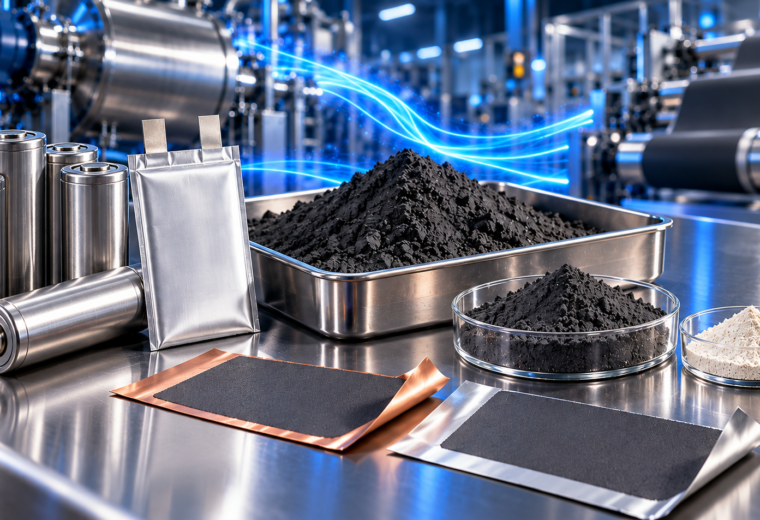
Cathode powders · Anode powders · Graphite · Conductive additives · Inerted processing · Moisture control · Pressure impregnation · High-purity powders · Vacuum and pressure cycles
Explore industry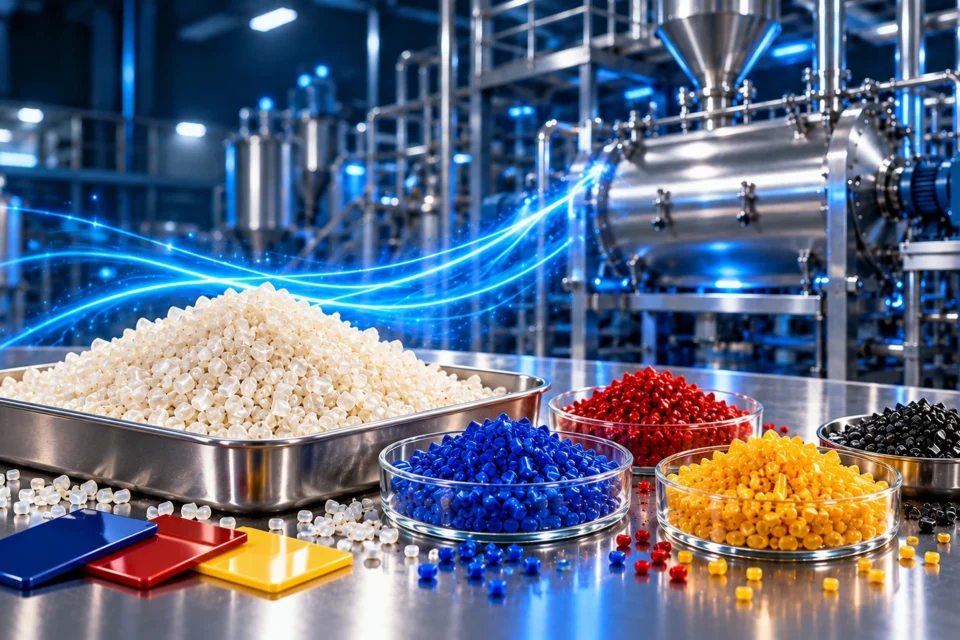
Resin powders · Reactive polymer systems · Solvent-wet materials · Additives · Controlled gas treatment · Moisture removal · Closed processing
Explore industry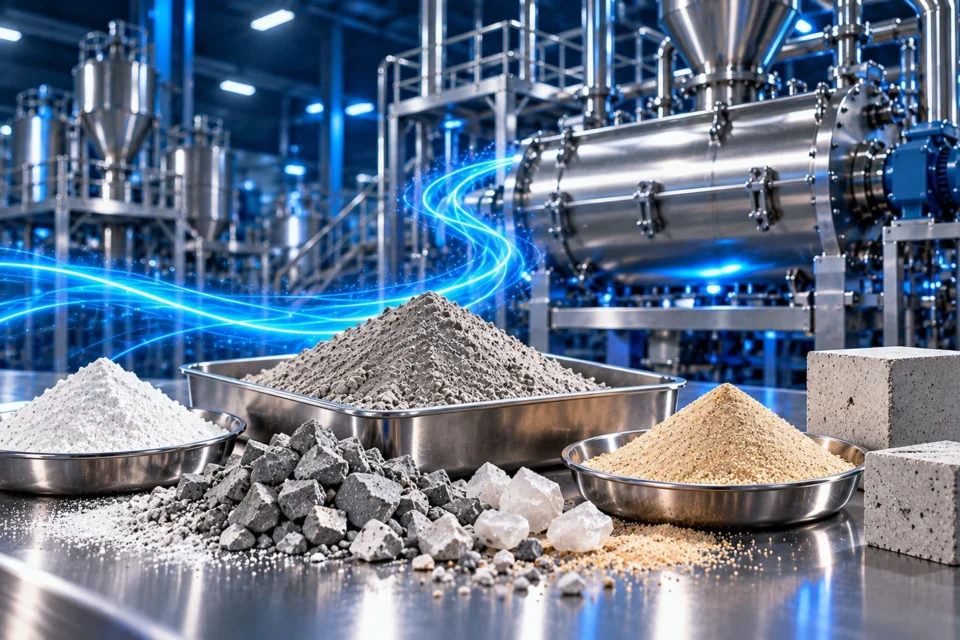
Porous minerals · Catalyst carriers · Ceramic materials · Pressure impregnation · Vacuum conditioning · High-purity powders · Coated particles
Explore industry
Vacuum and pressure processing · Volatile ingredients · Closed formulation · High-purity products · Reactive cosmetic intermediates · Specialty emulsions and dispersions
Explore industryWhy QuantumX
The pressure shell, agitator, shaft seal, jacket, discharge and supports are evaluated as one system.
Ribbon, paddle, plough, conical, double cone, planetary and multi-shaft systems can be evaluated according to the product.
Systems can be engineered around defined vacuum, pressure and combined operating cycles.
Charging, gas addition, sampling, venting and discharge can be integrated into a controlled system.
Jackets, thermal skids, condensers, receivers and vacuum equipment can be designed around the process duty.
Potential construction options include stainless steels, Hastelloy, nickel alloys, titanium, ceramic liners and wear-resistant systems.
ASME, PED, National Board registration, ATEX and other requirements can be incorporated when defined by the project.
Pressure, vacuum, temperature, gas, oxygen, torque and safety functions can be integrated into the control system.
QuantumX can coordinate feeding, weighing, liquid dosing, gas addition, vacuum, condensation, thermal control, filtration, contained discharge, packaging, controls and documentation.
PRESSURE & PROCESS APPLICATION REVIEW
Provide:
Upload approved process data sheets, material and safety data, pressure and temperature requirements, gas or solvent information, reaction data, relief-design basis, P&IDs, code specifications and facility drawings. Confirm an approved confidential communication channel before submitting proprietary formulations or sensitive reaction information.
Frequently asked questions
A pressure-rated mixer is an agitated process vessel designed for a defined positive internal pressure, external pressure under vacuum, or combined pressure-and-vacuum operating envelope.
Not necessarily. Pressure-rated describes the mechanical duty. ASME describes a particular pressure-vessel code and certification basis.
No. Code requirements depend on pressure, volume, fluid, jurisdiction, customer specification and intended service. When ASME stamping is required, the system is engineered and supplied accordingly.
A vessel may be designed using ASME methods without being manufactured and certified under the ASME U-stamp process.
Yes, when the vessel and connected components are specifically designed for the complete positive-pressure and external-pressure envelope.
No. Vacuum creates an external-pressure buckling condition that requires separate mechanical evaluation.
Only when positive pressure is included in the approved design basis.
Yes, when the vessel, seals, jacket, closures and operating cycles are designed for both conditions.
Design pressure is the pressure basis used in the mechanical design according to the applicable code, process conditions and customer specification.
Maximum allowable working pressure is established by the completed vessel design and applicable code rules. It should not be treated as a generic catalog rating.
Yes. The process vessel and jacket are separate pressure boundaries and may have different pressures, temperatures, materials and code requirements.
Yes, when specified and technically appropriate, using the applicable authorized manufacturing, inspection and certification process.
Project-specific PED conformity can be evaluated for applicable European installations.
It can be specified where required and applicable to the selected ASME construction pathway.
Yes. Systems can include nitrogen regulation, purge sequencing, pressure control and oxygen monitoring where required.
Yes, for suitable processes, provided the complete discharge path and downstream receiver are rated and protected for the transfer condition.
Yes. Gas addition can be engineered for blanketing, gas-solid treatment, reaction or process conditioning.
Yes. Pressure-assisted liquid addition can be integrated with appropriate flow control, isolation and backflow protection.
Selected porous materials can be processed through vacuum and pressure stages to promote liquid penetration. Final performance depends on product structure and process testing.
Yes. Pressure-rated QuantumX mixers can integrate reaction, heating, cooling, vacuum, gas addition, liquid dosing and process controls.
The final relief philosophy should be developed from the process hazards, governing code and site requirements. QuantumX can provide and coordinate the required equipment connections.
Relief-device sizing requires credible process scenarios and relieving-rate calculations. This should be completed by qualified process-safety and relief specialists within the agreed project scope.
Yes. QuantumX can combine pressure-rated construction with a defined ATEX or hazardous-area basis. ATEX and pressure compliance remain separate requirements.
Yes. Sanitary construction, 316L stainless steel, defined finishes, sanitary seals, CIP and contained transfer can be incorporated where required.
Yes. Closed charging, high-integrity seals, contained sampling and contained discharge can be integrated.
Selected Hastelloy, nickel-alloy and titanium constructions can be evaluated based on corrosion, pressure code, temperature, fabrication and process requirements.
Yes, for suitable applications. The underlying pressure shell remains the pressure boundary, and the liner must be incorporated into the original clearance, thermal and inspection design.
Yes. Jacketed and thermal-process systems can be engineered around the required pressure, temperature and heat-transfer duty.
Yes, subject to review of vapor load, material compatibility, sealing, condenser duty, inerting, hazardous-area requirements and environmental controls.
An engineered quick-opening closure may be evaluated, but it requires project-specific pressure, code and safe-opening safeguards.
Documentation can include calculations, drawings, P&IDs, material certificates, welding and inspection records, test records, controls documentation, manuals, FAT and code documentation according to the agreed scope.
Yes. FAT can include mechanical, control, vacuum, pressure, thermal, inerting, valve, interlock and other agreed functional tests.
Provide the product, batch size, operating and design pressure, full-vacuum requirement, temperature, jacket conditions, gas and solvent data, materials, agitation duty, code requirements, hazardous-area basis, discharge method and documentation requirements.
QuantumX pressure-rated mixers
Request engineering support
Share your material and batch requirements. A PerMix engineer will review the application and recommend a mixer.