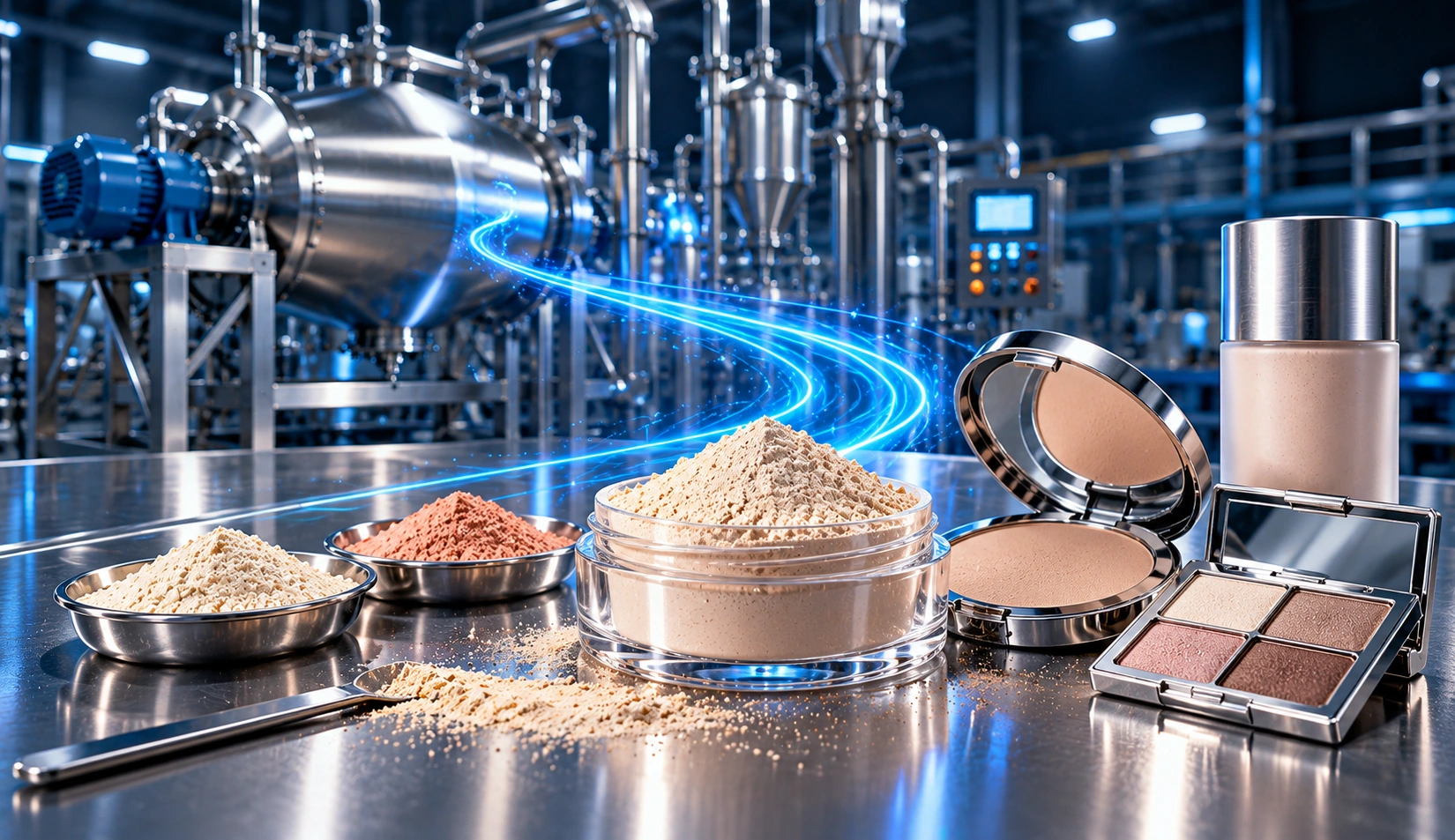
Cosmetic powders, pressed compacts, eye shadow palette and foundation on a stainless steel table in front of sanitary process vessels

Cosmetics & Personal Care Mixing Systems

Mixing Equipment Engineered for Color, Texture, Purity and Product Consistency

Cosmetic and personal-care manufacturing requires precise control over appearance, feel, dispersion, temperature, aeration and product-contact conditions.

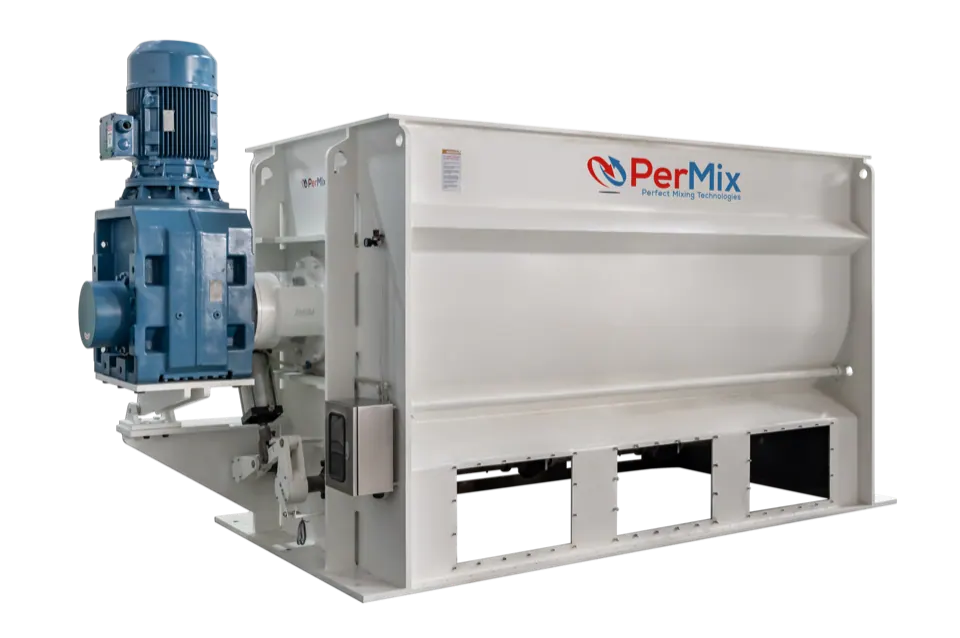
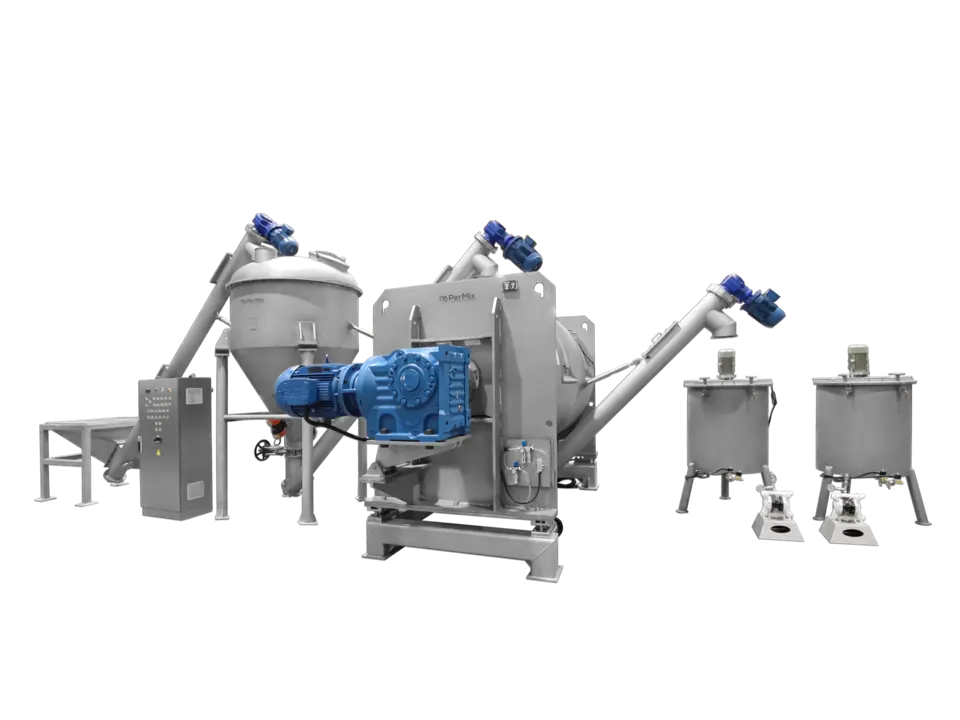
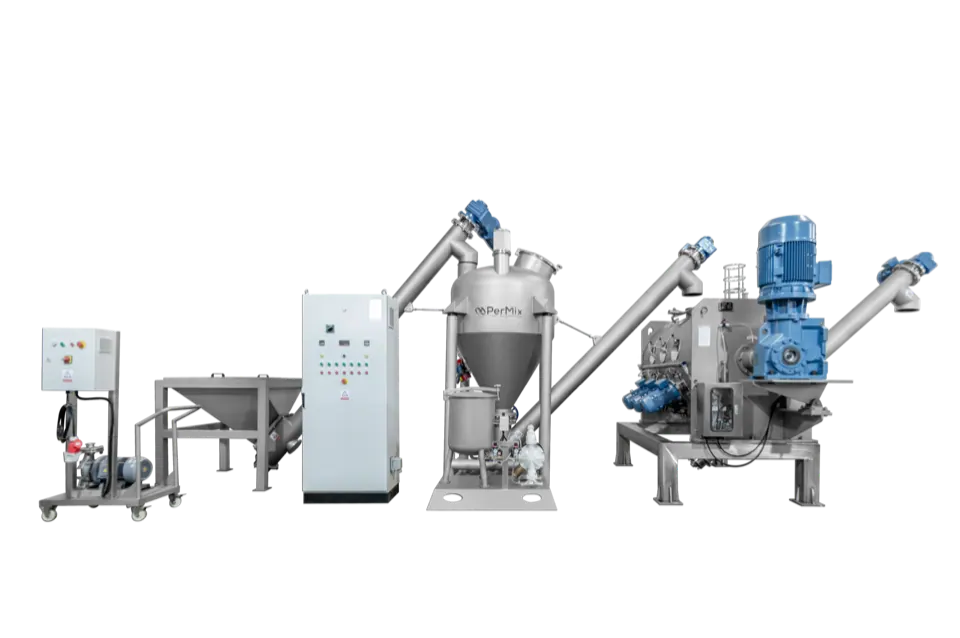
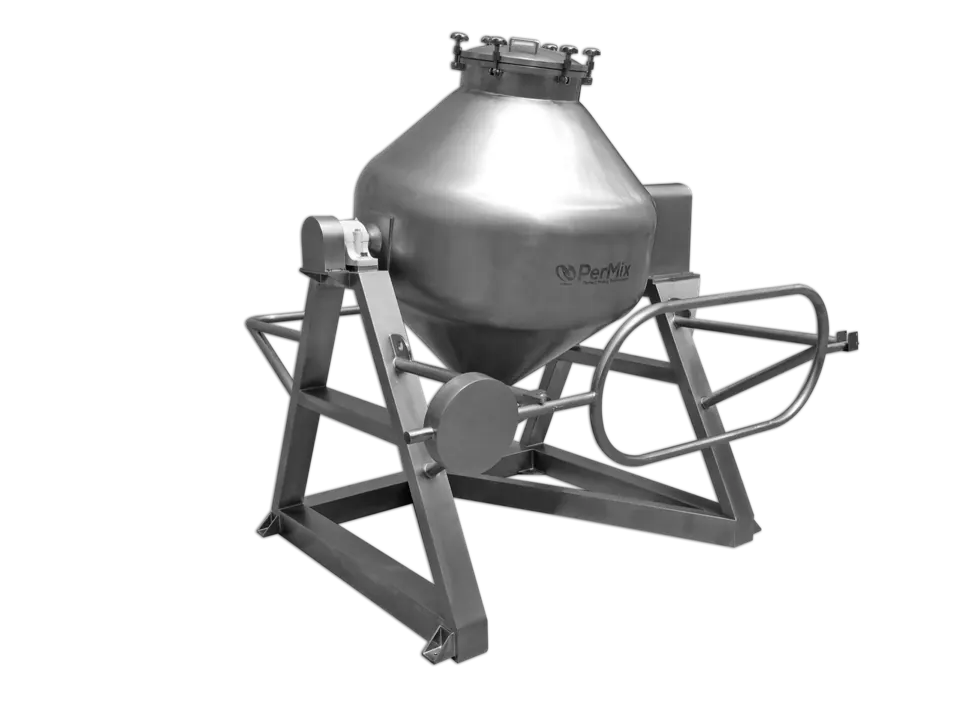
PerMix engineers ribbon, paddle, ploughshare and double cone mixers for dry cosmetic powders, pigments, minerals, functional ingredients and selected damp formulations.

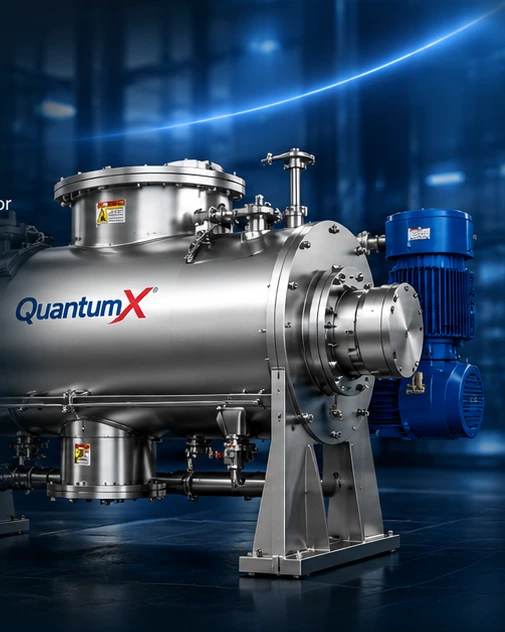
When the process requires vacuum, pressure, advanced thermal control, inerting, containment or specialty materials of construction, the application moves into QuantumX.

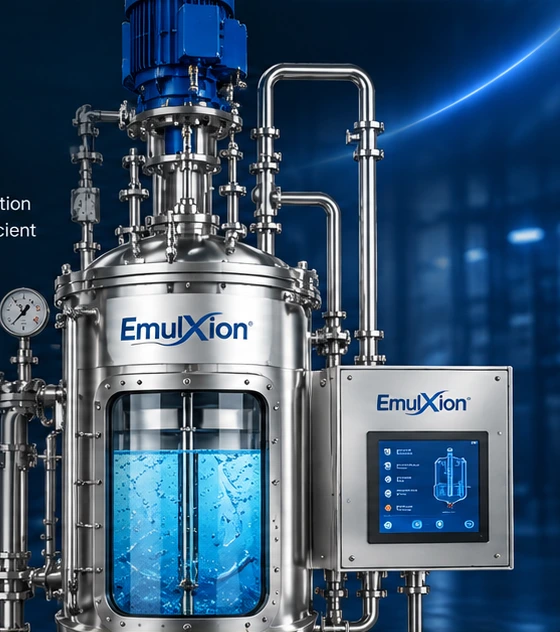
When the product is a cream, lotion, gel, suspension, serum, shampoo, emulsion or other liquid formulation, the application moves into EmulXion.

Submit Your Formulation and Batch Requirements

  • 01Powder and liquid cosmetic-processing pathways
  • 02Controlled color and minor-ingredient distribution
  • 03Sanitary and high-purity construction
  • 04Vacuum and thermal processing through QuantumX
  • 05High-shear and emulsification systems through EmulXion
  • 06Flexible pilot and production-scale configurations

Cosmetic Manufacturing Is More Than Blending Ingredients

  1. 01Powder

    A loose mineral powder does not behave like a pressed-powder premix.

  2. 02Color

    A color cosmetic containing pigments, mica and binders does not behave like dry shampoo, bath powder or a powdered skin-care formulation.

  3. 03Liquid

    A lotion does not require the same process as a high-viscosity cream, gel, serum or color dispersion.

PerMix evaluates:

  1. Batch mass
  2. Bulk density
  3. Particle size and morphology
  4. Pigment concentration
  5. Color uniformity
  6. Cohesiveness
  7. Electrostatic behavior
  8. Oil or binder content
  9. Liquid-addition percentage
  10. Product fragility
  11. Abrasion
  12. Metallic-contamination limits
  13. Temperature sensitivity
  14. Required texture
  15. Cleaning and changeover
  16. Vacuum or pressure
  17. Aeration and deaeration
  18. Downstream pressing, filling or packaging

The objective is not merely to combine ingredients.

The objective is to create a repeatable product with the required color, texture, appearance, stability and sensory performance.

Three Processing Platforms

Dry blending

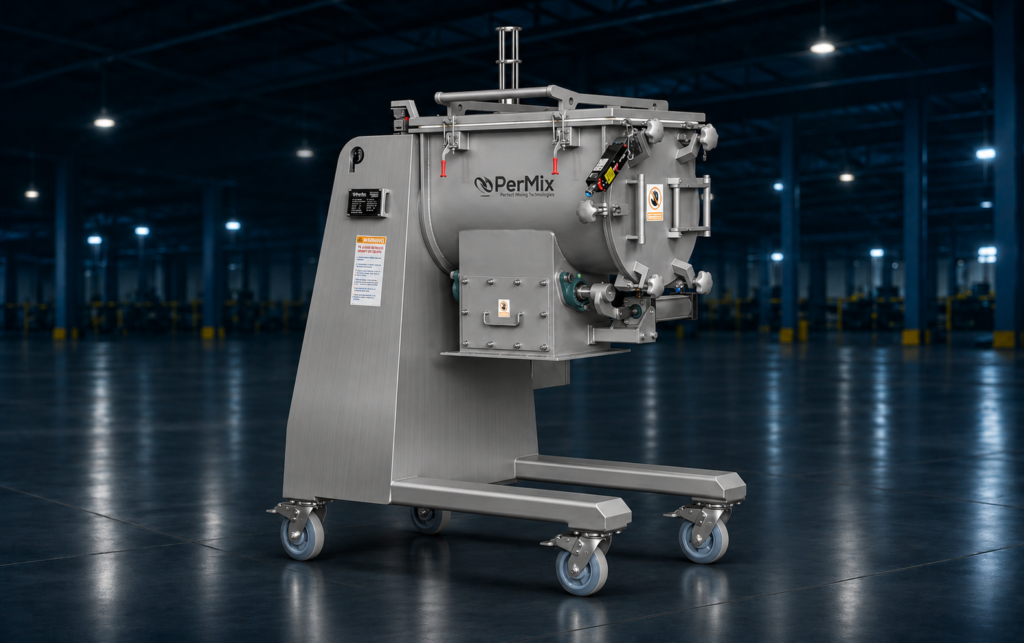
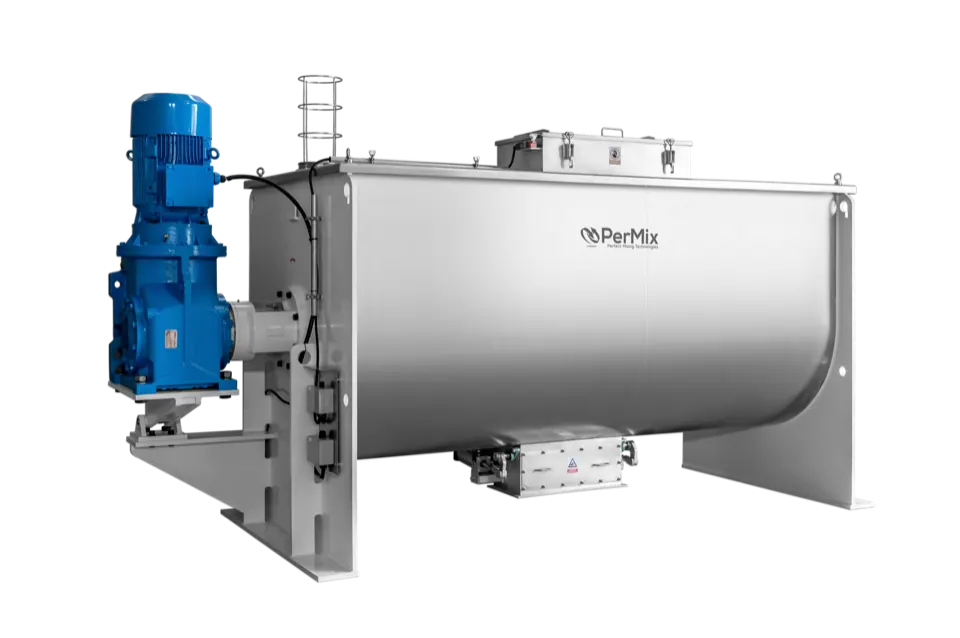
PerMix Ribbon Mixer

PerMix Standard Mixers

For atmospheric processing of dry cosmetic powders, granules and selected damp products:

Ribbon MixersPaddle MixersPloughshare MixersDouble Cone Mixers

Standard systems can include:
  • 304 or 316L stainless-steel product-contact construction
  • Sanitary fabrication
  • Defined internal surface finish
  • Controlled oil or binder addition
  • Choppers or intensifiers
  • Load cells
  • PLC/HMI controls
  • Low-pressure, non-ASME heating and cooling jackets
  • Integration with milling, screening, pressing and packaging

Specialty

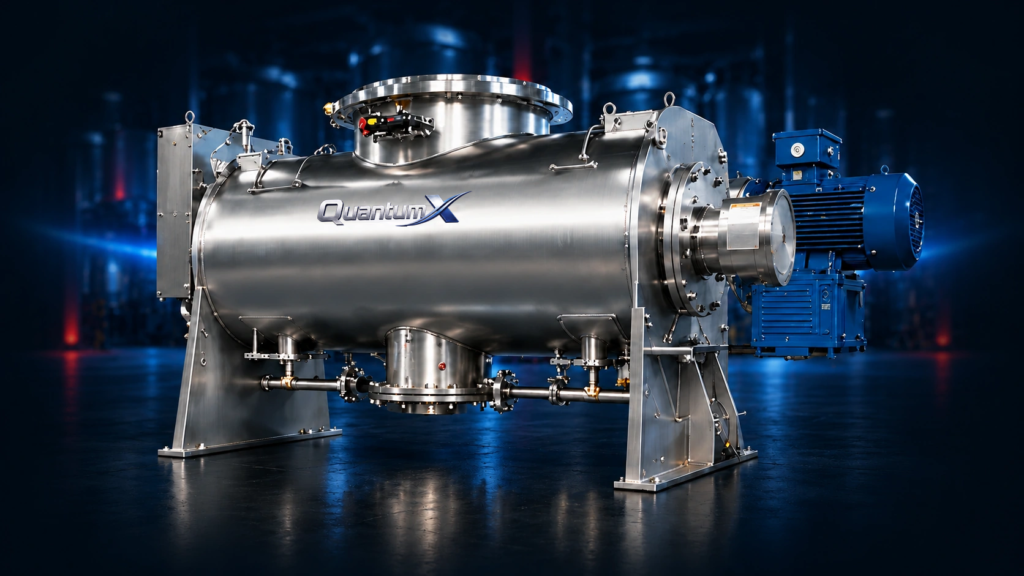
QuantumX stainless steel industrial mixer with blue drive motor

QuantumX Specialty Systems

For applications requiring:

Vacuum mixingVacuum dryingPositive internal pressureASME or PED constructionATEX or hazardous-area executionNitrogen inertingHigh containmentAdvanced heating and coolingSolvent or volatile-component handlingSpecialty metallurgyClosed charging and dischargeValidated process controls

Liquids

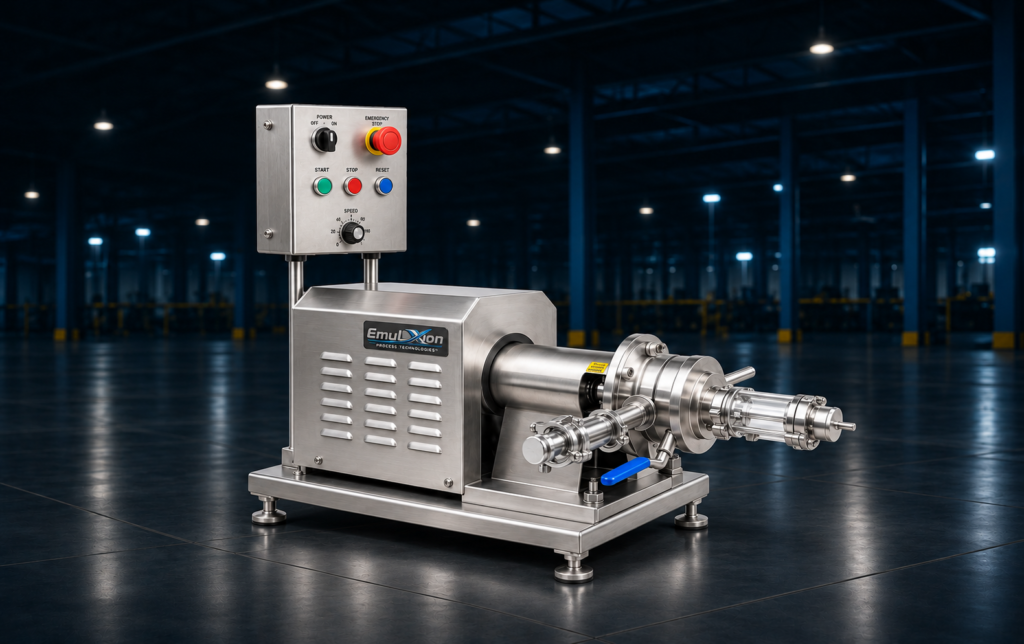
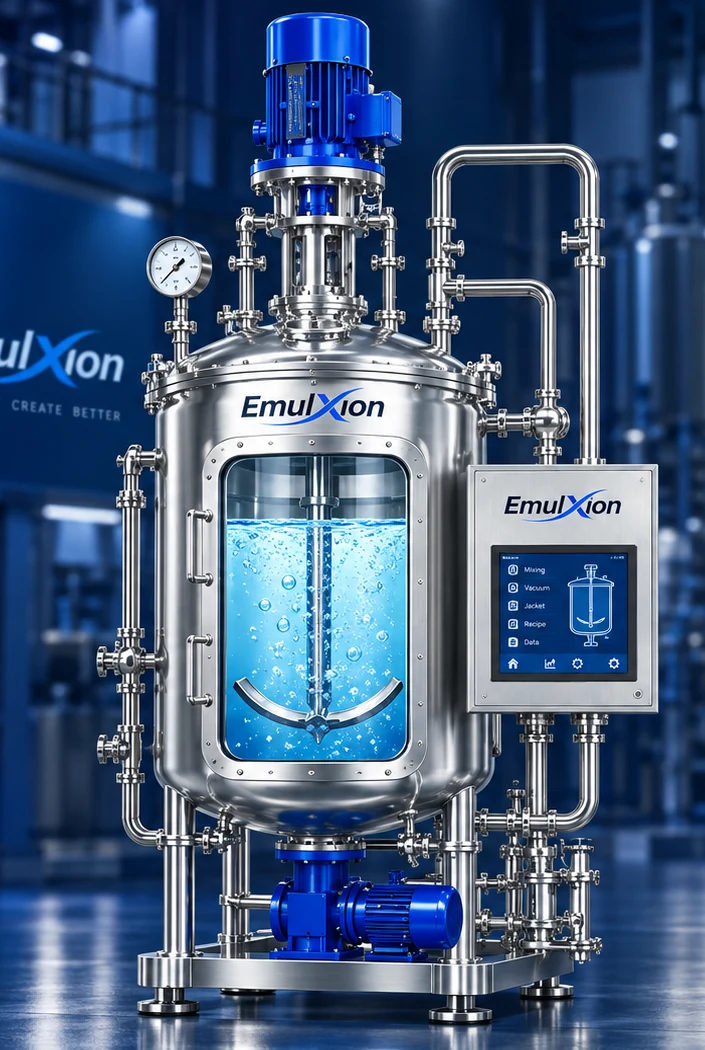
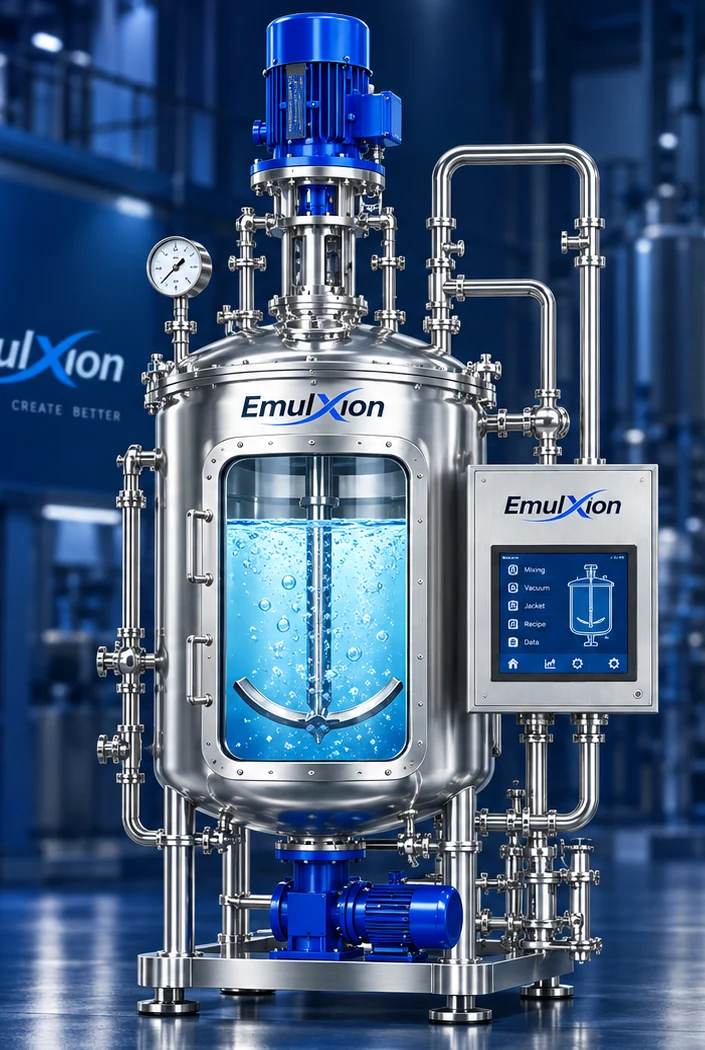
EmulXion stainless steel inline high shear mixer with control panel in an industrial plant

EmulXion Liquid Processing

For:

CreamsLotionsGelsSerumsShampoosConditionersBody washesSunscreen formulationsColor dispersionsEmulsionsSuspensionsFragrance systemsLiquid concentrates

Mixer Selection

Selecting the Right Cosmetic Mixer

PlatformMixing characterStrongest applicationsKey engineering questions
Ribbon Mixer Controlled axial and radial circulationFace powders, dry shampoos, bath powders, mineral blends and general dry formulationsRibbon width, pitch, color distribution, fill level and liquid addition
Paddle Mixer Gentle lifting and foldingFragile pearls, coated particles, mica, flakes and variable-density ingredientsPaddle area, angle, particle integrity and complete discharge
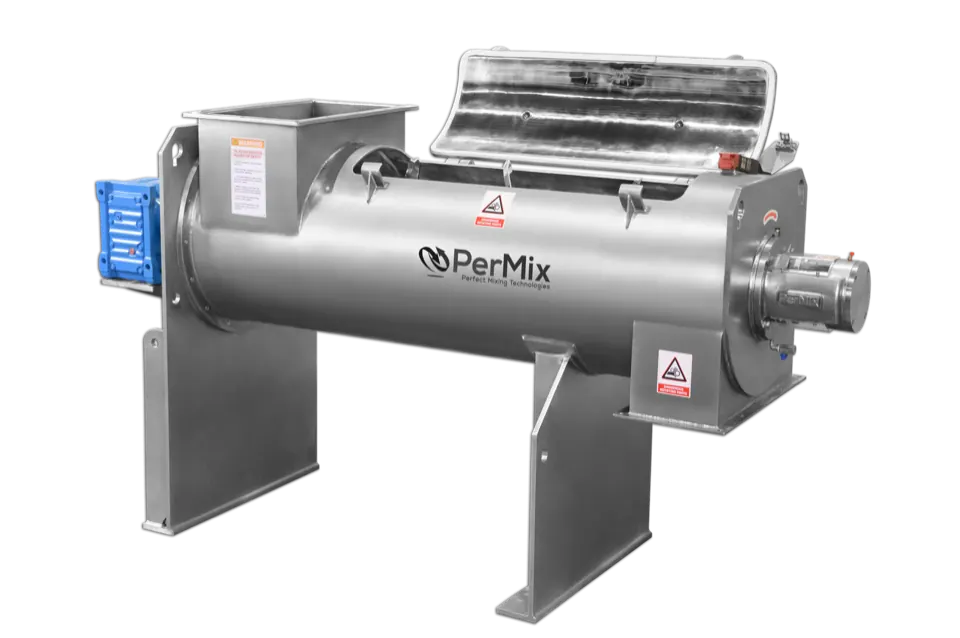
Ploughshare Mixer Mechanical fluidizationCohesive pigments, binder addition, intensive color distribution, wetting and deagglomerationPlough profile, choppers, tip speed, heat generation and liquid addition
Double Cone Mixer Gentle tumble blendingFree-flowing mineral powders, delicate particles and low-shear high-value batchesFill level, flowability, color uniformity and segregation
QuantumX Application-specificVacuum, containment, solvent handling, drying and advanced thermal dutyVacuum, pressure, temperature, volatility and containment
EmulXion Agitation, high shear, homogenization and deaerationCreams, lotions, emulsions, gels, suspensions and liquid color systemsViscosity, droplet size, powder wet-out, temperature and air removal

Not sure which row fits? Tell us the material, the batch and what the current process must improve — we will narrow it down.

Use the Mixer Selection Engine

01Color

Color Uniformity

Pigments and colorants may be used at low concentrations and can differ substantially from the base formulation in particle size, density and surface behavior.

Uniform color depends on:

Ingredient loading sequencePigment preblendingAgglomerate controlMixer fillAgitator geometryMixing intensityBinder or oil additionSampling methodDischarge and downstream transfer

Longer mixing does not automatically correct poor pigment distribution.

02Cohesion

Fine-Powder Cohesion and Static

Talc, mica, titanium dioxide, zinc oxide, pigments and other fine materials may:

BridgeForm soft agglomeratesAdhere to vessel wallsBecome electrostatically chargedCreate airborne dustResist complete discharge

The mixer and material-handling system must be selected together.

03Liquids

Oil, Binder and Fragrance Addition

Dry cosmetic powders may require controlled addition of:

OilsEstersSilicone fluidsFragrancesBindersPreservative solutionsFunctional liquids

Successful addition depends on liquid viscosity, spray quality, powder circulation, addition rate and final flowability.

04Integrity

Particle Integrity

Decorative particles, pearls, mica platelets, encapsulated ingredients and coated materials may require gentle handling.

Paddle or double cone mixing may be preferred where product appearance and particle integrity are critical.

Paddle MixerDouble Cone Mixer

05Texture

Texture and Sensory Performance

For creams, lotions and gels, the process can affect:

ViscosityYield stressSlipSpreadabilityGlossAppearanceDroplet sizeAir contentStability

These applications generally belong under EmulXion.

EmulXion

06Air

Air Entrapment

High-shear processing and powder incorporation can introduce air.

EmulXion vacuum systems can support:

DeaerationReduced foamingImproved fillingMore consistent densityImproved product appearanceBetter packaging accuracy

EmulXion

Cosmetics Regulation and Equipment Positioning

The Modernization of Cosmetics Regulation Act expanded FDA authority over cosmetics. Subject to applicable exemptions, manufacturers and processors may be required to register facilities and renew registration every two years, while responsible persons must list marketed cosmetic products and update listings annually. Responsible persons must also maintain records supporting adequate safety substantiation. FDA registration or listing does not represent FDA approval of a facility or product.

MoCRA

MoCRA also requires FDA to establish cosmetic good-manufacturing-practice regulations. Equipment should therefore be designed to support the manufacturer’s current quality, sanitation and documentation program, while the regulatory team confirms the latest applicable requirements.

For products containing color additives, the manufacturer must confirm that each color additive is permitted for its intended cosmetic use and whether batch certification is required.

Sanitary and Cleanable Design

The cleaning method should be defined before the final mixer design.

Options can include:

  • 304, 316 or 316L stainless steel
  • Defined internal surface finish
  • Ground and polished welds
  • Electropolishing
  • Passivation
  • Large access doors
  • Reduced internal ledges
  • Sanitary connections
  • Flush discharge valves
  • Accessible seals
  • Removable spray devices
  • Wash-in-place provisions
  • Clean-in-place concepts
  • Drainable geometry
  • Batch and recipe traceability

Materials of Construction

Potential options include:

  1. 304 stainless steel
  2. 316 and 316L stainless steel
  3. Duplex or specialty stainless grades
  4. Hastelloy and nickel alloys
  5. Titanium
  6. Ceramic-lined surfaces
  7. Glass-lined systems
  8. Nonmetallic liners
  9. Application-specific coatings

Construction selection should account for:

  • Cosmetic purity
  • Corrosion
  • Pigment staining
  • Cleaning chemistry
  • Abrasion
  • Metallic contamination
  • Temperature
  • Vacuum or pressure
  • Lifecycle maintenance

Cosmetic and Personal-Care Application Segments

Segment 01 / 05PerMix ploughshare mixer with open cover

Color Cosmetics

Face powdersBlushBronzerEye shadowFoundation powdersMineral cosmeticsPigment premixes

Likely pathways:

  1. 01Ribbon MixerPerMix
  2. 02Paddle MixerPerMix
  3. 03Ploughshare MixerPerMix
  4. 04Double Cone MixerPerMix
  5. 05EmulXion for liquid color systemsEmulXion

Why Cosmetics Manufacturers Choose PerMix

  • 01

    Separate dry-powder and liquid-processing pathways

  • 02

    Mixer selection based on material behavior

  • 03

    Controlled pigment and minor-ingredient distribution

  • 04

    Sanitary and contamination-conscious fabrication

  • 05

    Vacuum and specialty systems through QuantumX

  • 06

    High-shear and emulsification expertise through EmulXion

  • 07

    Pilot-to-production flexibility

  • 08

    Integration with milling, screening, pressing, filling and packaging

  • 09

    Project-specific documentation and FAT

  • 10

    Lifecycle support

Cosmetic & Personal-Care Application Review

Tell Us What the Product Must Look and Feel Like

Provide:

  1. Product type
  2. Batch mass or volume
  3. Powder or liquid formulation
  4. Bulk density or viscosity
  5. Particle size
  6. Pigment concentration
  7. Fragile ingredients
  8. Oil or binder addition
  9. Required texture
  10. Temperature limits
  11. Vacuum requirement
  12. Sanitary finish
  13. Cleaning method
  14. Metallic-contamination limits
  15. Loading and discharge
  16. Filling or pressing method
  17. Desired cycle time
  18. Available utilities

Contact

john.paul@procxinc.com

Request a Cosmetic Mixer Recommendation

FAQ

Frequently Asked Questions

Got more questions?Ask an engineer

What mixer is best for cosmetic powders?

Ribbon mixers suit many general dry blends, paddles protect fragile particles, plough mixers support intensive pigment dispersion or binder addition, and double cone mixers provide gentle tumble blending.

Can PerMix mix mica and mineral pigments?

Yes. Particle shape, fragility, pigment concentration, metallic-contamination limits and color-uniformity requirements must be evaluated.

Can oils and fragrances be added to powders?

Yes. Spray quality, viscosity, addition rate and powder circulation must be engineered to prevent localized wetting.

Does PerMix make cream and lotion mixers?

Liquid cosmetic processing is handled through EmulXion, including vacuum emulsifying systems, high-shear mixers and homogenizers.

Can the equipment operate under vacuum?

Yes. Vacuum dry-powder or specialty systems move into QuantumX; liquid vacuum emulsification and deaeration move into EmulXion.

Can PerMix supply sanitary construction?

Yes. Options can include 316L stainless steel, polished welds, sanitary connections, cleanable seals and wash-in-place or CIP provisions.

Can the mixer reduce air in creams and gels?

EmulXion vacuum-processing systems can support deaeration and reduced foaming.

Can PerMix process high-viscosity cosmetics?

Yes. EmulXion and QuantumX can provide multi-shaft, planetary, sweep and specialty systems for appropriate high-viscosity formulations.

From color uniformity to final product texture

Engineer the Mixer Around the Cosmetic Product—not a Generic Vessel Size

Whether the application requires a dry PerMix powder mixer, a QuantumX vacuum or specialty system, or an EmulXion liquid-processing line, the project begins with the formulation and required product result.

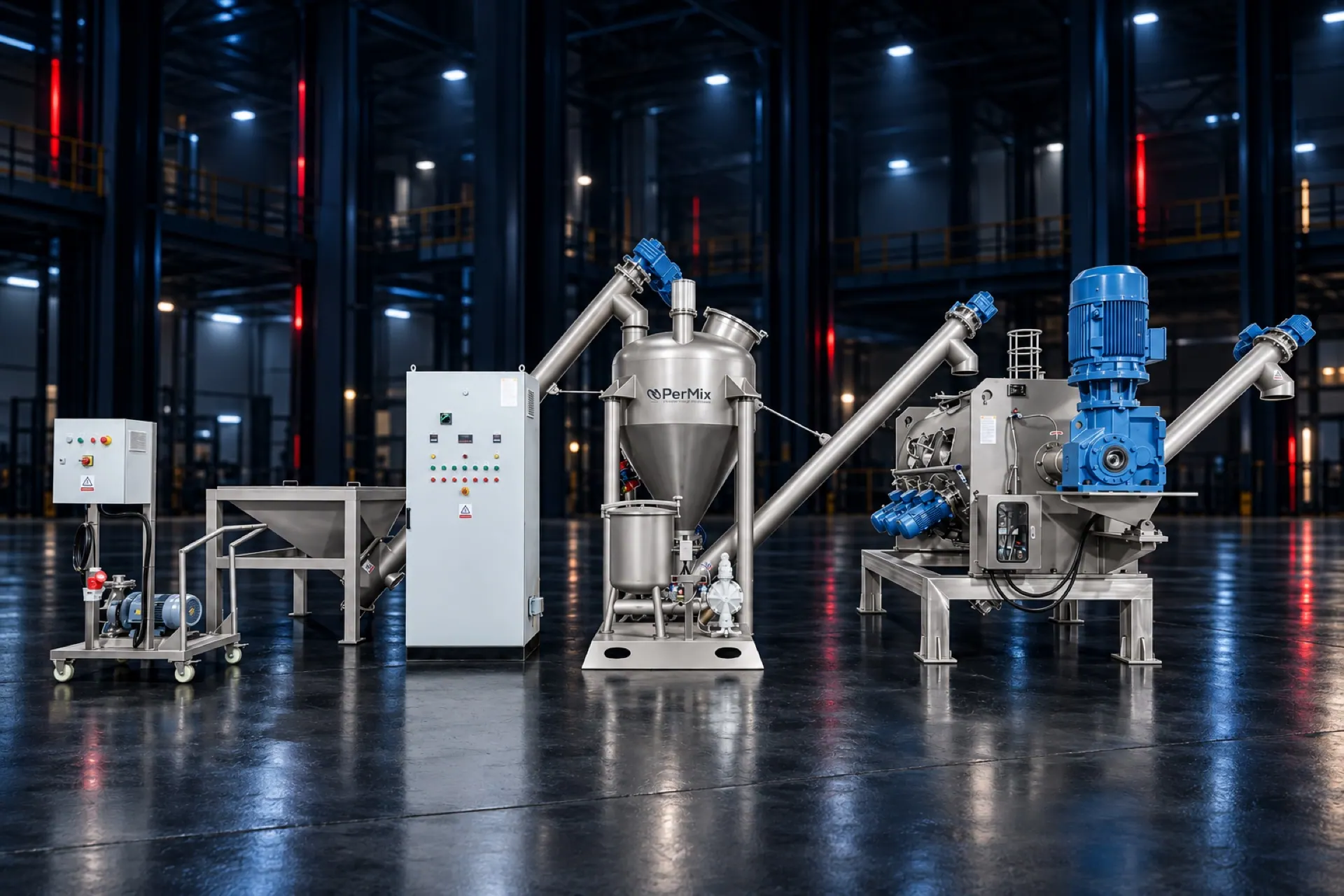
PerMix stainless steel ploughshare mixer in an industrial facility