
Author: web-admin
 Uncategorized
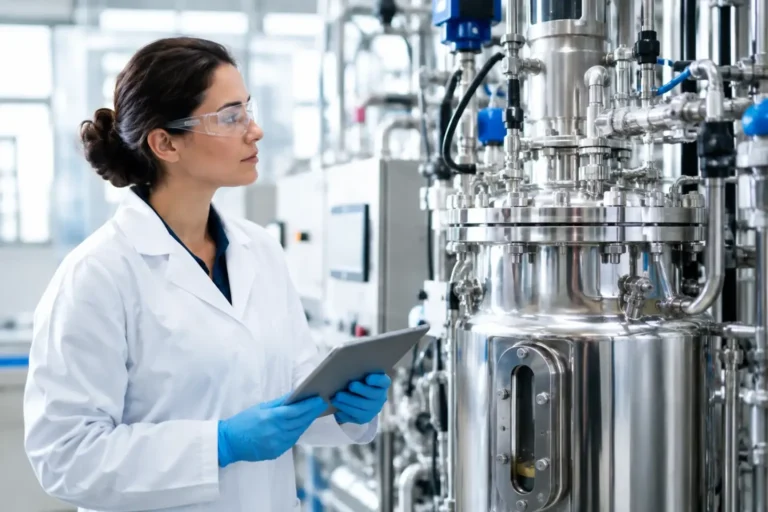
How to Improve Reactor Yield Without Sacrificing Control
Improve reactor yield by controlling mixing, heat transfer, feed addition, residence time, and scale-up variables that determine conversion and selectivity. A reactor can show…
 Uncategorized
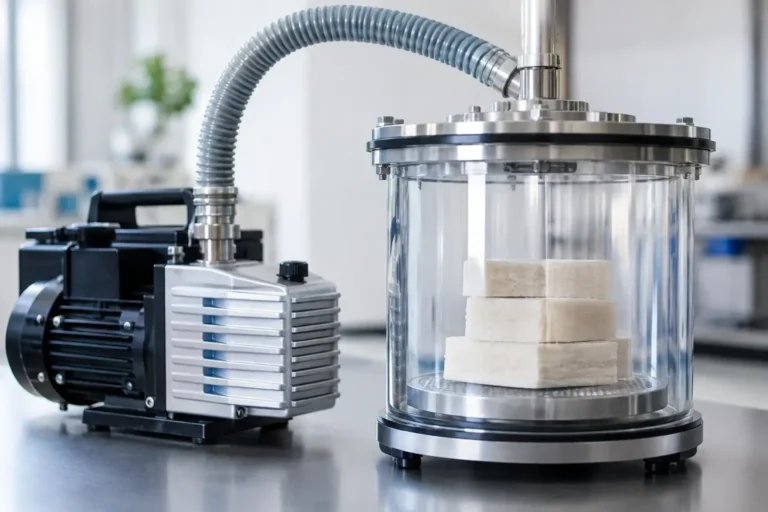
Can Vacuum Remove Entrained Air From Products?
Can vacuum remove entrained air? Learn when vacuum deaeration works, what limits removal, and how engineered mixing systems protect product quality daily. A batch…
 Uncategorized
Chemical Blending Optimization That Improves Output
Chemical blending optimization improves uniformity, cycle time, yield, and control when equipment, feed strategy, and validation align on the plant floor A chemical blend…
 Uncategorized
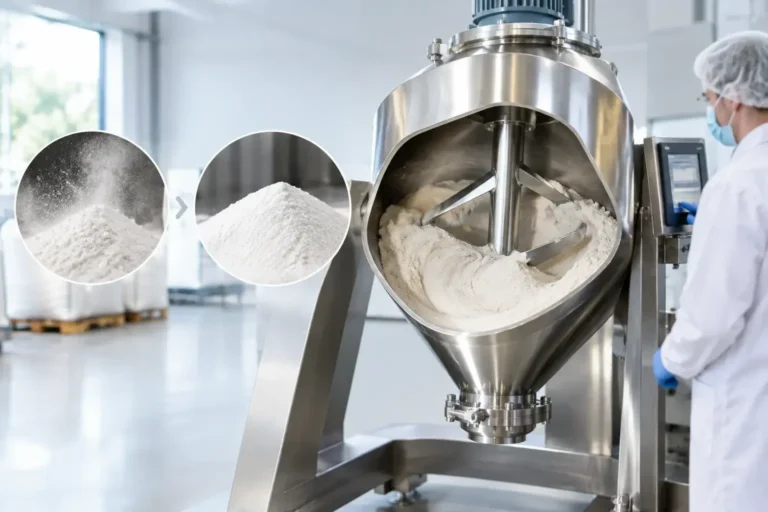
Which Mixer Reduces Dust in Powder Processing?
Which mixer reduces dust in powder processing? Compare vacuum, enclosed, and low-shear mixer designs with practical engineering selection key criteria. Dust is often created…
 Uncategorized
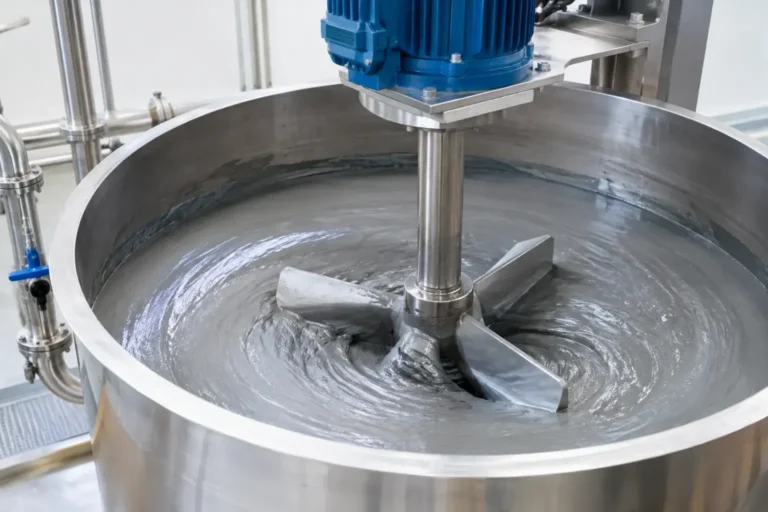
How to Optimize Slurry Mixing for Better Output
Learn how to optimize slurry mixing with rheology, solids loading, mixer selection, feed control, and testing for consistent, scalable production results. A slurry that…
 Uncategorized
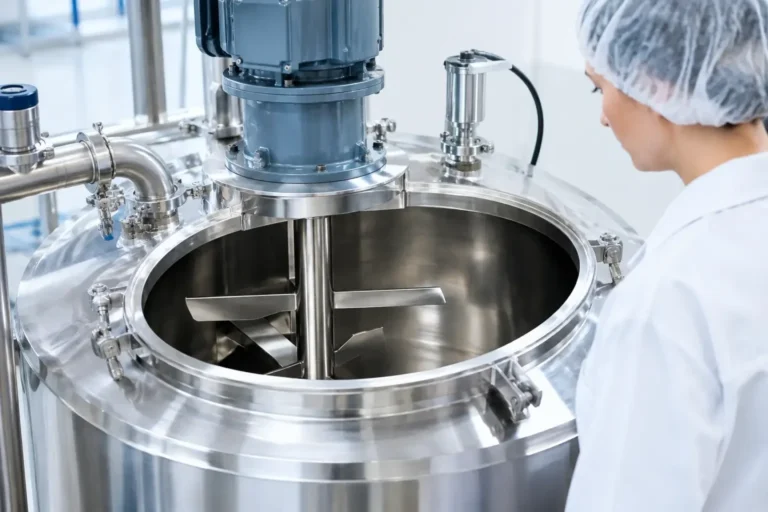
Sanitary Mixer Design Guide for Reliable Processing
This sanitary mixer design guide explains how hygienic geometry, cleanability, materials, seals, and controls protect quality and throughput at scale. A sanitary mixer is…
 Uncategorized
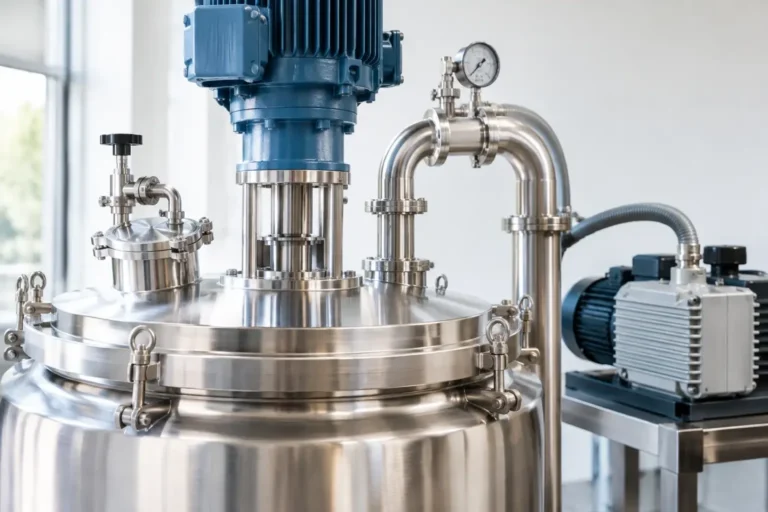
Why Mixers Need Vacuum in Demanding Processes
Learn why mixers need vacuum for deaeration, moisture control, faster drying, and repeatable quality in demanding industrial batch processes at scale. A batch can…
 Uncategorized
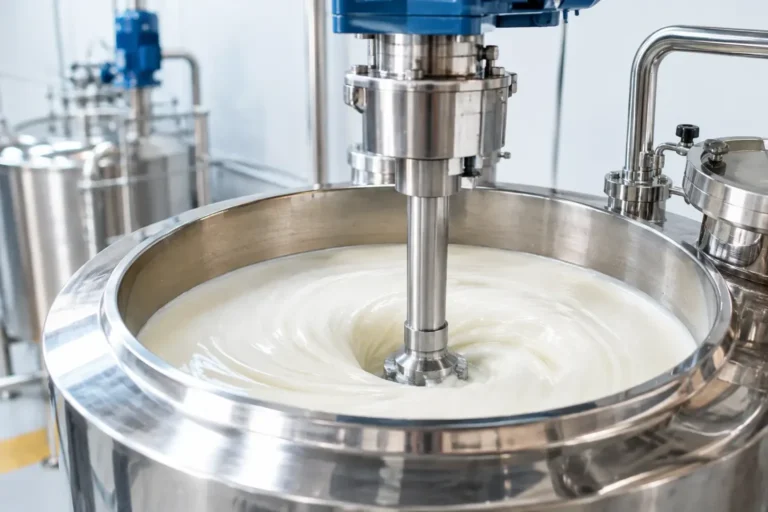
Emulsification Process Guide for Industrial Batches
Use this emulsification process guide to control droplet size, stability, heat, shear, and scale-up for repeatable industrial batch production results. A stable emulsion is…
 Uncategorized
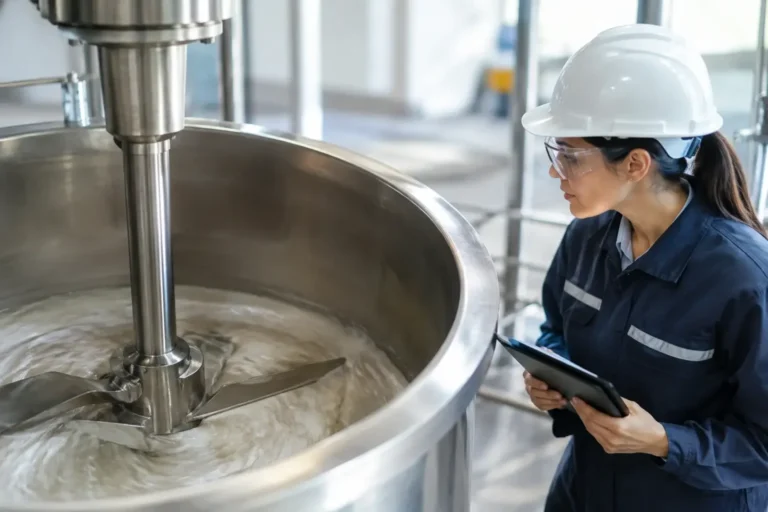
Mixer Dead Zones: Causes, Costs, and Solutions
Mixer dead zones reduce blend uniformity, slow cycles, and raise cleaning risk. Learn how material flow, geometry, and validation reveal and correct them. A…
 Uncategorized
Process Intensification for Higher Throughput
Process intensification improves throughput, quality, and efficiency by integrating mixing, heat transfer, vacuum, and automation around the material flow. A production line can appear…