
Blog
 Uncategorized
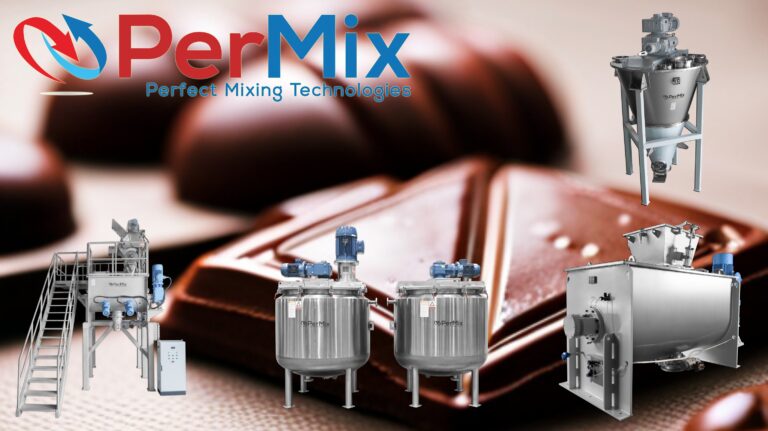
What Enriched Chocolate Is And The Mixers Used In Adding In The Ingredients
Chocolate is primarily made from cocoa beans, sugar, and fat. The process involves harvesting and fermenting cocoa beans, roasting them, and then grinding them…
 Uncategorized
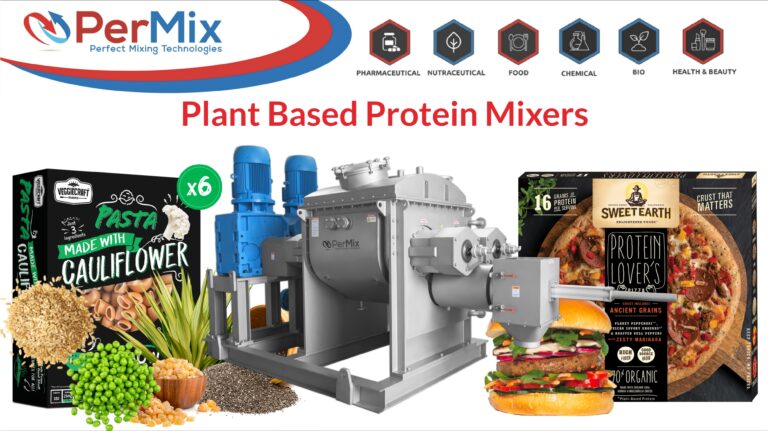
The Truth About Plant Based Proteins, The Amount Of Energy It Takes To Process Them, And The Issues With Lean Manufacturing Them
The truth about plant-based proteins involves various aspects, including their nutritional content, energy requirements for processing, and potential issues with lean manufacturing. Let’s break…
 Uncategorized
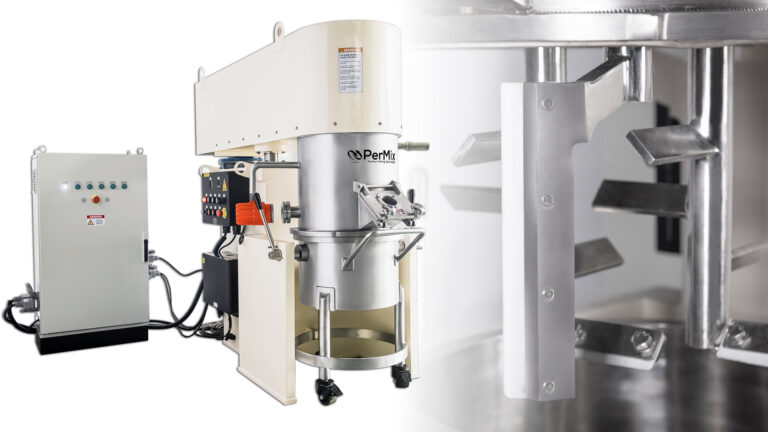
The Versatility Of Double Planetary Mixers, From Food to Pharmaceuticals, Chemicals to Cosmetics
Double planetary mixers are versatile and efficient mixing devices that find application across various industries, including food, pharmaceuticals, chemicals, and cosmetics. The design of…
 Uncategorized
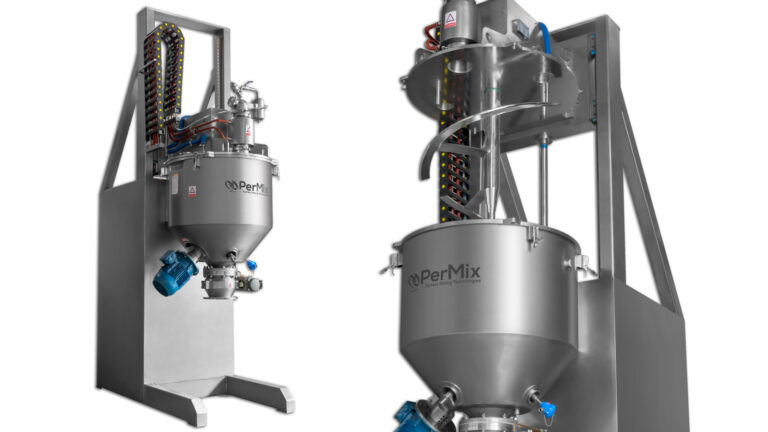
The Use Of Nitrogen Purging In Vacuum Mixers
Nitrogen purging is a process commonly used in various industries, including the manufacturing and processing of materials, pharmaceuticals, chemicals, and food. While vacuum mixers…
 Uncategorized
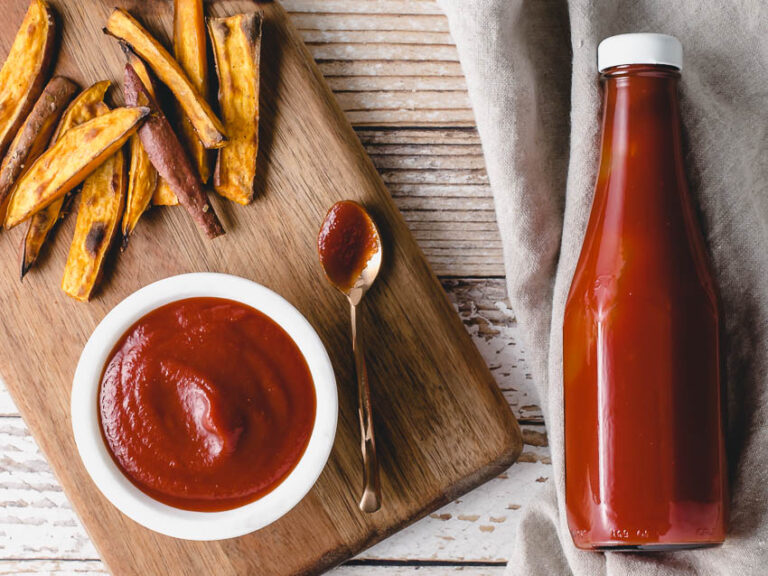
How To Produce Ketchup In An All-in-One PerMix Vacuum Emulsifier
Producing 200 liters of ketchup in PerMix’s all-in-one vacuum emulsifier is a large-scale operation, and you’ll need our industrial-grade equipment. Here’s a general guide…
 Uncategorized
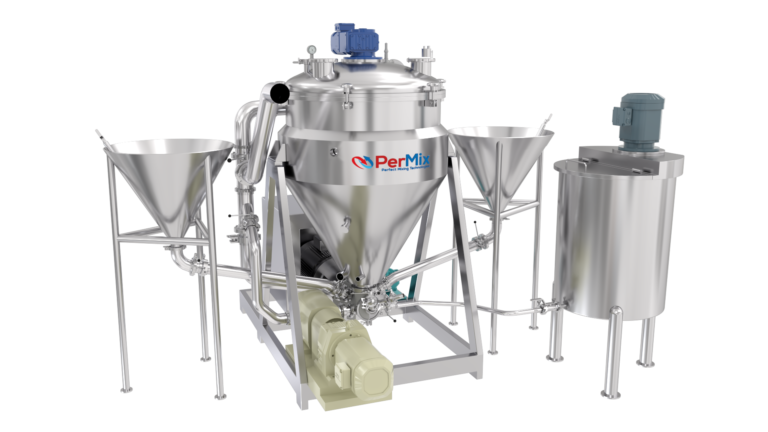
How Plant Based Milks Are Produced & The Various Types
Plant-based milks are non-dairy alternatives to traditional animal milk, and they are made from various plant sources. The production process for plant-based milks can…
 Uncategorized
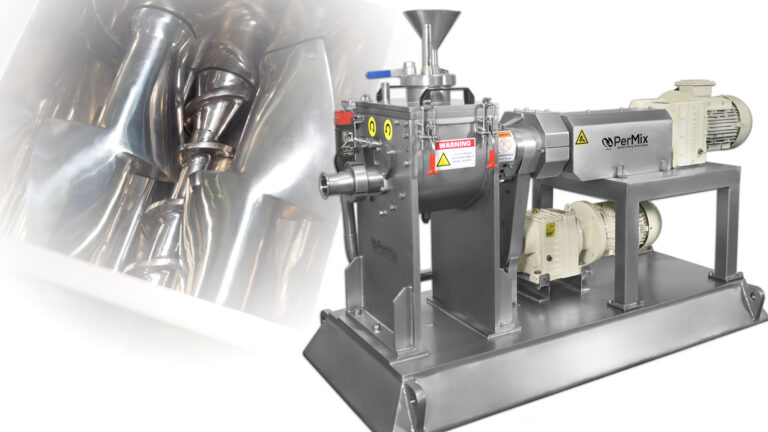
Industrial Mixers in Plastic Processing and Production
Exploring the Varied World of Industrial Mixers in Plastic Processing and Production Introduction: In the dynamic realm of plastic processing and production, industrial mixers…
 Uncategorized
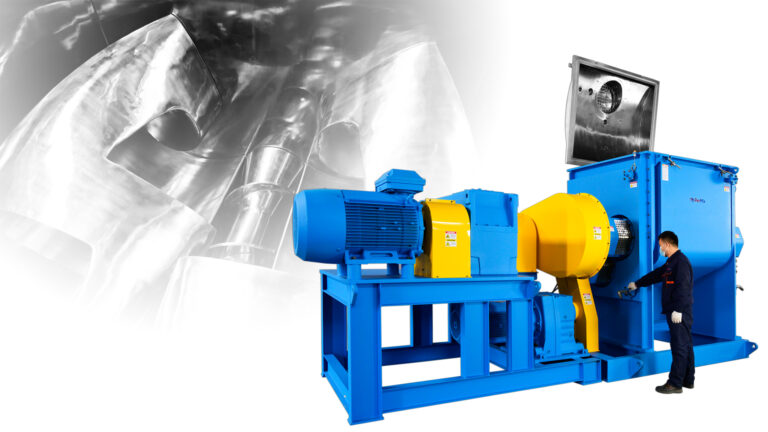
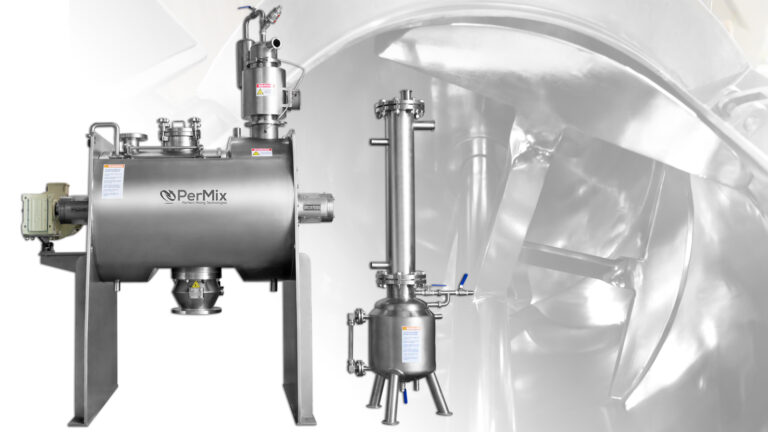
The Role of Sigma Mixers in Silicone and Adhesive Manufacturing
The Role of Sigma Mixers in Silicone and Adhesive Manufacturing Introduction: Silicones and adhesives are integral components in various industries, finding applications in sectors…
 Uncategorized
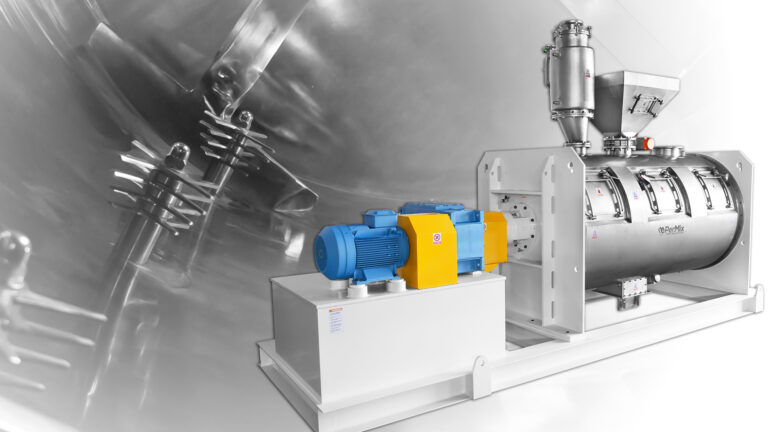
The Advantages of Adding Microwave Technology to Vacuum Drying & Mixing
Integrating microwave technology into vacuum drying and mixing processes can offer several advantages, enhancing efficiency and performance in various applications. Here are some potential…
 Uncategorized
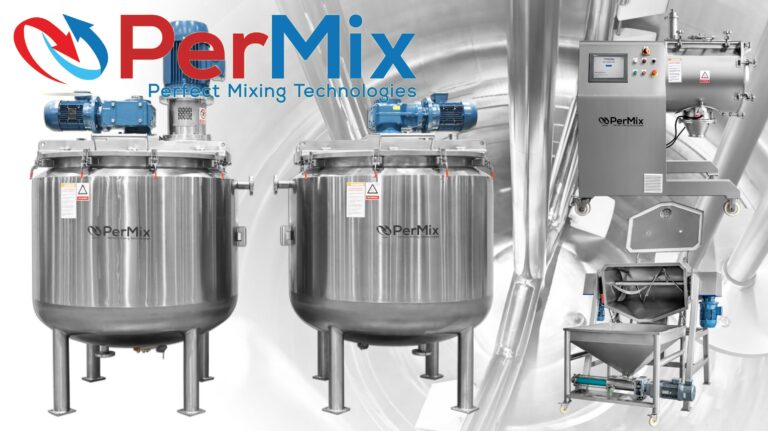
Mixing & Drying Seaweed, The Superfood Production Process Explained
Introduction: In recent years, seaweed has emerged as a nutritional powerhouse, earning the title of “superfood” due to its impressive health benefits. Beyond its…
 Uncategorized
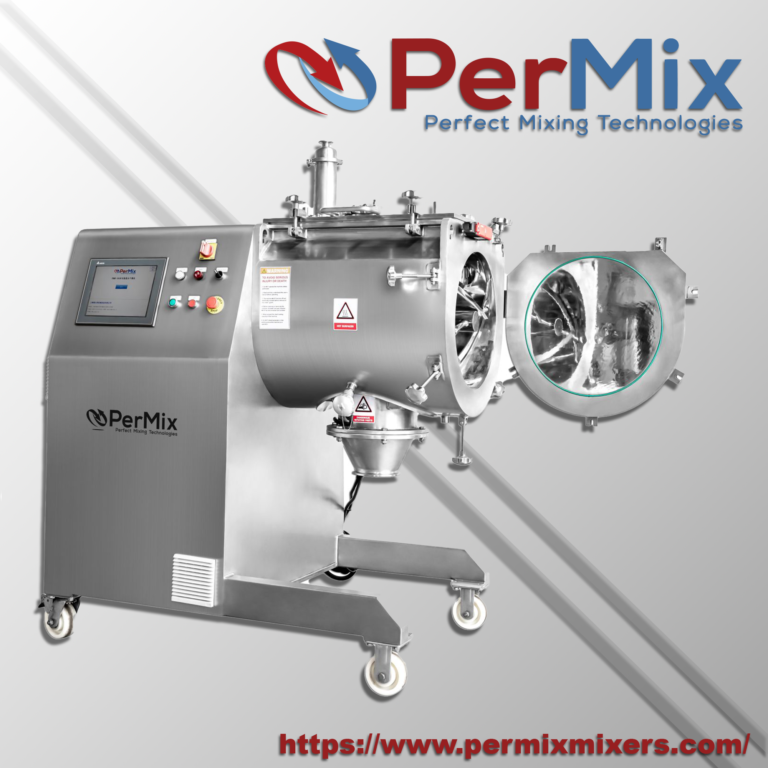
Enhancing Efficiency and Quality with Cook and Chill Applications
Enhancing Efficiency and Quality in the Food & Beverage Industry with Cook and Chill Applications Introduction: In the dynamic landscape of the food and…
 Uncategorized
What Is The Difference Between Heating With Steam And Steam Injection In Mixers?
What Is The Difference Between Heating With Steam And Steam Injection In Mixers? In this blog post, we will explore the difference between heating…
 Uncategorized
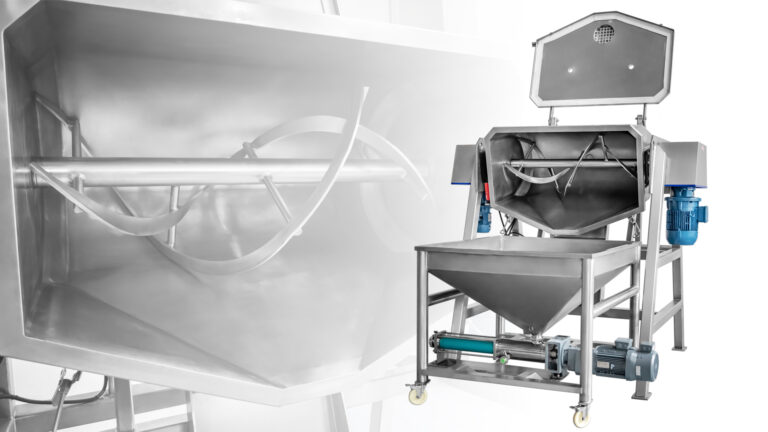
Tilting Discharge Mixers Decrease Batch Times & Improve Ease Of Cleaning
Tilting Discharge Mixers Decrease Batch Times And Reduce Residue While Ease Cleaning How Tilting Discharge Mixers Decrease Batch Times And Reduce Residue While Ease…
 Uncategorized
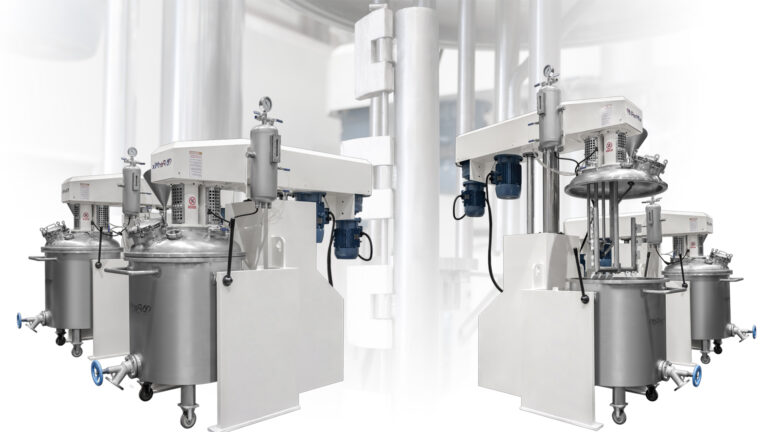
How Vertical High Shear Mixers Are Used In Manufacturing Explosives
How Vertical High Shear Mixers Are Used In Manufacturing Explosives In this blog, we will explore the fascinating world of vertical high shear mixers…
 Uncategorized
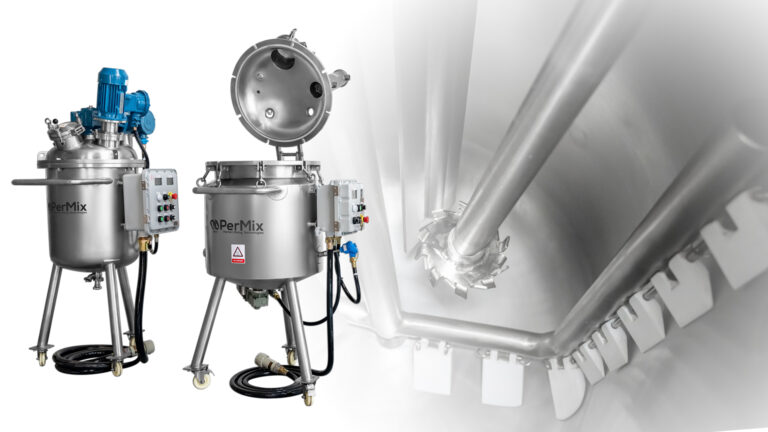
The Need For Temperature Control During Dispersion
The Need For Temperature Control During Dispersion Temperature Control is a crucial factor to consider during the process of dispersion. Whether it is in…
 Uncategorized
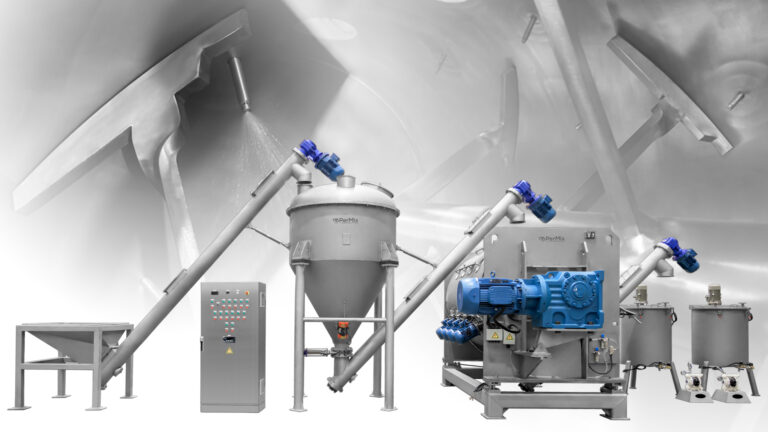
Various Ways To Convey Powders To Load Mixers And Which One Is Right For Your Application
Various Ways To Convey Powders To Load Mixers And Which One Is Right For Your Application Various Ways To Convey Powders To Load Mixers…
Request engineering support
Let’s talk about your process.
Share your material and batch requirements. A PerMix engineer will review the application and recommend a mixer.