
01
ASME Ribbon Mixers and Mixer-Reactors
Active Convective Mixing Under Vacuum or Pressure
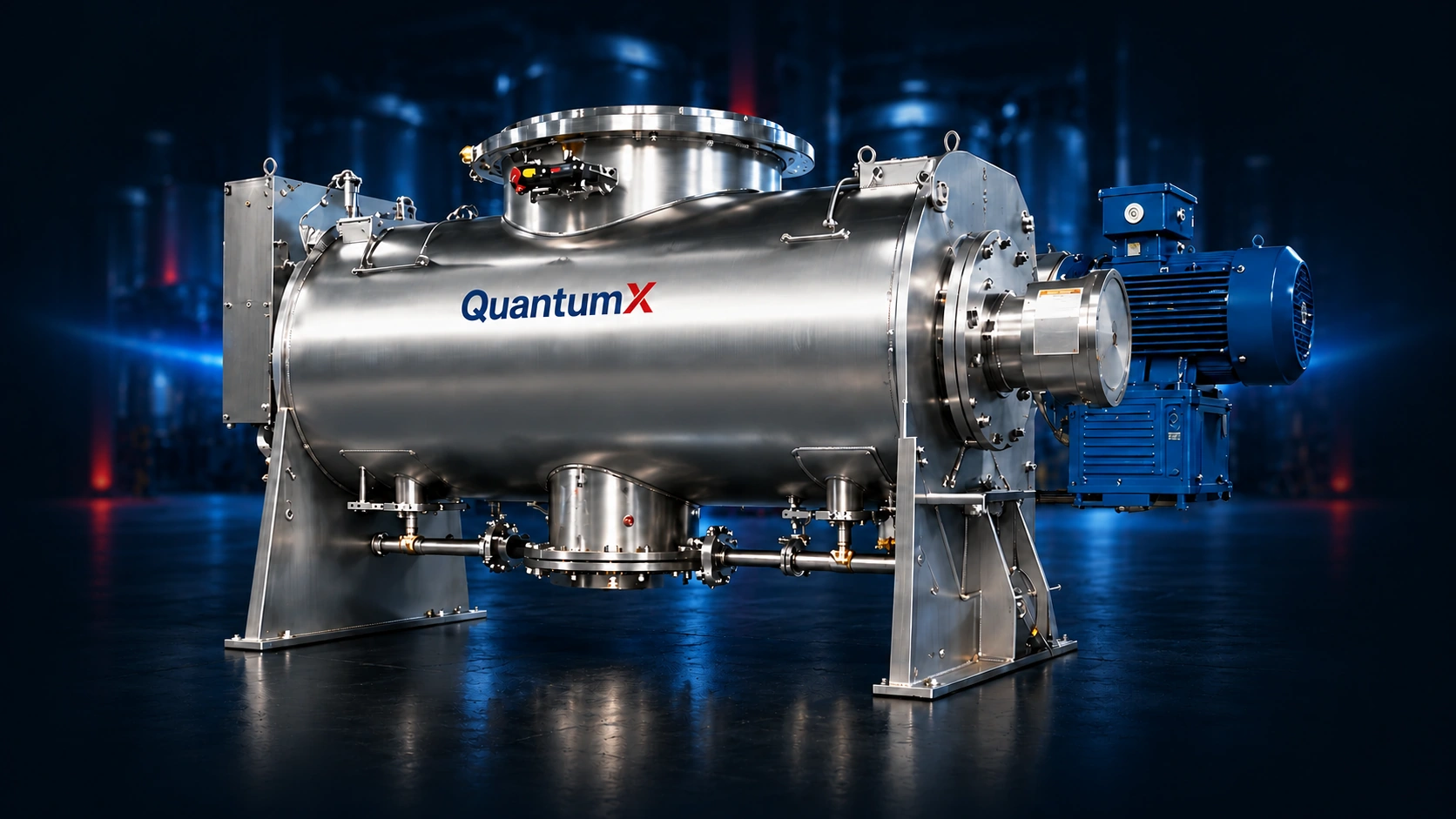
CODE-RATED PRESSURE VESSELS PROCESS-ENGINEERED MIXING SYSTEMS
ASME Mixers and Reactors Engineered Beyond the Pressure Boundary
An ASME mixer or reactor is more than a pressure vessel with an agitator installed through the top or side.
The pressure boundary must be engineered together with the mixing system, shaft penetrations, seals, nozzles, jacket, supports, thermal loads, operating cycles, process controls and safety interfaces.
Overview
The ASME Boiler and Pressure Vessel Code establishes requirements for pressure-equipment design, materials, fabrication, examination, testing and certification.
The current 2025 ASME BPVC includes Section VIII rules for pressure vessels, including Division 1, Division 2 alternative rules and Division 3 for high-pressure vessels. Section VIII, Division 1 addresses design, fabrication, inspection, testing and certification within its defined scope.
QuantumX integrates the pressure-vessel requirement with the process-engineering requirement.
That code basis is essential—but it does not determine:
The vessel contains the process. The complete system must control it.
Key capabilities
QuantumX engineers pressure-rated mixers and reactors around both sides of that requirement:
Code scope
Define the Required Deliverable Before Engineering Begins
The terms “ASME,” “ASME designed,” “code vessel” and “U-stamped” are sometimes used interchangeably. They do not always mean the same thing.
A vessel may be mechanically designed using principles or calculations based on an ASME code section without being manufactured, inspected and certified as a code-stamped pressure vessel.
This may not satisfy:
When a U-stamped vessel is specified, the applicable pressure boundary must be manufactured under an authorized ASME quality-control program and certified in accordance with the relevant BPVC requirements.
ASME’s certification program certifies manufacturer quality-control systems, and pressure vessels bearing the ASME Certification Mark with the applicable designator are produced by authorized certificate holders under the applicable BPVC section.
ASME-authorized inspection agencies perform required inspections during manufacture, and Section VIII data-report forms document the completed pressure vessel.
National Board registration may also be requested or required depending on the destination and jurisdiction. It is related to, but distinct from, the ASME code stamp and should be identified in the purchase specification.
The project specification should state whether the requirement is:
Mechanical loads
A pressure-vessel calculation based only on internal pressure is not a complete mixer design.
The agitator and process can introduce additional loads through:
The complete mechanical design must evaluate how these forces interact with:
A code pressure vessel can still be a poor mixer.
A high-performance mixer can still be an unacceptable pressure vessel.
QuantumX engineers both systems together.
Pressure boundary
The main vessel may be designed for:
The heating or cooling jacket is a separate pressure boundary.
Its design basis may differ from the process vessel in:
A five-bar jacket does not mean the process vessel is rated for five bar.
A pressure-rated vessel does not mean the jacket has the same allowable pressure.
Each pressure boundary must be defined and documented independently.
A complete design basis should distinguish:
The maximum allowable working pressure is established through the final vessel design and should not be treated as a marketing estimate.
QuantumX platforms
01
Active Convective Mixing Under Vacuum or Pressure
02
Gentle Product Movement Inside a Code-Rated Vessel
03
Intensive Mechanical Fluidization for Difficult Processes
04
Low-Shear Processing with Efficient Gravity Discharge
05
Processing Liquids, Pastes and High-Viscosity Formulations
QuantumX platforms
01Platform
Active Convective Mixing Under Vacuum or Pressure
QuantumX ASME ribbon mixers use engineered inner and outer ribbons to create controlled axial and radial circulation inside a pressure-rated vessel.
Potential applications include:
Powder blending under inert gasVacuum mixingSolvent-wet powdersControlled dryingChemical treatmentFunctional coatingPressure-assisted impregnationControlled-atmosphere processingPharmaceutical intermediatesBattery and advanced materials
Engineering variables include:
Ribbon widthRibbon pitchActive surface areaShaft diameterShaft deflectionStartup torqueSeal systemVessel reinforcementJacket dutyNozzle placementVacuum and pressure cycles
02Platform
Gentle Product Movement Inside a Code-Rated Vessel
QuantumX ASME paddle mixers use discrete paddles to lift, fold and redistribute material with less continuous agitator surface than a ribbon.
Potential applications include:
Fragile granulesVariable-density formulationsCoated particlesVacuum conditioningPressure treatmentGentle thermal processingSolvent-wet productsPharmaceutical granulesSpecialty chemical powders
Engineering variables include:
Paddle widthPaddle anglePaddle spacingShaft loadingProduct fragilitySeal selectionVessel pressureJacket conditionsDischargeCleaning
03Platform
Intensive Mechanical Fluidization for Difficult Processes
QuantumX ASME plough mixers combine high-intensity product movement with a pressure-rated process vessel.
Potential applications include:
Cohesive powdersIntensive liquid additionSurface treatmentFunctionalizationReactive coatingControlled agglomerationSolvent processingVacuum dryingPressurized gas additionChemical reactionCatalyst treatment
Engineering variables include:
Plough profileTip speedProduct accelerationChopper penetrationsShaft loadsMechanical heat inputWear protectionSeal systemJacket dutyReaction heatVapor generationPressure cycles
04Platform
Low-Shear Processing with Efficient Gravity Discharge
Conical screw or orbital-screw mixers may be evaluated where the process requires:
Gentle mixingFull-vacuum dryingLow product damageHigh-purity processingGravity-assisted dischargeHeat-sensitive materialsPharmaceutical intermediatesSpecialty chemicalsBattery materialsFine powders
Conical geometry can support a favorable surface-area-to-volume relationship and gravity-assisted discharge, while the screw moves material vertically and circumferentially.
05Platform
Processing Liquids, Pastes and High-Viscosity Formulations
QuantumX pressure-rated multi-shaft, planetary and specialty reactor systems may be evaluated for:
AdhesivesSealantsCoatingsResinsPolymersBattery slurriesHigh-solids suspensionsReactive liquidsHigh-viscosity formulationsVacuum deaeration
Potential agitation systems can include:
AnchorSweepHigh-speed disperserRotor-stator mixerCounter-rotating agitatorsDouble planetary toolsSigma bladesHelical bladesScraper systems
Technical details
Pressure-Boundary Materials Must Be Code-Appropriate
The pressure shell, heads, nozzles and other pressure-retaining components must use materials acceptable for the applicable code, design temperature and fabrication method.
Potential materials may include:
Final suitability depends on:
Frequently evaluated for:
Potential options include:
Selected nickel alloys can be evaluated for:
The pressure-boundary alloy, weld filler, internal agitator, seals and attached components must be reviewed together.
Titanium may be considered for selected:
The design must account for:
Ceramic, Hardox, tungsten carbide and other wear-resistant systems may be used as internal liners, replaceable components or localized protection where appropriate.
They do not automatically become part of the ASME pressure boundary.
The underlying pressure shell must still meet the applicable code requirements.
A wear system must be engineered around:
Glass-lined construction may be evaluated for selected:
The design must account for:
The project should define whether the pressure boundary requires a corrosion allowance.
The review should distinguish:
A corrosion allowance is not a substitute for selecting a compatible material.
Likewise, an internal wear liner does not eliminate the need to assess the pressure shell throughout the intended service life.
QuantumX ASME mixers and reactors can be engineered for sanitary or high-purity processing with options such as:
ASME pressure-vessel construction and hygienic design are separate requirements.
A vessel can be code-stamped without being sanitary.
A vessel can be sanitary without being code-stamped.
The project must define both.
QuantumX pressure-rated systems can be engineered around project-specific:
ASME code construction does not automatically make a system ATEX compliant or suitable for a hazardous location.
The hazardous-area basis must be provided separately.
Projects destined for Europe may require compliance with the Pressure Equipment Directive rather than—or in addition to—an ASME customer specification.
The current consolidated Pressure Equipment Directive 2014/68/EU applies, subject to its scope and exclusions, to pressure equipment and assemblies with maximum allowable pressure greater than 0.5 bar.
A project may therefore require one or more of the following:
The applicable code and jurisdiction must be identified before the vessel is engineered.
Section VIII, Division 1
Division 1 is widely used for industrial pressure vessels and includes rules for design, materials, fabrication, examination, inspection, testing and certification.
Section VIII, Division 2
Division 2 provides alternative rules and may be evaluated for projects requiring a different design approach, more detailed stress analysis or another project-specific basis.
Section VIII, Division 3
Division 3 addresses high-pressure vessels and represents a substantially different design and certification basis.
Most industrial mixer and reactor projects will not automatically require Division 2 or Division 3.
The applicable division must be established from:
Potential QuantumX instrumentation can include:
The control system may include:
Safety-instrumented functions, where required, must be established by the project risk assessment and controls philosophy.
Process engineering
01Topic
A Reactor Must Be Engineered Around the Reaction—not Only the Batch Size
A reactive process may generate or absorb:
HeatGasVaporPressureSolidsCrystalsFoamViscosityAgglomerates
The process basis should address:
Reaction chemistryFeed sequenceAddition rateHeat of reactionGas generationVapor generationCooling failureLoss of agitationLoss of vacuumBlocked outletThermal expansionReaction endpointEmergency shutdownRelief basisQuench strategyContainment
QuantumX can engineer the vessel, agitation and control package around the defined process basis, but the owner and process-safety team remain responsible for the complete hazard analysis, relief study and facility operating procedures.
For covered highly hazardous chemical processes, OSHA’s Process Safety Management standard addresses process-safety information, process hazard analysis, operating procedures and mechanical integrity for equipment including pressure vessels, piping, relief systems, controls and pumps.
02Topic
A Jacket Does Not Guarantee the Required Heat-Up or Cool-Down Time
A Jacket Does Not Guarantee the Required Heat-Up or Cool-Down Time
Thermal performance depends on:
Jacket surface areaJacket typeThermal mediumMedia flowMedia temperatureVessel-wall thicknessInternal foulingExternal insulationProduct thermal conductivityProduct heat capacityBatch massAgitator circulationReaction heatVaporizationVacuum levelRequired endpoint
QuantumX jacket configurations may include:
Conventional jacketHalf-pipe jacketDimple jacketMultiple thermal zonesInternal coils where appropriateInsulationStainless-steel claddingThermal-fluid control skidSteam systemHot-water systemCooling-water systemGlycol systemHeat-transfer-fluid system
The jacket style and thermal medium are selected through the required duty—not from a standard catalog default.
03Topic
The agitator must continuously replace the product touching the heated or cooled wall.
Without effective wall renewal, the process can develop:
Hot spotsCold zonesLong heat-up timeLong cool-down timeLocalized product degradationFoulingIncomplete dryingUneven reaction rate
Ribbon, paddle, plough, anchor, sweep and conical systems create different wall-renewal patterns.
Mixer selection and jacket design must therefore be developed together.
04Topic
Some applications require multiple operating phases, such as:
Charge under atmospheric conditionsEvacuate the vesselHeat under vacuumCondense vaporsBackfill with nitrogenAdd a reactantOperate under positive pressureCool the batchDepressurizeDischarge under controlled conditions
A vessel designed for positive internal pressure is not automatically adequate for external pressure or full vacuum.
The design must identify every operating phase and pressure differential.
Potential system components include:
Vacuum pumpCondenserReceiverVapor filterNitrogen supplyPressure-control valveVacuum-control valveOxygen analyzerPressure transmitterVacuum transmitterRupture disc connectionPressure-relief connectionEmergency ventHeated vapor lineKnockout potCondensate drainClosed discharge
05Topic
The Relief Basis Must Come from the Process
Potential overpressure scenarios may include:
External fireRunaway reactionGas generationBlocked outletThermal expansionRegulator failureUtility failureCooling failureVacuum-system failureExcessive feed rateCross-connectionSteam leakageJacket failureLoss of agitation
QuantumX can provide the required vessel connections and coordinate mechanical integration of relief devices.
Final relief sizing, set pressure, discharge destination and process scenario basis must be established by the owner’s qualified process-safety and relief-system specialists.
The mixer supplier should not guess the required relieving rate.
06Topic
The Shaft Penetration Is Part of the Pressure Boundary Strategy
Seal selection depends on:
VacuumPositive pressureProduct finenessAbrasionCorrosionSolvent compatibilityToxicityContainment targetTemperatureShaft speedShaft diameterCleaning methodInert gasBarrier fluidAllowable leakage
Potential systems can include:
Packing systemsLip sealsMechanical sealsDouble mechanical sealsGas-purged sealsNitrogen-purged sealsBarrier-fluid sealsDry-running sealsCartridge sealsHigh-containment seals
The seal, shaft, bearings, gearbox and vessel nozzle must be engineered as one mechanical assembly.
07Topic
Potential vessel connections can include:
Powder chargingLiquid feedGas additionNitrogen inletVacuum outletVapor outletCondenser connectionPressure reliefRupture discInstrument nozzlesTemperature probePressure transmitterLevel measurementSamplingCIP or wash connectionsManwaySight glassLight portDischargeFilter connectionLoad-cell support interface
Nozzle size and location affect:
Vessel reinforcementAgitator clearanceCleaningProduct flowVapor velocityPressure dropSamplingMaintenanceStructural load
The top head should not be treated as unlimited space for connections after the vessel has already been designed.
08Topic
Pressure-rated access openings require more engineering than an atmospheric hinged cover.
The design must consider:
Opening sizeClosure typeGasketOperating pressureVacuumTemperatureProduct exposureCleaningInterlocksMechanical handlingInspectionCode requirementsMaintenance access
Quick-opening closures require special attention to prevent opening while the vessel is pressurized or under vacuum.
Documentation and testing
Depending on the agreed scope, the QuantumX documentation package can include:
The exact documentation package should be defined before order placement.
Verify the Pressure System and the Process Functions
FAT scope can include:
Product testing should use a written protocol defining:
Industries and applications
QuantumX ASME mixers and reactors can be evaluated for:
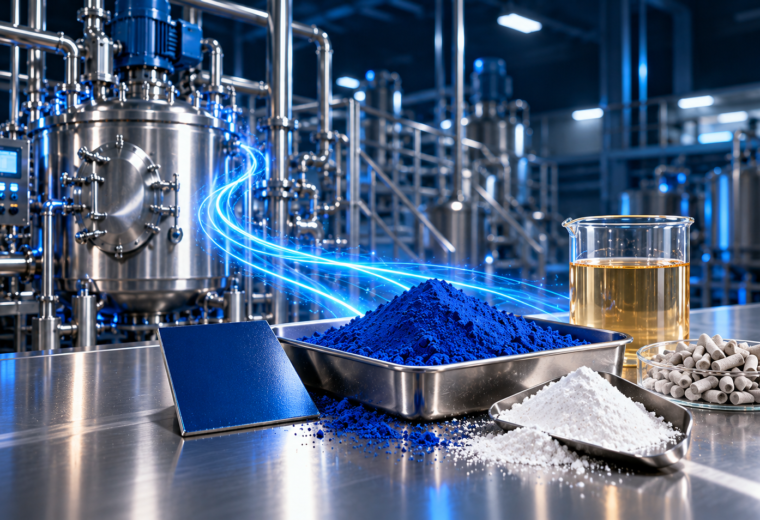
Reactions · Functional coatings · Catalyst treatment · Solvent processing · Vacuum drying · Polymerization support · Neutralization · Crystallization support · Pigments · Additives · Resins
Explore industry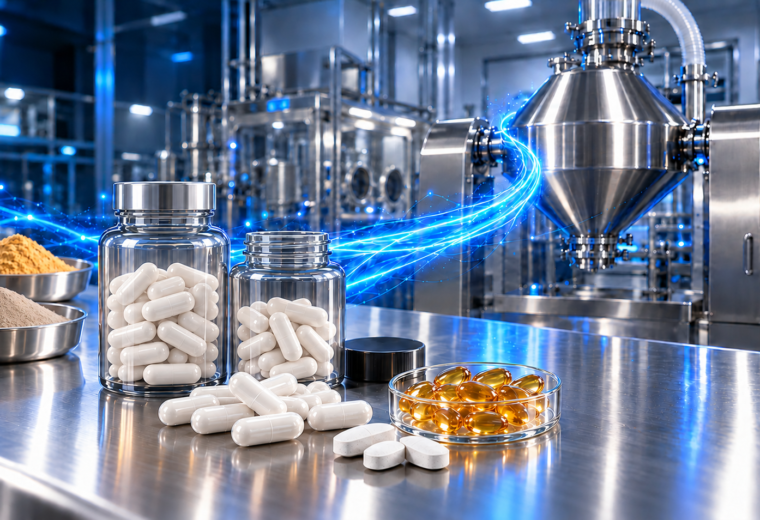
APIs · Intermediates · Solvent-wet powders · Vacuum drying · High-containment mixing · Controlled atmosphere · Granules · High-purity processing
Explore industry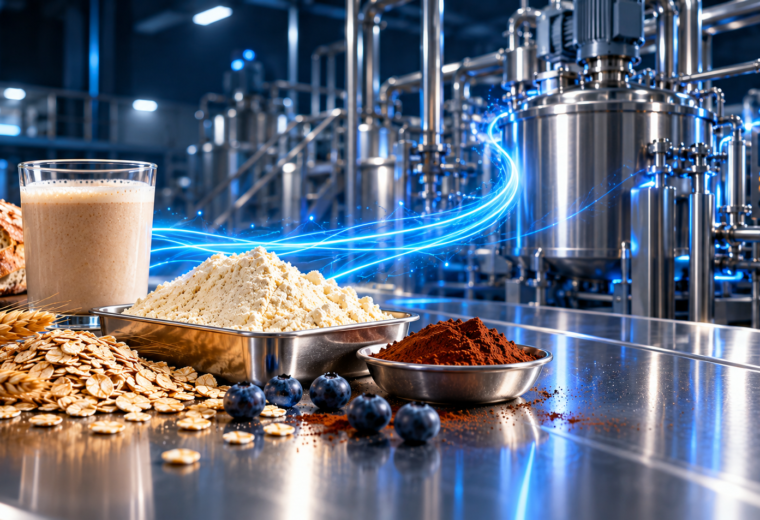
Pressure processing · Vacuum conditioning · Thermal treatment · Moisture removal · Specialty ingredients · Closed-system processing
Explore industry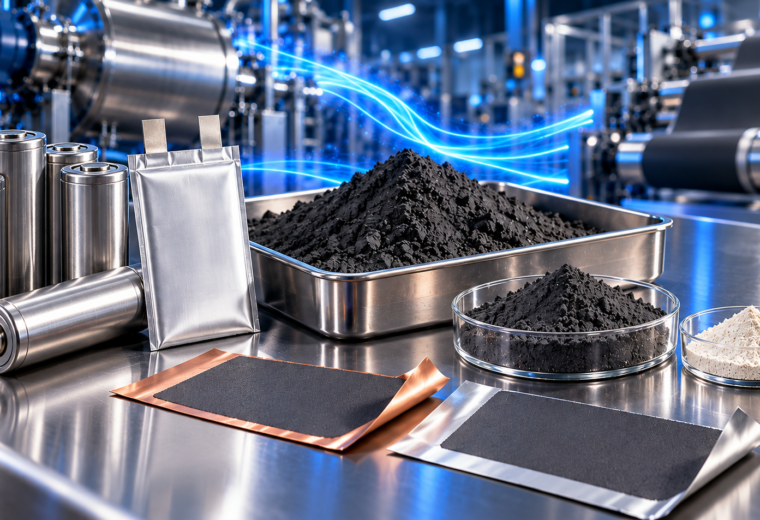
Cathode and anode powders · Conductive additives · Vacuum drying · Moisture control · Inerting · High-purity processing · Specialty coatings
Explore industry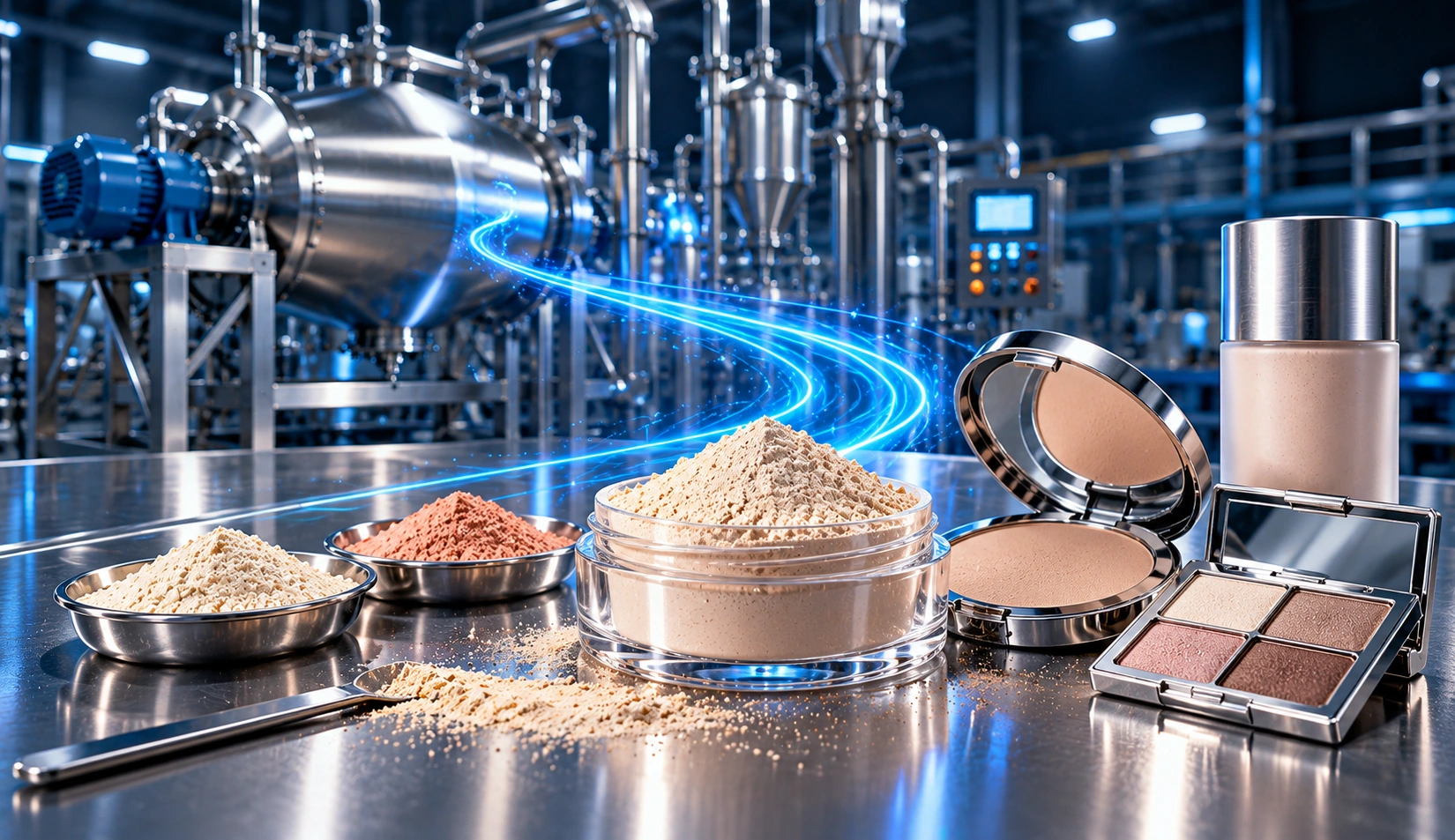
Vacuum processing · Thermal treatment · High-purity systems · Reactive formulations · Specialty emulsions · Solvent-handling processes
Explore industry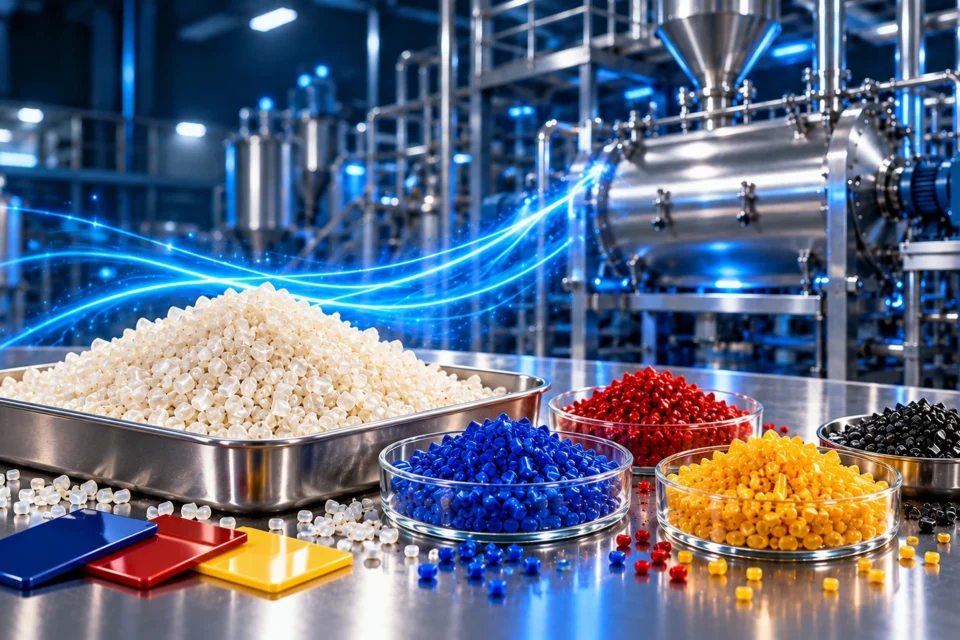
Resin processing · Reactive polymers · Solvent systems · High-viscosity mixing · Vacuum deaeration · Filler incorporation · Pressurized reactions
Explore industryWhy QuantumX
The pressure shell, agitator, seal, jacket and supports are evaluated as one system.
Projects distinguish between code-designed, code-stamped, National Board registered, PED and other jurisdictional requirements.
Ribbon, paddle, plough, conical, multi-shaft, planetary and specialty systems can be evaluated according to the process.
Systems can be engineered around defined vacuum, positive pressure and operating cycles.
Jackets, condensers, receivers, pumps and thermal-fluid systems can be engineered around the duty.
Potential options include stainless steels, nickel alloys, Hastelloy, titanium and engineered internal liners.
ATEX, classified components, inerting and oxygen monitoring can be incorporated when defined by the project basis.
Code, mechanical, controls and process documentation can be defined as part of the project scope.
QuantumX can integrate the mixer or reactor with feed systems, liquid dosing, gas addition, vacuum systems, condensers, receivers, thermal skids, filtration, contained discharge and downstream processing.
PRESSURE-VESSEL DESIGN BASIS
Provide:
Upload approved process data sheets, SDS documents, heat-and-material-balance information, reaction data, relief-design basis, P&IDs, customer vessel specifications and facility drawings. Confirm an approved confidential communication channel before submitting proprietary formulas or sensitive reaction information.
Frequently asked questions
An ASME mixer typically refers to an agitated pressure vessel whose applicable pressure-retaining components are designed and manufactured to the specified ASME Boiler and Pressure Vessel Code requirements.
An ASME reactor is a pressure-rated process vessel that combines the applicable code pressure boundary with agitation, thermal control, instrumentation and process connections for a defined reaction or processing duty.
No. A vessel may be designed using ASME methods without being manufactured and certified as a U-stamped pressure vessel.
A U-stamped vessel is manufactured under an authorized ASME Section VIII, Division 1 certification program and marked using the applicable ASME Certification Mark and designator.
QuantumX projects can be engineered and supplied with ASME code-stamped pressure-vessel construction when specified, using an appropriately authorized certificate-holder and inspection process.
No. The ASME code governs the pressure-vessel requirements within its scope. Mixing performance depends on the agitator, vessel geometry, material behavior, speed, fill level and process conditions.
Yes, when full vacuum is included in the design basis and the vessel is specifically engineered for the resulting external-pressure condition.
Yes, when both conditions and the operating cycles are included in the mechanical and process design.
It can be, when required. The vessel and jacket are separate pressure boundaries and may have different pressure, temperature and code requirements.
Yes. Heating and cooling systems can include jackets, half-pipe coils, dimple jackets or other application-specific thermal systems.
Yes. Ribbon, paddle, plough, conical and other powder-agitation systems can be integrated into pressure-rated vessels.
Yes. Anchor, sweep, disperser, rotor-stator, multi-shaft, planetary, sigma and other agitation systems may be evaluated according to the viscosity and process duty.
Yes, subject to project requirements and code-material availability. Surface finish, passivation and electropolishing can also be specified.
Selected nickel alloys, Hastelloy grades and titanium may be evaluated when suitable for the code, design temperature, fabrication method and service.
Yes, for suitable applications. The ASME pressure shell remains the code pressure boundary; the internal liner or wear system is engineered separately.
Yes. Pressure-vessel and hygienic requirements can be combined, but they are separate design bases and both must be specified.
No. ASME pressure-vessel construction and ATEX hazardous-area compliance are separate requirements.
Yes, project-specific PED conformity can be evaluated for equipment intended for the European market.
National Board registration provides a retained record associated with a code-constructed pressure-retaining item and may be requested or required by the destination jurisdiction.
The owner’s qualified process-safety and relief-system specialists should establish the credible scenarios, required relieving rate, set pressure and discharge destination. QuantumX can provide and coordinate the necessary vessel connections.
The vessel and safeguards can be evaluated against a customer-supplied reaction and relief basis. Reaction calorimetry, process-hazard analysis and relief design should be completed by qualified specialists.
Yes. FAT can include mechanical, controls, vacuum, pressure, thermal, inerting and other agreed functional checks.
At minimum, provide the product, batch size, operating and design pressure, vacuum requirement, operating and design temperature, jacket conditions, materials, agitation duty, code requirement, hazardous-area basis, cleaning method and required documentation.
QuantumX ASME mixers and reactors
Request engineering support
Share your material and batch requirements. A PerMix engineer will review the application and recommend a mixer.