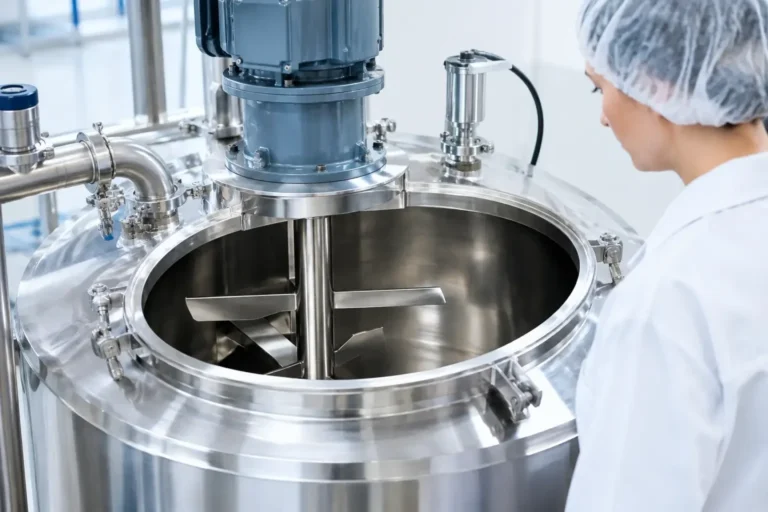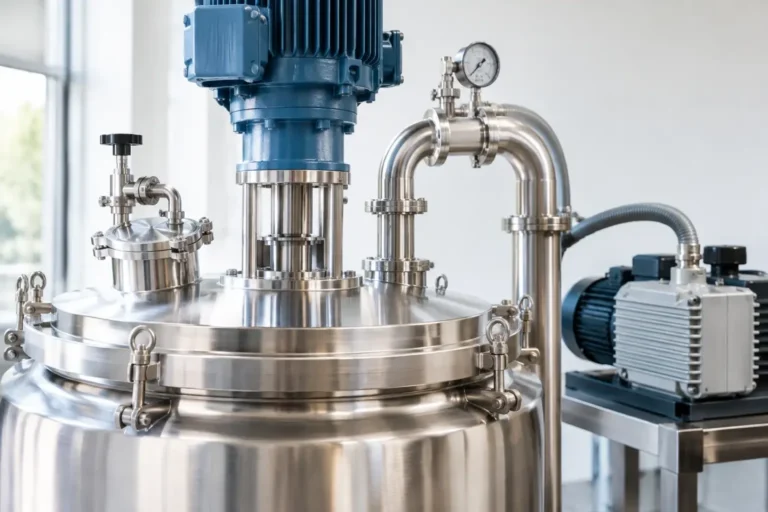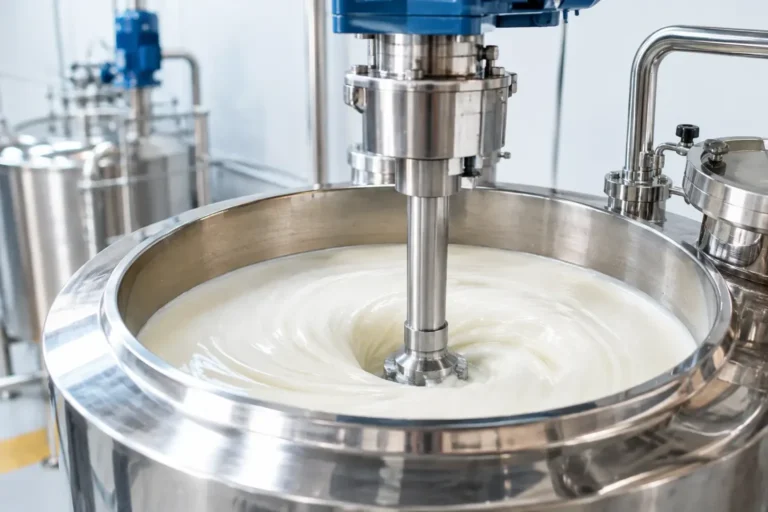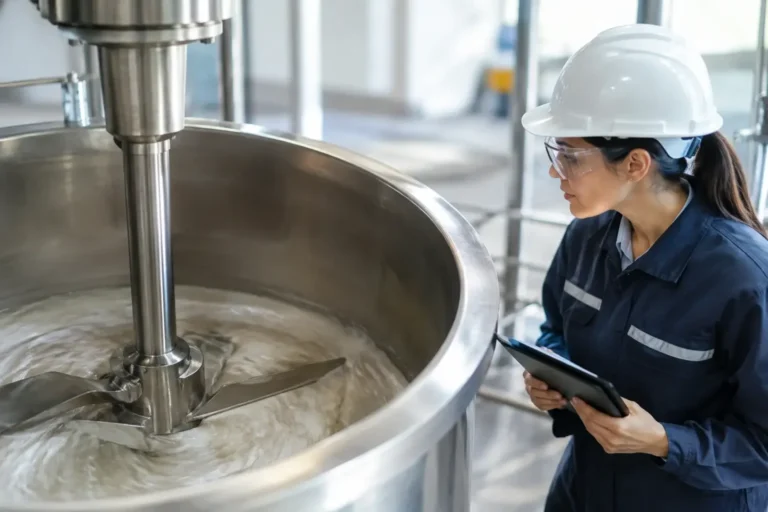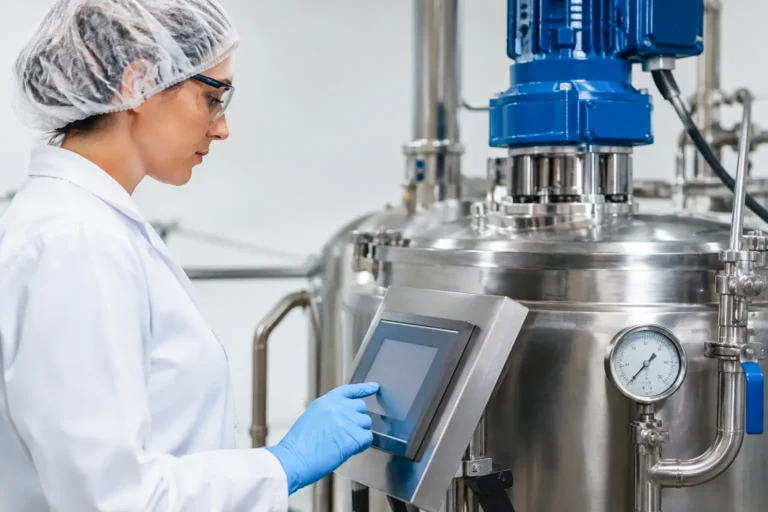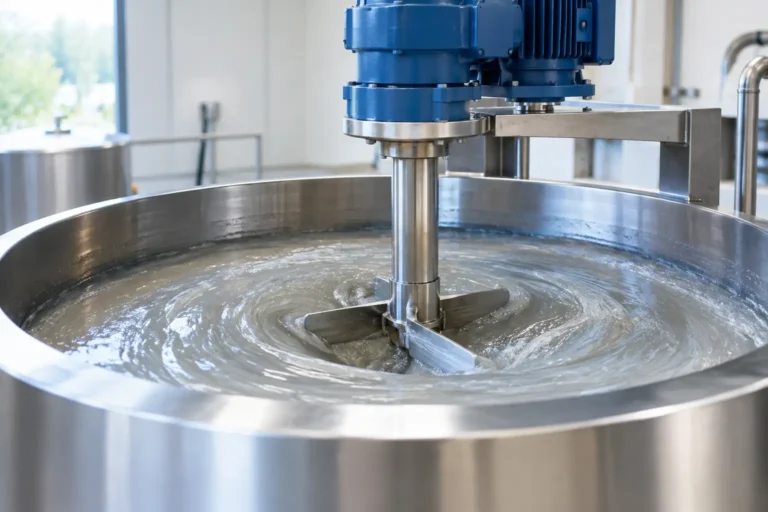







Featured article · Technical Article
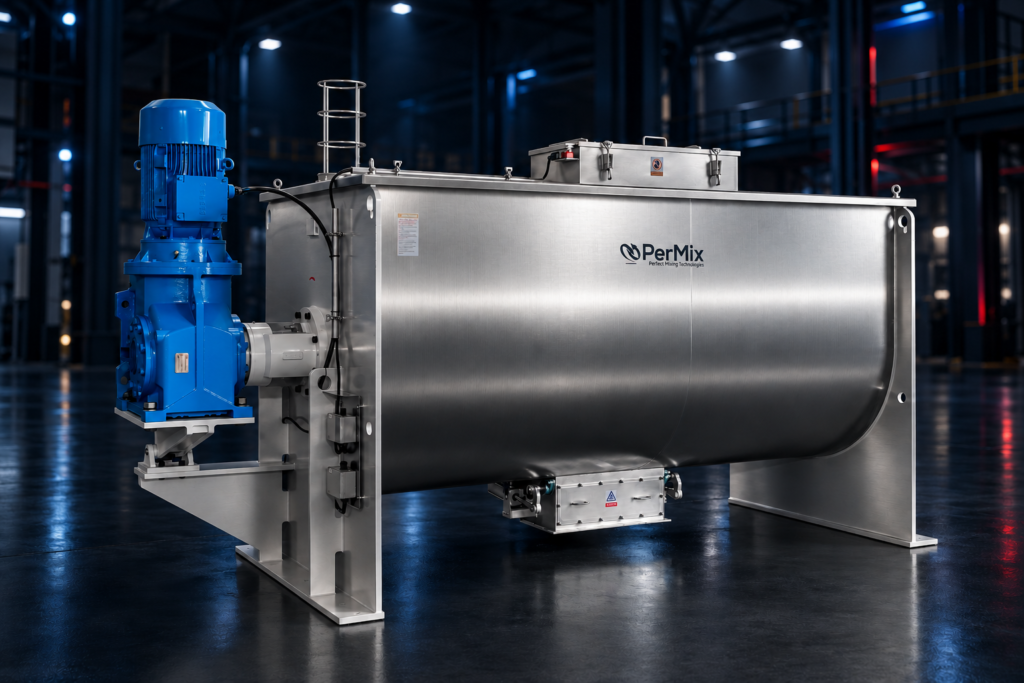
Complete Discharge and Residual Hold-Up in Mixers
How vessel geometry, valve design, powder flow and downstream transfer determine residual heel and cleanout time.
Read the article
Resources & insights
Expert insights, guides and real-world applications to help you solve mixing challenges, compare technologies and find the right solution for your process.
Browse by content type
Latest posts from the PerMix blog.
Read the blog 02 / Engineering insightsIn-depth articles on mixing theory and applications.
Read technical articles 03 / ApplicationsSee how customers solve difficult mixing challenges.
View case studies 04 / DownloadsProduct literature, datasheets and technical resources.
Browse downloads 05 / VideosWatch equipment in action.
Watch videos 06 / Selection toolsUse process requirements to identify the likely mixer pathway.
Open the engine 07 / CompareSide-by-side comparisons of PerMix technologies.
Compare technologies 08 / SpecificationsReview published model ranges and technical data.
View models 09 / EvidenceApproved equipment evidence and measurable process results.
View results 10 / AnswersQuick answers to common mixing questions.
Read the FAQFeatured article · Technical Article
How vessel geometry, valve design, powder flow and downstream transfer determine residual heel and cleanout time.
Read the articleFeatured resource · Case Study
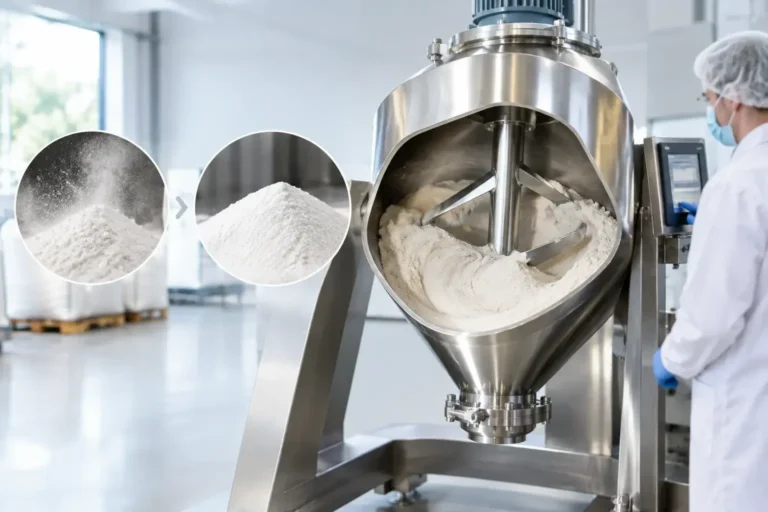
A structured application review for powders with particle-size and bulk-density variation, sanitary access and repeatable discharge.
Read the article
Resource library
Showing 12 of 535 blog posts
Improve reactor yield by controlling mixing, heat transfer, feed addition, residence time, and scale-up variables that determine conversion and selectivity. A reactor can show…
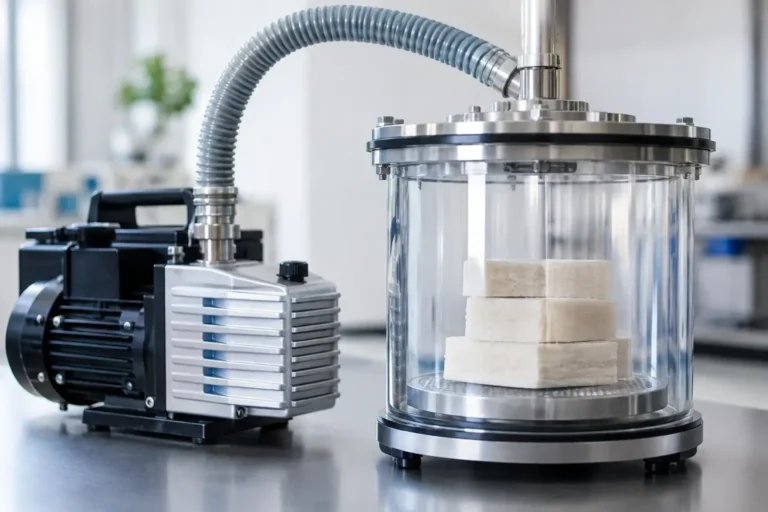
Can vacuum remove entrained air? Learn when vacuum deaeration works, what limits removal, and how engineered mixing systems protect product quality daily. A batch…
Chemical blending optimization improves uniformity, cycle time, yield, and control when equipment, feed strategy, and validation align on the plant floor A chemical blend…
Which mixer reduces dust in powder processing? Compare vacuum, enclosed, and low-shear mixer designs with practical engineering selection key criteria. Dust is often created…
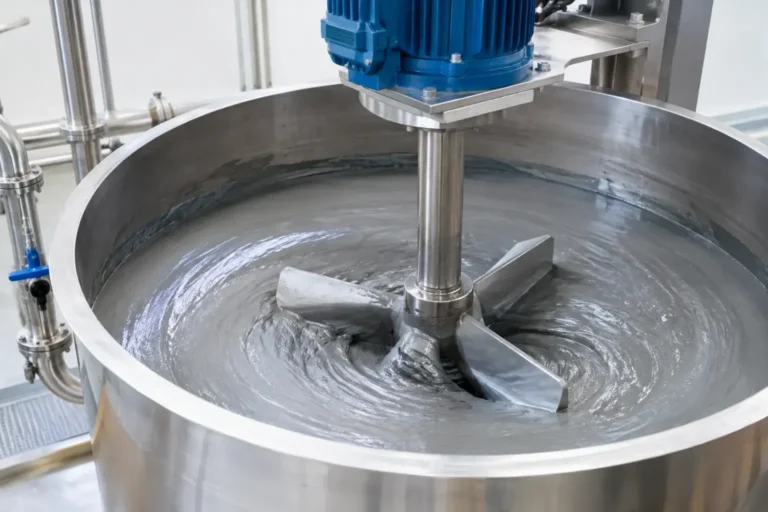
Learn how to optimize slurry mixing with rheology, solids loading, mixer selection, feed control, and testing for consistent, scalable production results. A slurry that…
This sanitary mixer design guide explains how hygienic geometry, cleanability, materials, seals, and controls protect quality and throughput at scale. A sanitary mixer is…
Learn why mixers need vacuum for deaeration, moisture control, faster drying, and repeatable quality in demanding industrial batch processes at scale. A batch can…
Use this emulsification process guide to control droplet size, stability, heat, shear, and scale-up for repeatable industrial batch production results. A stable emulsion is…
Mixer dead zones reduce blend uniformity, slow cycles, and raise cleaning risk. Learn how material flow, geometry, and validation reveal and correct them. A…
Process intensification improves throughput, quality, and efficiency by integrating mixing, heat transfer, vacuum, and automation around the material flow. A production line can appear…
Learn how to control mixing temperature with equipment design, heat-transfer methods, sensors, and automation for repeatable industrial batches reliably.
Learn how slurry mixers are engineered for viscosity, solids loading, dispersion, heat transfer, cleanability, and repeatable industrial batch performance.
Get Expert Advice
Get expert advice on your application, materials and process requirements.
+1 (855) PERMIXUSACall john.paul@procxinc.comEmailRFQEngineering review
An application engineer will review your process and respond with a recommended pathway.
Do not submit confidential formulation details until an approved communication channel has been confirmed.
A Trusted Partner for North America