






Featured article · Technical Article
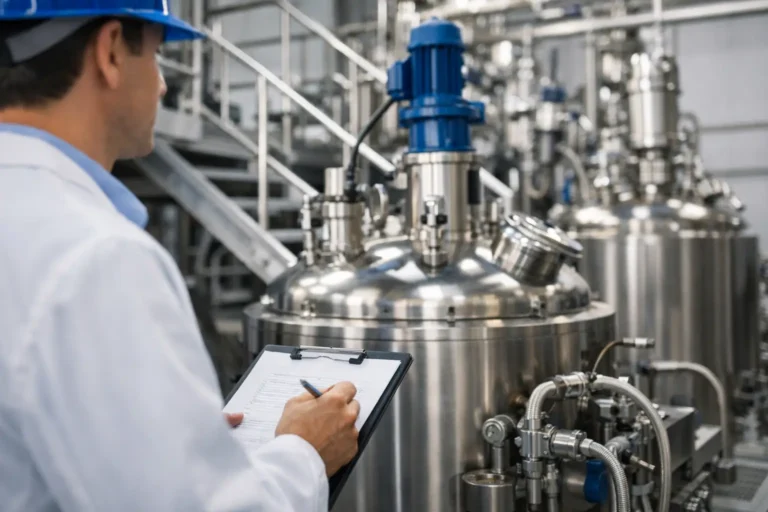
Industrial Mixer Scale-Up from Pilot to Production
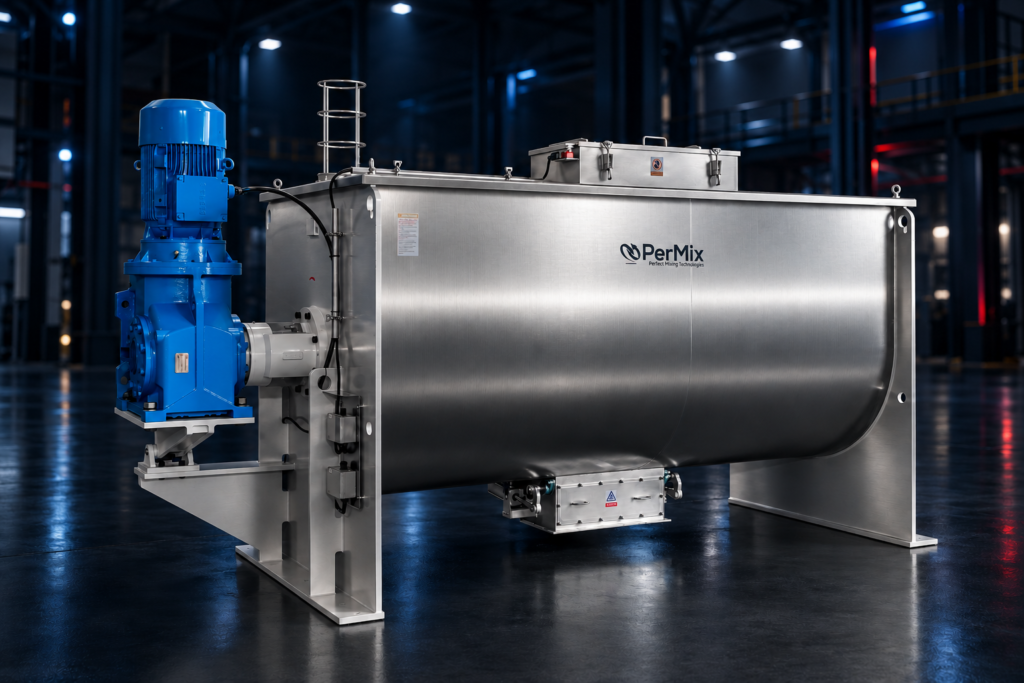
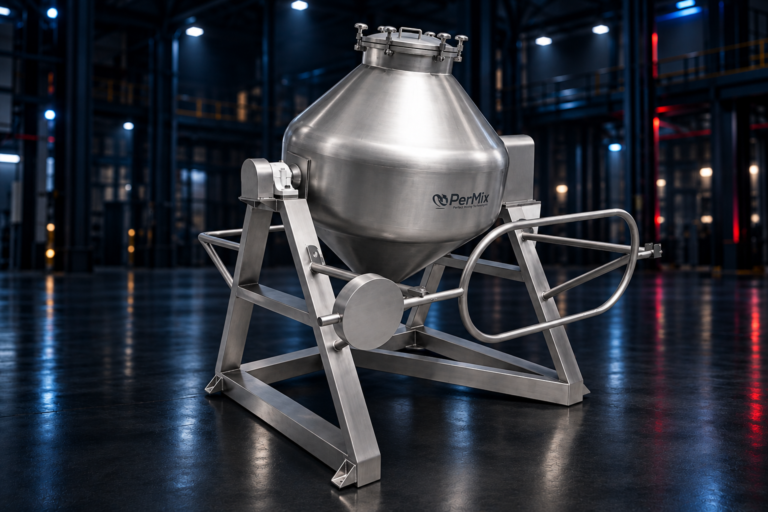
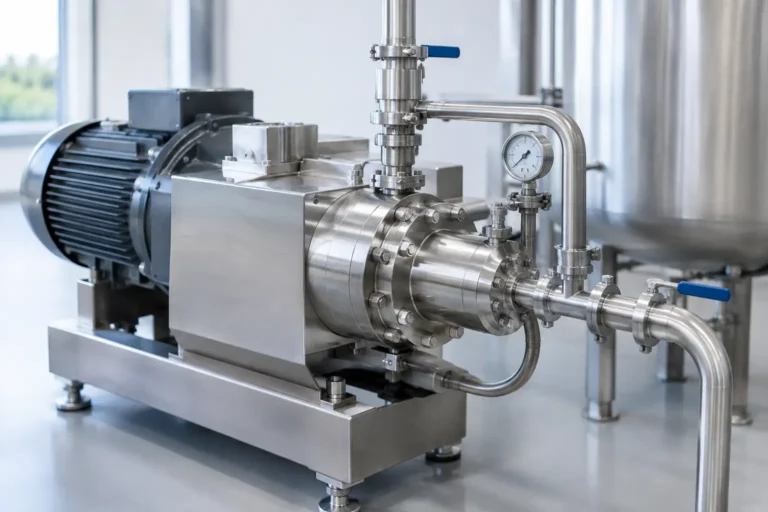
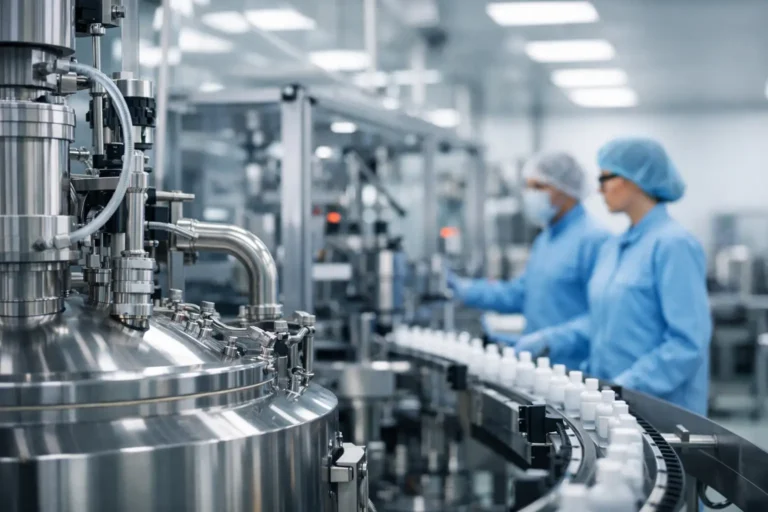
A disciplined scale-up method using material movement, fill range, tool speed, power input and batch-cycle measurements.
Read the article
Resources & insights
Expert insights, guides and real-world applications to help you solve mixing challenges, compare technologies and find the right solution for your process.
Browse by content type
Latest posts from the PerMix blog.
Read the blog 02 / Engineering insightsIn-depth articles on mixing theory and applications.
Read technical articles 03 / ApplicationsSee how customers solve difficult mixing challenges.
View case studies 04 / DownloadsProduct literature, datasheets and technical resources.
Browse downloads 05 / VideosWatch equipment in action.
Watch videos 06 / Selection toolsUse process requirements to identify the likely mixer pathway.
Open the engine 07 / CompareSide-by-side comparisons of PerMix technologies.
Compare technologies 08 / SpecificationsReview published model ranges and technical data.
View models 09 / EvidenceApproved equipment evidence and measurable process results.
View results 10 / AnswersQuick answers to common mixing questions.
Read the FAQFeatured article · Technical Article
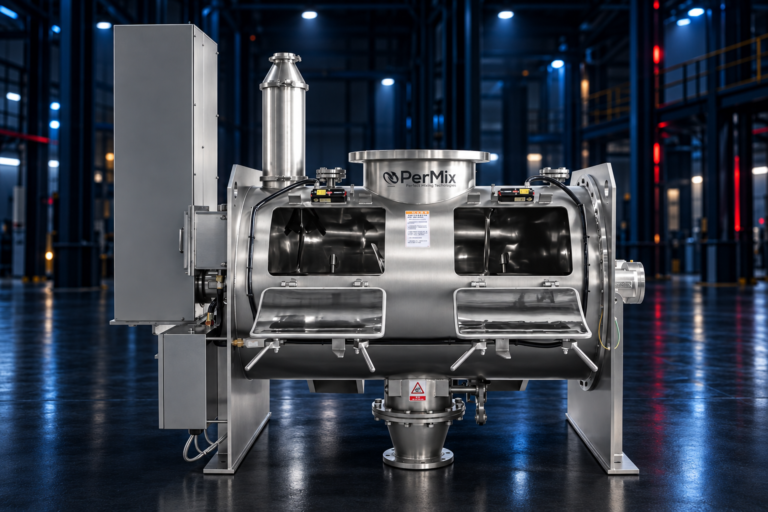
A disciplined scale-up method using material movement, fill range, tool speed, power input and batch-cycle measurements.
Read the articleFeatured resource · Case Study
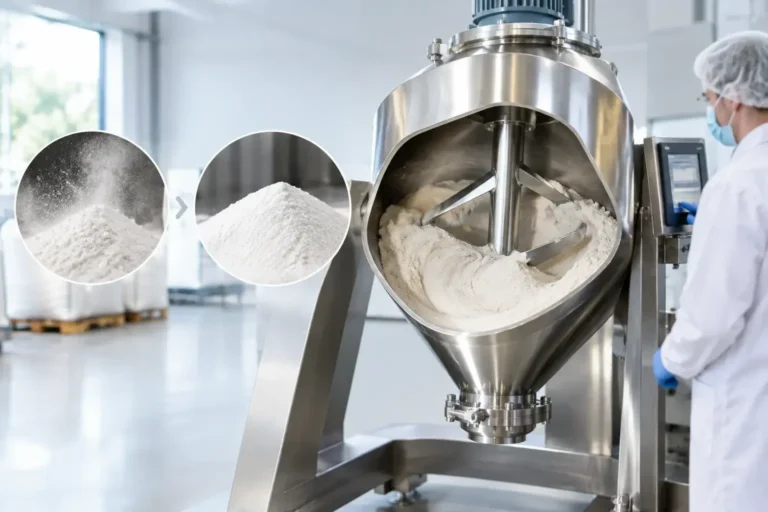
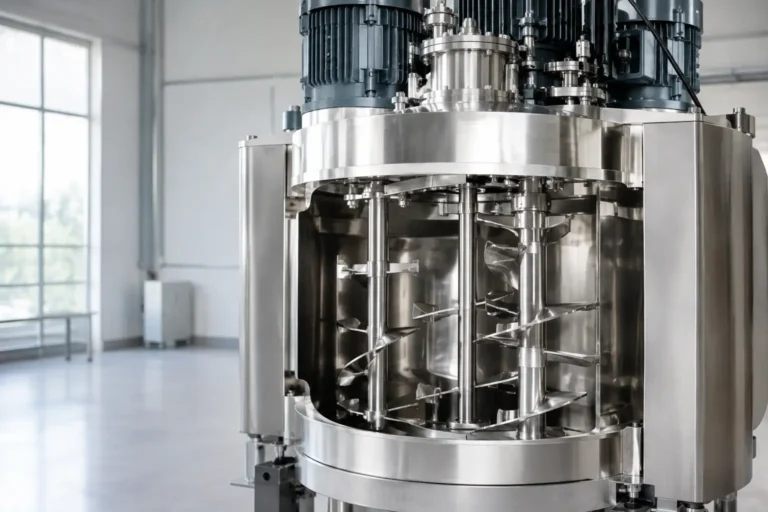
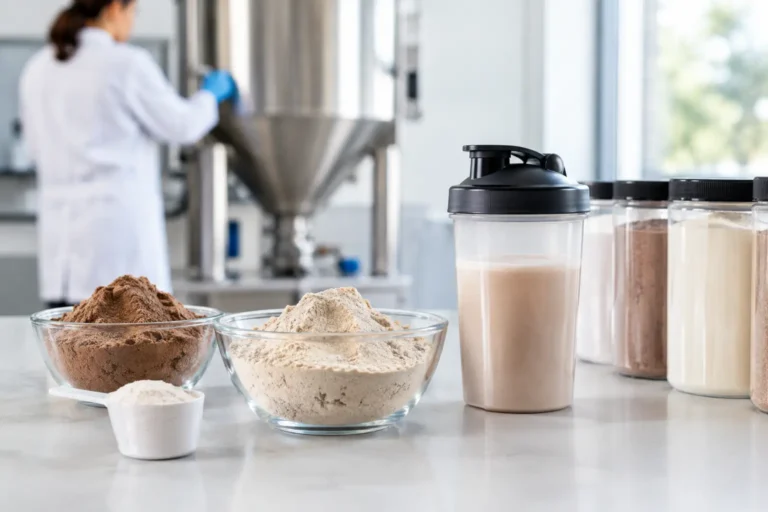
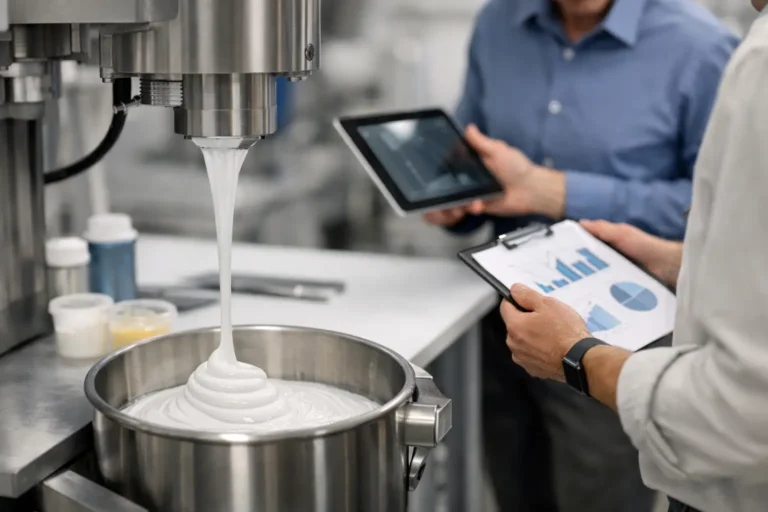
A structured application review for powders with particle-size and bulk-density variation, sanitary access and repeatable discharge.
Read the article
Resource library
Showing 48 of 559 resources
Smart mixer automation trends are reshaping batch control, quality, traceability, and throughput. See where engineering creates measurable gains daily.
Protein powder uniformity depends on formulation, ingredient control, mixer selection, and validation that protects every batch from receiving through discharge.
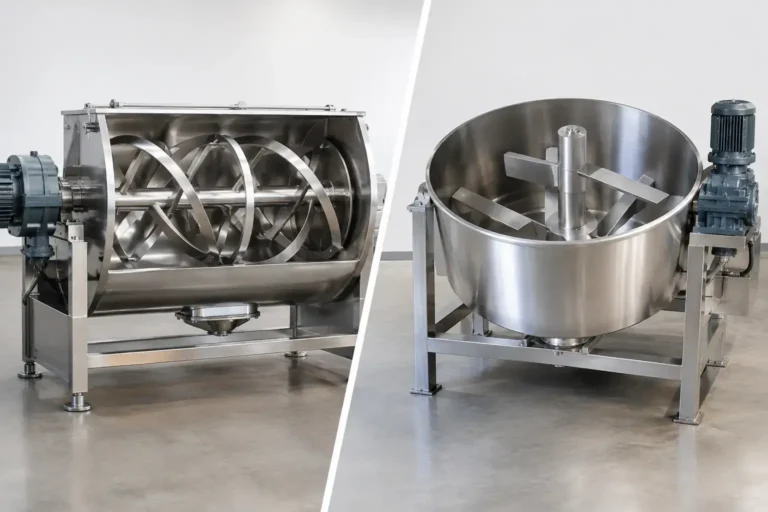
Compare ribbon mixer vs paddle mixer performance for powders, granules, and wet formulations. Choose the right design for uniform, efficient daily batches.
Predictive maintenance prevents mixer failures, protects batch consistency, reduces unplanned downtime, and schedules service from equipment condition data.
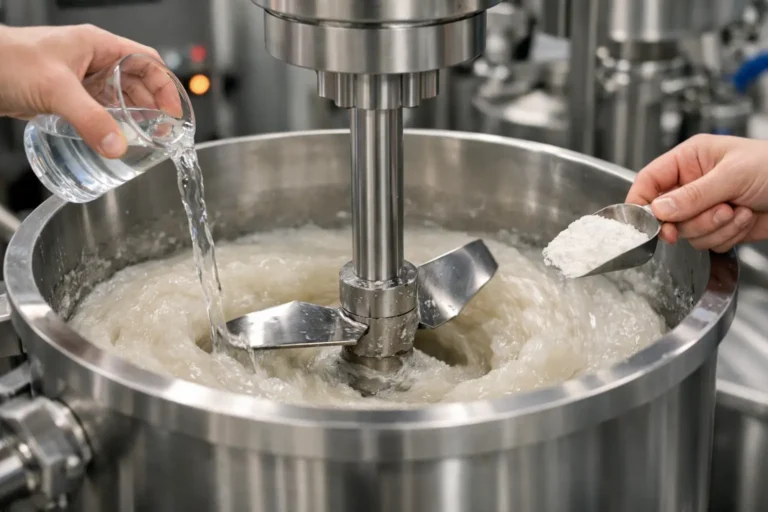
Powder wetting problems cause lumps, foam, lost throughput, and batch variation. Learn how feed design, shear, and mixing control improve results reliably.
Mixing automation improves batch consistency, safety, traceability, and throughput when controls are engineered around the material and process needs.
Improve reactor yield by controlling mixing, heat transfer, feed addition, residence time, and scale-up variables that determine conversion and selectivity. A reactor can show…
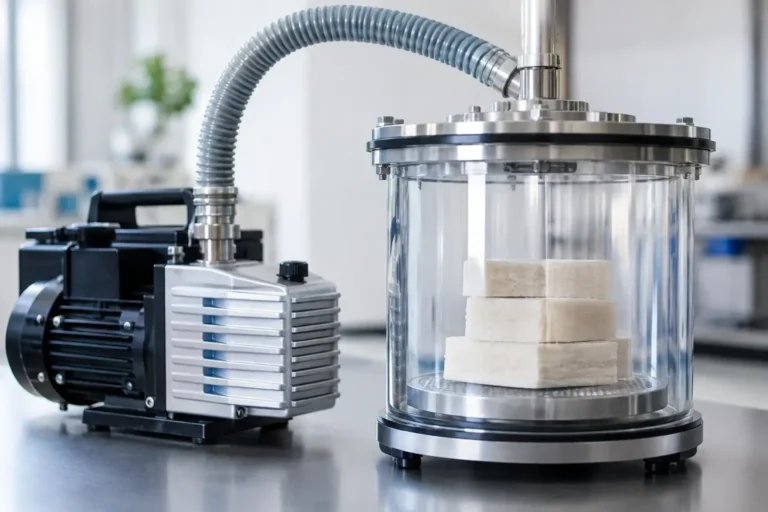
Can vacuum remove entrained air? Learn when vacuum deaeration works, what limits removal, and how engineered mixing systems protect product quality daily. A batch…
Chemical blending optimization improves uniformity, cycle time, yield, and control when equipment, feed strategy, and validation align on the plant floor A chemical blend…
Which mixer reduces dust in powder processing? Compare vacuum, enclosed, and low-shear mixer designs with practical engineering selection key criteria. Dust is often created…
Learn how to optimize slurry mixing with rheology, solids loading, mixer selection, feed control, and testing for consistent, scalable production results. A slurry that…
This sanitary mixer design guide explains how hygienic geometry, cleanability, materials, seals, and controls protect quality and throughput at scale. A sanitary mixer is…
Learn why mixers need vacuum for deaeration, moisture control, faster drying, and repeatable quality in demanding industrial batch processes at scale. A batch can…
Use this emulsification process guide to control droplet size, stability, heat, shear, and scale-up for repeatable industrial batch production results. A stable emulsion is…
Mixer dead zones reduce blend uniformity, slow cycles, and raise cleaning risk. Learn how material flow, geometry, and validation reveal and correct them. A…
Process intensification improves throughput, quality, and efficiency by integrating mixing, heat transfer, vacuum, and automation around the material flow. A production line can appear…
Learn how to control mixing temperature with equipment design, heat-transfer methods, sensors, and automation for repeatable industrial batches reliably.
Learn how slurry mixers are engineered for viscosity, solids loading, dispersion, heat transfer, cleanability, and repeatable industrial batch performance.
Identify the best mixers for abrasive materials by evaluating wear, batch behavior, discharge, liner design, and lifecycle cost for reliable production.
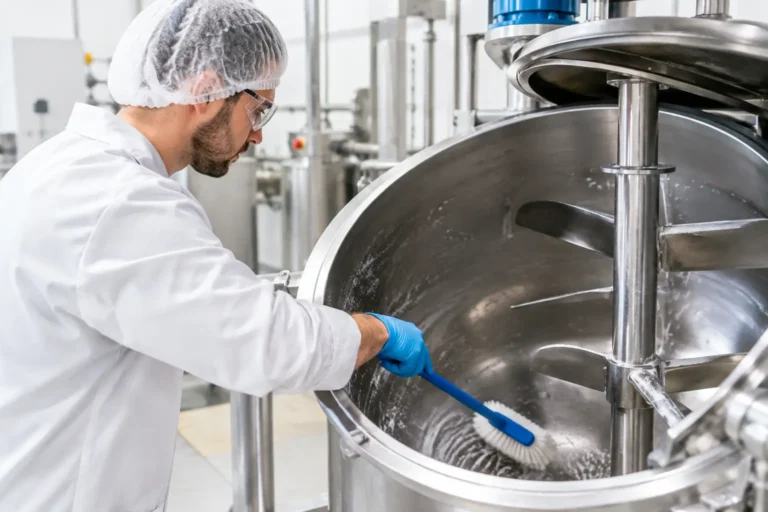
Mixer cleaning protects product quality, supports validation, and reduces downtime. Learn how industrial mixer design and procedures shape reliable results.
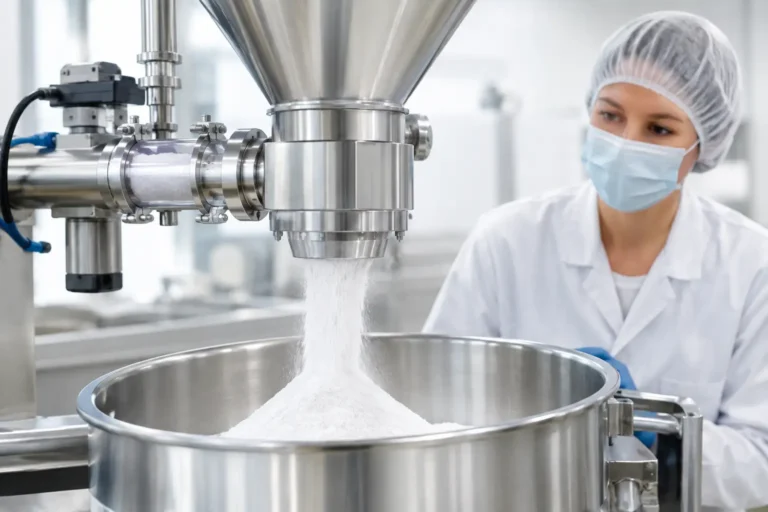
Powder induction systems improve ingredient addition, reduce dust, prevent agglomerates, and give manufacturers tighter control of batch quality at scale.
Planetary multishaft mixers combine orbital mixing and high-shear dispersion to process viscous formulations with consistent, repeatable batch quality.
An inline homogenizer equipment review for process engineers: compare shear, flow, cleanability, controls, and total cost before specifying a system.
A selection framework for limiting particle breakage, fines generation, heat and segregation during blending and discharge.
Nozzle selection, droplet size, spray rate and powder circulation must be engineered together to avoid wet lumps and uneven coating.
The data required to size a vacuum mixer or mixer-dryer, including vapor load, heat sensitivity, filtration and solvent recovery.
The area classification, material hazard data and operating scenarios needed before selecting hazardous-area mixing equipment.
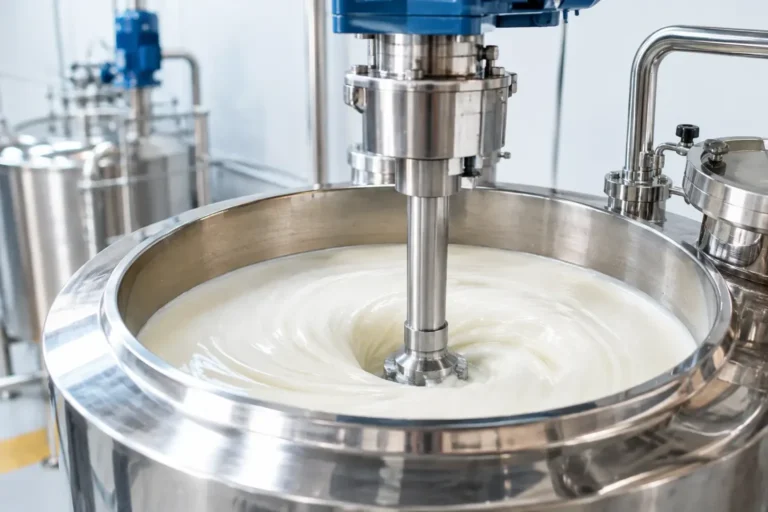
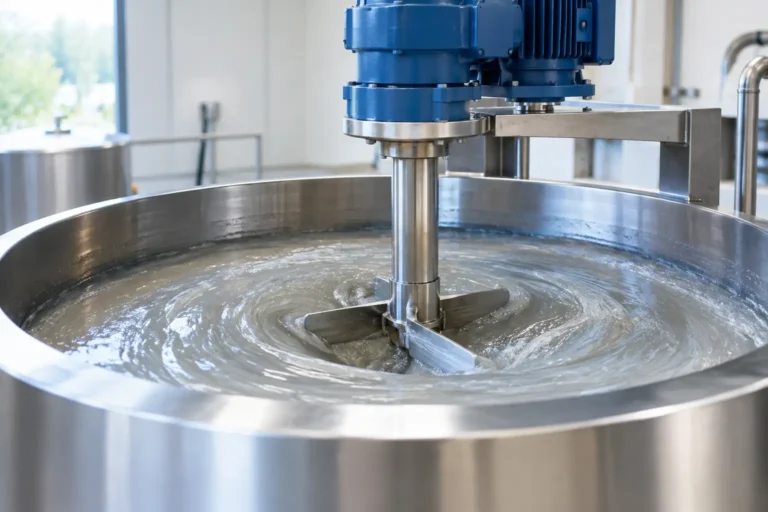
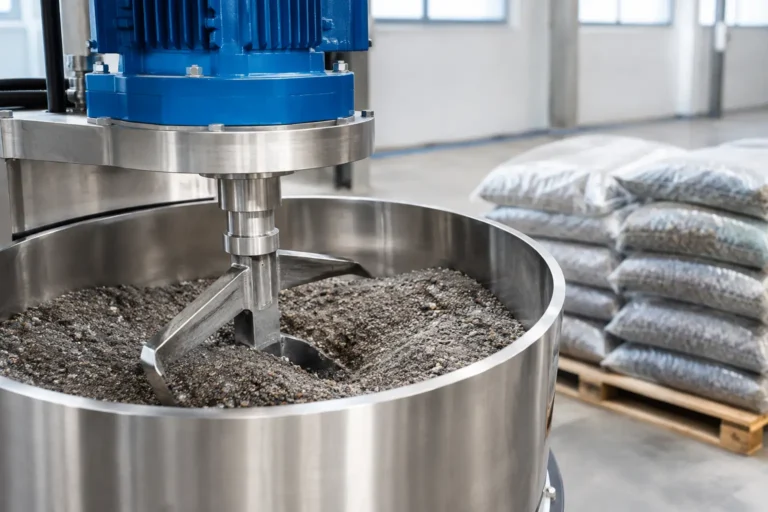
A disciplined scale-up method using material movement, fill range, tool speed, power input and batch-cycle measurements.
How vessel geometry, valve design, powder flow and downstream transfer determine residual heel and cleanout time.
A practical review of surface finish, access doors, seals, discharge geometry, spray devices and cleaning verification.
How cohesion, moisture, electrostatics and soft agglomerates influence mixer intensity, chopper selection and batch time.
Why batch mass, loose bulk density, operating density and usable fill range matter more than gross vessel volume.
Understand when a standard non-ASME jacket is appropriate and when vacuum, pressure or code-rated service moves to QuantumX.
A practical sizing framework covering working volume, bulk density, drive torque, fill range and the complete batch cycle.
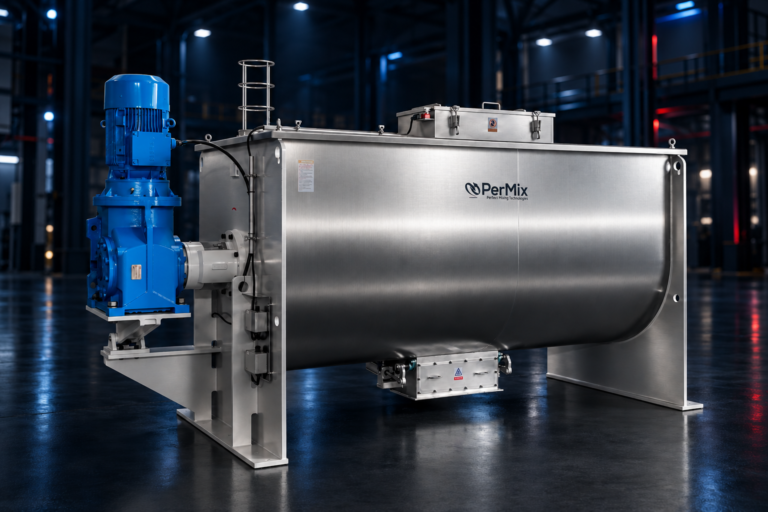
A visual explanation of inner and outer ribbon flow, fill level, discharge and common powder-blending applications.
An application framework for distributing a liquid onto cohesive powder while controlling agglomeration and cycle time.
A structured application review for powders with particle-size and bulk-density variation, sanitary access and repeatable discharge.
This protein powder blending case study shows how process mixing, liquid addition, and controls improve uniformity, throughput, and cleanability at scale.
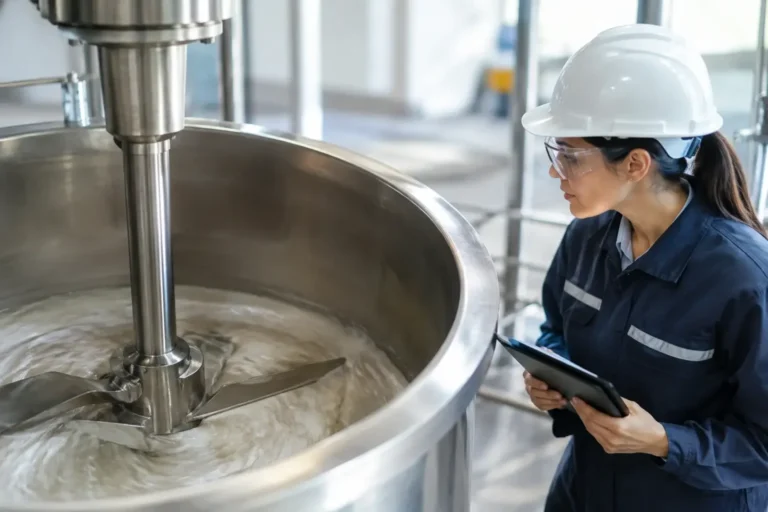
This process scaleup guide explains how to move from pilot trials to full production with controlled mixing, consistent quality, and capacity planning.
Learn how to reduce mixing energy through mixer selection, batch design, controls, and maintenance while protecting uniformity, throughput, and quality.
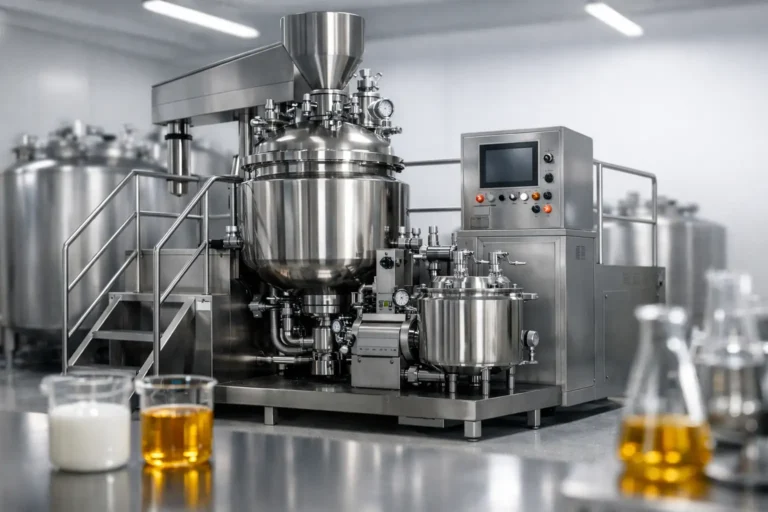
Use this vacuum emulsifying equipment buying guide to evaluate shear, vacuum, heating, controls, cleaning, and capacity for repeatable production batches.
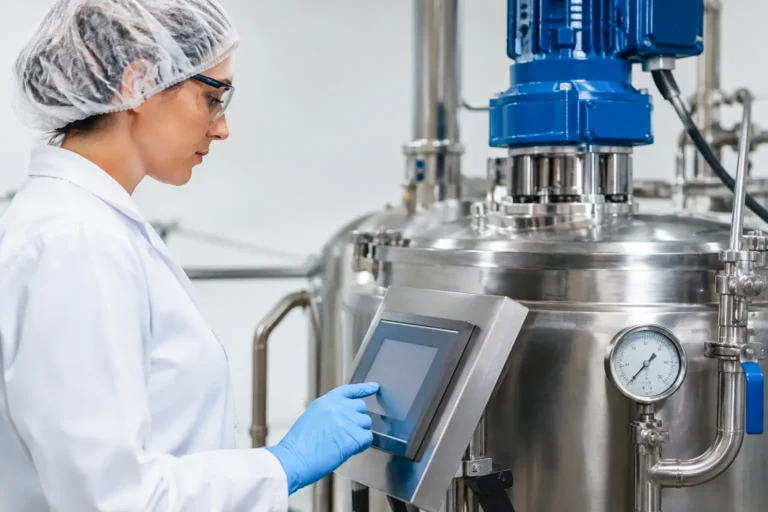
Learn how to scale pilot batches by protecting mixing, heat transfer, ingredient addition, and control strategies from pilot trials to production safely.
An adhesive mixing throughput case study showing how mixer selection, feed control, vacuum, and discharge design raise capacity while protecting quality.
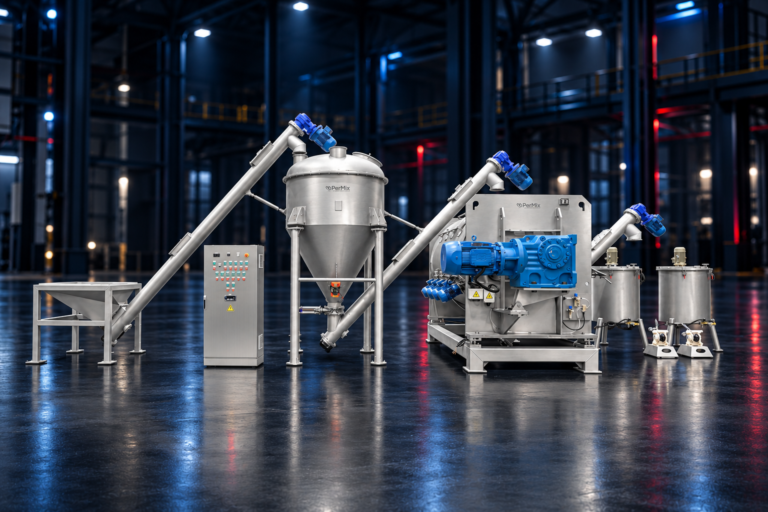
Continuous manufacturing trends are reshaping mixing, feeding, automation, and quality control. Learn where engineering decisions create measurable gains.
Get Expert Advice
Get expert advice on your application, materials and process requirements.
+1 (855) PERMIXUSACall john.paul@procxinc.comEmailRFQEngineering review
An application engineer will review your process and respond with a recommended pathway.
Do not submit confidential formulation details until an approved communication channel has been confirmed.
A Trusted Partner for North America