






Featured article · Technical Article
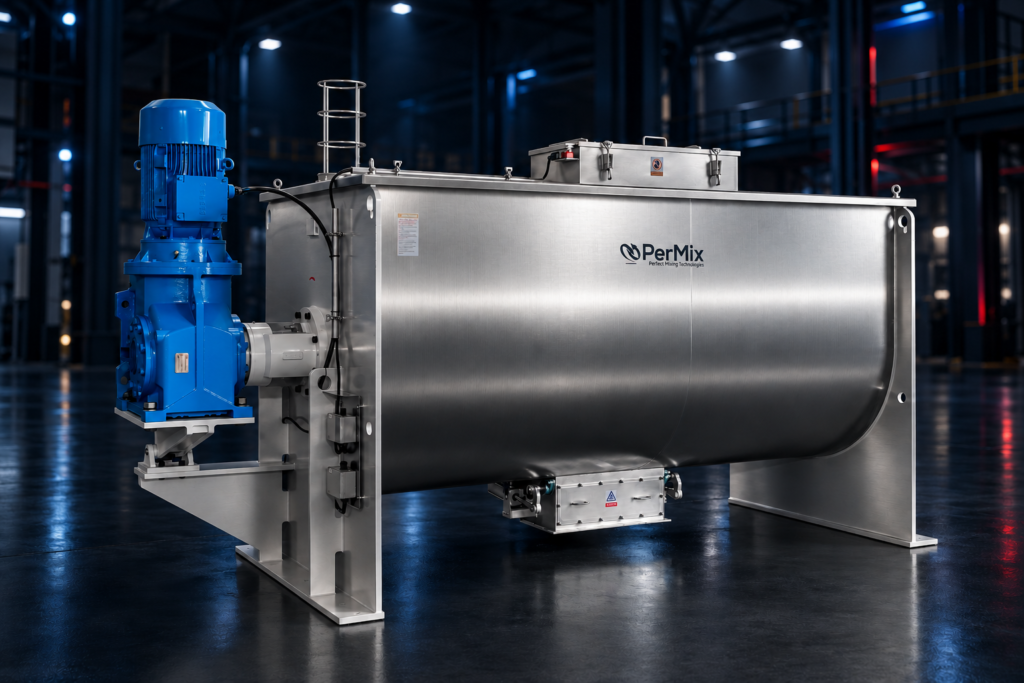
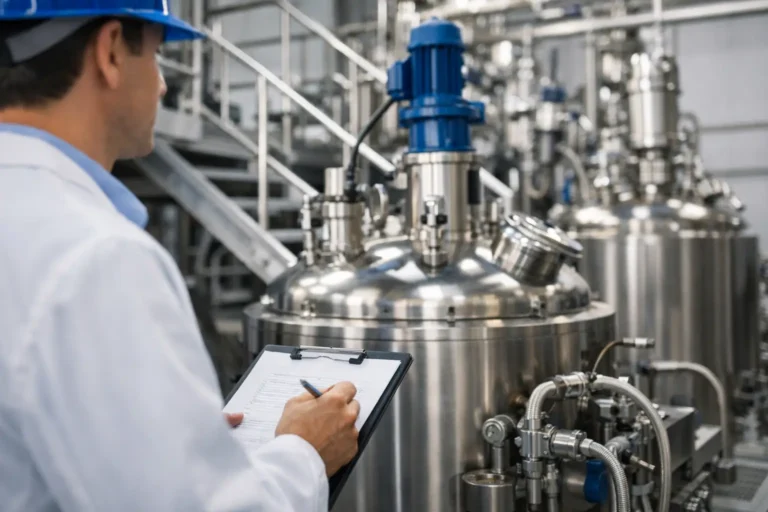
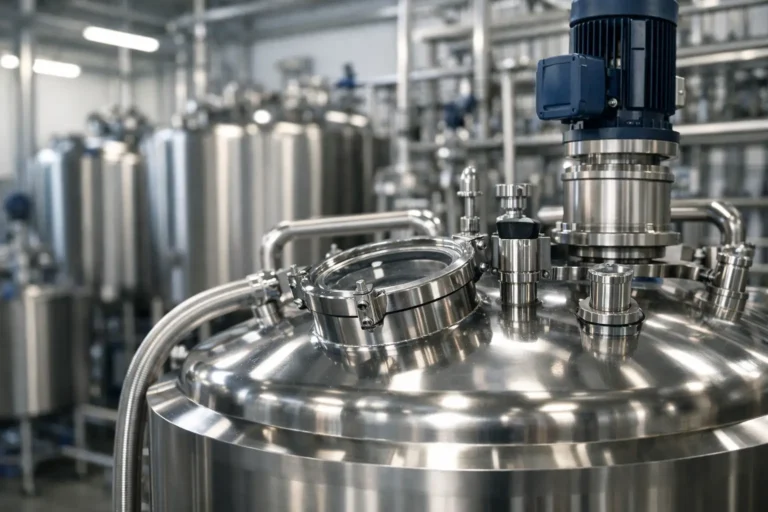
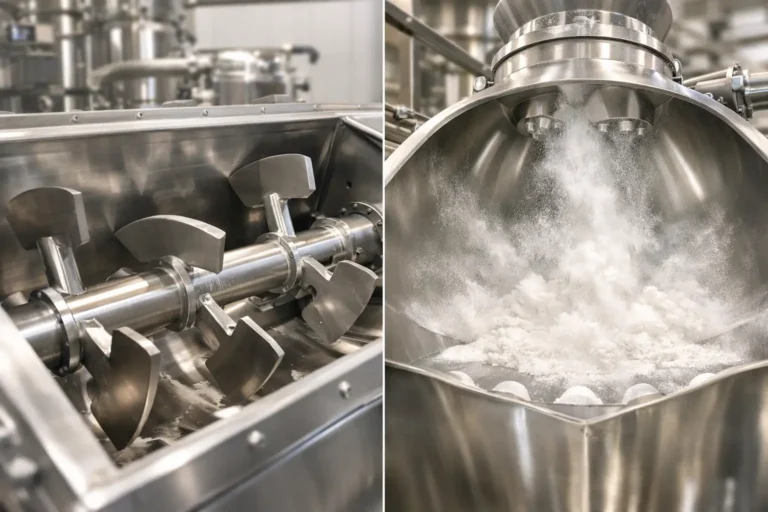
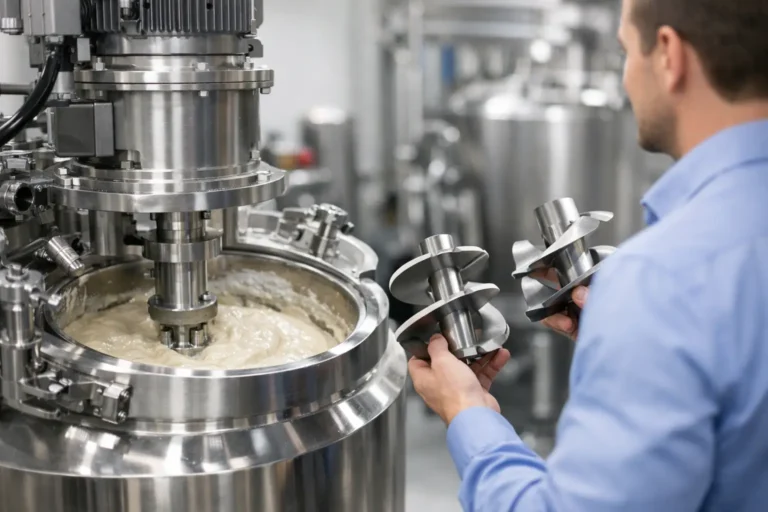
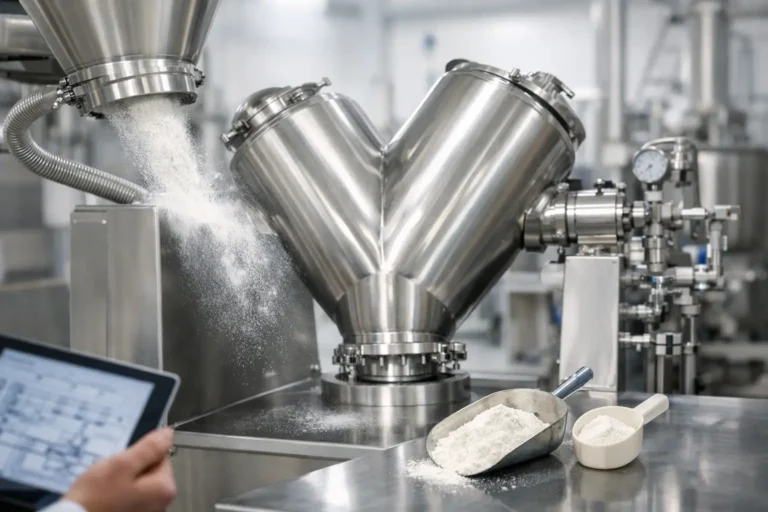
Complete Discharge and Residual Hold-Up in Mixers
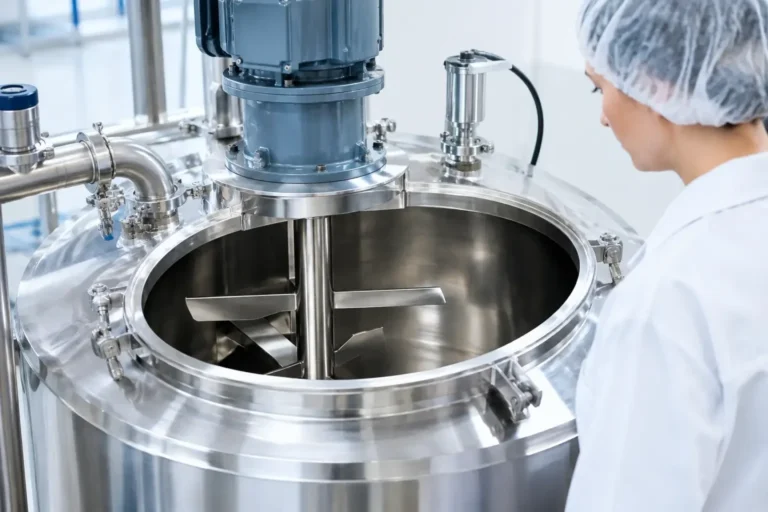
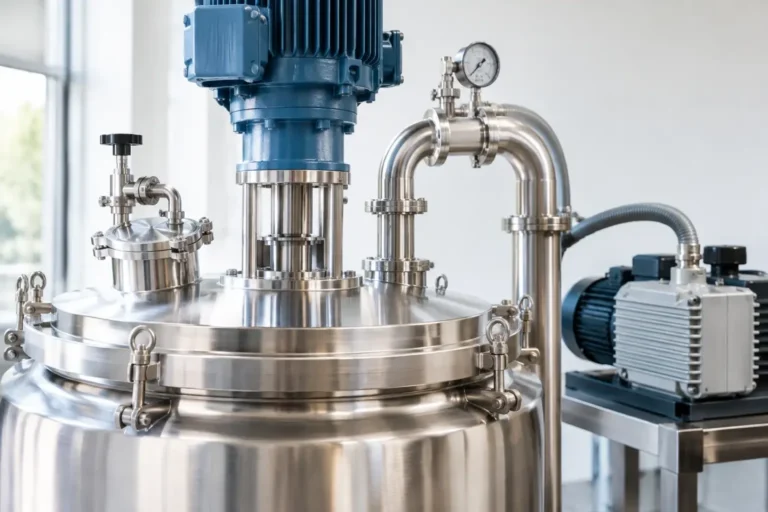
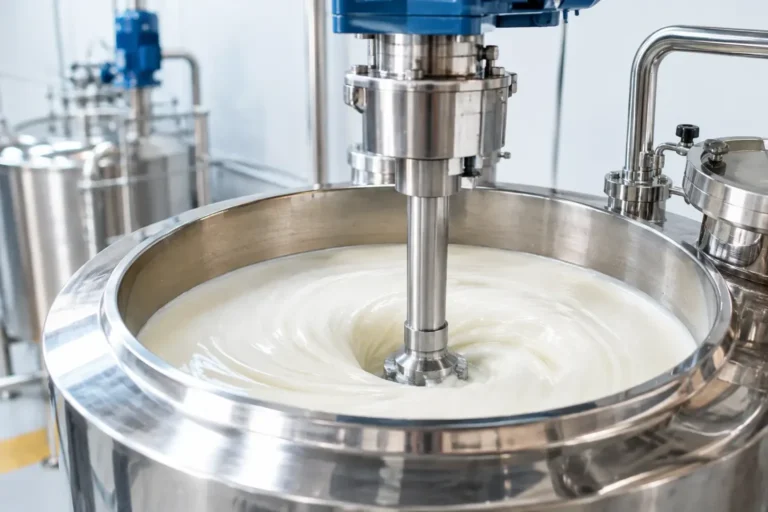
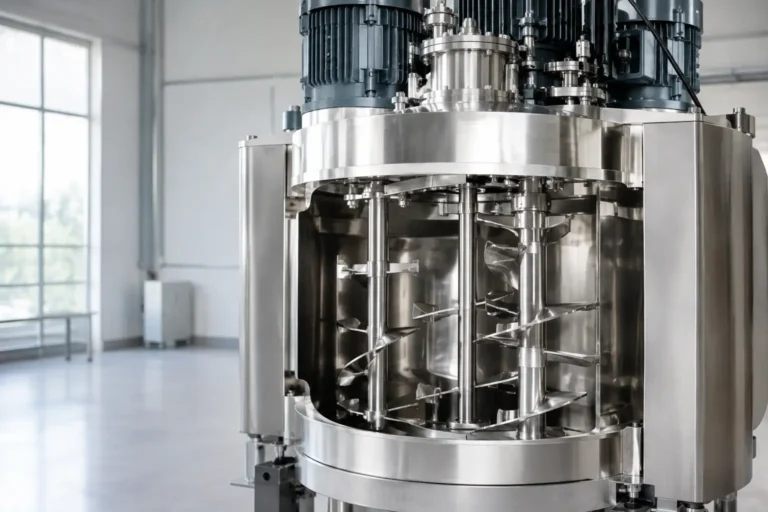
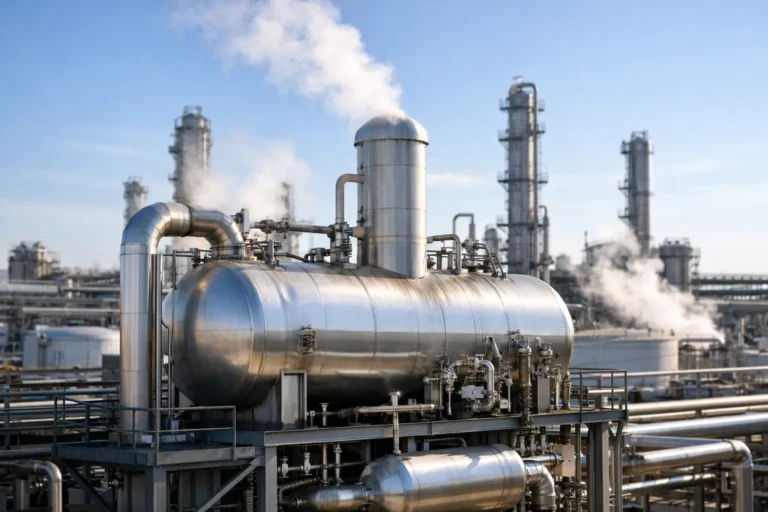
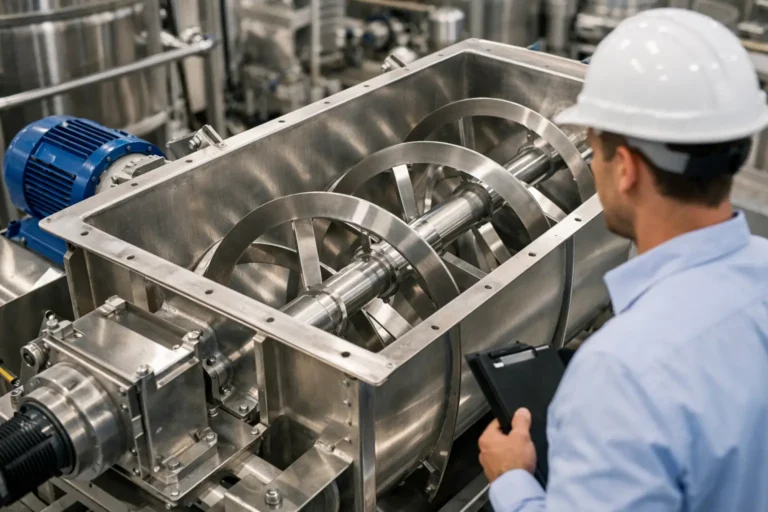
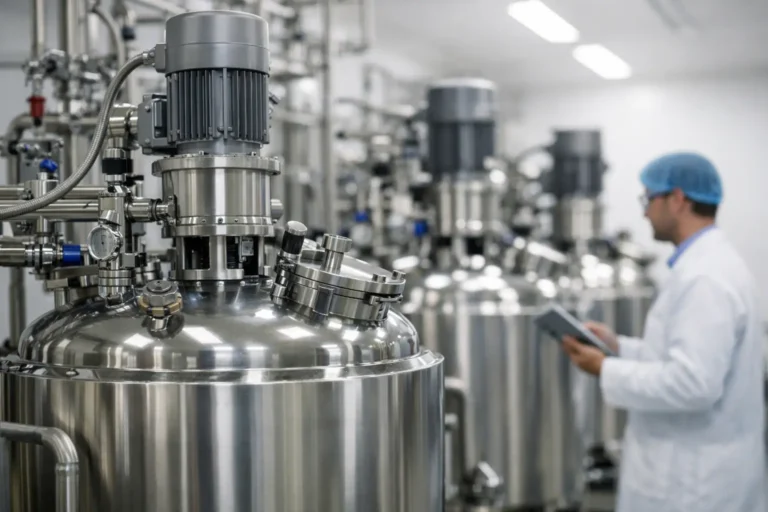
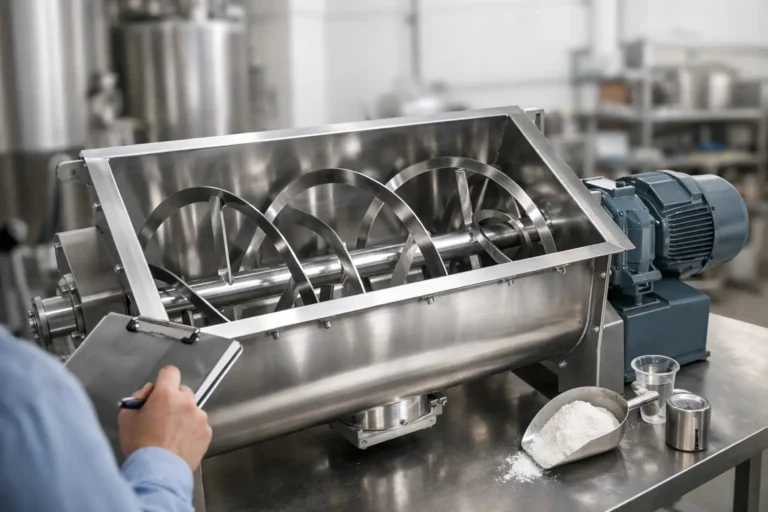
How vessel geometry, valve design, powder flow and downstream transfer determine residual heel and cleanout time.
Read the article
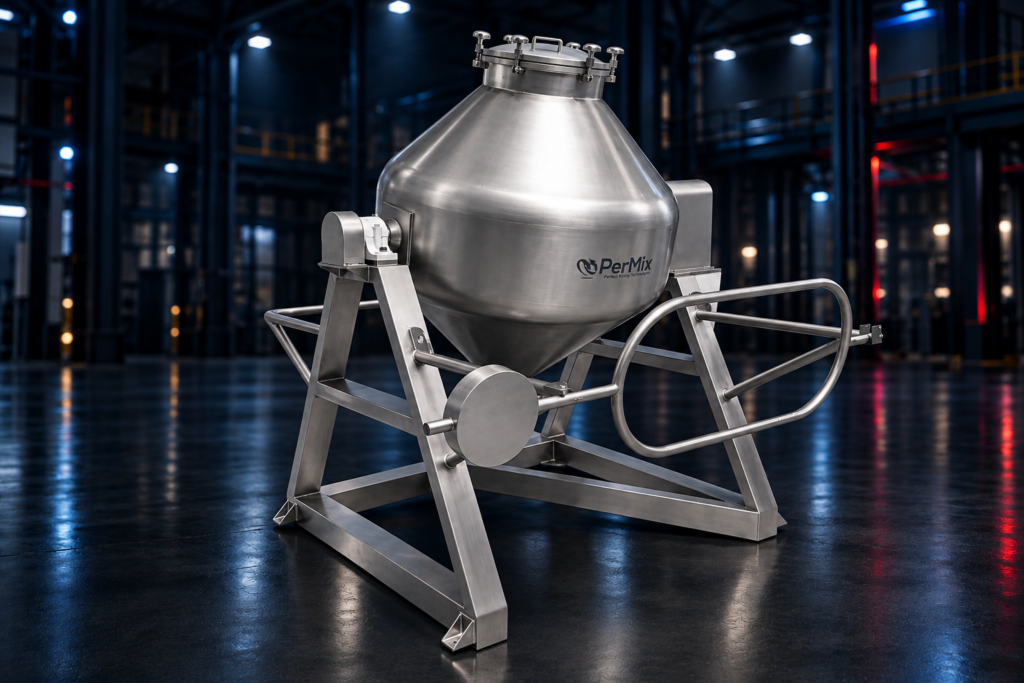
Resources & insights
Expert insights, guides and real-world applications to help you solve mixing challenges, compare technologies and find the right solution for your process.
Browse by content type
Latest posts from the PerMix blog.
Read the blog 02 / Engineering insightsIn-depth articles on mixing theory and applications.
Read technical articles 03 / ApplicationsSee how customers solve difficult mixing challenges.
View case studies 04 / DownloadsProduct literature, datasheets and technical resources.
Browse downloads 05 / VideosWatch equipment in action.
Watch videos 06 / Selection toolsUse process requirements to identify the likely mixer pathway.
Open the engine 07 / CompareSide-by-side comparisons of PerMix technologies.
Compare technologies 08 / SpecificationsReview published model ranges and technical data.
View models 09 / EvidenceApproved equipment evidence and measurable process results.
View results 10 / AnswersQuick answers to common mixing questions.
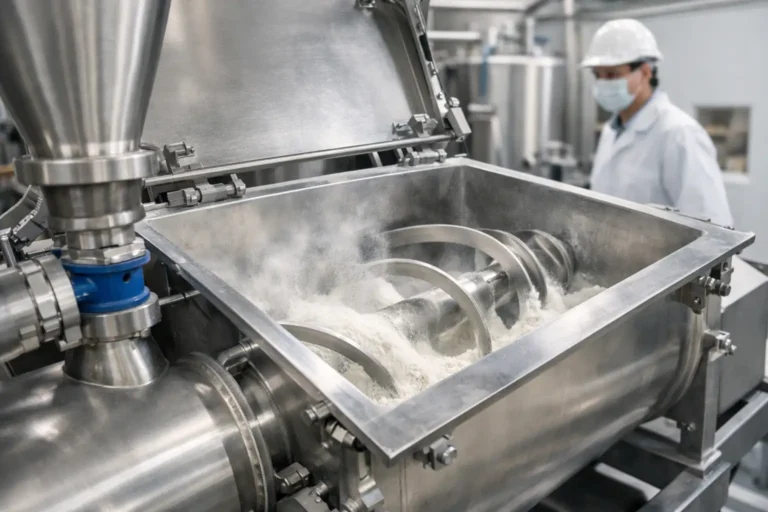
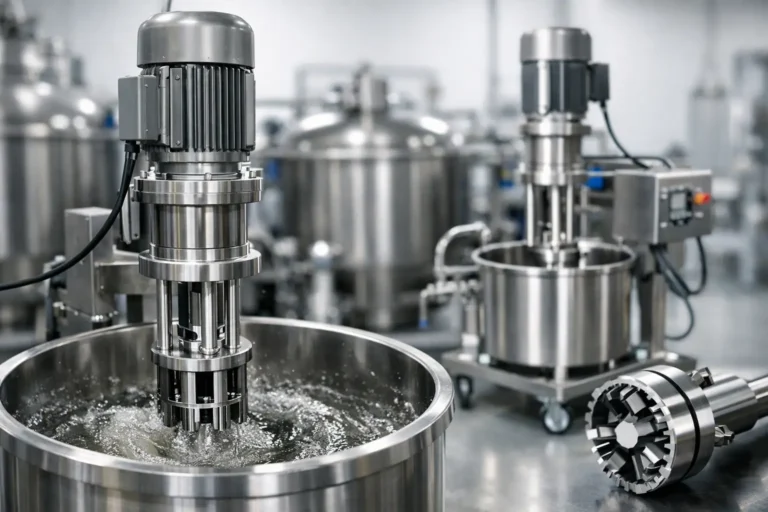
Read the FAQFeatured article · Technical Article
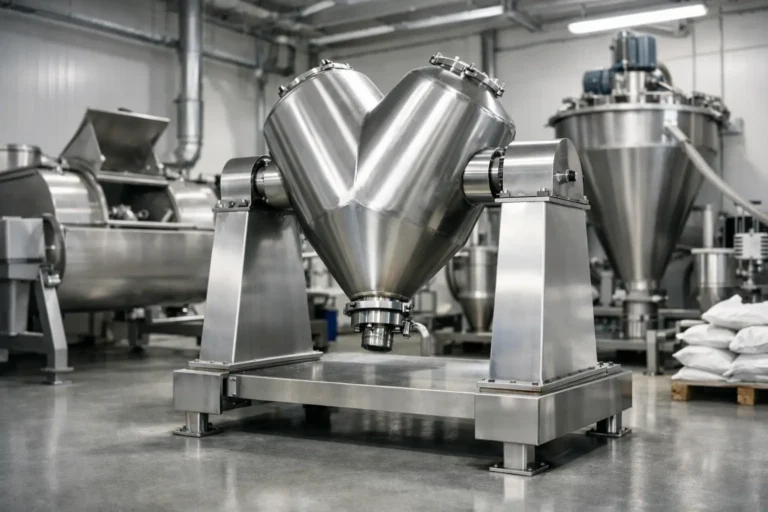
How vessel geometry, valve design, powder flow and downstream transfer determine residual heel and cleanout time.
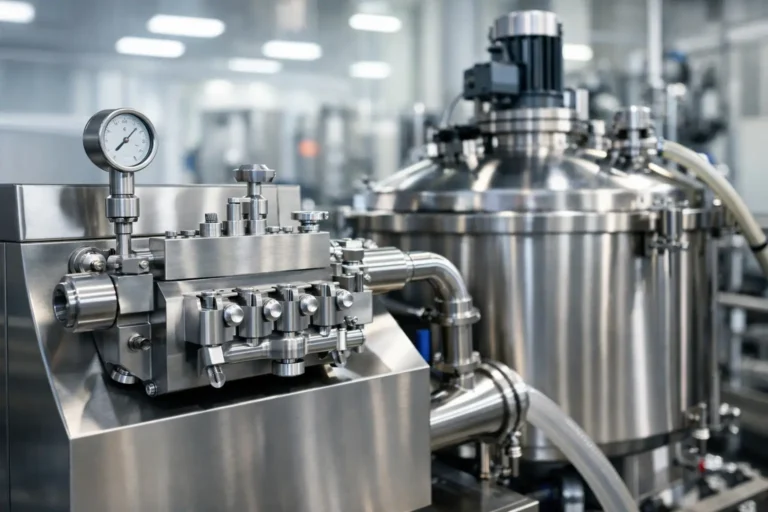
Read the articleFeatured resource · Case Study
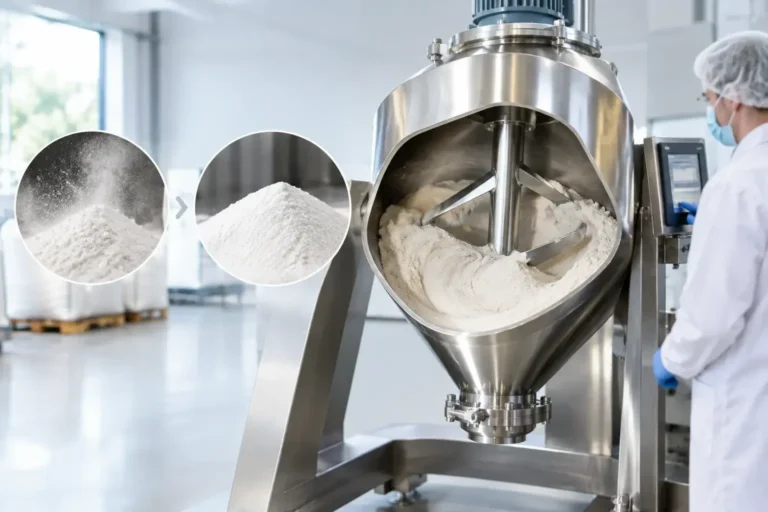
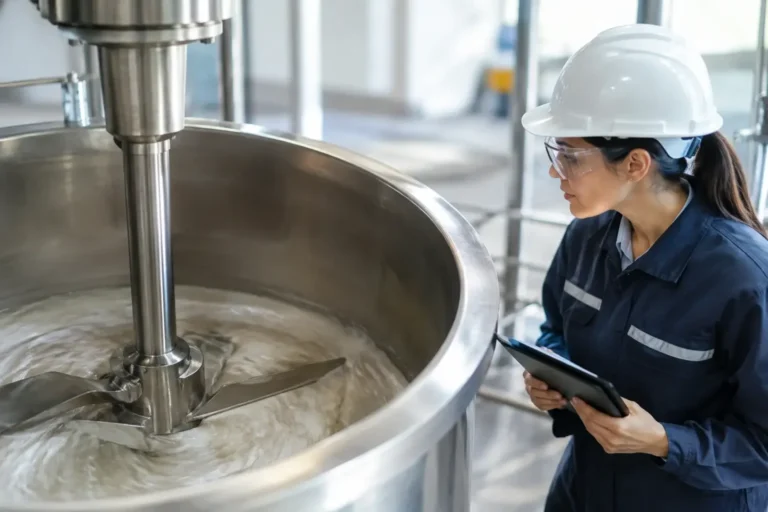
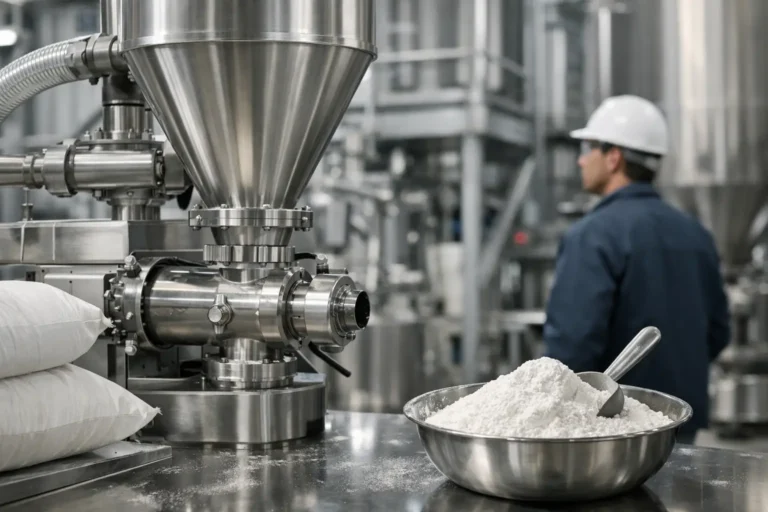
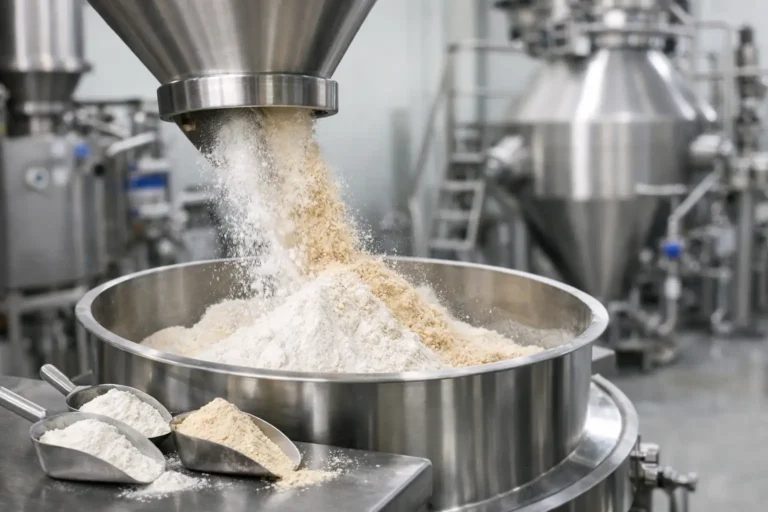
A structured application review for powders with particle-size and bulk-density variation, sanitary access and repeatable discharge.
Read the article
Resource library
Showing 72 of 535 blog posts
Improve reactor yield by controlling mixing, heat transfer, feed addition, residence time, and scale-up variables that determine conversion and selectivity. A reactor can show…
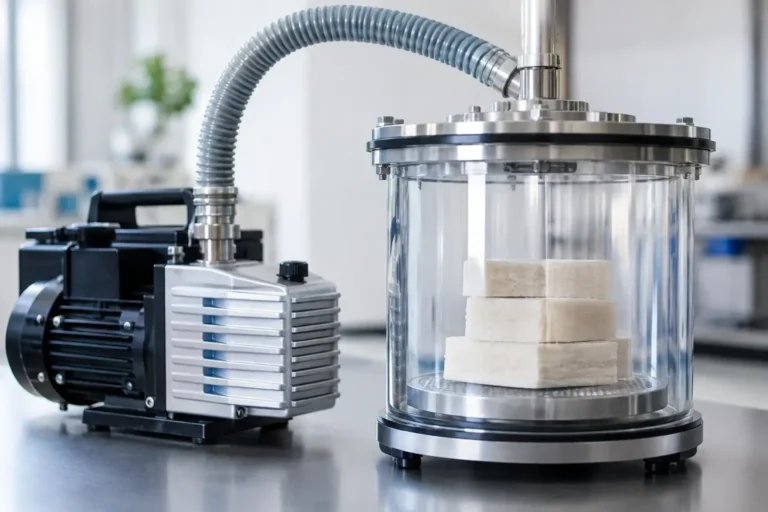
Can vacuum remove entrained air? Learn when vacuum deaeration works, what limits removal, and how engineered mixing systems protect product quality daily. A batch…
Chemical blending optimization improves uniformity, cycle time, yield, and control when equipment, feed strategy, and validation align on the plant floor A chemical blend…
Which mixer reduces dust in powder processing? Compare vacuum, enclosed, and low-shear mixer designs with practical engineering selection key criteria. Dust is often created…
Learn how to optimize slurry mixing with rheology, solids loading, mixer selection, feed control, and testing for consistent, scalable production results. A slurry that…
This sanitary mixer design guide explains how hygienic geometry, cleanability, materials, seals, and controls protect quality and throughput at scale. A sanitary mixer is…
Learn why mixers need vacuum for deaeration, moisture control, faster drying, and repeatable quality in demanding industrial batch processes at scale. A batch can…
Use this emulsification process guide to control droplet size, stability, heat, shear, and scale-up for repeatable industrial batch production results. A stable emulsion is…
Mixer dead zones reduce blend uniformity, slow cycles, and raise cleaning risk. Learn how material flow, geometry, and validation reveal and correct them. A…
Process intensification improves throughput, quality, and efficiency by integrating mixing, heat transfer, vacuum, and automation around the material flow. A production line can appear…
Learn how to control mixing temperature with equipment design, heat-transfer methods, sensors, and automation for repeatable industrial batches reliably.
Learn how slurry mixers are engineered for viscosity, solids loading, dispersion, heat transfer, cleanability, and repeatable industrial batch performance.
Identify the best mixers for abrasive materials by evaluating wear, batch behavior, discharge, liner design, and lifecycle cost for reliable production.
Mixer cleaning protects product quality, supports validation, and reduces downtime. Learn how industrial mixer design and procedures shape reliable results.
Powder induction systems improve ingredient addition, reduce dust, prevent agglomerates, and give manufacturers tighter control of batch quality at scale.
Planetary multishaft mixers combine orbital mixing and high-shear dispersion to process viscous formulations with consistent, repeatable batch quality.
An inline homogenizer equipment review for process engineers: compare shear, flow, cleanability, controls, and total cost before specifying a system.
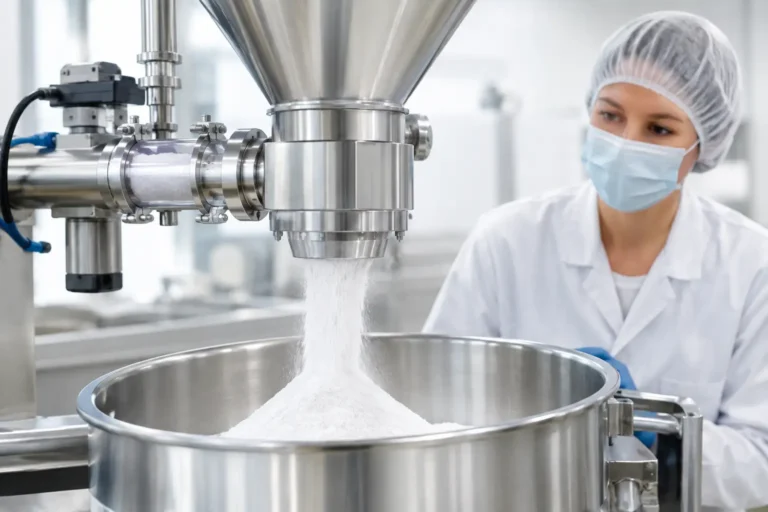
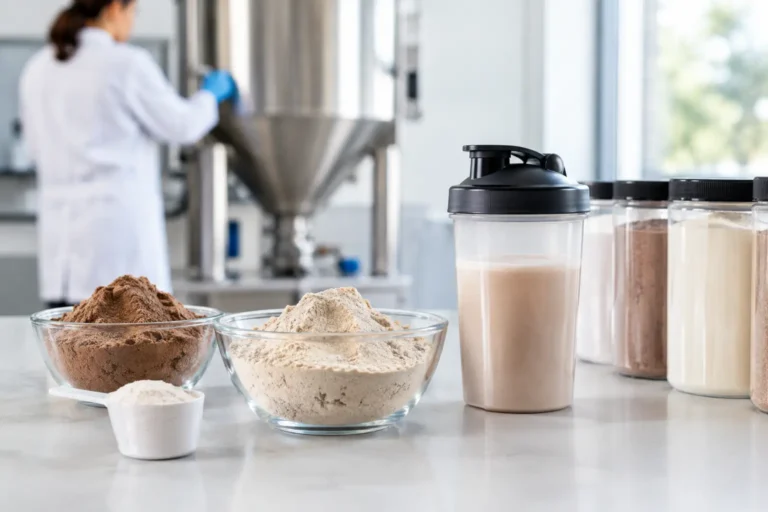
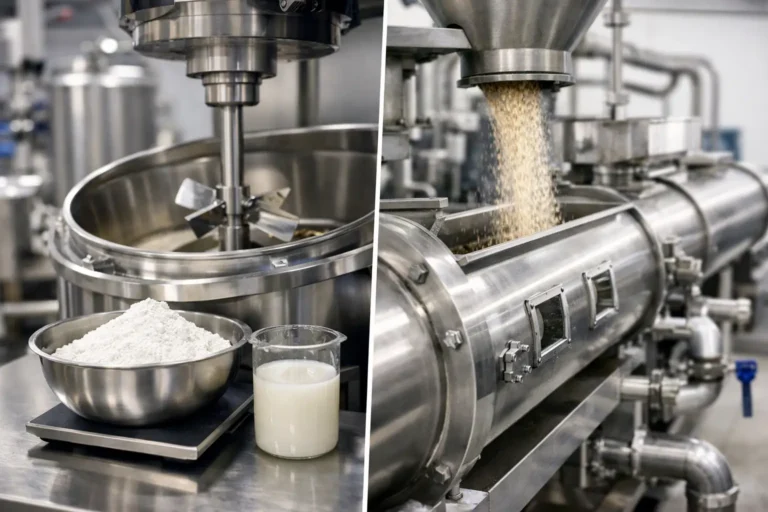
This protein powder blending case study shows how process mixing, liquid addition, and controls improve uniformity, throughput, and cleanability at scale.
This process scaleup guide explains how to move from pilot trials to full production with controlled mixing, consistent quality, and capacity planning.
Learn how to reduce mixing energy through mixer selection, batch design, controls, and maintenance while protecting uniformity, throughput, and quality.
Use this vacuum emulsifying equipment buying guide to evaluate shear, vacuum, heating, controls, cleaning, and capacity for repeatable production batches.
Learn how to scale pilot batches by protecting mixing, heat transfer, ingredient addition, and control strategies from pilot trials to production safely.
An adhesive mixing throughput case study showing how mixer selection, feed control, vacuum, and discharge design raise capacity while protecting quality.
Continuous manufacturing trends are reshaping mixing, feeding, automation, and quality control. Learn where engineering decisions create measurable gains.
Learn how to select an emulsifier by matching formulation, shear, viscosity, sanitation, scale-up, and controls to repeatable production at plant scale.
This industrial mixer maintenance guide helps plants protect batch consistency, reduce downtime, and extend equipment life through disciplined daily care.
Sanitary vessel design requirements determine cleanability, product safety, uptime, and validation confidence before fabrication in regulated plants.
See how the custom mixer design process turns material data, production targets, and validation requirements into reliable, efficient equipment for plants.
Compare colloid mill vs homogenizer performance for emulsions, dispersions, and slurries. Select equipment by viscosity, particle size, throughput goals.
What equipment reduces lump formation? Compare mills, sifters, high-shear mixers, and powder induction systems for a controlled, repeatable process at scale.
Mixing automation trends are reshaping batch control, traceability, cleaning, and throughput. Learn where smarter systems deliver measurable value today.
Learn when to use a deaerator to remove entrained air, improve product consistency, reduce defects, and select the right vacuum process system at scale.
Shear control in liquid mixing protects product structure, improves consistency, and guides the right mixer, speed, and process design for each batch in production…
A ribbon blender review for process engineers: evaluate blend uniformity, batch time, cleaning, discharge, and controls before specifying new equipment.
Choose the best equipment for cream manufacturing based on viscosity, emulsion stability, batch scale, cleaning needs, and precise process control
Compare a plow mixer vs fluidized blender by material behavior, shear, liquid addition, cleaning, and batch goals to select the right process equipment.
What mixer works for cohesive powders? Compare plough, paddle, ribbon, and high-intensity systems by flow behavior, breakup needs, and plant cleanability.
Learn when should you use a granulator to control particle size, improve flow, and build repeatable, efficient production at industrial scale every day.
This industrial powder mixing system guide explains how to specify equipment, protect blend quality, and improve batch performance at scale reliably.
Compare the best mixers for nutraceutical powders by blend uniformity, ingredient sensitivity, cleaning needs, and batch performance at scale in production.
Learn how to handle sticky powders with practical controls for moisture, temperature, feed rate, mixer selection, discharge, and reliable production flow.
Learn how to mix fragile ingredients without breakage, dusting, or segregation through gentle equipment selection, batch control, and validated process.
Find the best emulsifier for lotions by matching formula chemistry, shear, heat, and scale-up requirements for stable, repeatable industrial batches.
What mixer handles heat sensitive powders? Learn how low-heat mixer design, speed, fill level, and validation protect sensitive product quality reliably.
Liquid liquid mixing troubleshooting identifies the causes of blend uniformity, vortexing, air entrainment, and long batch times in industrial processes.
Compare a plow mixer vs ribbon blender by material behavior, mixing intensity, cleanability, batch time, and process demands before specifying equipment.
Learn how to select milling equipment based on material behavior, target particle size, capacity, sanitation, containment, and total process performance.
Learn how to size mixing vessels for batch volume, headspace, material behavior, heat transfer, and scalable, repeatable production performance gains.
Select a cosmetic cream manufacturing mixer engineered for stable emulsions, repeatable viscosity, efficient vacuum processing, and scalable output daily.
Learn how to choose a paddle blender for batch uniformity, sanitary design, throughput, liquid addition, and dependable industrial production performance.
Select an industrial granulator for powder processing with the right shear, liquid addition, sanitary design, and scale-up performance for your plant now.
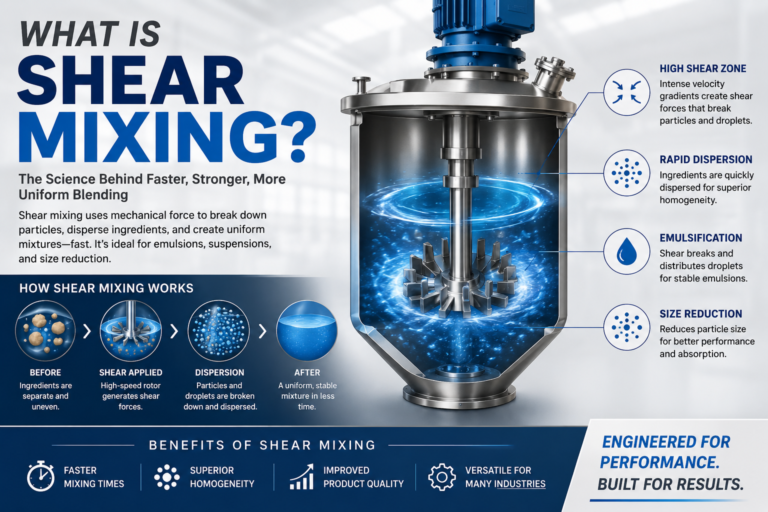
What is shear mixing? See how controlled mechanical force disperses powders, breaks agglomerates, and creates stable emulsions in industrial production.
Learn how to reduce powder segregation through material control, mixer selection, handling design, and validation for consistent, repeatable batches.
Find the best industrial milling machines for production with practical guidance on particle size, throughput, sanitary design, and fit.
Learn how to choose nutraceutical blending equipment for powders, granules, and liquid additions with better consistency, scale, and sanitary control.
Learn how to select ribbon blender equipment for powders, granules, and pastes based on batch size, material behavior, sanitation, and ROI.
Learn how to disperse powders into liquids with less agglomeration, faster wet-out, and better batch consistency in industrial processing.
Liquid mixing tank design affects shear, blend time, heat transfer, and cleaning. Choose geometry, agitator, and controls that fit the process.
Food powder mixing systems must match flow, density, shear, and sanitation needs to deliver uniform blends, reliable throughput, and scale-up.
Choose the right high viscosity mixer for pastes, creams, gels, and doughs. Improve batch consistency, throughput, shear control, and uptime.
Find the best high shear mixers for industrial production. Compare mixer types, key specs, and application fit for faster, more consistent results.
Choosing an industrial homogenizer starts with product goals, shear needs, and scale. Learn what matters for performance and long-term value.
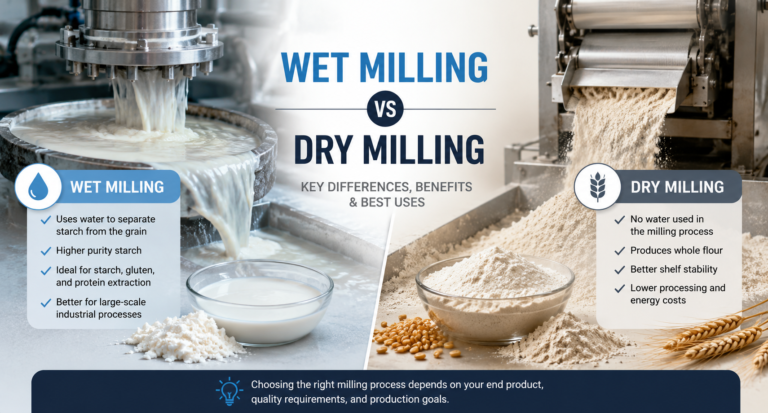
Wet milling vs dry milling affects particle size, heat, throughput, contamination risk, and cost. Learn which process fits your material.
Learn how to scale mixing batches with better consistency, throughput, and quality by matching process variables, mixer design, and material behavior.
Understand homogenizer vs emulsifier differences, including shear, droplet size, batch goals, and how to choose the right process equipment.
Exploring Essential Industrial Mixers in the Bakery Industry: Sigma, Ribbon, Fluidized Zone, Paddle, Double Planetary, and Plow Mixers Introduction: In the dynamic world of…
Compare ribbon blender vs paddle blender performance, shear, batch behavior, and application fit to choose the right industrial mixer.
Powder blender selection guide for plants: compare mixer types, material behavior, scale-up, cleaning, and ROI to choose the right system.
Powder blending system design guide for engineers and plant teams. Improve mix uniformity, throughput, sanitation, and long-term line performance.
Find the best industrial powder blenders for food, pharma, chemical, and nutraceutical production with practical selection criteria.
Learn how to choose a batch mixer for scale up with the right geometry, shear, fill level, and controls to protect product quality and…
Batch vs continuous mixing affects throughput, quality, labor, and scale. Learn which process fits your materials, specs, and production goals.
Get Expert Advice
Get expert advice on your application, materials and process requirements.
+1 (855) PERMIXUSACall john.paul@procxinc.comEmailRFQEngineering review
An application engineer will review your process and respond with a recommended pathway.
Do not submit confidential formulation details until an approved communication channel has been confirmed.
A Trusted Partner for North America